


Home
Pregnancy, Breastfeeding, and Pumping: The Ultimate Guide for Moms
Can You Buy Breast Pump Replacement Parts Anywhere? The Definitive Guide
Can You Buy Breast Pump Replacement Parts Anywhere? The Definitive Guide
Your breast pump suddenly loses suction mid-session, or you notice a tiny crack in a valve. The immediate, pressing question is: can you buy breast pump replacement parts anywhere? The short answer is yes, but not all sources are equal. This comprehensive guide provides the detailed roadmap you need to navigate the marketplace confidently, ensuring you find authentic, compatible parts that safeguard your health, your baby's safety, and your pump's warranty. We'll explore every purchasing channel, decode compatibility issues, and share essential maintenance tips to empower your entire pumping journey.
The Critical Importance of Timely Part Replacement
Replacing worn or damaged breast pump parts isn't just a matter of convenience; it's essential for optimal performance, hygiene, and safety. Using degraded components directly impacts your milk output and comfort.
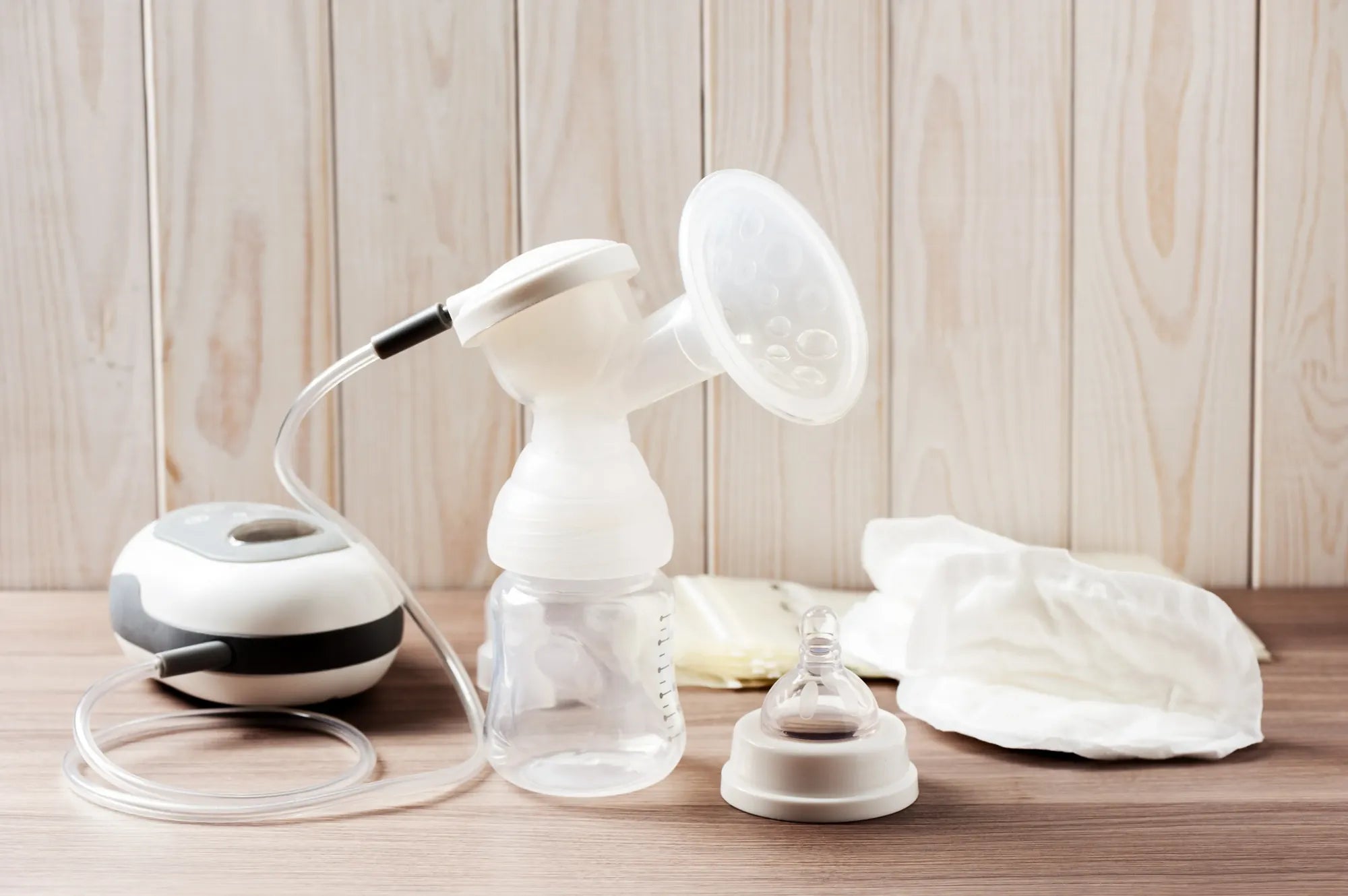
Key parts like duckbill valves, backflow protectors (membranes), and silicone diaphragms create the vacuum seal necessary for effective milk removal. When these parts become stretched, cracked, or warped, suction power plummets. This can lead to incomplete emptying, which may signal to your body to produce less milk, potentially affecting your supply.
From a hygiene standpoint, microscopic cracks and wear in silicone and plastic parts are breeding grounds for mold and bacteria that are difficult to clean. This poses a direct risk to your baby. Furthermore, using incorrect or non-genuine parts can compromise the closed system of your pump, risking milk entering the motor, which is both a contamination hazard and a sure way to ruin an expensive pump.
Finally, using unauthorized parts typically voids the manufacturer's warranty. Protecting your investment means using parts designed specifically for your model. Regular replacement is a small, non-negotiable cost for maintaining a safe, efficient pumping routine.
Direct from the Manufacturer: The Gold Standard
Your first and most reliable stop for replacement parts should be the pump's original manufacturer. This is the surest path to guaranteed compatibility, authenticity, and warranty preservation.
Companies like MomMed design their replacement parts to exact specifications for their pumps, such as the popular S21 Wearable Pump. Purchasing from their official website or customer service ensures you receive food-grade, BPA-free silicone components that fit perfectly and perform as intended. This eliminates the guesswork and risk associated with third-party sellers.
Manufacturer sites often offer comprehensive accessory sections where you can buy individual parts or convenient kits. For example, a typical replacement parts kit might include multiple sets of duckbill valves, backflow protector membranes, and tubing. Buying in kit form is often more economical and ensures you have a ready supply.
Additionally, customer support from the manufacturer can provide model-specific advice. If you're unsure which part you need, a quick call or chat can clarify, saving you from ordering the wrong component. For trusted maternal and baby care brands specializing in innovative products, the direct channel is unmatched for peace of mind.
Authorized Retailers and Specialty Baby Stores
Brick-and-mortar and online authorized retailers offer a balance of convenience and reliability. These include major baby specialty chains, large retailers with baby departments, and certified medical supply stores.
Stores like BuyBuy Baby, Target, or Walmart often carry replacement parts for widely sold pump brands. The advantage here is immediate availability; you can often get a crucial part the same day without waiting for shipping. This is invaluable when a primary part fails unexpectedly.
When shopping at these retailers, it's vital to verify they are an authorized seller for your specific pump brand. This information is sometimes listed on the product packaging or can be confirmed on the manufacturer's website. Authorized status means the parts are sourced directly from the manufacturer or its approved distributors, ensuring they meet original quality standards.
The selection at general retailers, however, may be limited. They typically stock parts only for the most common pump models. If you have a newer, less common, or hospital-grade pump, you might not find your parts here. Always check the model number compatibility on the packaging against your own pump.
Navigating Large Online Marketplaces: Amazon and eBay
Online marketplaces are a double-edged sword: they offer unparalleled selection and fast shipping, but require diligent vetting to avoid incompatible or low-quality parts.
Platforms like Amazon host both official brand storefronts and third-party sellers. When searching, prioritize listings that are "Sold by [Brand Name]" and "Fulfilled by Amazon." For instance, searching for "MomMed replacement parts" should lead you to their official store. This combines marketplace convenience with manufacturer authenticity.
The risk comes from generic or off-brand parts sold as "compatible with" your pump model. While some may function, many do not provide the exact fit or material quality required for optimal performance and safety. Materials may not be food-grade or BPA-free, posing potential health risks. Poor sealing can reduce suction and efficiency.
If purchasing from a third-party seller, scrutinize the product description for the term "OEM" (Original Equipment Manufacturer), which indicates genuine parts. Read customer reviews carefully, specifically looking for comments on fit, material quality, and durability. On platforms like eBay, check the seller's rating and history. When in doubt, the savings are not worth the risk to your pump or your baby's safety.
Medical Channels: Hospital Rental Stations and Lactation Consultants
For mothers using hospital-grade rental pumps or specific medical-grade equipment, specialized medical channels are the primary and often sole source for appropriate parts.
Hospitals and medical rental companies (like those offering the Medela Symphony or Spectra S1/S2 as rentals) maintain inventories of factory-authorized parts. These parts are designed for heavy, multi-user cycles and meet stringent hygiene and performance standards. You must obtain replacements from these sources to ensure the pump's closed-system integrity is maintained.
International Board Certified Lactation Consultants (IBCLCs) are also valuable resources. They often have direct access to medical suppliers and can order parts for you or provide definitive guidance on where to source them. They can also assess whether a part is truly faulty or if another issue (like improper flange fit) is affecting performance.
This channel is less about convenience and more about necessity and expertise. The parts are guaranteed to be correct and safe, which is non-negotiable for equipment used in clinical or high-need scenarios. If you are renting a pump, your rental agreement will specify where to obtain replacement parts.
Key Purchasing Considerations: Compatibility, Materials, Kits
Before clicking "buy," arm yourself with essential information. This knowledge ensures you get the right part that works safely and effectively.
Compatibility is King: Always know your exact pump model number. This is usually on a label on the motor or base. Do not assume parts are universal. A flange for one brand's pump will not fit another's tubing connector. Use the manufacturer's compatibility chart. Many brands, including MomMed, have clear guides on their websites matching parts to specific models.
Material Safety Matters: Any part that comes into contact with breast milk—flanges, valves, bottles, membranes—should be made from BPA-free, food-grade materials. Reputable brands like MomMed use medical-grade or food-grade silicone for all milk-contact surfaces. Avoid parts with strong plastic odors or that feel excessively rigid, as these may be made with inferior materials.
The Value of Kits: Purchasing a replacement parts kit is usually more cost-effective than buying individual components. Kits also ensure you have a complete set of the parts that wear out together. A standard kit for a double electric pump often includes: 2 duckbill valves, 2 backflow protector membranes, 2 tubing connectors, and sometimes spare tubing and bottles. This proactive approach prevents unexpected downtime.
| Purchase Channel | Pros | Cons | Best For |
|---|---|---|---|
| Manufacturer Direct | Guaranteed compatibility & authenticity; preserves warranty; full part range | May have slower shipping; can be slightly higher cost | All users, especially for newer or less common models |
| Authorized Retailer | Convenience; immediate pickup; trusted sourcing | Limited selection for niche models | Common pump brands; emergency replacements |
| Online Marketplace | Fast shipping; vast selection; competitive pricing | High risk of non-genuine parts; requires careful vetting | Savvy shoppers who verify seller authenticity |
| Medical Channels | Medical-grade quality; expert guidance; for rental units | Less accessible; often requires appointment or rental contract | Hospital-grade rental pumps; clinical use |
Maintenance and Replacement Schedule to Extend Part Life
Proactive maintenance can significantly extend the life of your parts, but knowing when to replace them is crucial. A regular schedule prevents sudden failures.
Establish a visual and functional inspection routine. Before each use, check silicone parts (valves, membranes) for tears, stretching, or stickiness. Hold them up to the light to see if they are thin or warped. Listen for a consistent, rhythmic suction sound; a weak or intermittent sound often indicates a worn valve or membrane.
Follow general replacement guidelines, but adjust based on usage. For exclusive pumpers, parts wear out faster.
- Duckbill Valves/Flapper Valves: Replace every 4-8 weeks, or sooner if suction weakens.
- Backflow Protector Membranes: Replace every 2-3 months, or immediately if milk enters the tubing.
- Tubing: Replace if you see moisture, mold, or cracks. It should be completely dry inside.
- Silicone Flanges/Shields: Inspect regularly for cracks and replace every 6 months or as needed.
Proper care is key. Wash parts promptly after use in warm, soapy water. Rinse thoroughly. Allow to air-dry completely on a clean drying rack before storing in a clean, sealed container. Never store parts damp. Sterilize according to manufacturer instructions, but note that frequent high-heat sterilization can degrade silicone faster.
Frequently Asked Questions (FAQ)
How do I know which replacement parts I need for my specific pump?
First, locate your pump's model number (on the motor unit). Visit the manufacturer's website and navigate to the "Accessories" or "Replacement Parts" section for your model. They will have a diagram or list naming each part. If unsure, contact their customer service with your model number. Universal parts are rare, so precise identification is essential.
Are generic or off-brand replacement parts safe to use?
Caution is strongly advised. While some may fit, they often use materials that are not certified food-grade or BPA-free, potentially leaching chemicals into your milk. Their fit may be imperfect, reducing suction and milk output. Most critically, using non-genuine parts can void your pump's warranty and, in closed-system pumps, risk contaminating the motor with milk.
Can I buy replacement parts for a pump I received through insurance?
Yes, you absolutely can and should. Insurance typically covers only the initial pump hardware. Replacement parts due to wear and tear are the user's responsibility. You purchase them through the same channels as anyone else: the manufacturer, authorized retailers, etc. Keep your receipt; some flexible spending accounts (FSAs/HSAs) may reimburse these costs.
What are the signs that my duckbill valve or membrane needs replacing?
The most common signs are a noticeable decrease in suction strength and slower milk flow. Visually, a duckbill valve that is stretched out, misshapen, or doesn't close tightly needs replacement. For backflow protector membranes, look for loss of elasticity, tears, or if milk has backed up into the tubing. When in doubt, replace the part; they are inexpensive compared to the frustration of low output.
Is it worth buying a spare parts kit even if my pump is new?
Yes, it's a highly recommended proactive step. Having a kit on hand means you're never caught without a crucial part during a late-night or weekend pumping session. It ensures continuity in your pumping schedule, which is vital for maintaining milk supply. Consider it an essential part of your initial pump purchase.
Securing Your Pumping Success with the Right Parts
The freedom to purchase breast pump replacement parts from various sources empowers you to maintain your equipment efficiently. However, this freedom comes with the responsibility to choose wisely. Prioritizing authenticity and compatibility from trusted sources like manufacturers and authorized sellers is an investment in your pumping performance, your baby's health, and the longevity of your pump. By understanding your options, recognizing wear signs, and maintaining a small inventory of spares, you transform potential pumping frustrations into a smooth, sustainable routine. Your journey is supported by reliable tools—ensure they are always in top working order.
Shop the MomMed collection at mommed.com for all your breastfeeding and pregnancy needs, including genuine replacement part kits for MomMed pumps, designed for safety, comfort, and performance.