


Home
Pregnancy, Breastfeeding, and Pumping: The Ultimate Guide for Moms
Can You Breast Pump at 37 Weeks Pregnant? A Comprehensive Guide
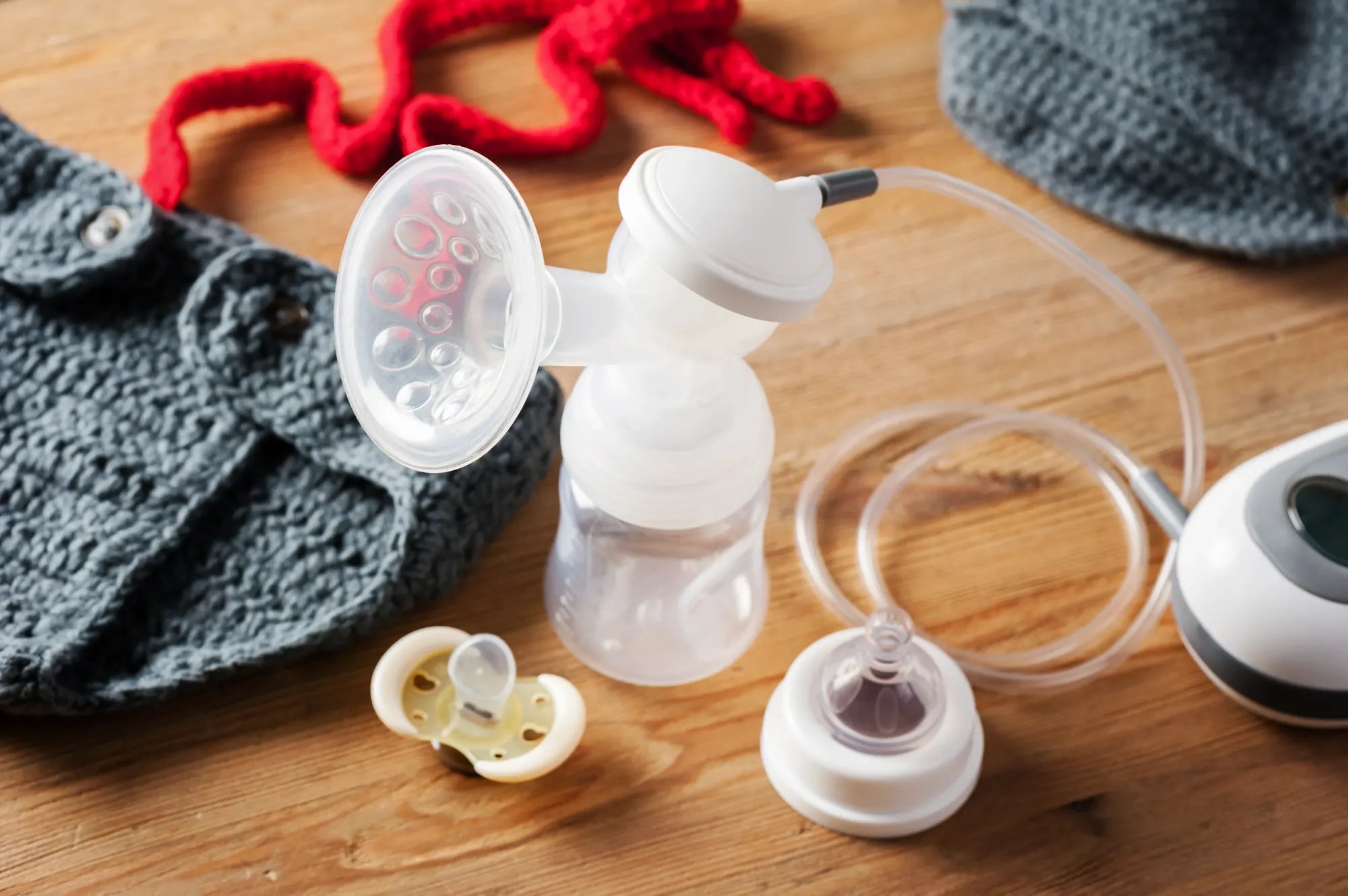
Can You Breast Pump at 37 Weeks Pregnant? A Comprehensive Guide
You're in the home stretch of pregnancy, and the question of preparing for breastfeeding is front of mind. Many mothers wonder, can you breast pump at 37 weeks pregnant to get a head start? The answer is nuanced and depends entirely on your unique pregnancy. This comprehensive guide will walk you through the critical safety considerations, potential reasons, and evidence-based protocols, ensuring you have the knowledge to discuss this option confidently with your healthcare provider.
Understanding the "Why": Potential Reasons for Pumping at 37 Weeks
Before addressing the "how," it's essential to understand the "why." Pumping at 37 weeks is not a standard recommendation for everyone. It's a decision typically made for specific medical or preparatory reasons, always under the guidance of a doctor or midwife. The goal at this stage is not to stimulate a full milk supply but to collect the precious, immune-boosting colostrum.
This early expression is often referred to as Antenatal Colostrum Harvesting (ACH). It's a proactive measure that can provide significant benefits in certain situations. Understanding these reasons helps frame the conversation with your care provider and sets realistic expectations for what pumping can achieve this late in pregnancy.
The process involves gentle, brief sessions to express small amounts of colostrum. It's a skill that can also help you become familiar with the sensation of milk removal and the operation of a pump before the postpartum period, potentially reducing anxiety after birth. However, the primary driver should always be a clear, beneficial purpose for you and your baby's health.
For Medical Indications and Proactive Health
Several medical scenarios make antenatal colostrum expression a valuable tool. One of the most common is gestational diabetes. Babies born to mothers with GD are at a higher risk of low blood sugar (hypoglycemia) after birth. Having a stash of colostrum ready allows medical staff to feed the baby immediately if needed, often avoiding the need for formula supplementation.
Other conditions include a history of low milk supply with a previous child, known polycystic ovary syndrome (PCOS) which can affect lactation, or babies with anticipated feeding challenges like a cleft lip or palate. For mothers with inverted or flat nipples, gentle pumping can help draw the nipple out, potentially making latching easier after delivery.
It's also considered for pregnancies where the baby might need special care, such as with known fetal growth restrictions or anticipated cesarean deliveries. In these cases, having colostrum on hand provides a sense of control and preparedness. The key is that these are discussions to have with your obstetrician or a lactation consultant who understands your full medical history.
For Personal Preparation and Peace of Mind
Beyond medical reasons, some mothers consider pumping for personal preparation. Learning the mechanics of a breast pump without the pressure of a hungry newborn can build confidence. It allows you to find a comfortable flange fit and understand suction settings in a calm environment.
Building a small stash of "liquid gold" colostrum can also provide immense psychological comfort. Knowing you have a backup supply can alleviate anxiety about the first few days of feeding. For mothers planning to return to work early, understanding their body's response to pumping can be part of a broader feeding plan.
However, it is crucial to distinguish this from pumping to relieve engorgement. Significant milk production and engorgement are uncommon at 37 weeks. Any discomfort is more likely related to general breast tenderness and growth. Pumping for comfort alone is not typically advised without consulting a provider, as it may stimulate unnecessary uterine activity.
Safety First: What the Evidence Says About Pumping at 37 Weeks
The cornerstone of can you breast pump at 37 weeks pregnant is safety. Current medical consensus, supported by organizations like the UK's National Health Service (NHS) which has formal ACH guidelines, indicates that for low-risk, singleton pregnancies at term (37+ weeks), antenatal expression is generally considered safe. However, "generally safe" does not mean "recommended for all." It is a medical intervention that requires individualized assessment.
The safety profile hinges on the fact that at 37 weeks, a pregnancy is considered full-term. The risks associated with potentially stimulating labor are lower than if done preterm. Nevertheless, it is not a zero-risk activity and should never be initiated as a casual experiment. The guiding principle is that the potential benefits should outweigh the potential risks for your specific situation.
Research, including a 2017 study published in Birth, has shown that antenatal expression starting at 36 weeks did not increase the risk of emergency cesareans or other adverse outcomes for mothers with diabetes. It did, however, increase the rates of exclusive breastfeeding at hospital discharge. This data supports its use in structured, medically supervised contexts.
Ultimately, your body's response is unique. What is safe for one person may not be for another. This is why the first and most critical step is always a conversation with your prenatal care provider. They will evaluate factors like your cervical status, history of contractions, and overall pregnancy health.
The Role of Oxytocin and Uterine Contractions
The primary physiological mechanism to understand is the let-down reflex. Nipple stimulation—whether from a baby feeding, a pump, or hand expression—triggers the release of the hormone oxytocin. Oxytocin has a dual role: it causes the milk-producing cells to contract (ejecting milk) and it also causes the uterine muscle to contract.
In late pregnancy, your uterus is highly sensitive to oxytocin. This is why you may feel mild, period-like cramps or tightening (Braxton Hicks contractions) during or after a pumping session. For most low-risk pregnancies, these contractions are harmless and subside quickly. They do not typically change the cervix or trigger active labor.
The key is monitoring. Contractions that become regular, painful, increase in intensity, or are accompanied by other symptoms like bleeding or fluid leakage are a red flag. The protocol for safe antenatal pumping always includes instructions to stop immediately and contact your provider if you experience such signs. The stimulation must be gentle and brief to minimize strong, coordinated uterine activity.
Key Considerations and Contraindications
There are specific pregnancy conditions where pumping at 37 weeks is typically contraindicated or requires extreme caution. Your healthcare provider will screen for these. A major contraindication is any condition that places you at high risk for preterm labor, even if you are now at term.
This includes a history of preterm labor or birth in a previous pregnancy, an incompetent cervix, or current signs of cervical shortening or dilation. Placenta previa (where the placenta covers the cervix) is another critical contraindication, as uterine contractions could provoke bleeding.
For pregnancies with twins or multiples, the risk of preterm labor is inherently higher, and the uterus is already under more strain. Most providers will advise against antenatal pumping in these cases. Other considerations include a history of prolific bleeding during pregnancy or conditions like preeclampsia. If your provider says no, it is based on protecting you and your baby's well-being.
A Practical Guide: How to Approach Pumping at 37 Weeks (If Advised)
If your healthcare provider has given you the green light to express colostrum, following a careful, gentle protocol is essential. This process is vastly different from pumping to establish or maintain a full milk supply postpartum. The focus is on skill-building and collecting small, valuable amounts, not volume.
Patience is paramount. You may express only drops or a few milliliters per session. This is completely normal and expected. Colostrum is thick and concentrated, and your body produces it in small quantities perfect for your newborn's tiny stomach. Using small, sterile syringes (1mL or 3mL) for collection is ideal, as they are designed to handle viscous liquid.
Create a calm, relaxed environment. Stress can inhibit the let-down reflex. Try warming your breasts with a warm compress for a few minutes beforehand, gently massaging them, and ensuring you are hydrated. Some mothers find looking at ultrasound pictures or thinking about their baby helps stimulate oxytocin release.
Remember, the goal is not to empty the breast but to gently encourage the release of available colostrum. Sessions should be short and not forceful. If you feel any pain beyond mild discomfort, or if you are not seeing any colostrum after a few minutes, stop. The process should not be stressful.
Step 1: The Essential Conversation with Your Healthcare Provider
This is the non-negotiable first step. Come to your appointment prepared with questions. Ask: "Based on my pregnancy history, is antenatal colostrum expression safe for me?" Discuss your specific reason for wanting to do it. Ask for clear, written guidelines on frequency, duration, and technique.
Inquire about warning signs: "What type of contractions should prompt me to stop?" and "Who should I call if I have concerns?" Get clarity on storage: "How should I label and store the colostrum?" and "Should I bring it to the hospital?" This conversation formalizes the plan and ensures you and your provider are aligned on the objectives and safety parameters.
It is also an excellent time to ask for a referral to a International Board Certified Lactation Consultant (IBCLC). An IBCLC can provide hands-on guidance with hand expression or pump use, ensuring your technique is optimal and comfortable. They are an invaluable resource for your entire breastfeeding journey.
Step 2: Choosing the Right Technique and Gear
There are two main methods: hand expression and using a breast pump. Many lactation consultants recommend starting with hand expression at 37 weeks. It allows for exquisite control over pressure and stimulation, is always available, and is often more effective for extracting thick colostrum than a pump. It's also free and involves no machinery.
However, some mothers find hand expression difficult or tiring. If you choose to use a pump, selecting a model with gentle, adjustable suction is critical. The pump should feel comfortable, not painful. Wearable pumps, like the MomMed S21 Double Wearable Breast Pump, can be a good option due to their quiet operation and customizable settings, allowing you to start on the lowest effective suction.
Regardless of the method, flange fit is paramount. An incorrectly sized flange can cause pain, damage tissue, and hinder colostrum removal. MomMed pumps come with multiple flange size options and a sizing guide, emphasizing that comfort and safety are built into their BPA-free, food-grade silicone components. The goal is gentle stimulation, not aggressive suction.
Step 3: The Pumping Protocol – Gentle and Brief
If pumping, follow a conservative schedule. A common medical recommendation is to express for 5-10 minutes per breast, no more than once or twice per day. Always start with the lowest suction setting that yields results. Use a cycle pattern that mimics a baby's initial rapid sucks, if your pump has that feature.
During the session, monitor your body closely. Are you having contractions? If they are mild and irregular, it may be okay to continue. If they become regular (e.g., every 10 minutes) or painful, stop immediately. Hydrate, rest on your left side, and if they do not subside, contact your provider.
Collect the colostrum directly into a sterile syringe or small container. Label it immediately with the date and time. Store it properly. Even a few syringes with 0.5mL of colostrum each are a tremendous achievement and a valuable resource for your baby's first days.
What to Expect: Colostrum vs. Mature Milk
Managing expectations is vital for emotional well-being. The substance you express at 37 weeks is colostrum, not mature milk. Your body will not begin producing mature milk until 2-5 days after birth, triggered by the delivery of the placenta and the hormonal shift that follows.
Colostrum is often thick, sticky, and golden or clear-yellow in color, though it can also appear orange or even slightly bloody (which is usually normal due to increased vascularity). It is packed with antibodies, white blood cells, and high concentrations of protein and minerals, acting as your baby's first vaccine and a potent laxative to help pass meconium.
Do not compare volume to what you see expressed in videos of mature milk. A productive session might yield 1-5mL total (about 1 teaspoon). Over a week, you might collect 10-30mL. This is a fantastic stash. The following table illustrates the key differences.
| Aspect | Colostrum (at 37 Weeks) | Mature Milk (Postpartum) |
|---|---|---|
| Volume per Session | Very small (drops to teaspoons, 1-5mL) | Larger (ounces, 30-150mL+) |
| Color & Consistency | Thick, sticky, golden/yellow/orange | Thinner, watery, white or bluish-tinted |
| Primary Nutritional Focus | Immune factors (IgA antibodies), protein, minerals | Fats, carbohydrates (lactose), balanced nutrients for growth |
| Primary Purpose | Immune protection, gut sealing, meconium clearance | Sustained nutrition and hydration for growth |
| Production Trigger | Pregnancy hormones (progesterone/estrogen) | Placental delivery (progesterone drop), prolactin |
Frequently Asked Questions (FAQs)
Will pumping at 37 weeks induce labor?
For most low-risk pregnancies at term, the gentle, brief stimulation of recommended antenatal expression is unlikely to induce labor. It may cause non-labor uterine contractions (Braxton Hicks) that subside. However, the risk is not zero, which is why medical supervision is mandatory. It is not a method for self-inducing labor.
How much colostrum should I expect to collect?
Expect very small amounts—often just drops or a few milliliters per session. Collecting 1-5mL (up to a teaspoon) total in a day is considered good. Some days you may get none. This is normal. The quantity is not indicative of your future milk supply.
How do I store expressed colostrum safely?
Use sterile syringes or containers. Label with date/time. It can be stored at room temperature for 4-6 hours, in a refrigerator for up to 5 days (at the back, not in the door), or in a freezer for up to 6 months. For hospital transport, use a cooler with ice packs. Follow your hospital's specific policy.
If I pump now, will I have less for my baby after birth?
No. Milk production works on a supply-and-demand basis after birth. Removing colostrum antenatally does not deplete the supply. In fact, it may help "prime" the milk-making cells. After delivery, frequent, effective removal of milk (by baby or pump) is what signals your body to make more.
Is it painful to pump this early?
It should not be painful. Discomfort or mild cramping is possible, but sharp pain, nipple damage, or severe contractions are signs to stop. Using correct flange size, gentle suction, and proper technique is key. If using a pump like the MomMed S21, start with the massage mode and lowest comfortable setting.
Can I use a Haakaa or manual pump instead?
A manual pump can be used if set to very gentle suction. The passive suction of a Haakaa or similar silicone collector is generally not recommended for antenatal expression at 37 weeks, as it provides constant, unmodulated suction that may stimulate the uterus more than intended. Controlled hand expression or a gentle electric pump is preferred.
Conclusion: Empowering Your Journey with Knowledge and Support
The decision to pump at 37 weeks pregnant is a personal one, made on a foundation of medical advice and informed choice. By understanding the safety protocols, managing expectations, and prioritizing gentle techniques, you can navigate this option with confidence. Whether you are harvesting colostrum for medical reasons or for preparedness, your proactive approach is a powerful first step in your feeding journey.
Remember, this process is about more than collecting milk; it's about building a partnership with your care team and trusting your intuition. Every drop of colostrum is a triumph, and every conversation with your provider is an investment in a healthy start. As you move from pregnancy to postpartum, having reliable, comfortable tools makes all the difference.
For mothers who choose to pump, MomMed is committed to supporting you with innovative, safe products designed for every stage. From the gentle, adjustable suction of our breast pumps perfect for antenatal expression to our award-winning, hands-free wearable designs for postpartum freedom, we provide solutions that prioritize both mother and baby. Our BPA-free, food-grade materials ensure safety, while our thoughtful engineering ensures comfort.
Shop the MomMed collection at mommed.com for all your breastfeeding and pregnancy needs, and step into motherhood equipped with knowledge, support, and gear you can trust.