


Home
Pregnancy, Breastfeeding, and Pumping: The Ultimate Guide for Moms
Are You Supposed to Clean Breast Before Pumping? Essential Tips for Hygiene
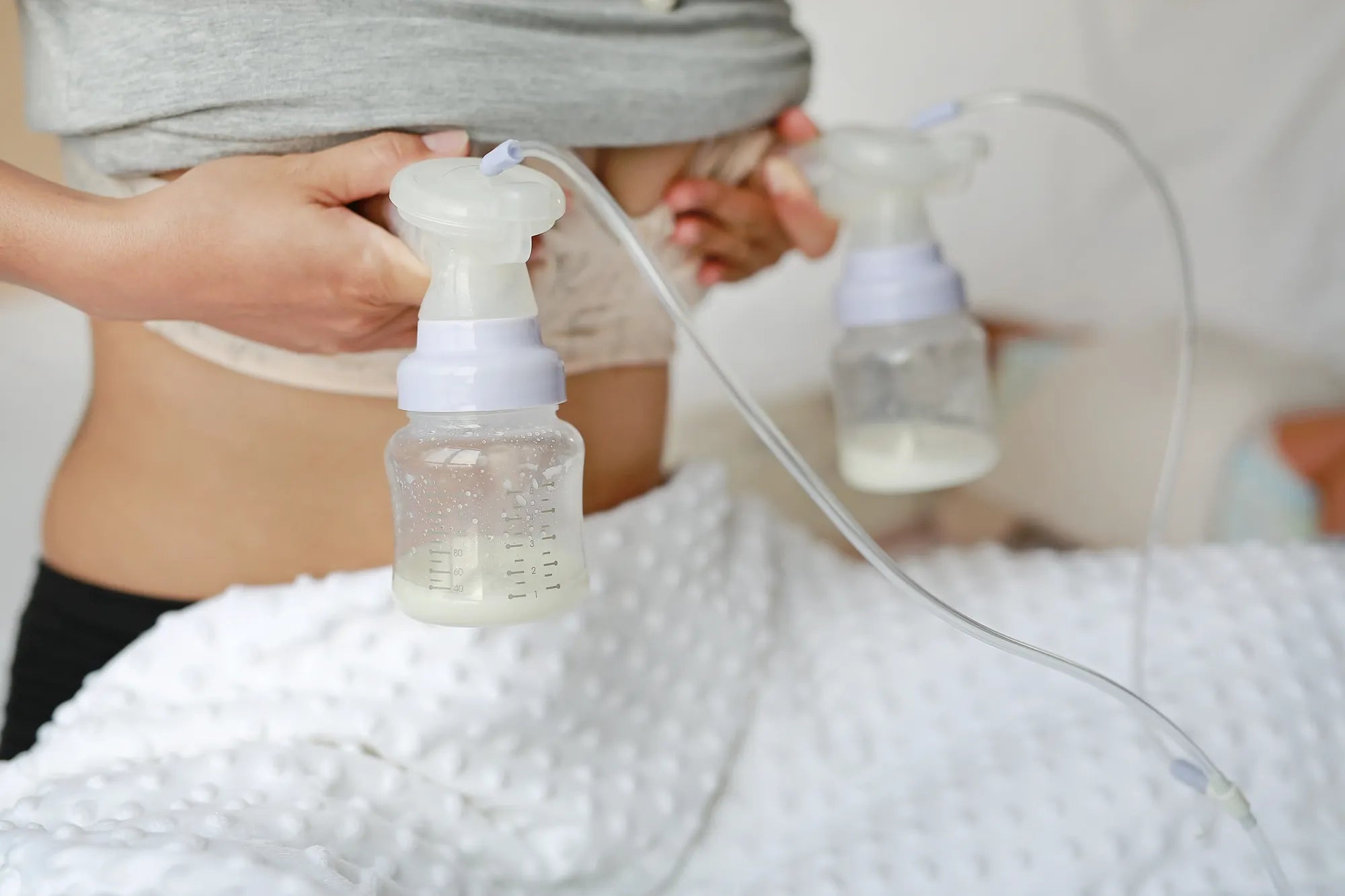
Are You Supposed to Clean Breast Before Pumping? Essential Tips for Hygiene
The Importance of Breast Hygiene for Pumping Moms
As you prepare to pump, you might pause and wonder: are you supposed to clean your breast before pumping? This question touches on a core concern for every mom expressing milk: ensuring her baby's safety while protecting her own body's delicate balance. The answer isn't about achieving sterile skin; it's about practicing supportive hygiene that prevents infections like mastitis and clogged ducts without disrupting the natural, protective biology of your breasts.
Striking this balance is crucial for a sustainable and comfortable pumping journey. Over-cleaning can lead to dry, cracked, and painful nipples, while neglecting key hygiene steps can introduce bacteria. This guide provides essential, evidence-based tips for hygiene, helping you navigate your routine with confidence and clarity.
As a trusted maternal and baby care brand, MomMed is dedicated to supporting this journey with reliable, innovative products designed with your health and comfort in mind. From wearable breast pumps to safe, easy-to-clean accessories, we're here to help you focus on what matters most—nourishing your baby.
Understanding Breast Milk and Natural Protection
Your body is remarkably designed to protect both you and your baby. Breast milk itself contains live antibodies, white blood cells, and antibacterial properties like lactoferrin and lysozyme. These components actively fight pathogens, meaning the milk you express has its own defense system.
On the skin's surface, the areola houses specialized glands called Montgomery glands. These small bumps secrete an oily substance that lubricates the nipple, protects against infection, and even has a scent that helps guide your baby to latch. This natural oil maintains the skin's pH balance and moisture.
The goal of pre-pumping hygiene, therefore, is to support this innate system, not strip it away. Aggressive washing with soaps can remove these beneficial oils, leading to dryness, cracking, and creating portals for bacteria. Understanding this biological foundation shifts the focus from cleaning to careful maintenance.
This principle extends to pumping equipment. Just as your skin has a microbiome, pump parts can harbor milk residue that breeds bacteria. A holistic approach to hygiene considers both the body and the tools used, ensuring a safe milk supply from breast to bottle.
Are You Supposed to Clean Your Breasts Before Pumping? The Evidence-Based Answer
So, are you supposed to clean your breast before pumping? The clear guidance from major health authorities like the CDC and La Leche League is that washing breasts with soap before every feeding or pumping session is unnecessary and can be harmful. Your body's natural protections are typically sufficient.
The single most important hygiene practice is washing your hands thoroughly with soap and water before handling your breasts, pump parts, or bottles. This prevents the transfer of common germs from your hands, which is a far greater risk than the skin of a healthy breast.
Rinsing your breasts with plain water may be beneficial in specific situations—for instance, if you've been sweating heavily, have applied a cream or ointment that could interfere with the pump's seal, or feel generally unclean. Pat dry gently with a clean towel or paper towel afterward.
Ultimately, the answer to "are you supposed to clean your breast before pumping" prioritizes minimal, gentle intervention. Trust your body's design, prioritize hand hygiene, and reserve washing for when it's truly needed to preserve skin integrity and comfort.
Your Step-by-Step Pre-Pumping Hygiene Routine
Establishing a simple, consistent routine removes guesswork and promotes safety. This practical checklist ensures you cover all the essentials without overcomplicating the process.
Step 1: Start with Impeccable Hand Hygiene
Wet your hands with clean, running water, apply soap, and lather for at least 20 seconds. Scrub the backs of your hands, between your fingers, and under your nails. Rinse well and dry with a clean towel or air dryer. This step is non-negotiable and the most effective way to prevent contamination.
Step 2: Quick Breast Check & Prep
Do a quick visual and tactile check. Look for any signs of redness, cracking, or blisters. If you use a nipple cream like pure lanolin, most are safe to leave on; you may only need to wipe off a slight excess if it affects the pump flange's suction. If your skin feels sticky or dirty, use a soft cloth dampened with plain water to wipe the areola and nipple gently. Always pat dry completely.
Step 3: Ensuring Pump Parts Are Sterilized and Dry
Your hygiene routine is only as good as your equipment hygiene. Before assembling, ensure all pump parts that contact milk—flanges, valves, membranes, connectors, and bottles—have been properly cleaned after their last use and are completely dry. Moisture in closed spaces can promote microbial growth.
Assemble your pump on a clean surface. For moms using a MomMed wearable pump like the S21, the closed-system design offers an added layer of hygiene by preventing milk backflow into the tubing, which is harder to clean.
Common Hygiene Pitfalls to Avoid for Healthy Pumping
Well-intentioned but misguided practices can undermine your pumping success. Awareness of these common pitfalls helps you avoid them.
Using Harsh Soaps or Sanitizers on Breasts: Regular body soap, antibacterial washes, or alcohol wipes are too drying for the delicate nipple skin. They strip the natural oils from the Montgomery glands, leading to cracking, pain, and increased infection risk.
Excessive Scrubbing or Wiping: Vigorous rubbing, even with a soft cloth, can cause micro-tears in the skin. Always use a patting or gentle dabbing motion, especially when drying.
Assuming Breasts Must Be "Sterile": It is neither possible nor desirable to have sterile skin. The goal is "clean," not sterile. Trying to achieve sterility can damage the skin's protective barrier.
Neglecting Pump Part Hygiene: Focusing solely on breast cleaning while using pump parts with old milk residue is a major oversight. Always follow a strict cleaning protocol for your equipment.
Wearing Damp Nursing Pads: Leaving wet pads against your skin between sessions creates a moist environment conducive to bacterial or fungal growth. Change breast pads frequently and ensure your skin is dry before pumping.
Equipment Hygiene: Cleaning Your Pump Parts Correctly
Proper pump maintenance is a cornerstone of safe milk expression. Adhering to guidelines protects your baby and ensures your pump functions effectively.
After each pumping session, disassemble all parts that touch milk. Rinse them immediately under cool running water to prevent milk from drying and sticking. Then, wash them in a basin or sink dedicated to baby items, using warm soapy water and a bottle brush. Rinse thoroughly.
Sanitizing is recommended at least once per day, especially for newborns under 3 months, premature infants, or babies with compromised immunity. You can sanitize by boiling in water for 5 minutes, using a steam bag in the microwave, or running through a dishwasher with a sanitizing cycle if the parts are dishwasher-safe.
Air drying is the best method. Place parts on a clean, unused dish towel or drying rack in an area free from dust and contaminants. Ensure they are completely dry before storing in a clean container or bag. MomMed's pump parts, made from BPA-free, food-grade silicone, are designed for easy cleaning and durability through repeated washing and sanitizing cycles.
How MomMed Supports Your Hygienic and Comfortable Pumping Journey
MomMed products are engineered to align with best practices in breastfeeding hygiene and mother care, making your routine simpler and safer.
Our breast pumps, like the award-winning S21 Double Wearable Breast Pump, feature a closed-system design. This critical safety feature creates a barrier that prevents expressed milk from backing up into the motor or tubing, which minimizes contamination risk and makes the system more hygienic and easier to maintain.
All parts that contact milk are crafted from premium, BPA-free, food-grade silicone. This material is non-toxic, odorless, and withstands frequent washing and sterilization without degrading. The soft, flexible silicone flanges are designed to mimic a baby's natural latch, providing comfort while reducing friction and the risk of skin damage that can occur with ill-fitting, hard plastic flanges.
By offering wearable, hands-free pumping solutions, MomMed also supports a less stressful expression experience. Reduced stress can positively impact milk let-down and supply. When you're comfortable and confident in your equipment's safety and hygiene, you can focus on the bonding experience of feeding your baby, whether directly from the breast or from a bottle of expressed milk.
Frequently Asked Questions (FAQs) on Breast and Pump Hygiene
Q: Should I clean my breasts if I use nipple cream?
A: Most pure, medical-grade lanolin creams or hydrogel pads are safe for baby and do not need to be fully washed off before pumping. If you feel a thick layer is affecting the pump's suction or seal, you can gently wipe off a small excess with a clean, damp cloth. Always check the product's instructions.
Q: What if I sweat a lot or live in a hot climate?
A: In these cases, a quick rinse of the breast and areola with plain water is perfectly reasonable to remove sweat and salt. The key is to pat the skin thoroughly dry before applying the pump flange, as moisture can break the seal and cause slipping.
Q: How often should I really clean my pump parts?
A: The CDC recommends cleaning pump parts thoroughly after every use. Sanitizing (e.g., boiling, steaming) should be done at least once daily for infants under 3 months, those born prematurely, or with weakened immune systems. For older, healthy babies, sanitizing daily or as needed is sufficient if parts are washed well after each use.
Q: Can I just rinse my pump parts instead of washing them between sessions?
A> No. Rinsing alone does not remove the milk fat and proteins that bacteria feed on. Proper washing with soap and water is required after every use to prevent bacterial growth that could make your baby sick.
Q: Do I need to clean my breasts before pumping if I'm exclusively pumping?
A: The same guidelines apply. Your natural skin flora is protective. The priority remains clean hands and meticulously clean pump parts. A water rinse is only needed for the reasons previously mentioned (sweat, cream residue, etc.).
Hygiene Practice Comparison Table
| Practice | Recommended Approach | Reasoning & Benefit | Risks of Incorrect Practice |
|---|---|---|---|
| Breast Washing | Plain water rinse only if sweaty/dirty; pat dry. Avoid soap. | Preserves natural protective oils (Montgomery glands); prevents dryness/cracking. | Stripping oils leads to nipple damage, pain, and increased infection risk. |
| Hand Washing | Mandatory before every session. Use soap & water for 20+ seconds. | Hands are the primary vector for germs. Most critical step for preventing contamination. | Direct transfer of bacteria/viruses to pump parts, breasts, and ultimately baby's milk. |
| Pump Part Cleaning | Wash with soap/water after every use. Sanitize daily (for young infants). | Removes milk residue where bacteria proliferate. Ensures milk safety. | Rapid bacterial growth in old milk film can cause foodborne illness in baby. |
| Drying Skin & Parts | Pat skin dry; air-dry parts completely on clean surface. | Moisture promotes bacterial and fungal growth. Dry parts prevent mildew in tubing. | Damp environments encourage mold (in tubes) and skin infections like thrush. |
Conclusion: Confidence Through Simple, Smart Hygiene
The journey of pumping is one of dedication, and your commitment to safety is paramount. By understanding that the answer to "are you supposed to clean your breast before pumping" centers on gentle, minimal intervention, you empower yourself with knowledge. Prioritize clean hands and impeccably clean pump parts as your non-negotiable foundations. Trust your body's intelligent design, and intervene with water only when necessary to support your skin's health.
This balanced approach prevents complications, supports milk supply, and makes your pumping experience more sustainable. When you pair these smart hygiene habits with equipment designed for safety and comfort—like MomMed's closed-system, wearable pumps with soft silicone flanges—you create an environment where both you and your baby can thrive.
Shop the MomMed collection at mommed.com for all your breastfeeding and pregnancy needs, from our award-winning S21 Wearable Pump to essential cleaning accessories, and embark on your journey with confidence, supported by innovation and care.