


Startseite
Pregnancy, Breastfeeding, and Pumping: The Ultimate Guide for Moms
When to Start Pumping Breast Milk While Pregnant: A Comprehensive Guide
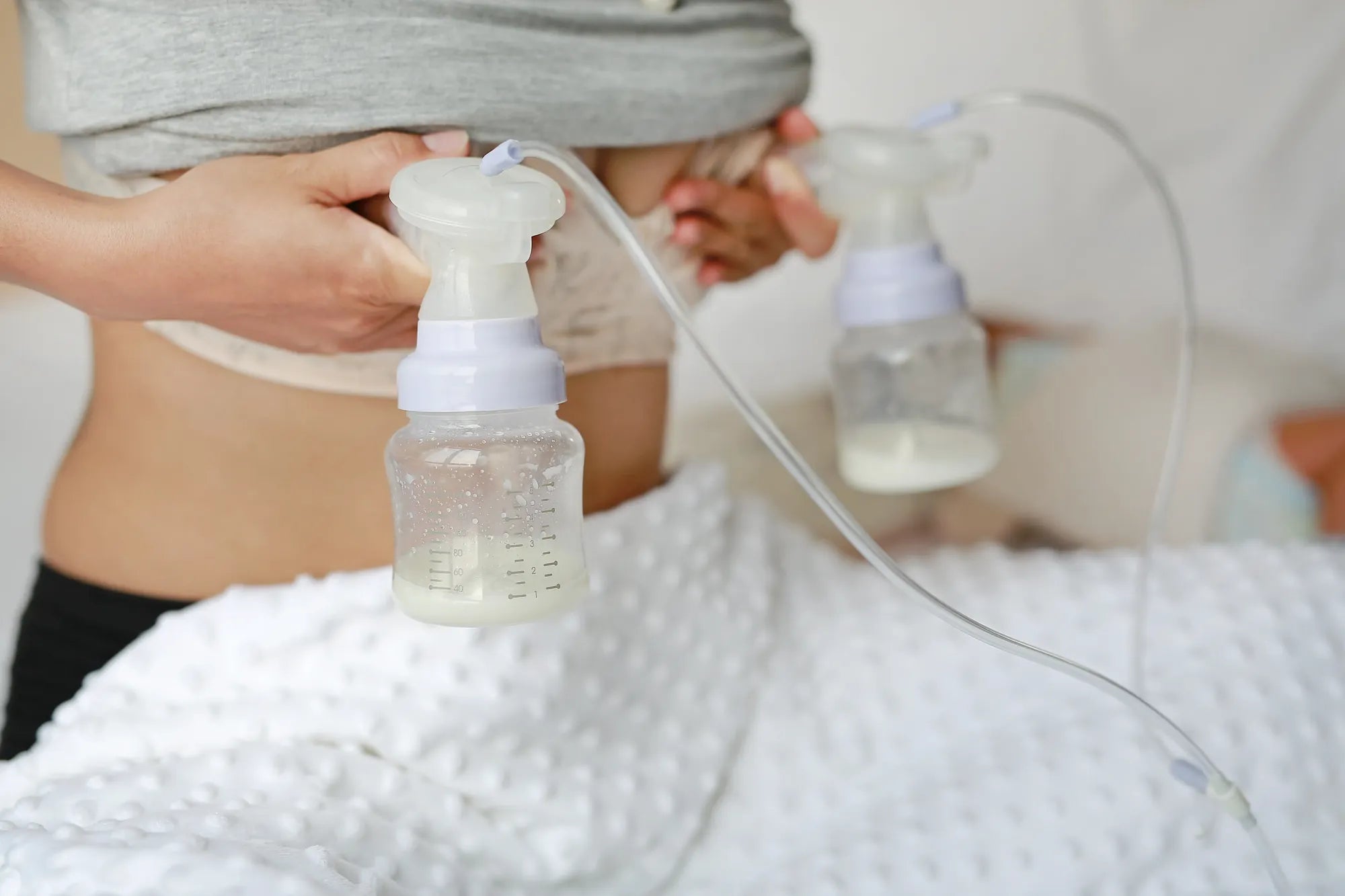
When to Start Pumping Breast Milk While Pregnant: A Comprehensive Guide
You're preparing for your baby's arrival, stocking the nursery, and reading everything you can. A common question arises: When to start pumping breast milk while pregnant? The short answer is that for most, routine pumping with an electric pump is not recommended during pregnancy. However, under specific medical guidance, hand expressing colostrum in the final weeks can be a valuable tool. This comprehensive guide will navigate the nuances of antenatal colostrum expression (ACE), separating evidence-based practice from myth, and help you prepare confidently for your postpartum breastfeeding and pumping journey.
Understanding Colostrum vs. Mature Milk: The Foundation
Before discussing timing, it's critical to understand what your body produces before and after birth. Colostrum, often called "liquid gold," is the first milk your breasts make, starting as early as the second trimester. It's a thick, concentrated fluid packed with antibodies, immune factors, and proteins designed to protect your newborn and act as a natural laxative to clear meconium.
Mature milk, which typically "comes in" 2-5 days postpartum, is thinner, whiter, and produced in much larger volumes to meet your growing baby's nutritional needs. The process of when to start pumping breast milk while pregnant almost exclusively refers to the careful, manual collection of colostrum, not using an electric pump to stimulate mature milk production, which is generally avoided during pregnancy due to the risk of unnecessary uterine contractions.
Potential Benefits of Antenatal Colostrum Expression (ACE)
When approved and guided by a healthcare provider, collecting colostrum in late pregnancy can offer several practical and psychological advantages. It's a proactive step for specific situations.
For Babies with Anticipated Feeding Challenges
Having a small stash of expressed colostrum can be invaluable if your baby may face initial difficulties latching or feeding. This includes babies diagnosed with conditions like cleft lip/palate, Down syndrome, or those born to mothers with gestational diabetes, who are at higher risk for hypoglycemia and may need immediate, easy-to-administer feeds.
For Building Maternal Confidence and Skill
Learning the technique of hand expression before you're also caring for a newborn reduces anxiety. It familiarizes you with your breasts, how to stimulate let-down, and how to handle colostrum. Knowing you have a small supply ready can provide immense peace of mind in those first hectic hours after birth.
Critical Safety Considerations and Contraindications
Antenatal expression is not a routine recommendation for all pregnant women. It is a medicalized intervention that requires clearance from your obstetrician or midwife. The primary concern is that nipple stimulation releases oxytocin, the hormone that can cause uterine contractions.
When to Absolutely Avoid Antenatal Expression
You should not attempt colostrum expression if you have a high-risk pregnancy, including a history of preterm labor, cervical insufficiency, placenta previa, or are carrying multiples (twins, triplets). Any vaginal bleeding or cramping during pregnancy also means you should stop and consult your provider immediately.
The Non-Negotiable First Step: Provider Consultation
Your care team will assess your individual pregnancy history and current status. They will provide personalized advice on if and when it is safe for you to begin, typically not before 36-37 weeks of gestation in a low-risk, term pregnancy.
A Step-by-Step Guide to Safe Hand Expression After 36 Weeks
If you have medical approval, here is a practical guide to gentle colostrum collection. Remember, the goal is collection, not volume—even a few drops are a success.
Optimal Timing and Technique
Begin once a day, perhaps after a warm shower when you're relaxed. Wash your hands thoroughly. Gently massage your breast in a circular motion. Then, using your thumb and forefinger in a "C" shape about an inch behind the nipple, press back towards your chest, then compress and release rhythmically. Avoid squeezing the nipple itself or sliding fingers along the skin.
Collection and Storage Protocols
Express directly into a sterile 1ml or 3ml syringe—ideal for small volumes. Label each syringe with the date and time. You can collect from both breasts in one session, aiming for 5-10 minutes total. Freshly expressed colostrum can be stored in the refrigerator for up to 48 hours. For longer storage, freeze syringes upright in a sealed container; antennally expressed colostrum is best used within 3 months in a standard freezer.
Planning for Postpartum: Choosing Your Breast Pump
While prenatal pumping is specialized, planning your postpartum pump is a key task for the third trimester. A high-quality, efficient pump is crucial for establishing and maintaining milk supply, especially if you plan to return to work or need to pump occasionally.
Why a Wearable Pump Like MomMed S21 is a Game-Changer
For new moms, convenience and discretion are paramount. A wearable, cord-free pump like the MomMed S21 Double Wearable Breast Pump allows you to pump hands-free while caring for your baby, working, or managing household tasks. This freedom can significantly reduce pumping stress and help you stick to your schedule, which is vital for supply.
Key Pump Features: Prioritizing Comfort and Efficiency
Look for a pump that mimics a baby's natural nursing pattern. The MomMed S21 offers multiple stimulation and expression modes with adjustable suction levels, allowing you to find the most comfortable and effective setting. Its ultra-quiet operation and BPA-free, food-grade silicone components ensure safety and discretion. Hospital-grade performance in a wearable format means you don't have to sacrifice power for portability.
Comparison: Hand Expression vs. Electric Pumping in Pregnancy
| Feature | Antenatal Hand Expression (After 36 wks) | Electric Pump Use During Pregnancy |
|---|---|---|
| Primary Goal | Collect small amounts of colostrum for specific needs. | Not recommended; can over-stimulate and induce contractions. |
| Medical Guidance | Essential - requires OB/midwife approval. | Generally contraindicated unless for rare, specific medical reasons. |
| Stimulation Level | Gentle, manual, and easily controlled. | Strong, automated, and difficult to modulate for pregnant physiology. |
| Typical Output | Drops to a few milliliters (mL). | Can yield more, but at significant risk. |
| Safety Profile | Safe for low-risk term pregnancies with guidance. | High risk of triggering preterm labor. |
Frequently Asked Questions (FAQ)
Will pumping while pregnant induce labor?
Gentle hand expression after 36-37 weeks in a low-risk pregnancy is unlikely to induce labor, which is why timing and approval are critical. However, nipple stimulation does release oxytocin, so it is never done in pregnancies at risk of preterm birth. Electric pumping provides stronger, sustained stimulation and carries a much higher risk.
How much colostrum can I expect to collect prenatally?
Manage your expectations—colostrum is produced in small volumes. You may collect only a few drops to 1-3 mL per session initially. Over a week or two, you might accumulate 10-30 mL total. This is perfectly normal and incredibly valuable, as newborns' stomachs are tiny (about the size of a cherry on day one).
Can I use my electric breast pump during pregnancy to prepare?
No. Using an electric breast pump during pregnancy is strongly advised against unless explicitly prescribed and monitored by your healthcare provider for a very specific reason (e.g., to induce lactation for adoption in a controlled manner). The risk of triggering contractions is too great.
If I collect colostrum, will it affect my milk supply later?
No evidence suggests that antenatal colostrum expression negatively impacts your mature milk supply. In fact, the practice of hand expression may make you more skilled at managing milk removal postpartum, which can benefit supply. Your milk production is driven by the placenta's delivery and frequent, effective removal of milk after birth.
What if I leak colostrum during pregnancy? Should I collect it?
Leaking is common and normal. You can certainly use a clean container or syringe to collect what leaks, but there is no need to actively try to express more at that moment unless you are in the approved late-stage window and have provider consent. Do not use pumps to try to increase leakage.
Empowering Your Journey with Knowledge and the Right Tools
The decision of when to start pumping breast milk while pregnant is nuanced, centering on safe colostrum collection rather than traditional pumping. Always prioritize a conversation with your healthcare provider above online advice. By understanding the differences between colostrum and mature milk, recognizing the safety protocols, and planning ahead for your postpartum needs with reliable equipment, you set the stage for a more confident breastfeeding experience. Investing in a comfortable, efficient pump like the MomMed S21 wearable pump means you're prepared to nourish your baby on your terms, wherever you are. Arm yourself with knowledge, partner with your care team, and choose tools that support your goals and your comfort.
Shop the MomMed collection at mommed.com for all your breastfeeding and pregnancy needs, from award-winning wearable pumps to essential baby care products, and embark on your motherhood journey with confidence and support.