


Startseite
Pregnancy, Breastfeeding, and Pumping: The Ultimate Guide for Moms
When Can You Start Breast Pumping: A Comprehensive Guide for New Moms
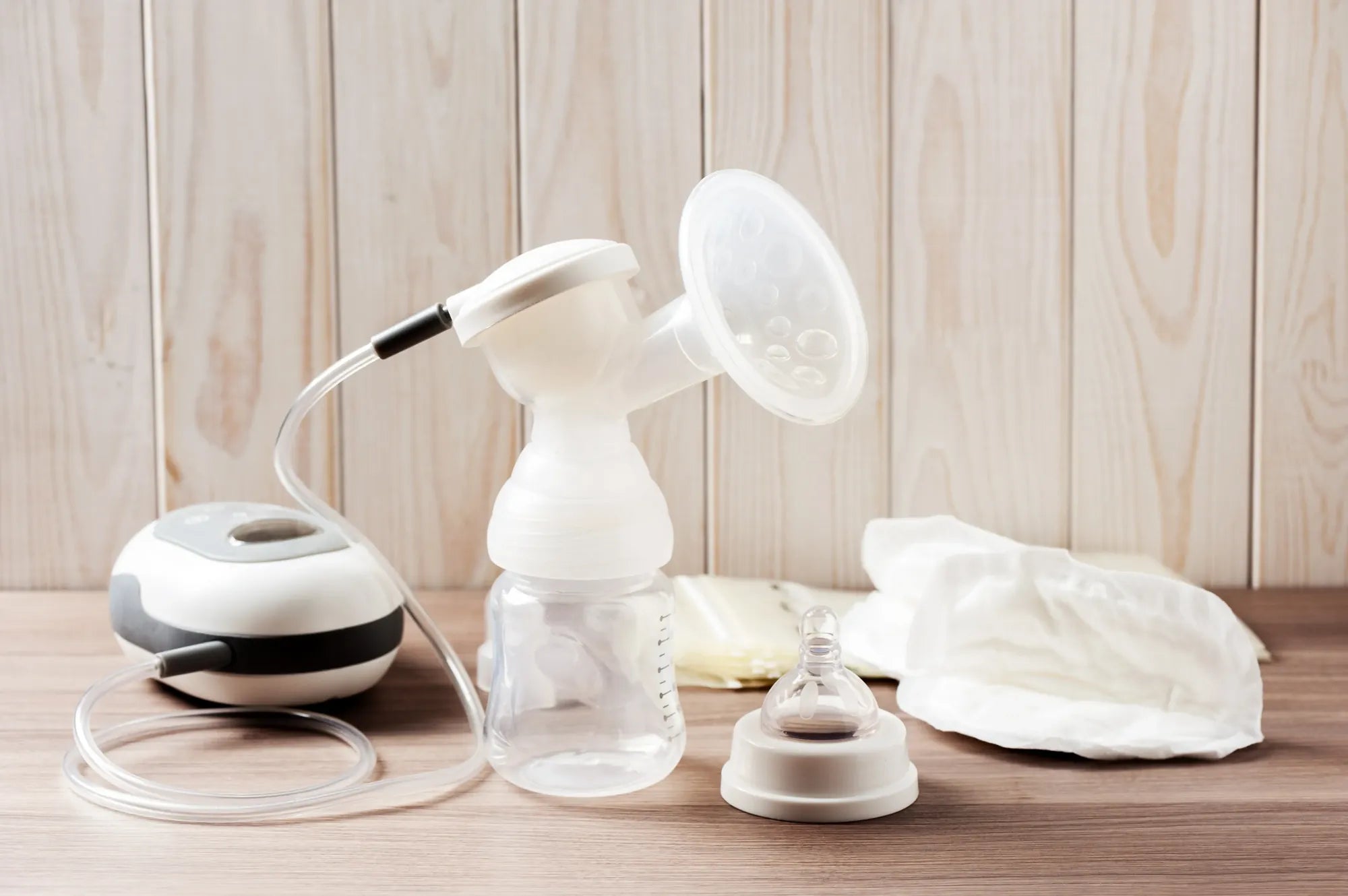
When Can You Start Breast Pumping: A Comprehensive Guide for New Moms
Introduction: Understanding the Right Time to Start Breast Pumping
Determining when you can start breast pumping is one of the most common and crucial questions for new and expecting mothers. The answer isn't one-size-fits-all; it depends significantly on your breastfeeding goals, your baby's health, and your personal circumstances. Starting at the optimal time can help establish a robust milk supply, create a feeding buffer, and provide invaluable flexibility. This guide will walk you through the evidence-based recommendations, key scenarios, and practical steps to begin your pumping journey with confidence.
When can you start breast pumping: a comprehensive guide must address both physiological timing and individual needs. Your body begins producing colostrum, the first milk, during pregnancy. However, introducing mechanical expression requires careful timing to support, not disrupt, the natural establishment of breastfeeding. We'll explore the golden rules for the early days and how to navigate different situations, from returning to work to managing latch challenges.
Understanding the "why" behind the timing is as important as the "when." Pumping too early without medical indication can sometimes lead to oversupply or nipple discomfort. Starting too late when separation is planned can create anxiety about having enough milk stored. This guide aims to eliminate that guesswork. You'll learn how to align your pumping start date with your unique feeding plan, ensuring you and your baby reap the full benefits of both direct breastfeeding and expressed milk.
The Golden Hour and Early Days: Establishing Your Milk Supply First
The first two weeks postpartum are a critical period for establishing a long-term milk supply. During this time, your body operates on a supply-and-demand system driven primarily by direct, frequent feeding and skin-to-skin contact. The hormone prolactin, which stimulates milk production, is most responsive in these early days. For mothers and healthy, full-term babies who are together, the primary recommendation is to prioritize direct breastfeeding on demand.
Introducing a pump before your milk fully "comes in" (typically around days 2-4) is generally not advised unless there's a specific medical reason. The initial colostrum is thick and small in volume, perfectly designed for your newborn's stomach. A baby's suck is uniquely efficient at removing this early milk and sending the right signals to your body. The primary goal is to establish a strong breastfeeding rhythm and ensure a deep, effective latch before introducing an artificial nipple, which can sometimes cause confusion.
This foundational period is about more than just milk transfer. Skin-to-skin contact regulates your baby's temperature, heart rate, and breathing while boosting your oxytocin levels—the "love hormone" crucial for milk ejection. Focusing on this bonding and learning process sets the stage for a successful dual feeding journey, whether you plan to pump occasionally or regularly. Think of these first weeks as calibrating your body's natural production system with your baby as the guide.
However, "waiting" doesn't mean being passive. Use this time to research and select your breast pump. Having it ready and understanding its features means you can start confidently when the time is right. Look for pumps known for comfort and effective simulation of a baby's nursing pattern, which is vital for protecting your supply when you do begin.
Key Scenarios: When to Consider Starting Breast Pumping
The ideal timeline for when you can start breast pumping shifts based on your specific life circumstances and your baby's needs. Here, we break down the most common scenarios with targeted guidance to help you make an informed decision.
If You and Baby Are Healthy and Together
For mothers with healthy, full-term babies who are breastfeeding well, the standard advice is to wait approximately 3 to 4 weeks before introducing regular pumping. This allows breastfeeding to be well-established, your milk supply to regulate based on baby's demand, and you to recover from birth. Your nipples also have time to adjust to the sensation of feeding.
Starting around this time allows you to begin building a modest freezer stash without signaling your body to overproduce. A good strategy is to pump once a day, ideally in the morning when milk volume is often highest, about 30-60 minutes after your baby's first feed. This collects the leftover milk comfortably and starts your stash. It also gets your baby accustomed to taking a bottle from another caregiver, which is a valuable skill for future flexibility.
If You Need to Be Separated from Baby (NICU, Medical Reasons)
This scenario requires the earliest possible start to pumping. If your baby is premature, in the NICU, or unable to latch due to a medical condition, you should begin expressing milk within 6 hours of birth. This is non-negotiable for initiating and maintaining your milk supply when direct feeding isn't possible.
In these cases, you'll start by hand-expressing colostrum, often called "colostrum harvesting," and then use a hospital-grade or high-quality double electric pump. The protocol typically involves pumping 8-12 times per 24 hours, mimicking a newborn's feeding frequency. This rigorous schedule is essential to build a full milk supply for when your baby is ready to feed. Consistency in these early days is the strongest predictor of long-term milk production success for NICU moms.
If You Are Planning to Return to Work
Strategic planning is key for working moms. Aim to begin pumping about 1-2 weeks before your scheduled return date. This buffer period serves multiple purposes: it allows you to practice using your pump without pressure, helps you build a small reserve of milk (about one day's worth is a great initial goal), and lets you adjust your body to the new routine of replacing missed feeds with pumping sessions.
During this practice week, try to pump at the times you will likely pump at work. This helps your body adapt to the new schedule. It also gives you time to troubleshoot any issues with flange fit, suction settings, or milk output in the comfort of your home. A wearable, hands-free pump can be particularly advantageous for this transition, allowing for easier integration into your pre-work routine.
If You Are Experiencing Latch Issues or Low Supply Concerns
If you're struggling with latch difficulties, painful feeding, or concerns about low milk supply, consult an International Board Certified Lactation Consultant (IBCLC) immediately. They may recommend starting to pump sooner rather than later as part of a therapeutic plan.
Pumping can serve two main functions here: it can provide expressed milk to ensure your baby gets adequate nutrition while latch issues are resolved, and it can help increase supply by providing additional stimulation. A common protocol is "power pumping" (simulating cluster feeding) or pumping for 10-15 minutes after most breastfeeding sessions. The key is to use a pump that empties the breast efficiently to send a strong "make more milk" signal to your body.
Choosing Your Pump: Features That Support Your Timing and Comfort
Selecting the right breast pump is not a minor detail; it's a critical factor in your success and comfort, especially when determining when you can start breast pumping. The right technology can make starting earlier feel manageable or make integrating pumping into a busy schedule seamless.
The Advantage of Wearable, Hands-Free Design
For modern mothers, flexibility is non-negotiable. Wearable breast pumps, like the MomMed S21 Double Wearable Breast Pump, revolutionize the pumping experience by allowing complete hands-free operation. This design is particularly beneficial when you start pumping, as it reduces the feeling of being "tethered" to a machine and lets you multitask—whether you're caring for an older child, working from home, or simply wanting to relax.
The discreet nature of wearable pumps also lowers the psychological barrier to starting. You can pump while making breakfast, answering emails, or going for a walk. This convenience encourages consistency, which is the cornerstone of building and maintaining milk supply. For moms starting to pump before returning to work, a wearable pump provides a realistic simulation of the mobility they'll need in the workplace.
Why Hospital-Grade Performance Matters from the Start
Efficient milk removal is the single most important mechanical factor in establishing and protecting your milk supply. Pumps with hospital-grade performance, characterized by strong, adjustable suction and a rhythm that mimics a baby's natural suckling pattern, ensure your breasts are emptied effectively. Inefficient pumping can lead to decreased supply, clogged ducts, or mastitis.
Pumps like the MomMed S21 are engineered with this in mind. Their ultra-quiet motors offer multiple stimulation and expression modes with adjustable suction levels. This allows you to find the perfect, comfortable setting that effectively triggers let-down and removes milk, which is crucial whether you're pumping for the first time or the hundredth. Effective removal from the start sends the correct hormonal signals to maintain production.
Safety and Comfort for You and Baby
Any product that comes into contact with your breast milk must meet the highest safety standards. All breast pump parts that touch milk should be made from BPA-free, food-grade materials. MomMed uses medical-grade, BPA-free silicone for all parts contacting milk, ensuring the safest possible collection for your newborn.
Comfort is equally important for sustainability. Look for pumps with soft, flexible flange inserts (like MomMed's silicone cushions) that massage rather than pull on the breast. A proper flange fit—where the nipple moves freely without rubbing the sides of the tunnel—is essential to prevent pain and damage. Starting with a comfortable, safe pump makes the entire process more positive and sustainable for the long term.
Building Your Routine: A Step-by-Step Guide to Begin Pumping
Once you've determined *when* you can start breast pumping, the next step is *how*. A gentle, structured approach reduces anxiety and sets you up for success.
Step 1: The First Session – Setting Expectations
For your inaugural pumping session, choose a time when you are relaxed and your baby is content or sleeping. Many moms find mornings ideal, as milk volume is often highest. Ensure your pump parts are clean and assembled correctly. Start with a low suction level on stimulation mode and increase only to a comfortable level—it should never be painful.
Don't be discouraged by volume. In the early weeks, you may only express a few teaspoons or ounces. This is completely normal. The goal of the first session is not to fill a bottle but to become familiar with the sensation and operation. Pump for about 15-20 minutes total, or for 2 minutes after the last drops of milk flow. Pair pumping with something pleasant, like watching a show or listening to a podcast, to help with relaxation and let-down.
Step 2: Integrating Pumping into Your Daily Schedule
Consistency is more important than frequency when you're beginning. Start by adding one pumping session per day at roughly the same time. Here are two sample schedules for different goals:
- For Building a Stash: Pump once daily, 30-60 minutes after your baby's first morning feed. This leverages natural higher prolactin levels and often captures surplus milk without impacting the next direct feed.
- For Replacing a Feed (e.g., before work): Choose a feed that your partner or caregiver will eventually give. Breastfeed your baby, then pump at the time of that future missed feed to tell your body to make milk for that session.
The portability of a wearable pump makes this integration seamless. You can pump while preparing dinner or during your baby's tummy time, making it feel less like a separate, burdensome task.
Step 3: Storing Your Liquid Gold Safely
Proper storage preserves the nutritional and immunological properties of your milk. Follow evidence-based guidelines:
| Storage Location | Temperature | Duration for Fresh Milk |
|---|---|---|
| Room Temperature | Up to 77°F (25°C) | Up to 4 hours |
| Refrigerator | 39°F (4°C) or below | Up to 4 days |
| Freezer (with separate door) | 0°F (-18°C) or below | Up to 12 months (6 months is optimal) |
Always use clean, food-grade storage bags or containers. Label them with the date and volume. Thaw frozen milk overnight in the refrigerator or by placing the sealed container in warm water. Never microwave breast milk, as it destroys nutrients and creates dangerous hot spots.
Frequently Asked Questions (FAQs) on Starting to Pump
Q: Can I pump before my milk comes in?
A: Yes, but this is typically reserved for specific situations. If your baby is in the NICU or you have been advised to do "colostrum harvesting" in late pregnancy for medical reasons, you can hand-express or use a very gentle pump setting. For most mothers with healthy babies, waiting until milk transitions from colostrum to mature milk (around day 2-4) is recommended to avoid unnecessary nipple stress.
Q: Will pumping decrease my milk supply for direct breastfeeding?
A> No, not if done correctly. Pumping *in addition to* regular feeds signals your body to produce more milk, potentially increasing overall supply. The key is to ensure the pump empties the breast effectively. A high-quality pump like the MomMed S21, with settings that mimic a baby's natural rhythm, supports—rather than hinders—your breastfeeding relationship by ensuring efficient milk removal.
Q: How long should my first few pumping sessions be?
A: Aim for 15-20 minutes per breast, or pump for about 2 minutes after the last drops of milk are seen. Focus on comfort and learning your pump's settings rather than achieving a specific volume. It's more about establishing the routine and signaling to your body than the output in these early sessions.
Q: Is it okay to only pump on one side?
A: Double pumping is generally more efficient, as it saves time and leverages let-down reflexes in both breasts simultaneously. However, single pumping is perfectly fine, especially if you're using a wearable pump and need one hand free to hold your baby. Just remember to pump from the other breast at the next session to maintain supply balance.
Q: How do I know if my flange size is correct?
A: Your nipple should move freely in the tunnel without rubbing the sides. Only the nipple and a small amount of areola should be drawn in. Signs of a wrong size include blanching (whitening) of the nipple, pain during pumping, or redness and swelling. Most pumps come with a standard 24mm flange, but many women need a different size. MomMed offers multiple flange size options to ensure a custom, comfortable fit.
Conclusion: Empowering Your Feeding Journey with Confidence
The question of when you can start breast pumping is deeply personal, intertwined with your health, your baby's needs, and your life's rhythm. Whether you begin within hours of birth for a NICU baby or at the one-month mark to build a freezer stash, the principles remain the same: prioritize effective milk removal, ensure comfort and safety, and be consistent. Listening to your body and your baby, while leveraging modern, supportive tools, transforms pumping from a daunting task into an empowered choice.
Your feeding journey is yours to design. With the right knowledge and equipment, you can navigate the start of pumping with assurance, knowing you're making the best decision for your family's well-being. Trusted by thousands of moms, MomMed is committed to supporting you with innovative, comfortable, and reliable products—like our award-winning S21 Wearable Pump—that fit seamlessly into your life. You have the power to provide for your baby in the way that works best for you.
Ready to begin with confidence? Shop the MomMed collection at mommed.com for all your breastfeeding and pregnancy needs, from wearable pumps and nursing bras to prenatal vitamins and baby care essentials.