


Startseite
Pregnancy, Breastfeeding, and Pumping: The Ultimate Guide for Moms
Should I Pack Breast Pump in Hospital Bag? Essential Guide for New Moms
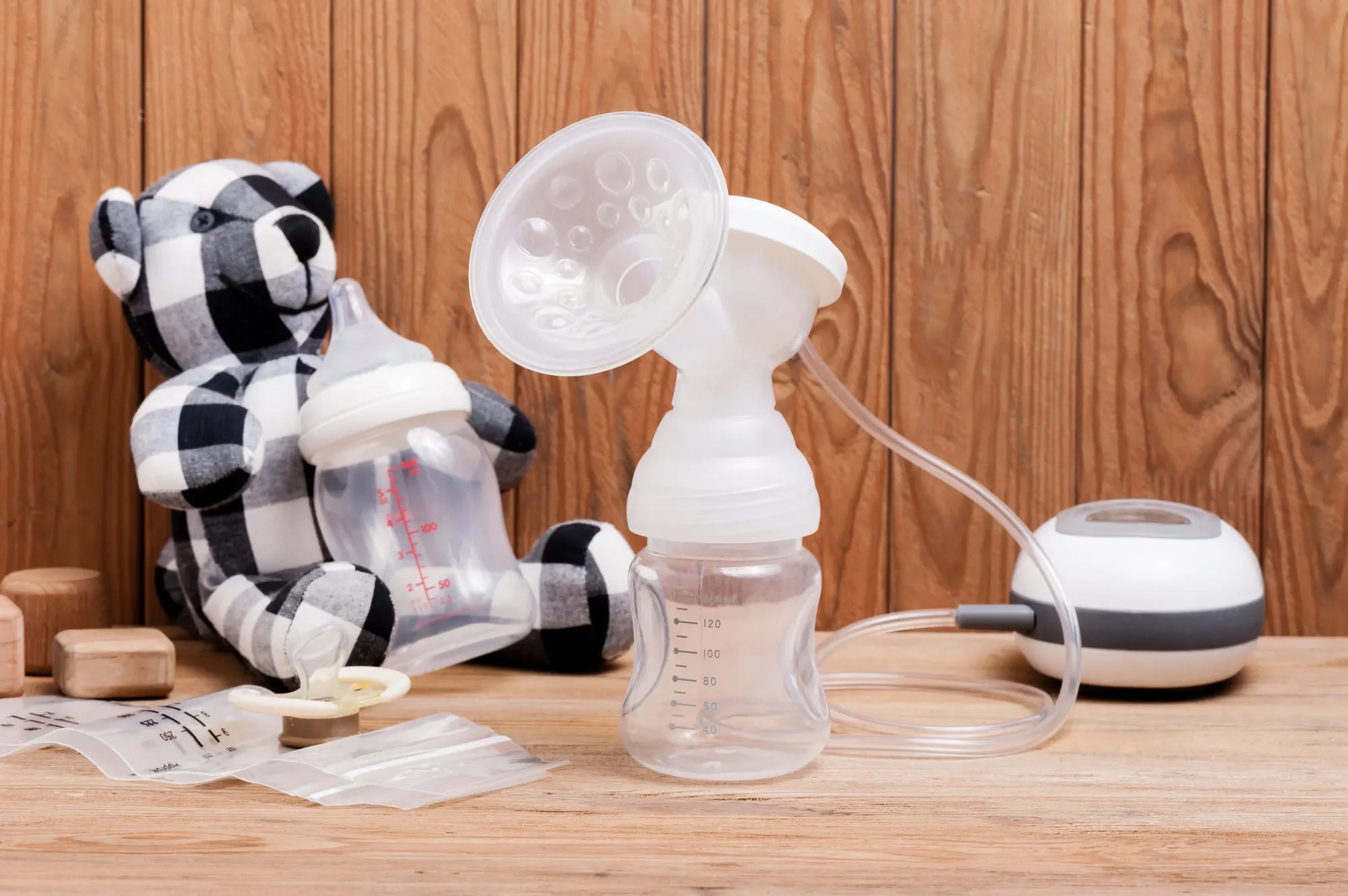
Should I Pack Breast Pump in Hospital Bag? Essential Guide for New Moms
Packing your hospital bag brings a whirlwind of questions, but one of the most common and consequential is: Should I pack a breast pump in my hospital bag? This essential guide for new moms cuts through the noise with a clear, evidence-based framework. You'll learn the specific scenarios where having your own pump is invaluable, when relying on the hospital's equipment makes sense, and exactly what to pack in your breastfeeding toolkit to ensure a confident, comfortable start, whether you're planning to breastfeed, pump, or do both.
Why the Breast Pump Decision Matters for Your Early Feeding Journey
The first 24 to 72 hours postpartum are a critical window for establishing your milk supply and your confidence as a feeding parent. Your body is primed to respond to stimulation, whether from your baby's latch or a pump. The tools and support you have during this time can significantly impact your comfort and long-term feeding goals.
Making an informed decision about your pump helps reduce anxiety. It ensures you're prepared for various feeding scenarios, from a sleepy newborn who isn't latching effectively to the sudden discomfort of engorgement when your milk "comes in." This isn't just about having a piece of equipment; it's about having agency and a plan during a vulnerable and transformative time.
Furthermore, the early days are about learning. Whether you use a hospital-grade pump or your personal one, having guidance from lactation consultants on flange fit and pumping technique from the start sets a strong foundation. The question of should I pack breast pump in hospital bag is ultimately about what will make you feel most supported and prepared for this learning curve.
The Case For: Compelling Reasons to Pack Your Breast Pump
Bringing your own breast pump, particularly a modern wearable model, offers distinct advantages that can tailor your postpartum experience to your personal needs and comfort.
For Initiating or Supporting Milk Supply
Early and frequent stimulation is key to signaling your body to produce milk. If your baby is in the NICU, is too sleepy to feed effectively, or has difficulty latching, using your pump within the first few hours can be crucial. It helps you harvest colostrum, often called "liquid gold," which can be fed to your baby via syringe or bottle.
This proactive approach is often recommended by lactation professionals to establish a robust milk supply from the outset. Having your own familiar, comfortable pump on hand means you can begin this process immediately, without waiting for hospital equipment.
For Immediate Comfort and Engorgement Relief
When your transitional milk comes in, typically around days 2-4, engorgement can be intense and painful. A breast pump is an effective tool for gently removing just enough milk to soften the breast, making it easier for your baby to latch. It can provide relief much faster than hand expression alone.
Using your own pump allows for on-demand comfort management. You can address fullness quickly, which can also help prevent issues like clogged ducts and mastitis in the early days.
For Building a Small Stash and Partner Involvement
Pumping colostrum and early milk allows your partner or support person to participate in feeding. This can be incredibly bonding for them and provides you with crucial windows of uninterrupted sleep, which is vital for recovery and milk production.
Having a small stash of expressed milk also alleviates the anxiety many new moms feel about whether their baby is getting enough. It serves as a tangible backup plan, offering immense psychological comfort during the learning phase of breastfeeding.
The Case Against: When to Rely on the Hospital's Equipment
A balanced view requires acknowledging the valid reasons why many moms choose not to pack their primary pump, opting instead for the resources provided by the hospital.
Hospital-Grade Pump Availability and Power
Most labor and delivery wards have hospital-grade, multi-user pumps available for patient use. These pumps, like the Medela Symphony, are powerful, efficient, and designed specifically for establishing milk supply. They are an excellent, no-cost option during your stay.
For moms who are unsure about their long-term pumping needs or who want to try a clinical-grade pump before investing in more frequent use, this is a perfect opportunity. The motor stays at the hospital, and you only use your own collection kit.
Expert Guidance on Proper Technique
Using the hospital's pump under the direct supervision of a lactation consultant (IBCLC) is a significant advantage. They can ensure you're using the correct flange size—a critical factor for comfort and output—and teach you effective pumping rhythms and settings.
This expert tutorial can then be applied when you use your personal pump at home. It turns the hospital stay into a hands-on learning session with professional support.
Minimizing Luggage and Simplifying Your Stay
Packing for the hospital can feel overwhelming. For a typical 24-48 hour vaginal delivery stay, the desire to travel light is understandable. Relying on the hospital's pump means one less bulky item to remember, pack, and keep track of during admission and discharge.
This allows you to focus your packing space on other postpartum essentials and personal comfort items that the hospital won't provide.
What to Pack Instead: Your Essential Hospital Breastfeeding Toolkit
Whether you bring the main pump motor or not, these items are non-negotiable for a comfortable and prepared hospital feeding experience.
A High-Quality Hands-Free Pumping Bra
This is arguably the most important item in your bag. A hands-free bra allows you to pump without holding bottles to your chest, enabling you to use your phone, drink water, or even do light massage to improve output. This is essential whether you're using a hospital pump or a wearable like the MomMed S21.
Your Personal Pump Parts and Correctly Sized Flanges
Even if you use the hospital's pump motor, you will need your own collection kit (tubing, bottles, valves, diaphragms) for hygiene reasons. Most importantly, pack your correctly sized flanges. Hospital pumps often come with standard 24mm or 27mm flanges, which are too large for most people and can cause pain and reduced output. Using your properly fitted flanges from day one is a game-changer.
Nipple Care, Cooling Pads, and Milk Storage
Pack a tube of purified lanolin or a hospital-approved nipple cream. Also include hydrogel or cooling pad inserts to soothe tender nipples after feeding or pumping. Don't forget a small pack of breast milk storage bags or sterile collection bottles with lids to safely store any precious colostrum you express.
The MomMed Advantage: Why a Wearable Pump is Ideal for Hospital & Home
For moms considering packing a pump, a wearable model like those from MomMed offers unique benefits that bridge the gap between hospital and home life seamlessly. As a trusted maternal care brand specializing in BPA-free, innovative breastfeeding products, MomMed designs with a new mom's real-world needs in mind.
Discreet, Hands-Free Comfort from the First Feed
The in-bra, cordless design of the MomMed S21 Double Wearable Breast Pump means you are not tethered to a wall outlet or a bulky machine. You can pump while cuddling your baby, eating a meal, or resting in bed—maximizing precious downtime in the hospital. This autonomy promotes better rest and bonding from the very beginning.
Ultra-Quiet Operation for a Peaceful Environment
Hospital rooms are spaces for recovery. The ultra-quiet motors in MomMed wearable pumps operate discreetly, ensuring you don't disturb your resting baby, your own peace, or a potential roommate. This privacy and quiet can make the early, sometimes awkward, pumping sessions feel more comfortable and controlled.
Seamless Transition to Home Life
Mastering a simple, portable pump like the award-winning MomMed S21 at the hospital builds immediate confidence. You learn its settings and rhythm with lactation support, so when you go home to the often chaotic first days, you have one less new thing to figure out. The same comfortable, effective pump you used in the hospital is ready to go in your living room, kitchen, or car.
Hospital Pump vs. Personal Wearable Pump: A Comparison
| Feature | Hospital-Grade Pump (e.g., Medela Symphony) | Personal Wearable Pump (e.g., MomMed S21) |
|---|---|---|
| Primary Use Case | Establishing supply, clinical use, rental | Daily personal use, portability, discretion |
| Portability | Very low (stationary, requires outlet) | Very high (cordless, in-bra) |
| Noise Level | Moderate to loud | Ultra-quiet |
| Cost During Hospital Stay | Typically provided at no charge | Requires personal purchase |
| Transition to Home | Requires switching to a different pump | Seamless; you use the same device |
| Best For | Moms wanting maximum power with expert guidance, those with preterm/NICU babies | Moms valuing autonomy, comfort, and an easy start for home pumping |
Your Decision Checklist: Should YOUR Breast Pump Go in the Bag?
Answer these questions to personalize your decision on should I pack breast pump in hospital bag:
- Birth Plan & Health: Are you anticipating a cesarean delivery, or have conditions like PCOS or diabetes that may affect milk supply? If yes, packing a pump for early stimulation is wise.
- Baby Factors: Is there a known possibility of NICU admission (e.g., twins, preterm)? If yes, packing your pump is highly recommended.
- Personal Comfort: Does the idea of figuring out unfamiliar hospital equipment cause you anxiety? If yes, the comfort of your own pump is valuable.
- Pumping Goals: Do you plan to be an exclusive pumper or return to work quickly? If yes, starting with your own pump establishes routine.
- Logistics: Do you own a wearable, portable pump that is easy to pack? If yes, the barrier to bringing it is low.
- Support System: Is your partner eager to participate in feeds early on? If yes, having a pump to express milk facilitates this.
Frequently Asked Questions (FAQ)
1. Will the hospital have a pump I can use?
Yes, almost all hospitals have hospital-grade multi-user pumps available for patients. You will need your own collection kit (flanges, bottles, tubing) for hygiene reasons. Always call your specific hospital's maternity ward to confirm their policy.
2. What if my baby is born early or needs NICU care?
If your baby is in the NICU, establishing your milk supply through pumping is critical. You will likely use the hospital's pump initially, but having your own portable pump ready for when you're not at the hospital is essential. Many NICU moms find wearable pumps invaluable for maintaining supply while managing time away from the unit.
3. I want to breastfeed directly. Why would I need a pump at the hospital?
Even with direct breastfeeding goals, a pump can be useful for relieving engorgement, softening the breast to help baby latch, or collecting milk so a partner can do a feeding, allowing you a longer stretch of sleep. It's a supportive tool, not just for exclusive pumping.
4. How do I know what flange size to pack?
Measure your nipple diameter (not the areola) in millimeters before you go to the hospital. Your flange should typically be 0-4mm larger than this measurement. Most women need sizes between 17mm and 21mm, not the standard 24mm/27mm. Brands like MomMed offer multiple flange sizes with their pumps to help you find the right fit.
5. Can I use my wearable pump as my primary pump from the start?
Many modern wearable pumps, like the MomMed S21, are designed with strong, efficient motors suitable for establishing and maintaining a full supply. However, if you have specific risk factors for low supply, some lactation consultants may recommend starting with a hospital-grade pump for the first few days before transitioning to your wearable.
Empowering Your Choice with Confidence and Support
The decision of should I pack breast pump in hospital bag has no universal answer, but being informed empowers you to make the best choice for your unique journey. Whether you prioritize the raw power of a hospital-grade pump with expert guidance or the discreet autonomy of a personal wearable like MomMed's, the goal is the same: a confident, comfortable, and supported start to feeding your baby. Your peace of mind is a critical component of postpartum recovery. By packing a well-considered breastfeeding toolkit—including essentials like a hands-free bra, proper flanges, and care items—you set the stage for success, regardless of the path your first days take. Remember, the right tools are those that make you feel capable and calm as you step into your new role.
Shop the MomMed collection at mommed.com for all your breastfeeding and pregnancy needs, from the award-winning S21 Wearable Breast Pump to comfortable nursing bras and essential baby care products, all designed with your safety and comfort in mind.