


Startseite
Pregnancy, Breastfeeding, and Pumping: The Ultimate Guide for Moms
How to Store Breast Milk After Pumping Overnight Safely: The Ultimate Guide
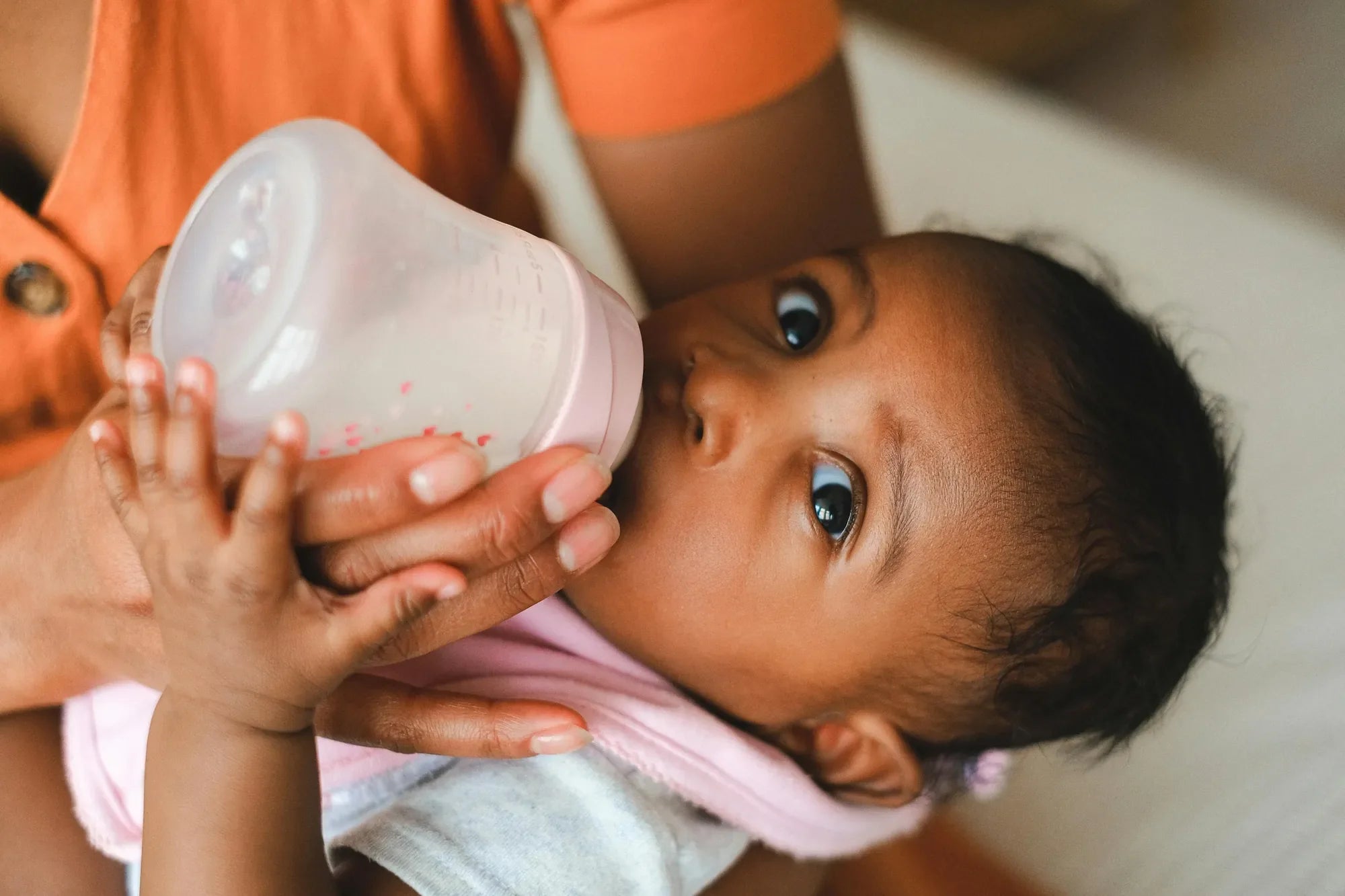
How to Store Breast Milk After Pumping Overnight Safely: The Ultimate Guide
Introduction: Mastering Overnight Milk Storage for Restful Nights and Healthy Days
Pumping breast milk in the quiet hours of the night or early morning is a common reality for nursing mothers, whether you're building a stash, managing engorgement, or feeding a partner-tended bottle. The challenge of handling this liquid gold while sleep-deprived makes understanding safe storage protocols not just helpful, but essential. How to store breast milk after pumping overnight safely is a critical skill that protects your baby's health and preserves the irreplaceable antibodies, fats, and nutrients in your milk.
This guide provides a clear, actionable roadmap based on the latest guidelines from the Centers for Disease Control and Prevention (CDC) and the American Academy of Pediatrics (AAP). We'll demystify the process, from the immediate post-pump cool-down to long-term freezer storage, giving you the confidence to handle overnight milk with precision. Our goal aligns with MomMed's mission: to empower mothers with reliable, practical knowledge and innovative products that support every step of the feeding journey, turning a potentially stressful task into a seamless part of your routine.
The Golden Rules: Safe Storage Guidelines for Breast Milk
Before diving into overnight specifics, you must internalize the foundational storage rules. These timelines are not suggestions; they are evidence-based standards to minimize bacterial growth and maximize nutritional integrity. Adhering to them is your first line of defense in safeguarding your baby.
The core guidelines differentiate storage based on temperature and container cleanliness. Freshly expressed breast milk can be kept at room temperature (up to 77°F or 25°C) for no more than 4 hours. However, for optimal safety, especially with overnight milk when room conditions can vary, refrigerating or cooling it immediately is the gold standard.
Once in the refrigerator (at 40°F or 4°C or below), breast milk is safe for up to 4 days, though using it within 3 days is often recommended for peak quality. For long-term storage, a freezer is your best ally. Milk stored in a freezer compartment inside a refrigerator is safe for 2 weeks. A separate deep freezer at 0°F (-18°C) or colder can preserve milk for 6 to 12 months.
Why Proper Storage Matters: Protecting Nutrients and Preventing Bacteria
Breast milk is a dynamic, living substance teeming with beneficial components like leukocytes (white blood cells), immunoglobulins (antibodies), probiotics, and digestive enzymes. Improper storage can degrade these elements. Correct, rapid cooling slows bacterial growth exponentially, preserving the milk's safety and its complex nutritional profile.
The risks of improper storage are twofold. First, bacterial contamination can lead to spoilage and potential illness for your baby. Second, even if no harmful bacteria proliferate, slow cooling or temperature fluctuations can cause lipase—an enzyme in your milk—to start breaking down fats more quickly, potentially leading to a soapy smell or taste. While this milk is usually safe, some babies may reject it. Following strict protocols ensures the milk your baby drinks is as nutritious and palatable as when it was expressed.
Your Step-by-Step Guide to Storing Overnight Pumped Milk
Let's translate those rules into a concrete, chronological action plan for a typical overnight pumping session. This step-by-step process minimizes risk and maximizes efficiency when you're operating on minimal sleep.
Step 1: Preparation is Key – Before You Pump
Success begins before you even turn on your pump. Always start with thoroughly washed hands. Assemble clean, sanitized pump parts. MomMed breast pumps, like the S21 Double Wearable, use BPA-free, food-grade silicone in all parts that contact milk, ensuring a safe foundation. Have your storage containers ready—whether you prefer sterilized hard-sided bottles or pre-sterilized breast milk bags. Crucially, label your container with the date and time of expression before you begin pumping. Doing this first prevents any forgetful mix-ups later.
Step 2: The Immediate Cool-Down – Handling Freshly Pumped Milk
Once pumping is complete, act quickly. If you pumped directly into a bottle, seal it with a tight-fitting lid. If using a bag, express air carefully, seal it, and lay it flat. The goal is to lower the milk's temperature to refrigeration levels (40°F) as soon as possible. You can place the sealed container directly in the back of the refrigerator, where it's coldest.
A common question is about combining milk from the same session. Yes, you can combine milk pumped from both breasts during a single pumping session. However, a critical rule is to only combine milk that has been cooled to the same temperature. Do not add warm, freshly pumped milk to a container of already chilled or frozen milk, as this can raise the temperature of the stored batch and promote bacterial growth.
Step 3: Refrigeration vs. Freezing – Making the Right Choice Overnight
Your decision here depends on your feeding plan. If you intend to use the milk within the next 3-4 days, refrigeration is best. It preserves the highest levels of live antibodies and is simpler. Store the milk toward the back of the fridge, not in the door where temperatures fluctuate.
If you are building a stash for later use, freezing is the answer. When using bags, leave about an inch of space at the top to allow for expansion as the milk freezes. Lay bags flat on a freezer shelf to freeze; once solid, they can be organized vertically in a bin or box. Always practice the "first in, first out" (FIFO) method: place newly frozen milk behind older milk so you use the oldest stash first.
Special Considerations for Overnight Storage
Nighttime pumping presents unique scenarios that require specific, safe strategies. Here’s how to navigate common dilemmas.
Can I Store Milk Pumped at Room Temperature Overnight?
The answer is a definitive no. The "4-hour rule" for room temperature storage is a maximum limit, not a target. Leaving milk on a nightstand for 6-8 hours while you sleep is unsafe, as bacteria can multiply to dangerous levels. Even if you're exhausted, the non-negotiable step is to place the milk in the refrigerator or a dedicated cooler immediately after pumping. Consider keeping a small fridge or a high-quality cooler with ice packs in your bedroom for this exact purpose.
The "Chill Then Combine" Method for Multiple Night Sessions
If you pump twice in one night (e.g., at 1 AM and again at 4 AM), you can combine the milk into one storage container, but you must follow the "chill then combine" protocol. Cool the first batch in the refrigerator in its own sealed container. After your second pumping session, chill that new milk separately in the fridge for at least 30-60 minutes. Once both batches are cold (at the same temperature), you can then pour them together into one container for freezing or continued refrigeration. Remember to label with the date of the oldest milk.
Transporting Night Milk to the Fridge: Tips for Sleepy Safety
To minimize trips to the kitchen, a practical short-term solution is to use an insulated cooler bag with a reliable ice pack placed by your bedside. Immediately after pumping, place the sealed milk container in this cooler. This keeps it safely chilled for several hours, allowing you to transfer all night's milk to the main refrigerator in the morning. This is for temporary holding only—the clock for refrigerator storage starts once the milk is in the proper fridge.
Thawing and Using Your Overnight Stash Safely
The final step is safely preparing stored milk for feeding. The best method for thawing frozen breast milk is to place the bag or bottle in the refrigerator for 12-24 hours. For quicker thawing, hold the sealed container under cool running water, gradually increasing to warm water. Never use hot water or a microwave, as this can create dangerous hot spots that can scald your baby and destroy precious proteins and antibodies.
Once thawed, gently swirl (don't shake vigorously) to reincorporate the separated fat layers. Thawed milk can be kept in the refrigerator for up to 24 hours. It is safe to feed cool, room-temperature, or gently warmed milk based on your baby's preference. Any leftover milk from a feeding should be used within 2 hours or discarded.
Breast Milk Storage: Method Comparison Table
| Storage Method | Temperature | Safe Duration | Best For | Key Consideration |
|---|---|---|---|---|
| Room Temperature | Up to 77°F (25°C) | Up to 4 hours | Immediate next feeding | Not suitable for overnight. Avoid if room is warm. |
| Insulated Cooler with Ice Packs | 59°F (15°C) or below | Up to 24 hours | Transport/temporary overnight hold | Ice packs must remain frozen. A short-term solution. |
| Refrigerator | 40°F (4°C) or below | Up to 4 days | Milk to be used within the week | Store at the back, not in the door. Optimal for nutrient retention. |
| Freezer (compartment inside fridge) | Varies, but generally not colder than 5°F (-15°C) | 2 weeks | Very short-term freezing | Temperature fluctuates with door openings. |
| Deep Freezer (Standalone) | 0°F (-18°C) or colder | 6-12 months | Long-term stash building | Maintains best quality for longest time. Label clearly. |
FAQ: Your Overnight Storage Questions, Answered
Q: Can I refreeze thawed breast milk?
A: No. Do not refreeze breast milk once it has been completely thawed. Bacteria can begin to grow during the thawing process. If you thaw milk in the refrigerator and do not use it, you can keep it there for up to 24 hours, but do not return it to the freezer.
Q: How can I tell if my overnight breast milk has gone bad?
A: Trust your senses. Spoiled breast milk often has a distinct sour or rancid odor, similar to spoiled cow's milk. Visually, it may remain somewhat separated, but if gentle swirling doesn't reintegrate it and it looks curdled or chunky, it's best to discard it. When in doubt, err on the side of caution and throw it out.
Q: Does storing milk in the freezer destroy its nutrients?
A: Freezing is an excellent preservation method. It retains the vast majority of breast milk's nutritional value, including calories, fats, and most vitamins. There can be a slight reduction in the activity of some live components, like certain white blood cells and antibodies, over extended time. However, frozen breast milk remains far superior in immune protection and nutrition to infant formula.
Q: I use a wearable pump overnight. Are there special storage steps?
A: The storage rules are the same regardless of pump type. The advantage of a wearable pump like the MomMed S21 is its quiet, discreet operation and closed system, which helps prevent milk backflow into tubing. After pumping, simply detach the collection cups or bottles, seal them with their lids (which often double as storage containers), and proceed with immediate cooling as you would with any other pump.
Q: What's the best way to label overnight milk?
A> Be specific. Include the date and exact time of expression (e.g., "3/15/2024, 3:00 AM"). Also, consider adding the volume. Use waterproof labels or a permanent marker designed for freezer use. This prevents confusion and ensures you use the oldest milk first, which is crucial for safety and quality.
Conclusion: Confidence and Convenience for Your Feeding Journey
Mastering the art of storing breast milk after pumping overnight safely transforms a potential point of anxiety into a routine you can perform with confidence. The key pillars are immediate cooling, strict adherence to evidence-based timelines, and meticulous labeling. By following this guide, you are taking powerful steps to protect your baby's health and ensure they receive the full benefit of your nourishing milk, no matter the hour.
This process is a cornerstone of your feeding journey, and having reliable tools makes all the difference. MomMed is committed to supporting you with innovative, thoughtfully designed products that prioritize both safety and convenience. From our ultra-quiet, wearable S21 breast pump that allows for more restful overnight sessions to our BPA-free storage accessories, we aim to empower you at every stage. With knowledge as your guide and trusted products at hand, you can navigate nighttime pumping and storage with assurance, securing precious nourishment for your baby and precious rest for yourself.
Shop the MomMed collection at mommed.com for all your breastfeeding and pregnancy needs, and discover tools designed to simplify your journey with confidence.