


Startseite
Pregnancy, Breastfeeding, and Pumping: The Ultimate Guide for Moms
How to Increase Breast Milk When Only Pumping: A Complete Guide
How to Increase Breast Milk When Only Pumping: A Complete Guide
Introduction: Mastering Milk Supply Through Exclusive Pumping
Exclusive pumping (EP) is a dedicated, often demanding, journey to provide breast milk without direct nursing. Whether due to a baby's latch difficulties, a NICU stay, a return to work, or personal choice, EP requires a specific set of strategies to establish and protect your milk supply. This guide delivers a comprehensive, science-backed roadmap filled with proven techniques to increase breast milk when only pumping. You will learn how to optimize your pumping schedule, enhance your technique, choose supportive equipment, and integrate crucial lifestyle habits to maximize output and maintain your well-being.
Understanding Your Milk Supply: The Science of Pumping
Lactation operates on a core principle: supply meets demand. The more milk is removed from your breasts, the more your body is signaled to produce. However, a breast pump is a mechanical substitute for a baby, and understanding this difference is key to increasing breast milk when only pumping.
Two primary hormones govern milk production. Prolactin stimulates the alveoli in your breasts to create milk. Its levels peak in response to nipple stimulation and milk removal. Oxytocin triggers the "let-down" reflex, causing the milk to eject from the alveoli into the ducts. Stress, pain, and anxiety can inhibit oxytocin, making effective milk removal challenging.
Unlike a baby who nurses with variable suction and comfort, a pump provides a consistent, rhythmic pattern. Effective pumping hinges on triggering multiple let-downs per session to fully drain the breast. Incomplete drainage signals your body to slow production. Therefore, the goal of any strategy to increase breast milk when only pumping is to maximize the frequency and completeness of milk removal, thereby sending strong, consistent signals to your prolactin and oxytocin systems.
The Exclusive Pumping Foundation: Schedule, Technique, and Gear
The cornerstone of a robust milk supply for EP moms is a triad of consistency, effective technique, and reliable equipment. Mastering these elements is non-negotiable for anyone looking to increase breast milk when only pumping.
Establishing Your Pumping Schedule: Frequency is Everything
In the critical first 12 weeks postpartum, your body is calibrating its milk factory. To establish a full supply, you must mimic a newborn's feeding frequency. Aim for 8 to 12 pumping sessions per 24 hours, including at least one session overnight when prolactin levels are naturally higher. Consistency trains your body to expect and meet demand.
As your supply regulates, you may reduce sessions slightly, but most EP moms maintain 5-7 sessions per day to keep supply steady. Never go longer than 4-5 hours without pumping during the day. A sample maintaining schedule could be 6 AM, 10 AM, 2 PM, 6 PM, and 10 PM. To increase breast milk when only pumping, consider adding a "power pumping" session—a technique that mimics cluster feeding by pumping for 20 minutes, resting for 10, pumping for 10, resting for 10, and pumping for a final 10 minutes (totaling 1 hour).
Optimizing Your Pumping Technique: Hands-On Pumping
Passively sitting with flanges attached is often insufficient. Hands-on pumping (HOP), popularized by Stanford researchers, can increase output by up to 48%. Before pumping, gently massage your breasts from the chest wall toward the nipple. During pumping, use breast compression: once milk flow slows, compress and hold for a few seconds, release, and repeat around the breast.
Ensure you are using the correct flange size. A flange that is too large or small can reduce output and cause pain. Your nipple should move freely in the tunnel without rubbing, and only a small amount of areola should be pulled in. Pump for 2-3 minutes after the last drops of milk appear to signal continued demand. Double pumping (both breasts simultaneously) saves time and has been shown to produce milk with a higher fat content and increase prolactin levels more than single-side pumping.
Choosing the Right Equipment: The Pump Matters
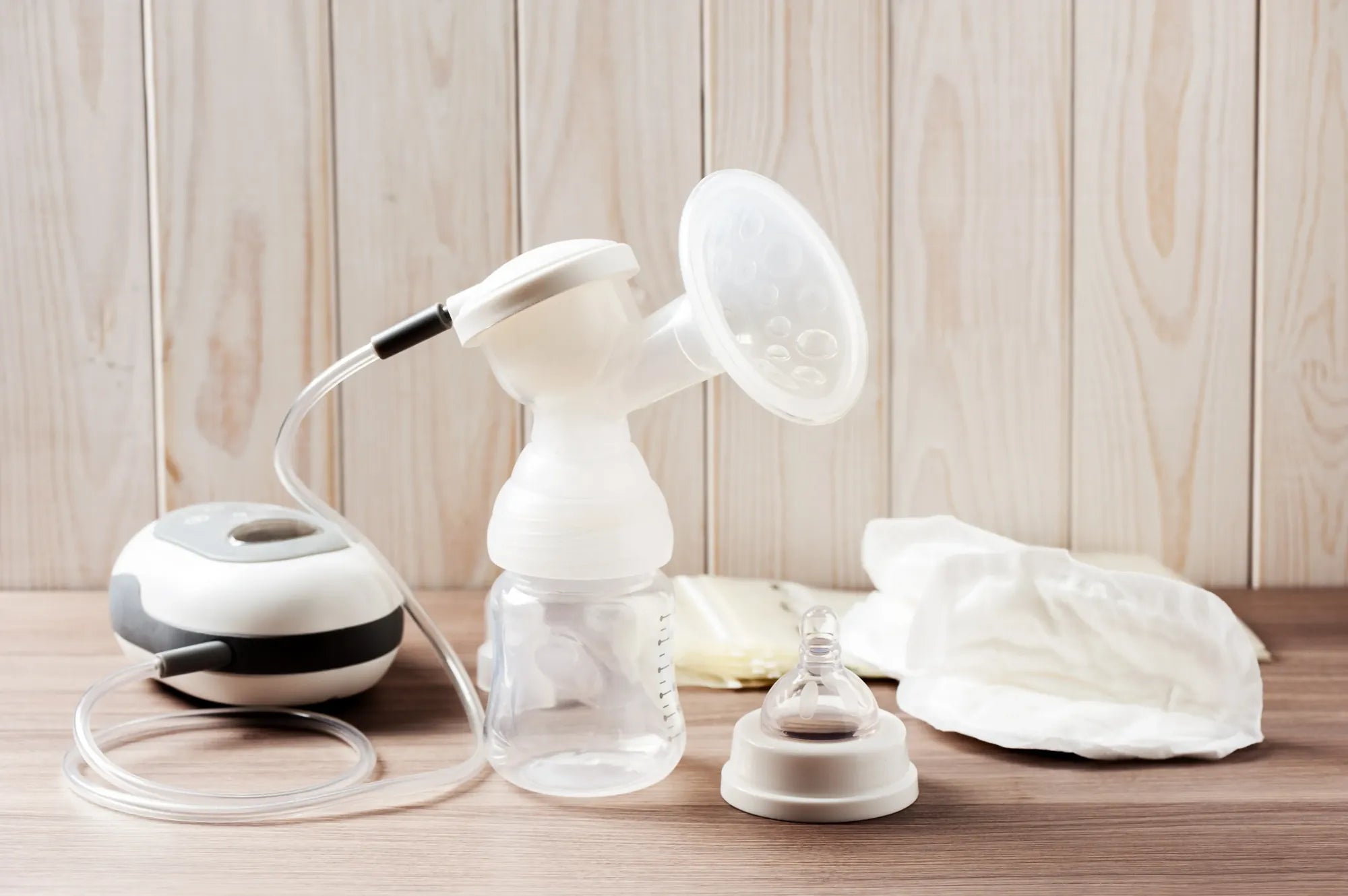
Not all pumps are created equal. A hospital-grade, multi-user pump is the gold standard for establishing supply or increasing a low one, thanks to its powerful, durable motor. For long-term exclusive pumping, a high-quality double electric pump is essential. Wearable pumps offer unprecedented flexibility and can be a game-changer for maintaining a strict schedule.
For instance, MomMed's S21 Double Wearable Breast Pump provides effective, hospital-strength suction in a discreet, cordless design. Its BPA-free, food-grade silicone components ensure baby safety, while its hands-free operation allows you to move, care for your baby, or relax during sessions—reducing stress and making it easier to stick to your schedule. The right pump removes the friction from your EP journey, making the frequent sessions required to increase breast milk when only pumping more sustainable.
Nutrition, Hydration, and Lifestyle for Pumping Moms
Your body is a milk-production machine, and it needs premium fuel and maintenance. Neglecting your own needs is a fast track to diminished output and burnout.
Fueling Your Body for Milk Production
Producing milk requires approximately 300-500 extra calories per day. Focus on nutrient-dense foods: lean proteins, whole grains, healthy fats (like avocado and nuts), and plenty of fruits and vegetables. Specific galactagogues (foods believed to support milk supply) like oats, flaxseed, brewer's yeast, and fenugreek are popular, though scientific evidence on their efficacy is mixed and individual.
A balanced diet is more reliable than any single "magic" food. Ensure adequate intake of calcium, iron, and B vitamins. Keep easy, healthy snacks like nuts, yogurt, and hard-boiled eggs readily available, as finding time for full meals can be challenging.
The Critical Role of Hydration and Rest
Dehydration is a direct cause of reduced milk volume. Your body prioritizes your baby's milk, so if you are not drinking enough, you will feel the effects first. Aim to drink to thirst, but a good rule is to have a large glass of water every time you pump. Fatigue also severely impacts hormone regulation and milk supply.
While uninterrupted sleep may feel impossible, prioritize rest where you can. Enlist help for household chores. Consider pumping right before you sleep and having a partner handle one overnight feed with previously pumped milk so you can get a longer stretch of rest. Even 30 minutes of lying down with your eyes closed can be restorative.
Managing Stress and Finding Your Support System
Stress and anxiety trigger the release of cortisol and adrenaline, which can inhibit oxytocin and block let-down. Creating a calm pumping environment is not a luxury; it's a supply strategy. Develop a relaxing pre-pump ritual: deep breaths, looking at photos or videos of your baby, or listening to calming music.
Connect with other exclusive pumping mothers online. Communities provide invaluable practical advice, troubleshooting, and, most importantly, normalization and emotional support. Celebrate non-scale victories: an extra half-ounce, a session that felt easier, or simply your dedication to showing up. This mental shift reduces pressure, which can, in turn, help increase breast milk when only pumping.
Troubleshooting Common Exclusive Pumping Challenges
Even with a perfect routine, you may encounter hurdles. Knowing how to navigate them is crucial for protecting your hard-earned supply.
Dealing with a Sudden Drop in Supply
A noticeable dip can be alarming. First, rule out common culprits: Are you sick or dehydrated? Has your menstrual cycle returned? Have you recently missed or shortened sessions? Are your pump parts (valves, membranes, duckbills) worn out and needing replacement? Even small wear can drastically reduce suction efficiency.
Your action plan should be a return to basics. Temporarily add one or two extra pumping sessions for 2-3 days. Incorporate one daily power pumping session. Ensure aggressive hydration and extra calories. Review your flange fit, as nipple size can change over time. If the drop is severe or persistent, consult an International Board Certified Lactation Consultant (IBCLC) to rule out other issues like hormonal imbalances.
Maintaining Motivation and Avoiding Burnout
Exclusive pumping is a marathon, not a sprint. Burnout is real. To combat it, make pumping as pleasant as possible. Create a "pumping station" with snacks, water, chargers, and entertainment. Use a wearable pump, like the MomMed S12 or S21, to regain mobility and freedom during sessions—being able to fold laundry or play with your older child can make the time feel more productive and less isolating.
Track your output in ounces or milliliters to see long-term trends, but avoid obsessing over each session's volume, which naturally fluctuates. Set small, achievable goals and reward yourself for consistency. Remember, every ounce you provide is a gift of nutrition, immunity, and comfort, regardless of whether it comes from the breast or a bottle.
Pump Comparison: Finding Your Perfect Match
Choosing the right pump can significantly impact your comfort, consistency, and output. Here’s a comparison of common pump types relevant to exclusive pumping.
| Pump Type | Best For | Key Advantages | Considerations |
|---|---|---|---|
| Hospital-Grade (Multi-User) | Establishing supply, low supply, pre-term infants | Most powerful suction, highly efficient, durable | Often rented, not portable, not for long-term personal use |
| Double Electric (Plug-in/Corded) | Primary pump for exclusive pumping at home | Strong, reliable performance, often more affordable than wearables | Tethered to outlet, less mobility, can be bulky |
| Wearable/Hands-Free (e.g., MomMed S21) | Maintaining supply, on-the-go pumping, multitasking, reducing stress | Ultimate mobility and discretion, fits in bra, cordless, promotes schedule adherence | Battery life limits session length, may have slightly less raw suction than top plug-in models |
| Manual Pump | Occasional use, backup, quick relief | Portable, no power needed, precise control | Physically tiring, not practical for full-time EP |
Frequently Asked Questions for Exclusive Pumping
1. How long should each pumping session last?
Most sessions should last 15-20 minutes of effective pumping after let-down occurs, or 2-3 minutes after the last drops of milk are seen. In the early weeks, sessions may need to be longer (25-30 minutes) to fully stimulate supply. Always pump until your breasts feel soft and well-drained.
2. Can I ever switch from exclusive pumping back to direct breastfeeding?
Yes, it is often possible, especially if the original latch issue has resolved (e.g., a baby has grown). This process is called "relactation" or "transitioning to the breast" and is best done with guidance from an IBCLC. It requires patience, skin-to-skin contact, and possibly using a supplemental nursing system (SNS).
3. How do I safely store and manage my pumped milk?
Freshly pumped milk can be kept at room temperature (up to 77°F/25°C) for 4 hours, in the refrigerator for up to 4 days, and in a standard freezer for 6-12 months. Use the "first in, first out" rule. Label bags with date and volume. Thaw frozen milk overnight in the fridge or in a bowl of warm water—never microwave.
4. Are wearable pumps effective for building and maintaining a full supply?
Modern, high-quality wearable pumps like the MomMed S21 are highly effective for maintaining an established supply and can be used to build supply, especially when used with rigorous hands-on techniques and a consistent schedule. Their primary benefit is reducing the burden of pumping, which helps with long-term adherence—a critical factor for supply.
5. My supply seems to drop in the afternoon. Is this normal?
Absolutely. Milk volume typically follows a circadian rhythm, with most mothers producing the most milk in the early morning hours and the least in the late afternoon and evening. This is normal and not an indicator of low overall supply. Focus on total 24-hour output rather than individual session volumes.
Your Exclusive Pumping Journey is a Triumph
Providing breast milk through exclusive pumping is a monumental act of love, dedication, and resilience. You are not just feeding your baby; you are orchestrating a complex biological process with technology, timing, and tremendous personal commitment. The proven strategies to increase breast milk when only pumping rest on unwavering pillars: a consistent and frequent schedule, masterful hands-on pumping technique, unwavering self-care through nutrition and hydration, and the support of reliable, innovative equipment designed for your real-life needs.
Trust the process, be kind to yourself on difficult days, and celebrate your persistence. You have the knowledge and the tools to succeed. For equipment that supports your journey with comfort, discretion, and award-winning efficiency, explore the MomMed collection. Shop the MomMed collection at mommed.com for all your breastfeeding and pregnancy needs, from our trusted S21 Wearable Pump to essential feeding gear and baby care essentials designed to empower you at every stage.