


Startseite
Pregnancy, Breastfeeding, and Pumping: The Ultimate Guide for Moms
How to Get Rid of Old Breast Pump: Your Complete, Safe, & Sustainable Guide
How to Get Rid of Old Breast Pump: Your Complete, Safe, & Sustainable Guide
Introduction: Why Properly Retiring Your Breast Pump Matters
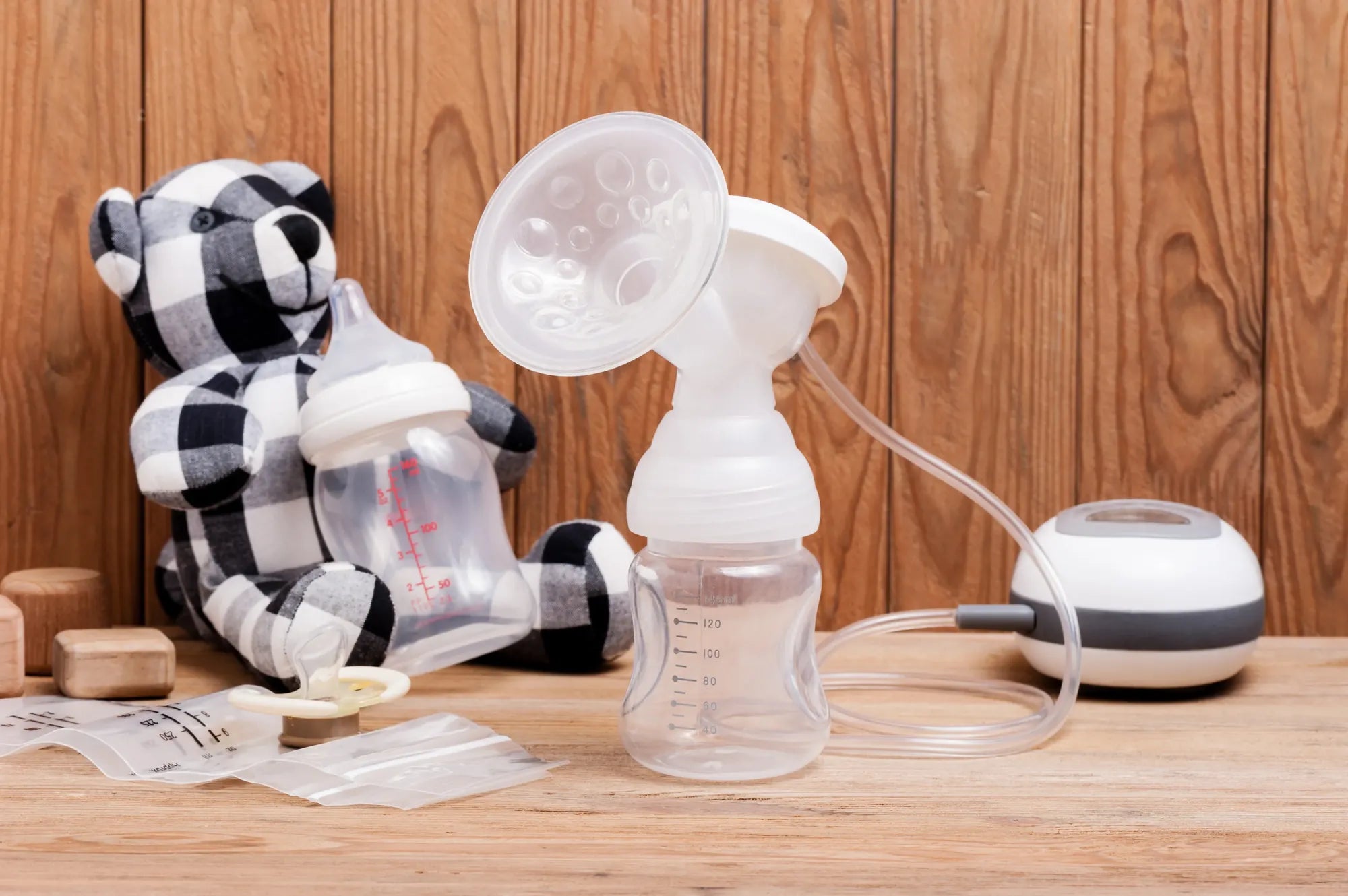
Completing your breastfeeding or pumping journey is a significant milestone, often accompanied by a mix of relief and nostalgia. That trusty breast pump, a constant companion through late nights and early mornings, has served its purpose. Now, the question arises: how to get rid of old breast pump equipment safely and responsibly? This isn't just about decluttering; it's a decision that impacts safety, hygiene, and the environment.
An improperly discarded pump can pose health risks. Breast milk residue can harbor bacteria, and worn-out motor parts may not function safely for another user. Furthermore, with millions of pumps used annually, responsible disposal is crucial for reducing electronic and plastic waste. As a brand dedicated to supporting mothers through every stage, MomMed understands this transition. We're here to guide you through the process with clear, factual information, ensuring you can close this chapter confidently and sustainably.
Assessing Your Pump’s Condition: The First Critical Step
Before choosing a disposal method, you must evaluate your pump's state. Not all pumps are created equal, and their design dictates their future. The primary distinction is between closed-system and open-system pumps. A closed-system pump has a protective barrier or membrane that prevents milk and moisture from entering the motor and tubing. This design, used in MomMed wearable pumps like the S21, is generally safer for potential secondary use if the parts are sanitized and replaced.
An open-system pump lacks this barrier, meaning moisture and milk particles can travel back into the tubing and motor. These pumps are typically considered single-user devices due to the near-impossibility of fully sterilizing the internal air pathways. Always check your manufacturer's manual to confirm your pump's system type.
Key Factors for Donation or Resale
Use this checklist to determine if your pump is a candidate for passing on. If you answer "no" to any of these, disposal is the safer route.
- Motor Functionality: Does the motor run smoothly at all settings without unusual noises or overheating?
- Hygiene & Parts Integrity: Are all parts (flanges, valves, membranes, bottles, connectors) free of cracks, discoloration, or persistent odors even after sanitizing?
- Age & Usage: How long was the pump used? Most personal-use pumps have a lifespan of 1-3 years with regular use. A pump used for multiple children may be at the end of its functional life.
- Manufacturer & FDA Status: Is it a personal-use pump (FDA Class II medical device) or a hospital-grade rental? Personal pumps are labeled for single-user.
- System Type: Is it a closed-system pump? This is often a prerequisite for reputable donation centers.
How to Get Rid of Old Breast Pump: 5 Responsible Options, Ranked
Once you've assessed your pump, you can select the most appropriate path. We've ranked these options based on a combination of environmental benefit and safety protocol.
Option 1: Recycle Through Manufacturer or E-Waste Programs
This is the most environmentally responsible method for pumps that are broken or non-donatable. The pump must be disassembled: the motor unit is electronic waste (e-waste) and should never go in your regular recycling bin. Many municipalities offer e-waste collection days or drop-off centers. For the plastic and silicone parts, check if your local recycling accepts #5 polypropylene plastic (common for bottles) and food-grade silicone.
Some manufacturers have take-back or recycling initiatives. While policies vary, it's worth contacting the brand of your pump to inquire. As part of our commitment to sustainability, MomMed encourages customers to reach out to our support team for guidance on responsibly recycling components of our pumps, particularly the rechargeable lithium-ion battery in our wearable models.
Option 2: Donate to Reputable Organizations
Donation gives your functional, closed-system pump a second life, helping mothers in need. Critical rule: Only donate if your pump passed the assessment checklist. Reputable organizations have strict guidelines. They typically only accept closed-system pumps, and often only the motor unit itself, requiring all personal use parts (flanges, bottles, valves) to be new.
Organizations like Breastfeeding USA, The National Breastfeeding Foundation, or local women's shelters may have donation programs. Always contact them first to confirm what they accept. Your donation could provide crucial support to a mother who otherwise couldn't afford a pump.
Option 3: Repurpose Parts Creatively and Safely
For the DIY-minded, many pump parts can find new uses around the home—but with a major caveat. Never repurpose any part that contacted breast milk for future food or drink storage. The plastic can degrade and harbor bacteria in micro-scratches.
Safe repurposing ideas include: using clean bottles to organize small craft supplies, beads, or screws; turning flanges into unique plant propagation domes; or using the carrying bag for toiletries or tech cables. This approach reduces waste and adds a personal touch to your home, preserving a memory without the safety risk.
Option 4: Sell or Give Away Privately (With Full Transparency)
Selling a used breast pump is a sensitive transaction that requires utmost honesty. This option is generally only suitable for closed-system pumps in excellent working condition. Platforms like Facebook Marketplace or dedicated mom groups are common venues.
Your listing must include: the pump's brand/model, approximate hours of use, that it's a closed-system, that all personal parts will be new or are sold separately, and a clear statement that buyers should consult their healthcare provider. This transparency protects the next user and aligns with ethical resale practices.
Option 5: Last Resort: Safe Disposal in Trash
For broken, open-system, or otherwise unsuitable pumps, careful disposal is the final option. Do not simply throw it in the bin assembled. Follow these steps: 1) Disconnect the motor. 2) Sanitize all parts that touched milk to eliminate biohazard. 3) Place plastic parts in a sealed bag before putting them in the trash to prevent scavenging. 4) Take the motor to an e-waste facility. This method ensures the pump cannot be unsafely retrieved and used.
What to Do With Your MomMed Wearable Pump: A Special Guide
As a trusted maternal care brand, MomMed designs products with safety and longevity in mind. Our popular S21 Double Wearable Breast Pump, for instance, features a fully closed-system design and is made from BPA-free, food-grade materials. Here’s your tailored disposal guide.
For the motor and battery unit: This contains a rechargeable battery and is classified as e-waste. Please recycle it at a certified battery or electronics recycling point. Do not dispose of it in household trash due to environmental regulations.
For the collection cups, duckbill valves, and tubing: These are the personal parts. If they are in perfect condition, they can be sanitized and donated alongside a closed-system motor. If worn, they should be disposed of with household waste, preferably in a sealed bag. The food-grade silicone and plastic are durable but are considered personal use items.
MomMed is committed to supporting you through the entire product lifecycle. If you have questions about the end-of-life process for your specific MomMed pump, our customer service team can provide the most current guidance.
Comparison of Disposal Methods
| Method | Best For Pumps That Are... | Environmental Impact | Safety & Hygiene Priority | Effort Level |
|---|---|---|---|---|
| Manufacturer/E-Waste Recycling | Broken, outdated, or any non-donatable pump | High (Proper resource recovery) | High (Prevents landfill/ misuse) | Medium (Requires research/drop-off) |
| Donation to Organizations | Functional, closed-system, gently used | Very High (Extends product life) | Very High (Rigorous screening) | Medium-High (Must find & comply with org rules) |
| Private Sale/Giveaway | Functional, closed-system, excellent condition | High (Extends product life) | Medium (Relies on seller transparency) | Medium (Requires creating listing & vetting) |
| Parts Repurposing | Pumps with usable accessories | Medium (Reduces waste) | Medium (Must avoid food-contact reuse) | Low (Creative home project) |
| Household Trash (Last Resort) | Broken, open-system, or heavily worn | Low (Landfill) | Medium (Requires sanitization & bagging) | Low |
Common Questions About Breast Pump Disposal (FAQ)
Q1: Can I throw my entire breast pump in the regular recycling bin?
A: No. The motor is e-waste and will contaminate the recycling stream. Plastic parts may or may not be recyclable depending on your local facility's rules for #5 plastic. Always separate the motor for e-waste recycling and check locally for the plastics.
Q2: Is it safe to donate my used breast pump tubes and flanges?
A: For open-system pumps, no—the tubes cannot be fully sterilized. For closed-system pumps like MomMed's, the tubes never contact milk. They can be sanitized and donated if in good condition. Flanges and valves, however, are personal wear items and should typically be new for the next user, even in closed-system donations.
Q3: How do I erase personal data from a smart pump?
A: If your pump connects to an app via Bluetooth, perform a factory reset on the pump per the manual. Then, go into the app's settings and disconnect/unpair the device. Finally, clear the app's data or delete your account/profile associated with the pump within the app.
Q4: Why is there so much caution against passing my pump to a friend?
A: The FDA regulates pumps as single-user medical devices. Wear and tear on the motor is not always visible, and performance can degrade, affecting milk expression. There's also a risk of bacterial or viral contamination if any part isn't perfectly sanitized. The safest gift is often a new, in-box pump or a contribution toward one.
Q5: What parts of my MomMed pump are most important to replace regularly, and how does that affect disposal?
A> Duckbill valves and backflow protector membranes are consumable parts that wear out and affect suction. They should be replaced every 1-3 months. When disposing of your pump, these parts should always be discarded. Their wear is a key reason why used personal parts are not recommended for new users.
Closing Your Pumping Chapter with Confidence and Care
Navigating how to get rid of old breast pump equipment is the final, practical step in your pumping journey. By choosing a method that prioritizes safety—for potential future users and the environment—you close this chapter with the same care and dedication you applied to feeding your baby. Whether you recycle, donate, or responsibly dispose, your conscious choice makes a difference.
At MomMed, we celebrate every stage of your motherhood journey. From the early days confirmed by our pregnancy test kits to the feeding sessions supported by our wearable breast pumps and on to exploring our range of baby care essentials, we are here to provide reliable, innovative products. As you move forward, know that our commitment to your family's well-being continues.
Shop the MomMed collection at mommed.com for all your breastfeeding, pregnancy, and baby care needs. Discover products designed with your comfort, confidence, and baby's safety in mind.