


Startseite
Pregnancy, Breastfeeding, and Pumping: The Ultimate Guide for Moms
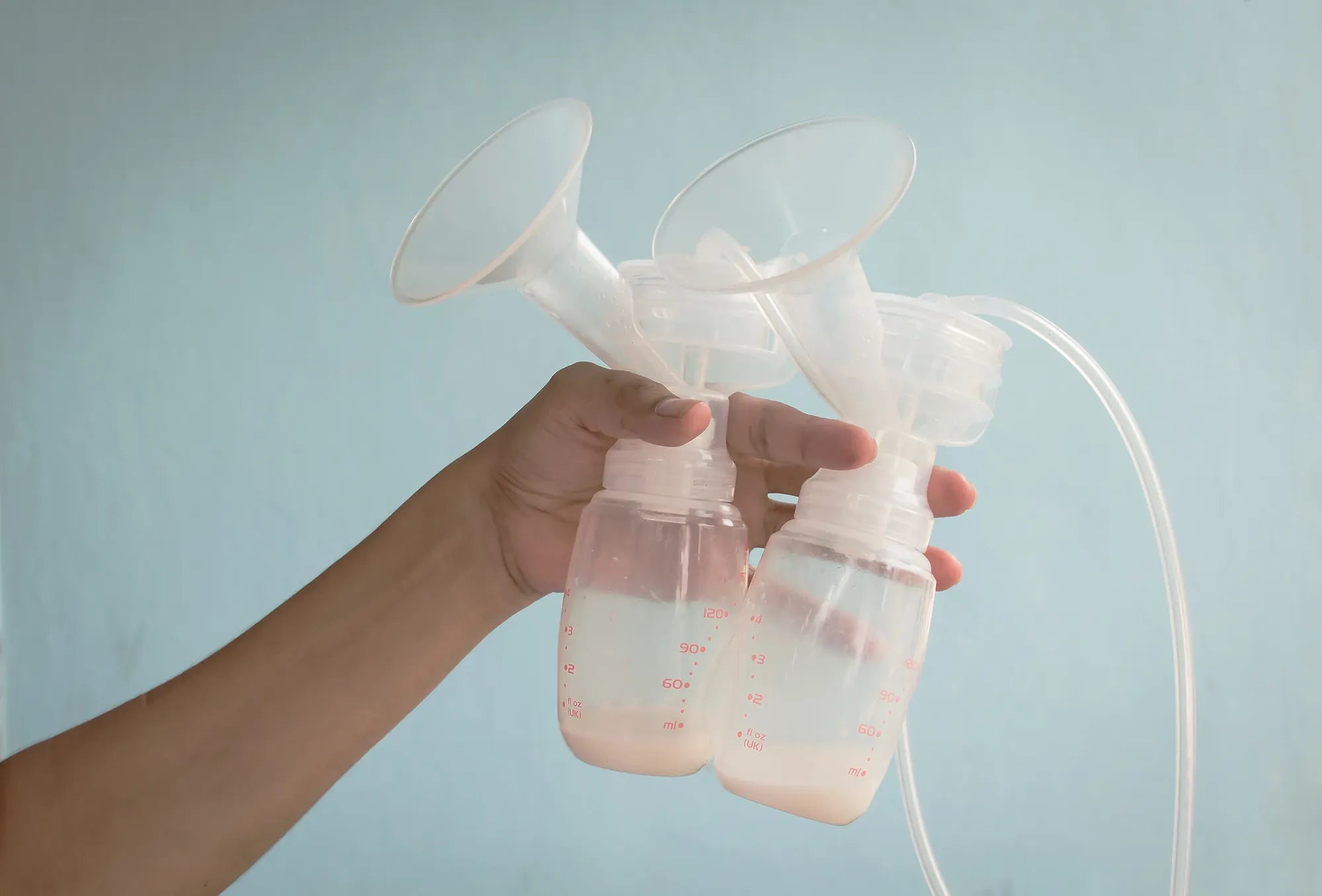
How to Fit Breast Pump Flange: The Ultimate Guide to Pain-Free Pumping
How to Fit Breast Pump Flange: The Ultimate Guide to Pain-Free Pumping
Introduction: Why a Perfect Flange Fit is the Key to Breast Pumping Success
If you've ever experienced nipple pain, low milk output, or frustratingly long pumping sessions, the culprit is likely an improperly fitted breast pump flange. This seemingly small piece of plastic or silicone is, in fact, the most critical component connecting you to your pump. Getting the fit right isn't just about comfort—it's about efficiency, milk supply, and protecting your delicate breast tissue from damage.
This guide will walk you through everything you need to know about how to fit breast pump flanges correctly. We'll cover precise measurement techniques, interpret common symptoms of poor fit, and provide practical solutions. By the end, you'll have the knowledge to transform your pumping routine from a chore into an efficient, comfortable process that supports your breastfeeding journey.
Understanding Your Anatomy: It's More Than Just Nipple Size
Many mothers mistakenly believe flange sizing is solely about nipple diameter. In reality, proper fit involves the entire areola and breast tissue dynamics. The flange creates a seal around your breast, and its tunnel must accommodate your nipple's movement during expression without causing friction or compression.
Key anatomical terms include the nipple (the protruding tissue), the areola (the pigmented area surrounding the nipple), and the breast tunnel (the space within the flange). A correctly sized flange allows the nipple to move freely while gently drawing a small portion of the areola into the tunnel. This mimics a baby's latch and facilitates efficient milk removal.
Your size is not static. Nipple diameter can change throughout your postpartum journey, during a single pumping session, and between pregnancies. Factors like engorgement, time of day, and hormonal fluctuations can all affect measurements. This is why a one-time measurement at the start may not suffice for your entire pumping experience.
Ignoring proper fit can lead to significant issues. An overly large flange pulls excessive areolar tissue, causing edema (swelling), pain, and reduced milk flow. A flange that's too small compresses the nipple, restricting milk ducts and leading to blanching, vasospasms, and tissue damage. Both scenarios can negatively impact your milk supply.
Step-by-Step Guide: How to Measure Your Nipple for a Flange
Accurate measurement is the foundation of a perfect fit. You will need a flexible measuring tape or a printable nipple ruler, which many breast pump brands, including MomMed, provide. Do not measure when your nipples are cold or relaxed, as this will give an inaccurate reading.
First, prepare for measurement. Pump or hand-express for 1-2 minutes to stimulate your nipple to its typical pumping state. This ensures you're measuring at its most extended diameter. Gently pat the area dry. Using your flexible tape or ruler, measure the diameter of the nipple at its base—where it meets the areola. Do not include the areola itself.
The crucial rule for flange sizing is that the internal tunnel diameter should be 1-4mm larger than your measured nipple diameter. For example, if your nipple measures 17mm, you would need a flange with a tunnel size of 19mm, 21mm, or 24mm, depending on your comfort. This extra space allows for nipple expansion and movement without rubbing against the sides.
Measure both nipples, as it's common to have different sizes. You may require two different flange sizes for optimal comfort and output. Re-measure periodically, especially if you notice changes in output, experience new discomfort, or after significant postpartum milestones (like 6-12 weeks postpartum when supply regulates).
Common Signs of an Incorrect Flange Fit
Your body provides clear signals when the flange isn't right. Learning to recognize these signs is essential for troubleshooting.
Symptoms of a Flange That is Too Large:
- Excessive areola is pulled into the tunnel, sometimes causing the entire areola to rub against the sides.
- The nipple does not reach the end of the tunnel or bounces around loosely during pumping.
- Low milk output despite adequate time and suction.
- General breast discomfort and a feeling of "tugging" rather than rhythmic pulling.
- Swelling or edema of the areola after pumping.
Symptoms of a Flange That is Too Small:
- The nipple rubs tightly against the sides of the tunnel throughout the session.
- Nipple blanching (turning white) at the tip or base during or after pumping.
- Persistent pain or burning sensation from the beginning to the end of pumping.
- Reduced milk flow due to compressed milk ducts.
- Redness, scabbing, or cracking on the nipple.
Remember, pain is never a normal part of pumping. Discomfort indicates a problem with fit, suction settings, or both.
Choosing and Using Your MomMed Flange for Optimal Performance
Once you've determined your correct size, applying it properly is the next step. MomMed pumps, like the S21 Double Wearable, come with a range of standard flange sizes (typically 24mm and 28mm) to start, with other sizes available separately. Always ensure you are using BPA-free, food-grade silicone components for your and your baby's safety.
To attach, first connect the correctly sized flange to the breast shield. Center your nipple perfectly in the tunnel before turning on the pump. You should be sitting in a relaxed, upright position, leaning slightly forward to utilize gravity. This posture helps milk flow more easily into the collection container.
During operation, observe the motion. Your nipple should move freely back and forth in the tunnel without friction. You should see only a small amount of areola (1-2mm) being drawn in with each suction cycle. The majority of your areola should remain outside the flange. This is the hallmark of a proper, comfortable fit.
After your session, inspect your nipples. They may be slightly longer than usual but should return to their normal size within 5-10 minutes. There should be no significant redness, deep lines, or blanching. If you see these signs, re-evaluate your size or the pump's suction settings.
Maximizing Comfort with MomMed's Adjustable Settings
A perfectly fitted flange allows you to harness the full power of your pump's settings safely and effectively. MomMed pumps feature multiple modes: a stimulation mode (let-down mode) with faster, lighter cycles to trigger milk ejection, and an expression mode with slower, stronger pulls to efficiently remove milk.
With a well-fitted flange, you can start on a low-to-medium stimulation setting without pain. Once let-down occurs (usually after 1-2 minutes), switch to expression mode. Increase the suction level only to a point that feels effective but never painful. The proper flange acts as a protective interface, allowing stronger suction to work on milk removal without damaging nipple tissue.
For wearable pumps like the MomMed S21, correct flange fit is even more critical for comfort during movement. A secure, proper fit prevents leaks and maintains suction integrity, letting you go about your day confidently. The quiet, hospital-grade motor can then work at its optimal efficiency, removing more milk in less time.
Flange Size Comparison and Material Guide
Understanding the differences between flange types and materials can further enhance your experience. The table below provides a clear comparison.
| Feature | Standard Hard Plastic Flanges | Silicone Cushion Inserts (e.g., MomMed) | Soft, Flexible Silicone Flanges |
|---|---|---|---|
| Material | Rigid plastic (often polypropylene) | Hard plastic core with a soft silicone cushion rim | Entirely soft, food-grade silicone |
| Primary Benefit | Durable, easy to clean, provides a firm seal | Adds comfort to standard flanges; can help if you are between sizes | Maximum comfort, conforms to breast shape, reduces friction |
| Consideration | Can feel cold/hard; less forgiving if size is slightly off | May slightly reduce effective tunnel diameter; requires correct base size | May require a different sizing approach (often 1-2mm smaller than plastic size) |
| Ideal For | Mothers with a very precise fit who prefer a firm feel | Mothers experiencing rubbing or discomfort with hard flanges | Mothers with sensitive nipples, elastic tissue, or who find plastic uncomfortable |
| Cleaning | Very easy | Cushion requires careful washing to prevent milk residue | Easy, but silicone can retain odors if not dried thoroughly |
MomMed offers silicone cushion inserts that can be added to their hard plastic flanges, providing a softer interface that can make a significant difference in comfort, especially during longer or more frequent pumping sessions.
Flange Fit FAQs: Addressing Your Top Concerns
Q: Can I just use the standard flanges that came with my pump?
A> The included flanges (usually 24mm/28mm) are a starting point, but statistics from lactation consultants suggest over 50% of pumping mothers need a different size. They are designed to fit an "average," but nipple size varies widely. Always measure to confirm.
Q: My nipples swell during pumping. What size should I use?
A> This is common. You should measure your nipple diameter after it has swelled from a few minutes of pumping. Choose a flange tunnel that is 2-4mm larger than this swollen measurement to accommodate the expansion without constriction.
Q: I have elastic breast tissue or "doughnut" nipples. Any special advice?
A> Elastic tissue stretches more into the tunnel. You may benefit from a slightly smaller flange or a soft, flexible silicone flange that provides gentle compression at the base to prevent excessive areola pull. Silicone inserts can also help.
Q> How often should I re-check my flange size?
A> Re-evaluate if you experience a sudden change in output, new pain, or after major hormonal shifts (e.g., return of menstruation, weaning sessions). It's also wise to check your fit around 12 weeks postpartum as your milk supply regulates.
Q> Is it normal for my flange size to change between pregnancies?
A> Absolutely. Hormonal changes, previous breastfeeding experience, and physical changes to your breast tissue can all lead to a different flange size with each baby. Never assume your size from a previous child will be correct.
Q> Can a poor flange fit really affect my milk supply?
A> Yes, significantly. Inefficient milk removal due to poor fit signals your body to produce less milk. Furthermore, pain and stress can inhibit the let-down reflex (oxytocin release), creating a cycle of low output. Correct fit is a cornerstone of maintaining supply.
Troubleshooting Advanced Flange Fit Issues
Even with careful measurement, some mothers face persistent challenges. If you have tried multiple sizes and still experience discomfort, consider the shape of your breast and nipple. Some mothers have tapered, cylindrical, or flat nipples that may interact with the flange tunnel differently.
For persistent pain at the base of the nipple, ensure the flange tunnel is not digging into your breast. A wider, shallower flange base or a silicone cushion can redistribute pressure. Also, apply a pure lanolin cream or coconut oil to the nipple and tunnel rim before pumping to reduce friction—this is safe and does not harm pump parts.
If you have large, soft breasts, you may need to hold the flange in place to maintain a seal, especially with wearable pumps. A hands-free pumping bra is essential, but you may also need to adjust your posture or gently support your breast from below to ensure the nipple stays centered.
For mothers using hospital-grade or multi-user pumps, ensure you are using your personal, correctly sized flange kit. Never use a shared, hospital flange without knowing it's your exact size. Your comfort and hygiene are paramount.
Conclusion: Empower Your Pumping Journey with the Right Fit
Mastering how to fit breast pump flanges is the single most impactful skill you can learn for your pumping journey. It turns a potentially painful process into an efficient, comfortable routine that protects your milk supply and your well-being. The right fit unlocks the full potential of your breast pump, allowing you to extract milk effectively while keeping your delicate tissue safe.
Remember, your body is unique and may change. Be patient and willing to re-measure and adjust as needed. Investing time in finding your perfect fit is an investment in your breastfeeding success and personal comfort. Trust the signals your body gives you—pain is a message, not a requirement.
With the correct knowledge and tools, you can approach every pumping session with confidence. Shop the MomMed collection at mommed.com for all your breastfeeding and pregnancy needs, including a range of flange sizes, comfortable silicone inserts, and innovative, quiet wearable pumps like the S21 designed to support you every step of the way.