


Startseite
Pregnancy, Breastfeeding, and Pumping: The Ultimate Guide for Moms
How Much Time to Breast Pump: A Comprehensive, Evidence-Based Guide
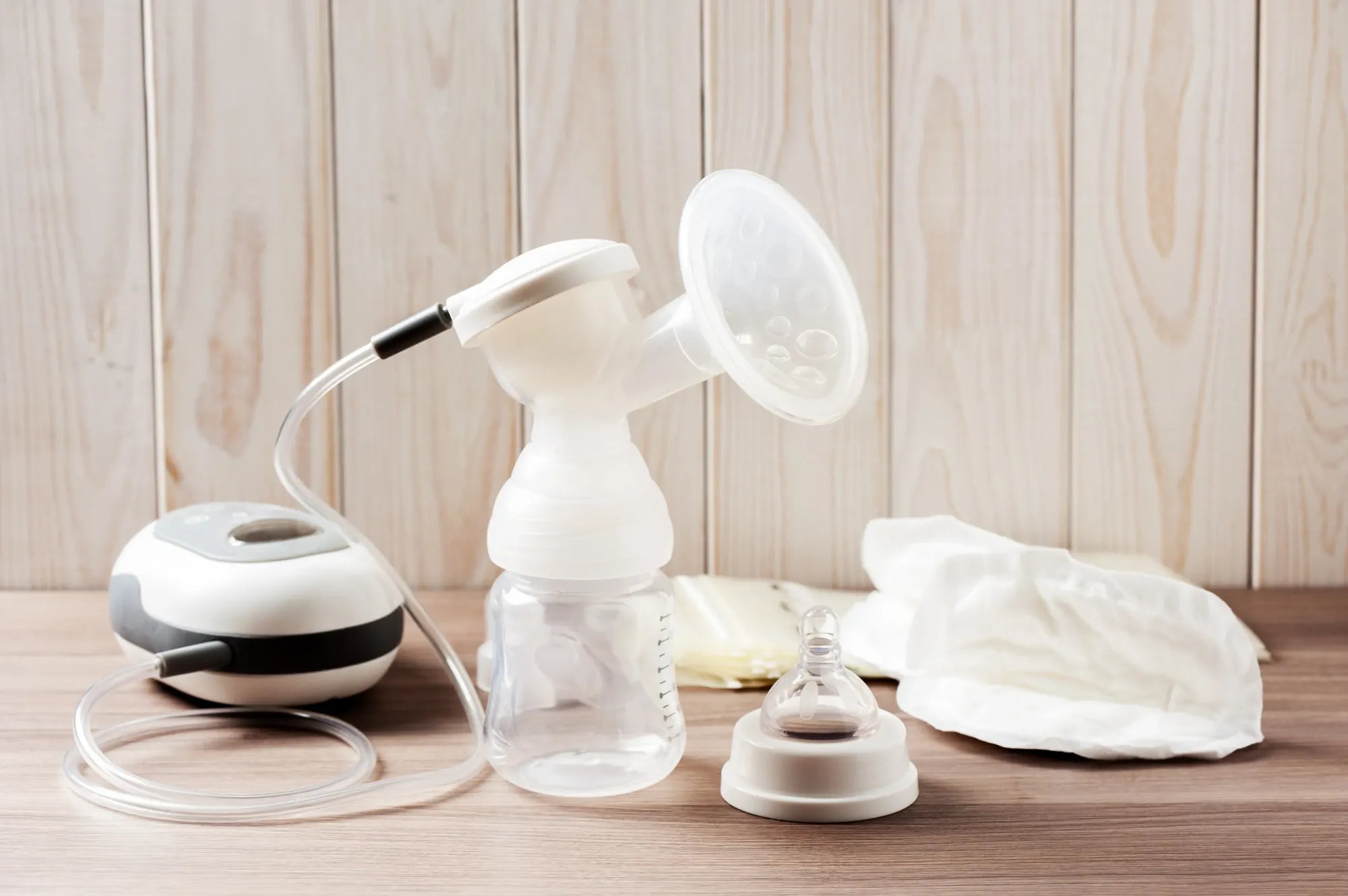
How Much Time to Breast Pump: A Comprehensive, Evidence-Based Guide
How much time to breast pump is one of the most common and critical questions for pumping mothers. The answer directly impacts your milk supply, comfort, and ability to manage your time. While a simple number is tempting, the truth is it depends on a personalized set of factors. This comprehensive guide will move beyond guesswork, providing evidence-based recommendations, stage-by-stage schedules, and efficiency tips to help you find your ideal pumping rhythm. We'll explore how variables like your baby's age, your goals, and even your pump's quality influence session length, empowering you with the knowledge to pump effectively and sustainably. As a trusted maternal and baby care brand, MomMed specializes in creating reliable, comfortable products like wearable breast pumps to support you through every step of this journey.
Understanding the Core Variables That Determine Pumping Time
There is no universal timer for breast pumping. Effective session length is a dynamic equation influenced by several key physiological and practical factors. Understanding these variables is the first step to optimizing your routine.
Your baby's age is paramount. A newborn's feeding pattern dictates a very different schedule than that of an older infant. Your primary goal also sets the framework: is it exclusive pumping, building a stash for returning to work, or occasional supplementation? These objectives require different time investments and frequencies.
Your individual mammary storage capacity and milk synthesis rate are biological factors. Some women have a larger storage capacity and may efficiently drain in 15 minutes, while others with a smaller capacity may need to pump more frequently for slightly shorter durations to achieve the same daily output. Your pump's efficiency is a major technological variable. A hospital-grade or high-quality double electric pump with proper fit will remove milk more effectively than a manual or underpowered pump, potentially shortening necessary session times.
A Stage-by-Stage Guide to Pumping Duration
Practical guidance requires context. Here, we break down recommended pumping times and frequencies based on your baby's developmental stage and your specific feeding goals.
For the Newborn Period (0-3 Months): Establishing Supply
During the critical first 12 weeks, the primary goal is to establish a robust milk supply by mimicking a newborn's natural feeding pattern. This means frequent stimulation and removal.
Lactation consultants generally recommend pumping for 15-20 minutes per breast, or 15-20 minutes per session if double pumping. This should be done 8-12 times in a 24-hour period, including at least one session overnight. The focus is less on a strict clock and more on ensuring effective milk removal, signaled by a slowed flow and softer breasts.
Consistency is more important than marathon sessions. It's better to pump for 15 minutes, 10 times a day, than for 30 minutes only 5 times a day. This frequency sends the consistent hormonal signals needed to build a full supply.
For Exclusive Pumping (EP)
Exclusive pumping is a full-time commitment that requires a structured schedule to mimic a baby's intake and maintain supply long-term.
A standard EP schedule involves pumping for 15-30 minutes per session, every 2-3 hours, totaling 7-10 sessions per 24 hours. The total daily pumping time often ranges from 120 to 180 minutes. Many EP moms find a "power pump" session—pumping for 20 minutes, resting for 10, pumping for 10, resting for 10, pumping for 10—once a day can help boost supply, mimicking cluster feeding.
Investing in an efficient, comfortable pump is non-negotiable for EP. A wearable pump like the MomMed S21 Double Wearable Breast Pump can provide the necessary performance while offering crucial mobility and discretion for maintaining this demanding schedule.
For Working Moms & Building a Freezer Stash
This stage focuses on strategic pumping to create a surplus without causing an unmanageable oversupply.
To build a stash, add one extra pumping session per day, typically for 10-15 minutes after your first morning feed when prolactin levels are highest and milk volume is often greatest. For maintaining supply while at work, plan to pump for 15-20 minutes for every missed feeding, usually every 3-4 hours. The total time spent pumping at work will typically be 45-60 minutes, broken into 2-3 sessions.
Efficiency tools are key here. A hands-free, wearable pump allows you to work or prepare for the next day during sessions, making the time investment feel more manageable and integrated into your workflow.
For Maintaining Supply with Occasional Pumping
If you primarily nurse directly and only pump occasionally for date nights or brief separations, your sessions will be shorter and more targeted.
Pumping for 10-15 minutes after or between feeds is usually sufficient to collect a small amount without over-stimulating production. The timing can be flexible; you might pump from one breast while baby feeds on the other, or pump for a short period about an hour after a feed.
The goal is gentle stimulation, not full drainage. This approach helps you create a small backup without signaling your body to significantly increase overall daily production.
Maximizing Efficiency: How to Get More Milk in Less Time
Optimizing your technique and environment can significantly reduce the time needed for effective milk removal, making pumping more sustainable.
Practice hands-on pumping. Gently massaging your breasts before and during pumping, and using breast compression while pumping, can help move fat-rich hindmilk and improve drainage. Ensuring correct flange fit is critical; a flange that is too large or too small can reduce output by up to 50%, forcing you to pump longer for less milk.
Use your pump's settings strategically. Start with a high-speed, low-suction "let-down" or "stimulation" mode for 1-2 minutes until milk flows quickly. Then switch to a slower, deeper suction "expression" mode. Staying relaxed is not just advice—stress can inhibit the let-down reflex. Look at photos or videos of your baby, smell an item of their clothing, and ensure you're hydrated.
Invest in an efficient pump. A high-quality double electric pump with adjustable settings and effective motor suction is foundational. Innovations like MomMed's wearable pumps are engineered with hospital-grade performance in a compact design, using BPA-free, food-grade silicone for comfort, ensuring you're not wasting time with inadequate equipment.
Data and Patterns: Session Length vs. Milk Output
Understanding the typical pattern of milk flow during a session can help you gauge effectiveness and avoid unnecessary pumping time.
For most women, the majority of milk (about 65-75%) is removed in the first 10-12 minutes of pumping, during the first let-down. A second let-down often occurs between 15-20 minutes, contributing the remaining volume. Pumping beyond 20-30 minutes often yields minimal additional milk and increases the risk of nipple soreness and tissue inflammation.
The table below contrasts efficient versus inefficient pumping patterns, highlighting the impact of technique and equipment:
| Factor | Efficient Pumping Pattern | Inefficient Pumping Pattern |
|---|---|---|
| Primary Output Window | 70% in first 10-12 mins | Output slow and steady over 30+ mins |
| Typical Session Length | 15-20 minutes | 30-45 minutes |
| Pump Type | High-quality double electric (e.g., MomMed S21) | Manual pump or underpowered electric |
| Flange Fit | Correctly sized, comfortable | Ill-fitting, causing friction or poor seal |
| User Technique | Hands-on pumping, relaxation | Passive pumping, distracted/stressed |
This data underscores that longer sessions are not inherently better. If you consistently need to pump for 40 minutes to get a full feeding, it's a sign to troubleshoot flange fit, pump settings, or pump quality.
Troubleshooting Common Pumping Duration Questions
Specific concerns often arise around pumping time. Here are evidence-based answers to the most frequent questions.
Why Am I Pumping for 30 Minutes and Getting Very Little Milk?
Low output despite long sessions is frustrating and often points to a solvable issue. First, re-evaluate your flange size; this is the most common culprit. Measure your nipple diameter and ensure the flange is 1-2 mm larger.
Check your pump parts. Valves, membranes, and duckbills wear out and lose suction efficiency, typically every 1-3 months for exclusive pumpers. Review your pump settings—using too high suction on a slow speed may not trigger effective let-downs. Consider the time of day; pumping in the early morning usually yields more than in the evening. Stress and dehydration are also significant factors that can temporarily reduce output.
Can I Pump for Too Long?
Yes, over-pumping carries risks. Sessions consistently exceeding 30 minutes per breast can lead to nipple trauma, edema (swelling), and inflammation of the breast tissue, which can ironically impede milk flow.
It can also create an unsustainable oversupply, leading to recurrent engorgement, plugged ducts, and a higher risk of mastitis. The goal is effective removal, not perpetual stimulation. Sticking to recommended durations of 15-30 minutes per session, focusing on output rather than the clock, is the safest approach.
How Do I Know When I'm "Empty" and Should Stop Pumping?
The term "empty" is misleading, as breasts are never truly empty; milk production is continuous. A better gauge is when the breast is "well-drained."
Signs include: milk streams have slowed to occasional drops, your breasts feel noticeably softer and less full, and you see no new milk flowing for 1-2 minutes despite massage and compression. For most, this occurs within 15-20 minutes of effective pumping. Stopping at this point is more efficient than continuing for a set time with no results.
Should I Pump at the Same Time Every Day?
Consistency is beneficial for maintaining supply, especially for exclusive pumpers or working moms. A regular schedule helps regulate your body's prolactin response.
However, rigidity can cause stress. It's acceptable to have a general framework (e.g., pump every 3 hours during the day) with some flexibility. The most important factor is the total number of effective milk removal sessions in 24 hours, not their precise timing on the clock.
How Does a Wearable Pump Change Pumping Time?
High-performance wearable pumps like the MomMed S21 are designed to match the efficiency of traditional hospital-grade pumps. Therefore, the required session length for effective milk removal should be similar—about 15-20 minutes.
The key difference is how that time is experienced. Wearable pumps can reduce the total time commitment by allowing you to multitask effectively, turning previously inactive pumping time into productive or relaxing time. This can make adhering to a full pumping schedule much more sustainable, as you're not anchored to one spot.
Listening to Your Body and Your Baby's Cues
While guidelines provide a framework, the most important signals come from your own body and your baby. Your pumping routine should ultimately serve the goal of feeding your child adequately and maintaining your physical and mental well-being.
If your baby is satisfied with your pumped milk, gaining weight appropriately, and you are comfortable without pain or frequent engorgement, your routine is likely working. Adjustments should be made gradually; if you need to increase supply, add time via an extra session or a power pump before extending every session to 40 minutes.
Remember that output can vary from session to session and day to day. A temporary dip is normal and not an immediate cause for alarm or a reason to drastically increase pumping time. Look at the 24-hour total volume as a better indicator of supply than any single session.
Finding Your Sustainable Pumping Rhythm
Determining how much time to breast pump is a personal calculation that balances biology, technology, and lifestyle. The evidence shows that effective, frequent, shorter sessions are generally more productive and sustainable than infrequent, long ones. Key takeaways are to prioritize correct flange fit, use a high-quality pump, employ hands-on techniques, and follow a schedule aligned with your baby's stage and your goals.
This journey is one of adaptation. What works at one month may need tweaking at four months. Trust in the process and equip yourself with tools that make the routine manageable. MomMed is committed to supporting this journey with innovative, comfortable, and reliable products designed with a mother's real-life needs in mind. From our award-winning wearable pumps that offer freedom without sacrificing performance to our thoughtfully designed nursing accessories, we provide solutions to help you feed your baby with confidence.
Shop the MomMed collection at mommed.com for all your breastfeeding and pregnancy needs, and find the tools to create a pumping routine that fits your life, not the other way around.