


Startseite
Pregnancy, Breastfeeding, and Pumping: The Ultimate Guide for Moms
How Long Is Pumped Breast Milk Good at Room Temp: A Comprehensive Guide
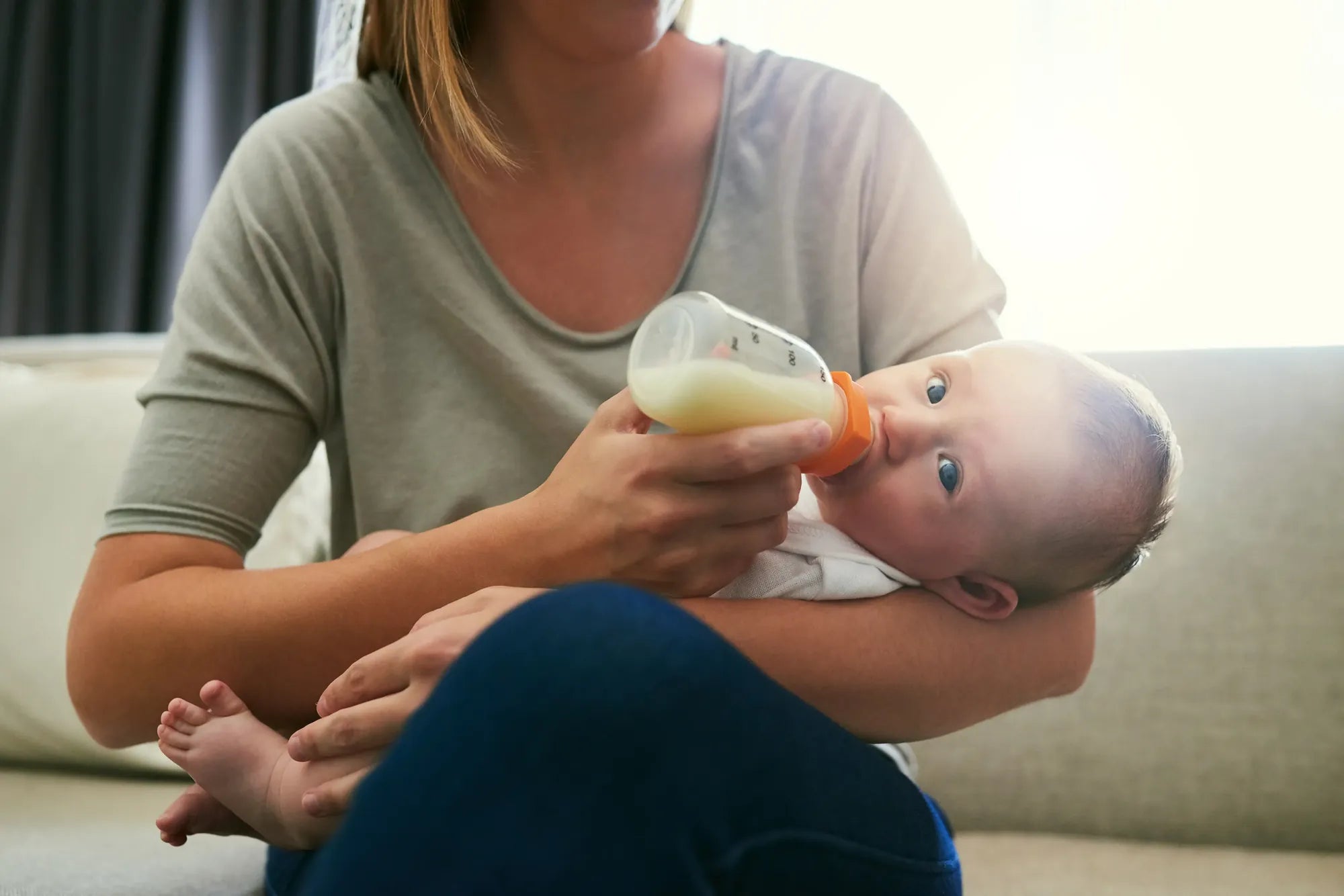
How Long Is Pumped Breast Milk Good at Room Temp: A Comprehensive Guide
Introduction: Understanding Breast Milk Storage Safety
For every pumping parent, the liquid gold expressed for their baby represents time, effort, and love. Ensuring its safety from pump to feed is paramount. The central question, "How long is pumped breast milk good at room temp?" is more than a query—it's a critical component of infant health and a parent's peace of mind. This comprehensive guide delivers clear, evidence-based answers from leading health authorities, paired with practical tips to navigate storage confidently.
We will demystify the variables that affect milk safety, from ambient temperature to pumping hygiene. You'll learn not just the recommended timelines but the science behind them, empowering you to make informed decisions. Proper storage preserves the unique antibodies, living cells, and perfect nutrition that make breast milk so valuable.
At MomMed, we understand this journey intimately. As a trusted maternal and baby care brand specializing in wearable breast pumps, pregnancy test kits, and feeding gear, our mission is to support you with reliable, innovative products. This guide integrates that expertise, helping you protect every precious drop.
The Golden Rules: How Long Does Pumped Breast Milk Last at Room Temperature?
The consensus from the Centers for Disease Control and Prevention (CDC) and the American Academy of Pediatrics (AAP) provides a clear baseline. Freshly expressed or pumped breast milk is safe for consumption at room temperature for up to 4 hours. This guideline assumes a room temperature of ≤77°F (25°C).
It is crucial to define "room temperature." This is not a vague concept but a specific range. A cool, climate-controlled room at 72°F is different from a warm kitchen at 80°F. The 4-hour rule is a conservative estimate for the lower end of typical room temperatures. In warmer conditions, the safe window shortens significantly.
For previously frozen milk that has been thawed in the refrigerator, the rules change. Thawed breast milk should be used within 1-2 hours at room temperature. This shorter timeframe is due to the breakdown of some milk components during freezing and the potential for bacterial introduction during the thawing process. Never refreeze thawed milk.
Understanding how long pumped breast milk is good at room temp is the first step in safe feeding. Always label your milk containers with the time and date of expression immediately after pumping. This practice eliminates guesswork and ensures you use the oldest milk first, adhering to the "first in, first out" principle.
Factors That Affect Breast Milk's Shelf Life
Several key variables can shorten or, in some cases, slightly extend the safe storage window. The most significant factor is ambient temperature. Research indicates that bacterial growth in breast milk accelerates dramatically above 77°F (25°C). In a very warm room (≥90°F/32°C), milk may only be safe for 1 hour or less.
Conversely, in a cooler room (e.g., 60-66°F or 15-19°C), some studies suggest milk may remain stable for 6-8 hours. However, the 4-hour guideline is the universally safe recommendation for typical home and workplace environments. Always prioritize the more conservative estimate if you are uncertain.
Hygiene during the pumping process is another critical factor. Milk expressed with impeccably clean hands and sterilized pump parts will have a lower initial bacterial load, giving it a better starting point. This highlights the importance of using a high-quality, closed-system pump.
MomMed wearable breast pumps, like the S21 model, feature a closed-system design. This prevents milk from backing into the tubing and motor, significantly reducing the risk of contamination and mold growth. Combined with BPA-free, food-grade silicone parts that are easy to clean, this design supports the expression of purer milk with optimal shelf-life potential from the very start.
Room Temp vs. Refrigerated vs. Frozen: A Quick-Reference Storage Chart
This visual guide consolidates recommendations from the CDC and La Leche League for healthy, full-term infants. Always consult your pediatrician for specific advice, especially for preterm or immunocompromised babies.
| Storage Location | Temperature | Freshly Expressed Milk | Thawed, Previously Frozen Milk |
|---|---|---|---|
| Room Temperature | ≤77°F (25°C) | Up to 4 hours | 1-2 hours |
| Refrigerator | ≤40°F (4°C) | Up to 4 days (Store in back, not door) |
Up to 24 hours (Do not refreeze) |
| Freezer (Compartment inside fridge) | Varies | 2 weeks | Do not refreeze |
| Freezer (Separate door) | 0°F (-18°C) | 6-12 months (ideal within 6) | Do not refreeze |
| Deep Freezer | ≤-4°F (-20°C) | 12 months | Do not refreeze |
This table reinforces that the question of how long pumped breast milk is good at room temp has the shortest answer. Refrigeration and freezing are for longer-term storage, but room temperature storage is about immediate or near-term use. Note that milk stored in the refrigerator door is subject to temperature fluctuations each time it's opened, so always place milk towards the back of the main compartment.
Best Practices for Pumping and Storing at Room Temperature
Safety begins at the moment of expression. Always wash your hands thoroughly with soap and water before handling pump parts or bottles. Assemble clean, sterilized pump parts. MomMed pumps are designed for easy disassembly and cleaning, with all milk-contact parts being dishwasher-safe (top rack) for convenience.
Pump directly into a clean, food-grade storage container. Use dedicated breast milk storage bags or BPA-free bottles. Immediately after pumping, label the container with the date and time of expression using waterproof ink. If you are pumping at work or on the go, place the sealed container in an insulated cooler bag with ice packs if it will be more than an hour before refrigeration.
When storing milk at room temperature, choose the location wisely. Place the sealed container in the coolest, darkest spot available. Keep it away from direct sunlight, heating vents, stoves, or warm appliances. A countertop in a shaded, air-conditioned room is ideal. Do not store milk in a hot car.
If you are combining milk from different pumping sessions to make one feed, cool the newly expressed milk in the refrigerator first. Once both batches are chilled to the same temperature (about 1 hour), you can combine them. Never add warm, freshly pumped milk to a container of already cooled or room-temperature milk, as it can raise the temperature of the stored milk and promote bacterial growth.
When in Doubt: How to Tell If Breast Milk Has Gone Bad
Your senses are powerful tools. The most reliable indicator of spoiled breast milk is smell. Fresh breast milk has a mild, slightly sweet scent. Milk that has gone bad will have a distinctly sour or rancid odor, similar to cow's milk that has spoiled. This is a clear sign to discard it.
Visual inspection is also helpful. It is normal for breast milk to separate into a fatty layer (cream) and a more watery layer (hindmilk) when stored. This is not spoilage. Gently swirl the container to mix the layers. If the milk mixes back together smoothly, it's likely fine. If it remains chunky, stringy, or has an unusual color (not the typical bluish, yellowish, or white tint), it may be spoiled.
In rare cases, some refrigerated milk may develop a soapy smell due to high lipase activity—an enzyme that breaks down fats. This milk is safe for baby to drink, though some may refuse it. If you suspect high lipase, you can scald freshly expressed milk (heat to 180°F/82°C until small bubbles form, then quickly cool) before storing to deactivate the enzyme.
The cardinal rule of infant feeding is absolute: "When in doubt, throw it out." The potential risk of feeding spoiled milk, which can cause gastrointestinal distress or illness, is never worth the saved ounces. Trust your instincts and prioritize your baby's safety above all.
Maximizing Your Pumping Journey with the Right Gear
Safe storage is the final step, but it begins with efficient, comfortable, and hygienic milk expression. The right breast pump can make a profound difference in your output, comfort, and confidence. Wearable pumps have revolutionized pumping by offering discreet, hands-free operation.
MomMed's award-winning S21 Double Wearable Breast Pump exemplifies this innovation. Its ultra-quiet, hospital-grade suction power is contained within a compact, cordless cup that fits inside your bra. The closed-system design, a critical feature for hygiene, ensures milk flows directly into the sealed collection container without risk of backflow into the motor.
Comfort directly impacts milk let-down and supply. The S21 features multiple expression modes and suction levels, allowing you to find the perfect, comfortable rhythm that mimics a baby's natural nursing pattern. The soft, flexible flanges are made from food-grade silicone, preventing nipple pain and damage that can occur with poorly fitting, hard plastic flanges.
By starting with a superior pump, you support your milk supply and ensure the milk you express is as pure as possible for storage. Whether you're returning to work, seeking flexibility, or managing low milk supply, the right tools from MomMed empower you to provide for your baby with confidence and comfort.
Navigating Common Scenarios and Troubleshooting
Life with a newborn is unpredictable. What if you accidentally leave a bottle of freshly pumped milk on the counter overnight? The safe guideline is clear: discard it. While it may look and smell fine, bacterial levels could be unsafe after 8+ hours at room temperature. The risk is not worth taking.
Power outages pose a unique challenge. A full freezer will keep milk frozen for about 48 hours if the door remains closed; a half-full freezer for about 24 hours. For refrigerated milk, if the power is out for more than 4 hours and the refrigerator temperature rises above 40°F, the milk should be used immediately or discarded. Use a refrigerator thermometer to monitor.
Travel requires planning. For car trips, use an insulated cooler with plenty of ice packs. For air travel, breast milk is exempt from the TSA's 3-1-1 liquid rule in reasonable quantities. Inform security officers, and they may test it separately. You can carry ice packs to keep milk cool. Upon arrival, refrigerate or freeze immediately.
If you are dealing with recurrent mastitis or engorgement, frequent milk removal is key. A comfortable, efficient pump like the MomMed S12 Single Wearable can help you maintain your pumping schedule even while managing discomfort, ensuring milk flows freely and doesn't stagnate, which is crucial for both your health and milk quality.
Frequently Asked Questions (FAQs) on Breast Milk Storage
1. Can I add freshly pumped warm milk to a bottle of already cooled milk?
No. You should cool the newly expressed milk in the refrigerator separately until it is chilled (about 1 hour). Once both portions are at the same cold temperature, you can safely combine them in one container. Adding warm milk can raise the temperature of the cooled milk, bringing it into the "danger zone" (40-140°F) where bacteria multiply rapidly.
2. My baby didn't finish a bottle that was at room temp. Can I save it for later?
It is not recommended. Once your baby's saliva mixes with the milk in the bottle, bacterial introduction occurs. The CDC advises that any leftover milk from a feeding should be used within 2 hours of when the feeding began. After that, it should be discarded to prevent potential illness.
3. Does the "4-hour rule" apply to milk after the baby has drunk from the bottle?
No, the rule is shorter. As mentioned above, the clock starts at the beginning of the feed. Milk that has been partially consumed should be used or discarded within 2 hours, not 4. This is due to bacterial transfer from the baby's mouth.
4. Can I store breast milk in the bottle I pumped into, or should I transfer it?
You can store it in the same container, provided it is designed for storage. Many pumping bottles are also feeding bottles. Ensure the lid seals tightly. If you use a MomMed wearable pump, the collection cups are designed to be sealed with a storage lid, making them perfect for direct storage in the refrigerator or for short-term room temperature holding before feeding.
5. How do I safely warm refrigerated or frozen milk?
Never use a microwave, as it creates dangerous hot spots and can destroy valuable nutrients. The safest methods are to place the sealed container in a bowl of warm water or under warm running water, or to use a dedicated bottle warmer. Gently swirl (do not shake vigorously) to evenly distribute heat and test the temperature on your wrist before feeding.
Conclusion: Confidence in Every Drop
Knowing precisely how long pumped breast milk is good at room temp—and understanding the science behind the guidelines—empowers you to nourish your baby safely. By controlling environmental factors, practicing meticulous hygiene, and trusting your senses, you can navigate storage with assurance. Your dedication to providing breast milk is a profound gift, and protecting its integrity is a key part of that journey.
At MomMed, we are committed to supporting every step of your maternal experience. From the first positive pregnancy test with our early-detection kits to the comfort of our wearable breast pumps and essential feeding gear, we provide reliable, innovative solutions designed with your needs in mind. Let us help you make this journey safer, more comfortable, and filled with confidence.
Shop the MomMed collection at mommed.com for all your breastfeeding and pregnancy needs. Discover the difference that thoughtful, mom-centric design can make in your pumping and feeding routine.