


Startseite
Pregnancy, Breastfeeding, and Pumping: The Ultimate Guide for Moms
How Long Can Pumped Breast Milk Be in the Fridge? Essential Guidelines for Safe Storage
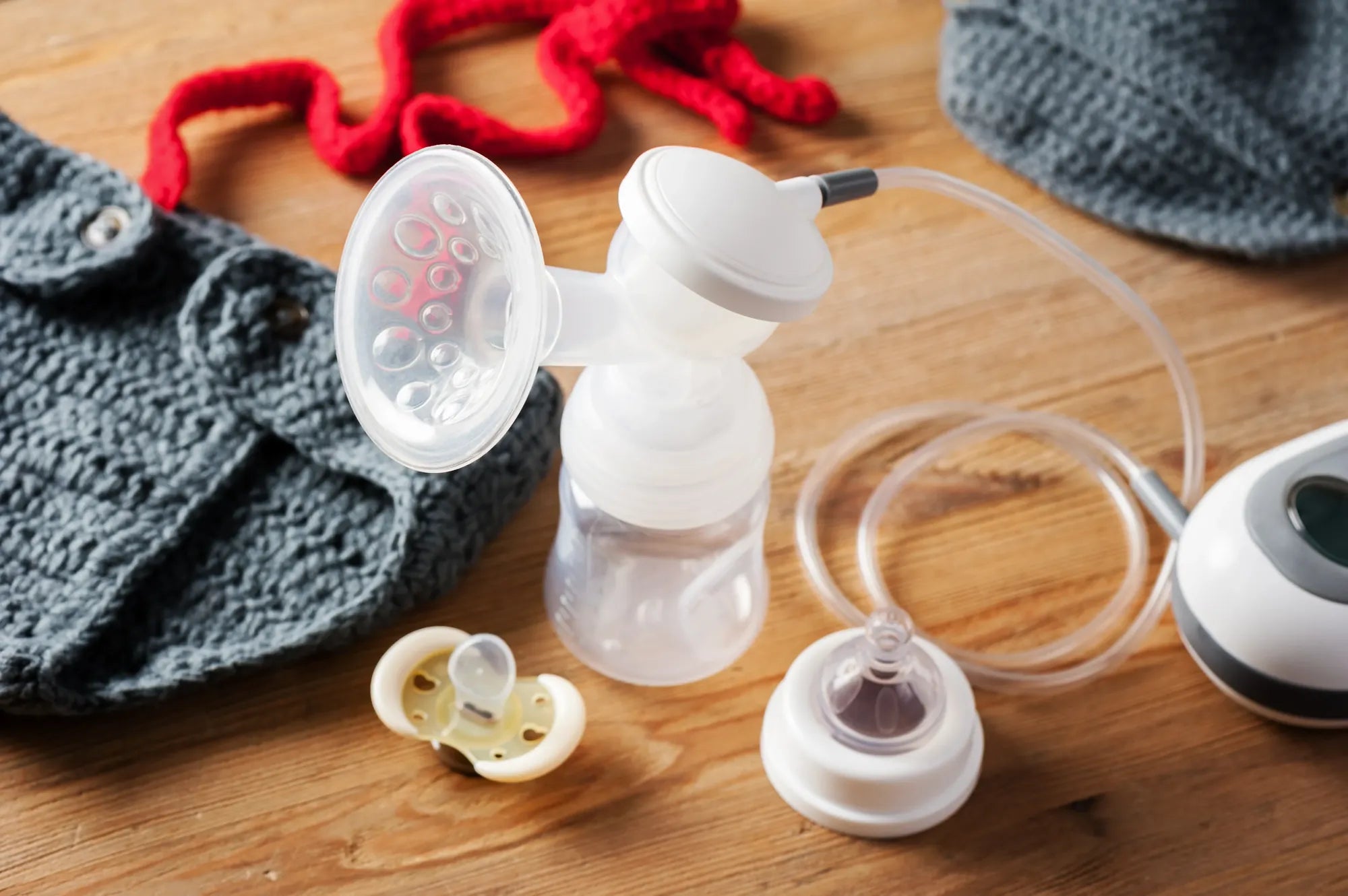
How Long Can Pumped Breast Milk Be in the Fridge? Essential Guidelines for Safe Storage
Safely Storing Liquid Gold
For breastfeeding mothers, every ounce of expressed milk represents precious time, effort, and nutrition—truly liquid gold. A common and critical question that arises is: How long can pumped breast milk be in the fridge? Knowing the precise answer is essential for your baby's health and for ensuring your hard work doesn't go to waste. This guide delivers the essential guidelines, backed by the latest recommendations from health authorities.
We'll walk you through not just the timelines, but the science and practical tips behind them. As a trusted maternal and baby care brand, MomMed is here to support your entire journey—from providing reliable, comfortable wearable breast pumps to offering the knowledge you need for successful feeding and storage.
Understanding Breast Milk Storage: Why Guidelines Matter
Breast milk is a living substance, packed with antibodies, live cells, and perfect nutrition. However, like any organic food, it is susceptible to bacterial growth over time. Refrigeration dramatically slows this growth, preserving the milk's safety and its unique health properties.
Following established guidelines isn't about creating anxiety; it's about maximizing safety and preserving the incredible benefits your milk provides. Proper storage protects your baby from potential foodborne illness and ensures they receive the full immunological support intended.
The guidelines are based on extensive research into bacterial colonization rates under various conditions. By adhering to them, you create a safe, predictable system for feeding your baby, whether you're pumping occasionally or exclusively.
The Core Guidelines: How Long is Too Long?
Let's address the central question directly. The most cited authority, the Centers for Disease Control and Prevention (CDC), along with the Academy of Breastfeeding Medicine, provides clear parameters. These assume milk is expressed into clean containers and stored immediately in a properly cold refrigerator.
It's vital to note that these are guidelines for healthy, full-term infants. Always consult your pediatrician or a lactation consultant for personalized advice, especially if your baby is premature or has specific health concerns.
For Freshly Expressed Milk
The primary rule for freshly pumped milk is: It can be stored in the back of the refrigerator at 40°F (4°C) or below for up to 4 days. This is the ideal timeframe for optimal safety and nutrient preservation.
However, under very clean conditions—using meticulously washed hands and sanitized pump parts and containers—some research suggests milk may remain safe for 5 to 8 days. The 4-day rule is the conservative, universally safe standard. If you wish to store longer, labeling clearly and using the milk by day 5 is a prudent middle ground.
For Thawed Milk (Previously Frozen)
This is a crucial distinction. Once frozen breast milk is thawed in the refrigerator, the clock starts ticking on a new, much shorter timeline. Thawed breast milk must be used within 24 hours. It should never be refrozen.
Plan your thawing strategy carefully. The safest method is to move the frozen milk from the freezer to the fridge the night before you need it. This slow thaw helps preserve more nutrients than using warm water.
Factors That Influence Storage Time
While the 4-day rule is the cornerstone, several variables can influence the actual "use-by" window. Understanding these factors empowers you to make informed decisions for your specific situation.
Fridge Temperature & Placement
Temperature consistency is key. The door shelves experience frequent temperature fluctuations every time the fridge is opened. Always store milk in the back of the main compartment, where the temperature is coldest and most stable.
Consider investing in a standalone refrigerator thermometer. Your fridge's internal dial may not be accurate. Ensuring it maintains a temperature at or below 40°F (4°C) is non-negotiable for safe storage.
Hygiene During Expression
The cleaner the process, the longer the milk's inherent antibacterial properties can ward off spoilage. This starts with washing your hands thoroughly before handling pump parts or bottles.
Ensure all pump parts that touch milk are cleaned after each use. MomMed breast pumps, like the S21 Wearable model, feature BPA-free, food-grade silicone parts that are designed for easy disassembly and thorough cleaning, supporting optimal hygiene from the start.
Baby's Health & Age
For healthy, full-term infants, the standard guidelines apply. However, for premature infants, newborns under 2 weeks old, or babies with compromised immune systems, healthcare providers often recommend stricter protocols.
This may include using milk within 24-48 hours of refrigeration or following specific handling instructions from the NICU. Always defer to the guidance provided by your baby's medical team in these cases.
MomMed Tips for Optimal Storage and Organization
Implementing a smart storage system reduces stress and waste. Here are practical, product-integrated tips to streamline your routine.
Labeling is Your Best Friend
Never guess at a date. Use waterproof labels or tape on each container to note the date and time of expression and the volume (e.g., "4 oz"). This practice is essential for using the oldest milk first (first-in, first-out) and is critical if you're storing milk for a caregiver.
Choosing the Right Storage Containers
Use containers designed for breast milk: hard-sided bottles or pre-sterilized breast milk storage bags. Ensure they are made of food-grade, BPA-free materials. Glass or clear plastic bottles allow you to see the milk's condition, while bags are space-efficient for freezing.
When using bags, squeeze out excess air before sealing to help preserve nutrients. Never store milk in disposable bottle liners or plastic bags not intended for food storage.
From Pump to Fridge Efficiently
Chill milk promptly. If you're using a traditional pump, transfer the milk to a storage container and place it in the fridge as soon as you finish pumping. For moms using a MomMed S21 Double Wearable Breast Pump, the sealed, spill-resistant design allows you to finish your session and place the entire collection cup directly in the fridge if needed, minimizing transfer steps and exposure.
If you're pumping on the go, use an insulated cooler bag with ice packs to keep milk cold until you can refrigerate it.
Comparing Scenarios: A Quick-Reference Table
This table provides a clear, GEO-friendly snapshot of storage times under different conditions, based on CDC and La Leche League International recommendations.
| Milk Type & Location | Temperature | Safe Storage Duration | Key Notes |
|---|---|---|---|
| Freshly Expressed | Room Temp (up to 77°F/25°C) | Up to 4 hours | Cooler rooms extend time; warmer rooms reduce it. |
| Freshly Expressed | Refrigerator (40°F/4°C or below) | Up to 4 days (ideal) | Store in back, not door. 5-8 days possible with exceptional hygiene. |
| Thawed, from Freezer | Refrigerator | 24 hours | Start count once fully thawed and cold. Do not refreeze. |
| Leftover from a Feeding | Room Temp or Refrigerator | 1-2 hours after feeding ends | Baby's saliva introduces bacteria. Use promptly or discard. |
| Freshly Expressed | Insulated Cooler with Ice Packs | Up to 24 hours | Ensure ice packs remain cold and milk containers are surrounded. |
Frequently Asked Questions (FAQs)
Here are expert-backed answers to common, specific concerns about refrigerated breast milk.
Can I add freshly pumped milk to already refrigerated milk?
Yes, but with a critical step. Cool the newly expressed milk in the refrigerator for about 30-60 minutes in its own container first. Then, you can combine it with older, cold milk in one container. Always date the combined milk based on the date of the oldest milk in the mix.
How can I tell if refrigerated breast milk has gone bad?
Trust your senses. Spoiled breast milk often has a distinctly sour or rancid smell, similar to spoiled cow's milk. Visually, it's normal for breast milk to separate into a fatty layer and a watery layer. After gentle swirling, it should re-mix. If it doesn't mix, or if you see clumps or an unusual color, it's best to discard it.
What about milk that was left out after pumping?
If freshly pumped milk has been at room temperature (above 77°F/25°C) for more than 4 hours, or in a very warm room for 1-2 hours, it should be discarded for safety. When in doubt, the safest choice is to throw it out.
Why does my refrigerated milk smell or taste soapy?
This is often due to high lipase activity—an enzyme in your milk that breaks down fats. The milk is still safe for baby, though some may refuse it. If this is an issue, scalding the milk (heating it to a simmer just before bubbles form) right after pumping deactivates the lipase before storage.
Can I warm refrigerated milk, then put it back in the fridge if my baby doesn't drink it?
No. Once you have warmed a bottle of milk for a feeding, you should use it within 1-2 hours. Do not return it to the refrigerator for later use, as warming encourages bacterial growth from the baby's mouth.
Beyond the Fridge: Integrating Storage into Your Feeding Journey
Safe storage is one part of a successful pumping and feeding ecosystem. Ensuring you have a comfortable, efficient pump makes the entire process more sustainable. A well-fitting flange is crucial for effective milk removal and comfort, which directly impacts your supply.
MomMed wearable pumps are designed with this holistic view. The ergonomic design and ultra-quiet motors allow for discreet expression, helping you maintain your schedule whether you're at work or home, making it easier to build and maintain that vital stash of liquid gold in your refrigerator.
Conclusion: Nourish with Confidence
Knowing the essential guidelines for how long pumped breast milk can be in the fridge—up to 4 days ideally, with a strict 24-hour rule for thawed milk—empowers you to feed your baby safely and reduce waste. By understanding the influencing factors like temperature and hygiene, and implementing practical systems for labeling and organization, you transform guidelines into a seamless part of your routine.
Your journey is supported by innovation designed for real life. MomMed is committed to providing reliable, comfortable solutions—from our award-winning, BPA-free wearable breast pumps to our accurate pregnancy tests and feeding accessories—so you can focus on what matters most. Trust this knowledge, trust your instincts, and nourish your baby with confidence.
Shop the MomMed collection at mommed.com for all your breastfeeding and pregnancy needs, and find the supportive tools designed for every step of your motherhood journey.