


Startseite
Pregnancy, Breastfeeding, and Pumping: The Ultimate Guide for Moms
How Long Breast Pump Last: A Comprehensive Guide to Lifespan & Care
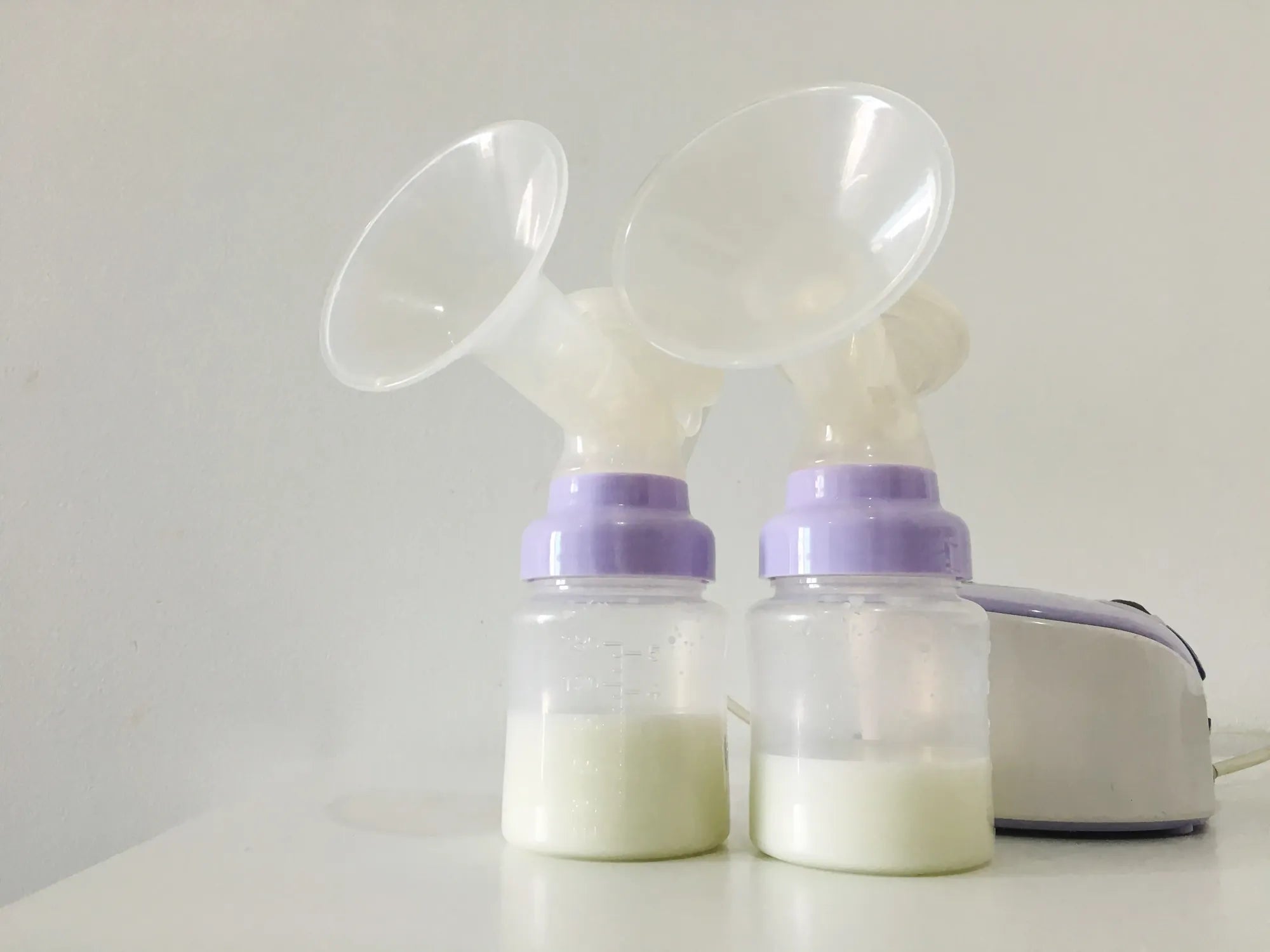
How Long Breast Pump Last: A Comprehensive Guide to Lifespan & Care
Introduction: Understanding the Lifespan of Your Breast Pump
Knowing how long a breast pump lasts is essential for planning your feeding journey and budget. This isn't just about a product's expiration date; it's about ensuring consistent, effective milk expression to support your milk supply and your baby's needs. A pump's longevity directly impacts your routine, comfort, and peace of mind.
This comprehensive guide breaks down the factors that determine durability, from pump type to maintenance habits. We'll provide clear timelines, warning signs, and professional care tips. Whether you're using a manual, electric, or advanced wearable pump, understanding its lifespan helps you make informed decisions and maintain optimal performance throughout your breastfeeding and pumping experience.
What Determines a Breast Pump's Lifespan?
A breast pump's usable life is not defined by a single expiration date. Instead, it's a function of its design, how intensely it's used, and how well it's maintained. Think of it like a car: mileage and care matter more than the calendar year.
Quality of materials and motor construction sets the baseline. Pumps built with durable, BPA-free plastics and robust motors inherently last longer. However, even the best pump will falter without proper care. Understanding these variables empowers you to extend your pump's effective life and recognize when replacement is truly necessary.
Pump Type: Manual vs. Electric vs. Wearable
The fundamental technology dictates potential longevity. Manual breast pumps, with no motors or electronics, can function for years through simple mechanical action. Their lifespan is often limited by part loss or physical damage to the handle or cylinder.
Traditional electric breast pumps (single or double) are workhorses designed for daily, sometimes exclusive, pumping. Their DC motor is built for thousands of cycles but will eventually wear out with heavy use. Advanced wearable breast pumps, like the MomMed S21, represent sophisticated micro-motor technology. While the core device is engineered for durability, their lifespan is closely tied to the regular replacement of wearable parts like flanges and valves to maintain hygiene and suction integrity.
Frequency and Intensity of Use
How often and how long you pump is the greatest determinant of wear. A pump used 8+ times daily for 30-minute sessions by an exclusive pumper will experience far more stress than one used occasionally for relief or missed feeds.
Motor cycles accumulate. Each session represents hundreds of suction cycles. Over months and years, this leads to natural decline in motor power and efficiency. Pumping at maximum suction settings for prolonged periods can also accelerate motor fatigue compared to using comfortable, effective settings.
The Critical Role of Maintenance and Care
This is the most significant user-controlled factor. Proper cleaning, part replacement, and storage are non-negotiable for longevity. Milk residue can damage valves and membranes, leading to suction loss that strains the motor.
Following manufacturer guidelines and CDC recommendations for pump cleaning isn't just about hygiene—it's about protecting your investment. Regular replacement of soft parts (duckbills, valves, backflow protectors) ensures the motor doesn't have to work harder to compensate for worn seals, thereby extending the pump's core life.
The Lifespan Breakdown: By Pump Type and Category
Here are practical, realistic timelines for different pump categories. These estimates assume regular use and proper maintenance, as outlined by lactation consultants and manufacturer testing.
| Pump Type | Typical Lifespan with Regular Use | Key Factors Influencing Longevity | Primary "Failure" Points |
|---|---|---|---|
| Manual Breast Pump | 3+ years | Physical care, part retention | Lost parts, cracked cylinder, handle mechanism wear |
| Single/Double Electric Pump (Hospital-Grade Rental) | Often 3-5+ years (built for multi-user) | Professional servicing, motor cycles | Motor burnout, power supply issues |
| Single/Double Electric Pump (Personal Use) | 1-3 years | Session frequency, maintenance, part replacement | Declining motor strength, cracked housing |
| Wearable Breast Pump (e.g., MomMed S21) | 2-3+ years for core device | Battery care, part replacement schedule, handling | Battery capacity fade, part wear (requires regular replacement every 1-3 months) |
Manual Breast Pumps
With no electrical components, a manual pump's lifespan is extensive. It can reliably last through multiple children if stored properly. The end of life typically comes from losing small parts like valves or the handle breaking, not from a worn-out "motor."
Their simplicity is their strength. Since they operate on user-generated suction, there's no motor to degrade. Ensuring all seals are intact and the cylinder is free of cracks is key to maintaining performance over years.
Single & Double Electric Breast Pumps
Most quality personal electric pumps are engineered for 1-3 years of regular use. This aligns with a typical breastfeeding journey. The motor is designed for thousands of hours, but performance may gradually decline—you might notice sessions taking longer or the pump struggling to maintain consistent suction.
It's crucial to differentiate the pump motor from its parts. The motor may last this timeframe, but parts like duckbill valves, membranes, and flanges need replacement every 1-3 months to keep the system functioning efficiently and hygienically.
Advanced Wearable Breast Pumps (Like MomMed S21)
Modern wearable pumps combine portability with powerful suction. The core device, with its micro-motor and battery, is built for durability, often for 2-3+ years of daily use. MomMed designs its pumps, like the award-winning S21, with robust, BPA-free materials to withstand the demands of an active parent.
The unique aspect of wearable pump lifespan is the critical importance of part replacement. The wearable cups, duckbill valves, and backflow protectors are wear items. Replacing them every 1-3 months (or at the first sign of performance drop) is essential. This not only ensures hygiene but also protects the motor from overworking due to poor suction seals, thereby extending the main unit's life.
Signs Your Breast Pump May Need Replacing
Recognizing the symptoms of a failing pump helps you avoid sudden disruptions. Some issues are fixable with new parts; others indicate it's time for a new unit.
Performance Warning Signs
A significant, noticeable loss of suction strength is a primary red flag. If you've replaced all soft parts (valves, membranes, duckbills) with genuine replacements and suction remains weak, the motor may be failing. The pump should create a firm seal and consistent cycle.
Inconsistent cycling—random pauses, erratic rhythm, or failure to switch between stimulation and expression modes—points to electronic or motor issues. Unusual noises like grinding, screeching, or a much louder operation than before are also strong indicators of internal mechanical wear, unlike the quiet operation designed into pumps like MomMed's.
Hygiene and Wear Concerns
Visible damage compromises safety and function. Cracks or deep scratches in the milk collection bottles, flanges, or the pump housing itself can harbor bacteria and break the vacuum seal. If mold or mildew develops in tubing or internal components and cannot be fully removed, the pump should be replaced immediately for health reasons.
Persistent issues despite part replacement, such as milk consistently backing up into tubing due to failing backflow protectors, suggest a systemic problem. When the cost and frequency of replacing multiple parts exceed the value of an aging pump, investing in a new one becomes the practical choice.
Maximizing Your Pump's Life: Pro Care Tips from MomMed
Extending your pump's lifespan is largely in your hands. These evidence-based practices, aligned with lactation consultant recommendations, will help you get the most from your investment.
Daily and Weekly Maintenance Routine
Clean all parts that contact milk after every use. Follow CDC guidelines: disassemble, rinse in cool water, wash with warm soapy water using a dedicated brush, rinse thoroughly, and air-dry on a clean towel or rack. Do not let milk dry on parts.
For electric and wearable pumps, never submerge the motor unit, battery, or wearable cup electronics. Wipe these with a damp cloth. Ensure tubing is completely dry before connecting it to the motor to prevent moisture damage. Weekly, check all parts for wear, tears, or discoloration.
Strategic Replacement of Parts
Adhere to a replacement schedule for soft, wearable parts. This is the single most effective way to preserve motor life and ensure efficiency.
- Duckbill Valves/Membranes: Replace every 4-8 weeks, or immediately if stretched, torn, or sticky.
- Backflow Protectors: Inspect monthly; replace if any moisture gets through or every 2-3 months.
- Flange Shields/Silicone Cushions: Replace every 3-6 months or if they lose elasticity or develop cracks.
- Tubing: Replace if you see milk residue inside that won't clean out or if it develops cracks.
Using genuine replacement parts, like those from MomMed, ensures proper fit and function, protecting your pump's motor from strain.
Smart Storage and Handling
Store your pump and parts in a clean, cool, dry place. Avoid extreme temperatures (like a hot car) which can warp plastic and degrade batteries. Use a dedicated bag or container to protect from dust and impact.
For pumps with rechargeable batteries (like wearable models), follow best practices: avoid fully draining the battery regularly, and don't leave it plugged in constantly at 100%. Handle wearable cups with care during cleaning to protect the internal suction mechanism. Always ensure parts are completely dry before reassembly and storage to prevent mold growth.
When to Consider a New Pump: Making the Decision
Deciding between repair and replacement involves weighing cost, convenience, and your feeding goals.
Cost-Benefit Analysis: Repair vs. Replace
If the issue is isolated to easily replaceable parts (valves, tubing, flanges), repair is always the first step. However, if the motor unit itself fails and the cost of a replacement motor is more than 50% of a new pump—or if your pump is already near the end of its expected lifespan—investing in a new model is more economical.
Consider also the downtime. Waiting for a motor repair can disrupt your pumping schedule and impact milk supply. Having a reliable backup, like a manual pump, is wise, but a new, fully warrantied pump offers immediate reliability.
Upgrading Your Technology
The end of one pump's life is an opportunity to assess your needs. If you started with a basic model, you might now benefit from features that make pumping easier.
Upgrading to a hands-free, wearable pump like the MomMed S21 Double Wearable Breast Pump can offer new levels of comfort, portability, and discretion. Technological advancements in suction patterns (simulating a baby's natural rhythm) and ultra-quiet motors can improve efficiency and comfort. If your lifestyle or needs have changed, a new pump that better fits your current situation is a valuable investment in your continued feeding journey.
Frequently Asked Questions (FAQs)
Q1: Can a breast pump last for multiple children?
A: Yes, especially if used for a typical duration (e.g., 1 year) per child and stored properly between uses. Manual and high-quality electric pumps can often serve for 2-3 children. However, all wearable parts (flanges, valves, duckbills, tubing) must be replaced with brand new sets for each child for hygiene and performance. The motor's lifespan in cycles is the limiting factor for electric pumps.
Q2: Does a more expensive pump last longer?
A: Generally, yes. Higher-priced pumps often use more durable motors, higher-grade plastics, and better engineering, which can extend functional life. However, proper maintenance is still the dominant factor. A mid-range pump with excellent care can outlast a premium pump that is neglected. Look for brands, like MomMed, known for build quality and customer support.
Q3: How do I know if the problem is the pump or just a part?
A> Always troubleshoot parts first. Replace the duckbill valves, membranes, and check tubing for cracks or moisture. Ensure flanges are creating a proper seal. If you replace all common wear parts with new, genuine components and the problem (weak suction, strange noise) persists, the issue likely lies with the pump motor or electronics.
Q4: What is the typical warranty period, and what does it cover?
A: Most personal-use electric pumps come with a 1-2 year manufacturer's warranty covering defects in materials and workmanship. It typically covers the motor unit but not wearable parts damaged through normal use. MomMed offers a comprehensive warranty on its pumps; always check the specific terms for your model. A warranty is a good indicator of the manufacturer's confidence in the product's lifespan.
Q5: Can I use a pump past its recommended lifespan?
A: You can, but with caution. Performance will likely be suboptimal, potentially affecting milk output. Hygiene risks increase if plastics degrade or cracks form. It's advisable to monitor performance closely and prioritize replacing worn parts. If you rely on pumping for primary feeding, using a pump significantly past its expected lifespan is not recommended due to reliability and safety concerns.
Conclusion: Investing in Your Journey with Confidence
Understanding how long a breast pump lasts empowers you to plan, maintain, and decide with confidence. Your pump is a vital tool in your feeding journey, and its longevity hinges on the type you choose, how you use it, and—most importantly—how you care for it. By following a diligent maintenance routine and heeding the warning signs of wear, you can maximize both the performance and the lifespan of your pump, ensuring it supports you effectively for as long as you need it.
When the time comes for a new pump, view it as an opportunity to select technology that aligns with your experience and lifestyle. Brands like MomMed are committed to providing innovative, reliable solutions—like our quiet, efficient, and comfortable wearable pumps—to support moms at every stage. Your feeding journey deserves dependable tools designed with care and expertise.
Shop the MomMed collection at mommed.com for all your breastfeeding and pregnancy needs, from durable wearable breast pumps to essential nursing accessories and baby care products.