


Startseite
Pregnancy, Breastfeeding, and Pumping: The Ultimate Guide for Moms
How Do You Know When Breast Is Empty When Pumping: A Comprehensive Guide
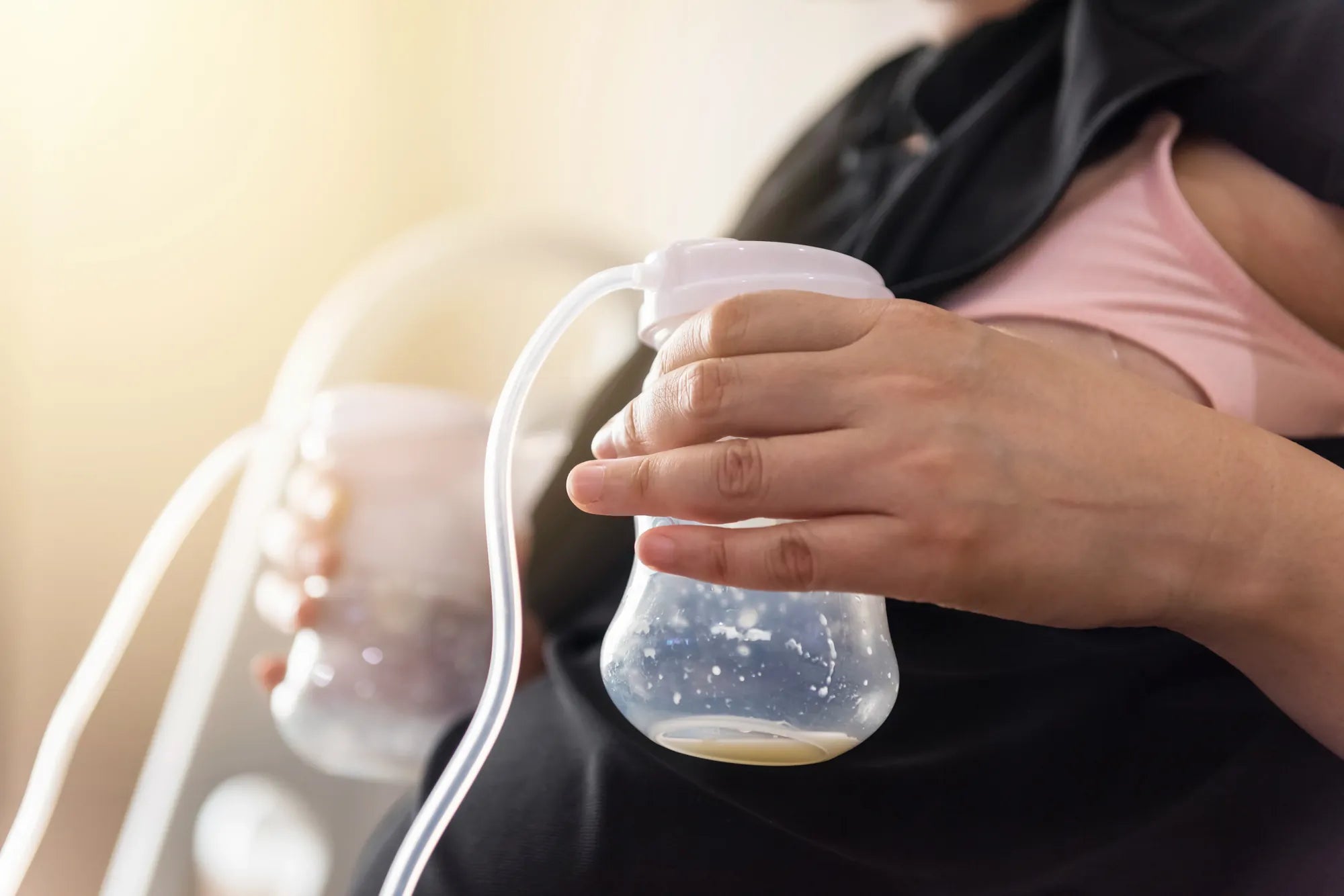
How Do You Know When Breast Is Empty When Pumping: A Comprehensive Guide
Introduction: Understanding the "Empty" Breast and Why It Matters
For pumping mothers, one of the most persistent questions is: How do you know when breast is empty when pumping? The answer is crucial, yet nuanced. First, it's essential to understand that a breast is never biologically "empty"; milk production is a continuous process. Instead, "empty" in a pumping context means effectively drained—the point where the bulk of the available milk has been removed, and flow has significantly slowed.
Efficient milk removal is the cornerstone of a healthy milk supply. It signals your body to produce more. Incomplete drainage can lead to decreased production over time, increase the risk of painful clogged ducts and mastitis, and may prevent your baby from getting the richer, calorie-dense hindmilk that follows the initial foremilk. Unlike feeding directly from the breast, where you can hear swallows and feel the suck-swallow rhythm, pumping requires you to interpret more subtle physical and mechanical cues.
This comprehensive guide will equip you with the knowledge to confidently recognize when your breast is empty when pumping. We'll cover the tangible physical signs, the role of timing and pump settings, the power of observational data, and troubleshooting tips for common challenges. Mastering this skill is a key step toward a sustainable, comfortable, and successful pumping journey.
Key Physical Signs Your Breast is Effectively Drained
Your body provides the most direct feedback. Learning to read these signals is the first step to answering how do you know when breast is empty when pumping.
Change in Milk Flow: The most obvious visual cue is the shift from a steady stream or multiple sprays of milk flowing into the bottle to an intermittent, slow drip. This typically happens 1-2 minutes after your last noticeable let-down. The drips may be few and far between, often just a drop every 10-30 seconds.
Change in Breast Sensation and Texture: Before pumping, your breast likely feels full, firm, or even heavy. As milk is removed, it should become noticeably softer and more pliable. Gently compressing your breast will feel different—less resistance and a "floppy" or "deflated" texture, similar to how it might feel after a long, effective nursing session.
Relief of Pressure: Many mothers feel a distinct sensation of relief or lightness as the engorgement or fullness dissipates. The initial pressure or mild discomfort associated with a full breast subsides, replaced by a comfortable, soft feeling. This is a key indicator of effective drainage.
Visual Changes: Look at your breast. The skin, which may have appeared taut and shiny when full, often looks more relaxed. Veins might be less prominent. If you were experiencing any redness or warmth due to fullness, it should diminish as the breast is drained.
The Role of Time and Rhythm: Using Your Pump Settings as a Guide
While the clock shouldn't be your only guide, understanding the typical rhythm of a pumping session provides a helpful framework.
The Let-Down Pattern: Most women experience 1-3 let-downs (milk ejection reflexes) per session. The first usually occurs within 1-3 minutes of starting. Milk flows quickly, then slows. After a pause, switching back to a stimulating (fast, light) mode can encourage a second let-down, leading to another surge of milk. When these rhythmic surges stop and cannot be easily restimulated, you are likely approaching "empty."
The "Two-Minute Rule": A standard recommendation from lactation consultants is to continue pumping for approximately two minutes after the last drop of milk is seen. This ensures you fully drain the milk that was released during the final let-down and signals your body thoroughly.
Session Duration: A typical session lasts 15-20 minutes per breast when double pumping. However, this is highly individual. Some mothers with fast flow may drain effectively in 10-12 minutes, while others with slower refill rates or multiple let-downs may need 25-30 minutes. Use time as a starting point, but always prioritize the physical signs of slowed flow and softer breasts.
Pump Settings are Key: Effective emptying relies on using your pump correctly. Start in stimulation/massage mode (fast, short cycles) to trigger a let-down. Once milk flows abundantly, switch to expression mode (slower, deeper cycles). A pump that allows you to customize both cycle speed and suction strength, like the MomMed S21 Wearable Pump, helps you mimic a baby's natural nursing pattern for optimal milk removal.
Data & Observation: Tracking Output for Insight
Creating a simple pumping log transforms subjective feelings into objective data, providing powerful insights into your personal "empty" baseline.
Track Volume Per Session: Note the total output for each breast at each pumping session. Over days, you'll see patterns emerge. You'll learn your typical output for a "first morning pump" versus an "afternoon pump." This establishes what "full drainage" looks like for you in measurable terms.
Compare Sides: It is completely normal for one breast to be a "super-producer" and the other to yield less. Tracking helps you learn each breast's capacity and emptying pattern individually. You may find your left breast empties in 15 minutes but your right needs 18 minutes for comparable output.
Monitor Flow Rate: Pay attention to when the rapid flow slows to a drip. Jotting down "strong flow for 7 minutes, then drips until 18 minutes" helps you identify your personal timeline. This data is more valuable than any generic online chart.
Note External Factors: Log hydration, stress levels, and time since last feeding/pumping. This can help you understand fluctuations. A sudden dip in output might correlate with a stressful day or less water intake, rather than an issue with emptying efficiency.
Troubleshooting: What If Your Breasts Never Feel "Empty"?
If you consistently finish a session with firm breasts, noticeable fullness, or low output, it may indicate an issue with milk removal. Here are common culprits and solutions.
Incorrect Flange Fit: This is the number one cause of inefficient pumping. A flange that is too large or too small won't create proper seal or nipple movement, failing to drain the breast effectively. Your nipple should move freely in the tunnel without rubbing, and only a small amount of areola should be pulled in. MomMed pumps include multiple flange sizes to help you find the perfect, comfortable fit.
Suboptimal Pump Settings: Using suction that is too high can cause swelling (edema) that blocks milk ducts, while suction that is too low may not provide adequate stimulation. Ensure you are using a pump with hospital-grade performance and adjustable settings. The MomMed S21 offers 9 suction levels and 3 modes, allowing you to find a comfortable yet effective rhythm that encourages multiple let-downs.
Infrequent or Short Sessions: Trying to pump on an overly spaced schedule or cutting sessions short can lead to chronic fullness. Try pumping more frequently for slightly shorter durations to better mimic a baby's cluster feeding and prevent over-engorgement.
Hands-On Pumping Techniques: Incorporate breast massage before and during pumping. Use warm compresses for a few minutes prior to session. During pumping, use gentle compression and stroking motions from the chest wall toward the nipple to help move milk down the ducts. This is especially helpful for relieving the feeling of fullness in specific areas.
Comparing Pumping Efficiency: Wearable vs. Traditional Electric Pumps
Choosing the right pump can significantly impact how easily and effectively you can empty your breasts. Here’s a data-driven comparison of key features that influence drainage.
| Feature | Traditional Electric Pump (e.g., Hospital-Grade) | Advanced Wearable Pump (e.g., MomMed S21) | Impact on Emptying Breasts |
|---|---|---|---|
| Suction Strength & Consistency | Typically very strong, consistent motor. | Hospital-grade performance in a compact design; maintains consistent suction for full session. | Both are capable of effective milk removal. Consistency is key to triggering and sustaining let-downs. |
| Cycle Customization | Often highly adjustable modes and cycles. | Multiple modes (Stimulation, Expression, Mixed) and 9 suction levels. | Customizable settings allow you to mimic baby’s nursing pattern, which is proven to improve milk yield and drainage. |
| Mobility & Comfort | Stationary; can lead to tense, hunched posture. | Hands-free, cordless design allows for relaxed, upright posture and movement. | Reduced stress and more natural body position can improve oxytocin release, facilitating better let-downs and emptying. |
| Ability to Use Hands-On Techniques | Easy, as breasts and bottles are fully visible and accessible. | Possible, but requires lifting the pump. Clear cups, like those on the S21, allow you to see milk flow. | Hands-on pumping is a major factor in efficient emptying. Visibility of flow is a critical cue for knowing when you’re empty. |
| Session Consistency | May lead to skipped or shortened sessions due to inconvenience. | Promotes consistent, on-schedule pumping due to convenience and discretion. | Regular, complete emptying is the most important factor for maintaining supply and preventing clogs. |
MomMed Solutions: Supporting Efficient and Comfortable Pumping Sessions
Knowing how do you know when breast is empty when pumping is easier with equipment designed to support the process. MomMed engineers its pumps with features specifically aimed at promoting effective and comfortable milk removal.
The MomMed S21 Double Wearable Breast Pump is built with a hospital-grade motor that delivers powerful, consistent suction to ensure thorough drainage. Its closed-system design and BPA-free, food-grade silicone components ensure safety and hygiene. The clear collection cups are a vital feature—they allow you to visually monitor your milk flow in real time, from strong streams to the final drips, giving you that clear visual cue of completion.
Customization is central to effective emptying. The S21’s 3 distinct modes and 9 adjustable suction levels let you find the perfect rhythm that works for your body. You can start with a fast stimulation mode, switch to a deeper expression mode for your let-down, and even use a mixed mode that alternates automatically. This mimics a baby’s natural nursing pattern, which is clinically shown to increase yield and improve breast drainage.
Comfort and convenience indirectly contribute to efficient sessions. A wearable, cordless pump like the S21 reduces stress and allows you to move freely. Lower stress means better oxytocin flow, which is essential for the milk ejection reflex. By making pumping less of a chore, you’re more likely to stick to your schedule, ensuring regular and complete emptying—the ultimate goal for supply maintenance and breast health.
FAQ: Common Questions About Pumping and Emptying Breasts
Can you ever fully empty a breast?
No. Milk production is a continuous, supply-and-demand process. As you pump, your body is already making more milk. "Effectively empty" means you’ve removed the available milk stored in the ducts and alveoli at that moment, slowing the flow to drips and making the breast soft.
Is it normal for one breast to produce less?
Absolutely. Breast asymmetry in milk production is very common. It’s not a sign of ineffective pumping on that side, simply a physiological difference. Continue to pump both sides fully to maintain supply on each side.
Should I pump until no more milk comes out?
Pump until the milk flow has substantially slowed to an occasional drop, and your breast feels soft. Following the "two minutes after the last drop" rule is a good practice. Pumping for an excessively long time after flow stops (e.g., 10+ minutes dry) is usually unnecessary and can lead to nipple irritation.
How does a wearable pump like MomMed's S21 ensure effective emptying?
The MomMed S21 combines hospital-grade suction power with fully customizable cycle settings, allowing you to tailor the rhythm to your body’s needs. The clear cups let you monitor flow, and the comfortable, hands-free design promotes relaxation for better let-downs. Together, these features support the complete milk removal necessary for knowing when you're empty.
What should I do if my output suddenly decreases?
First, don’t panic. Temporary dips are normal and can be caused by hydration, stress, menstrual cycles, or illness. Ensure your pump parts (especially valves and membranes) are in good condition and replace them regularly. Re-evaluate your flange fit. If a significant decrease persists for several days despite these checks, consult an IBCLC to rule out other issues.
Conclusion: Trusting Yourself and Your Body's Signals
Mastering the skill of knowing how do you know when breast is empty when pumping is a blend of science, observation, and self-trust. It requires tuning into the physical cues—the softening of the breast, the slowing of flow to drips, the relief of pressure—and supporting your body with the right tools and techniques. By combining hands-on pumping, proper flange fit, and a pump that offers both power and customization, you set the stage for efficient milk removal at every session.
Remember, your "normal" is unique. Use data from a simple log to understand your patterns, but let your body’s sensations be your primary guide. Investing in reliable, well-designed equipment like MomMed’s award-winning wearable pumps can transform your pumping experience, making it easier to achieve that crucial effective drainage comfortably and conveniently.
For all your breastfeeding and pregnancy needs, from hospital-grade wearable pumps to prenatal care essentials, shop the MomMed collection at mommed.com. Trust your journey, trust your body, and equip yourself with gear designed to support you every step of the way.