


Startseite
Pregnancy, Breastfeeding, and Pumping: The Ultimate Guide for Moms
Do You Need to Replace Breast Pump Flanges? The Complete Guide for Pumping Moms
Do You Need to Replace Breast Pump Flanges? The Complete Guide for Pumping Moms
The Critical Role of Breast Pump Flanges in Your Pumping Success
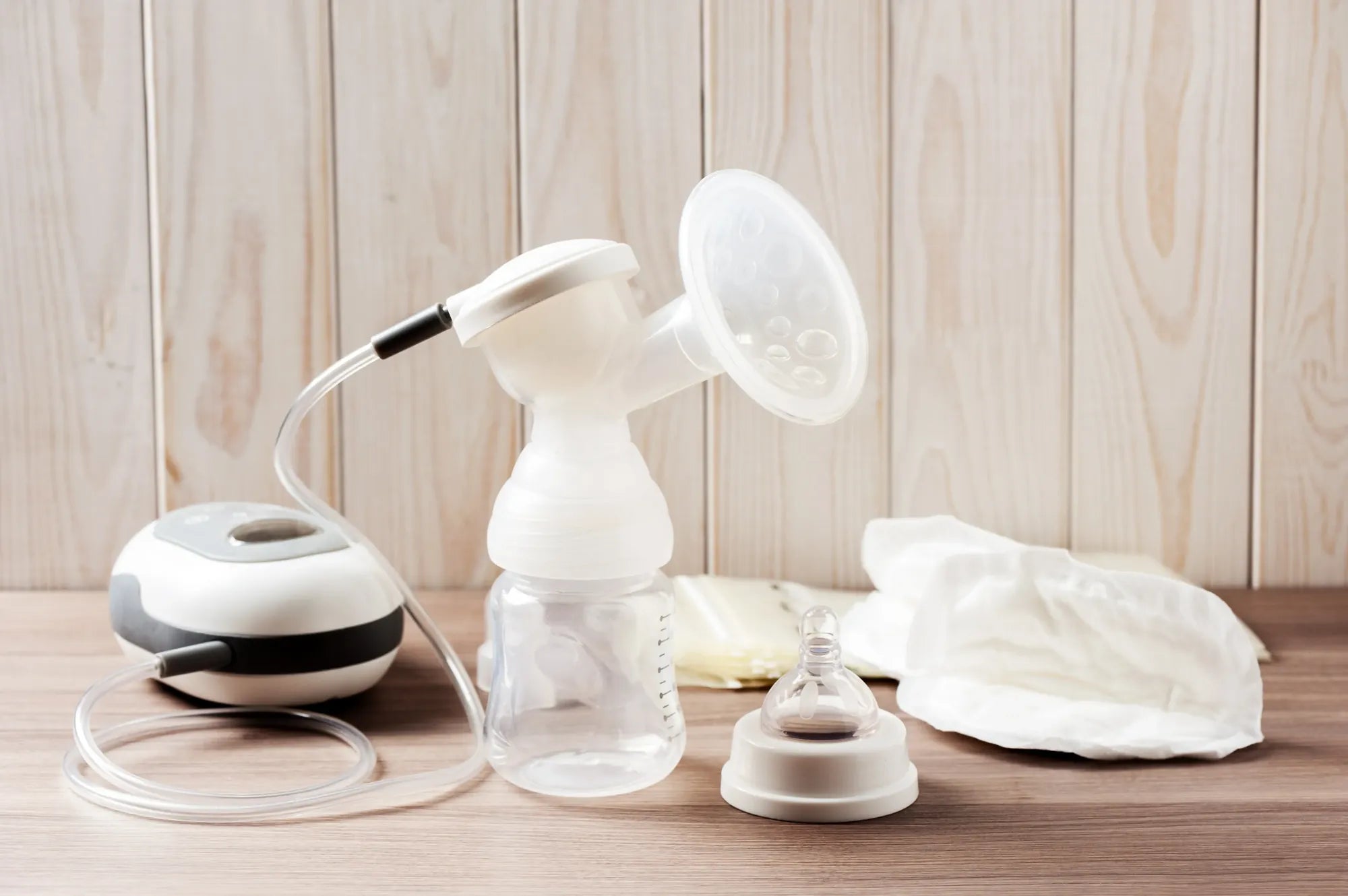
Your breast pump flange is far more than a simple plastic or silicone funnel. It is the crucial interface between your body and the machine, responsible for creating the seal that allows suction to work effectively. A proper flange fit facilitates comfortable, efficient milk removal, which is essential for maintaining milk supply and preventing common issues like clogs and mastitis. Understanding this component is the first step toward a sustainable pumping routine.
An ill-fitting or worn-out flange can sabotage your entire effort. It can lead to pain, reduced output, and frustration, potentially shortening your breastfeeding or pumping journey. This guide will provide you with the knowledge to assess, maintain, and replace this vital part. We'll explore the tangible signs of wear, the impact on performance, and how to choose replacements that support your body's needs.
At MomMed, a trusted maternal and baby care brand, we specialize in creating reliable, comfortable, and innovative products for moms. Our focus is on empowering you with information and solutions, like our BPA-free, food-grade silicone flanges, designed to make pumping a more manageable part of your day. The question "Do you need to replace breast pump flanges?" is one every pumping parent should ask regularly.
This comprehensive guide will answer that question in detail, covering everything from visual inspection cues to the physiological changes in your body that demand a new size. We'll provide clear, actionable steps to ensure your pumping setup is always working for you, not against you.
Why Flange Replacement Is Non-Negotiable: Beyond Comfort
Viewing flange replacement as a mere accessory update is a common mistake. In reality, it is a core component of pump maintenance that directly impacts your physical health and milk production. Worn or incorrectly sized flanges compromise the system's integrity, leading to a cascade of potential problems that can affect both your well-being and your ability to feed your baby.
First and foremost, poor flange condition or fit drastically reduces pumping efficiency. Cracks, loss of elasticity, or an incorrect internal diameter break the vacuum seal. This forces the pump motor to work harder to maintain suction, often resulting in weaker, ineffective cycles that fail to fully drain the breast. Incomplete emptying is a primary risk factor for clogged ducts, engorgement, and mastitis.
Secondly, the physical toll on your body is significant. Hard plastic or cracked silicone can pinch, pull, or rub the nipple and areola tissue incorrectly. This causes pain, swelling, cracking, and even trauma like blisters or blanching (turning white) of the nipple tip. Persistent pain is not normal and is a clear signal that your setup needs attention.
Ultimately, chronic discomfort and dwindling output create a negative feedback loop. The experience becomes something to dread, which can inhibit let-down reflexes due to stress and may lead a mother to pump less frequently or stop altogether before she intended. Regularly replacing your flanges is a proactive investment in the longevity and success of your feeding journey.
Clear Signs It's Time to Replace Your Breast Pump Flanges
Knowing when to replace your flanges is key. Relying on a calendar date is less effective than performing regular visual and functional checks. Here are the definitive signs that your flanges have reached the end of their service life or no longer fit correctly.
Visible Wear and Tear: The Obvious Red Flags
Inspect your flanges before each use. Hold them up to the light and flex the silicone portions gently. Cracks, even hairline ones, are an immediate fail. These breaches destroy the vacuum seal and can harbor bacteria in places that are difficult to clean. Cloudiness or a sticky texture on plastic or silicone indicates material breakdown.
Check the flexibility of any silicone parts, such as the flange neck or integrated duckbill valves. They should spring back quickly when pinched. If they remain compressed or feel brittle, they have lost their elasticity and will not function properly. Also, look for warping—if the flange no longer sits flat on a table, it will not create an even seal on your breast.
Declining Pumping Performance and Output
Your pump's performance is a direct diagnostic tool. A noticeable loss of suction strength, where you need to increase the vacuum setting significantly to feel the same pull, often points to a flange or valve issue. Sessions may take longer to achieve your usual output, or you may feel your breasts are not fully emptied.
Listen to your pump. A motor that sounds like it's straining, cycling irregularly, or losing rhythm can indicate it's struggling to maintain a vacuum due to air leaks from worn parts. If you see milk backing up into the tubing frequently (assuming your duckbill valves are intact), it can signal a poor seal at the flange.
Discomfort, Pain, and Physical Changes to Nipple Tissue
Pain is your body's most urgent alert system. Discomfort beyond the initial minute of adjustment is not normal. Signs include persistent redness, a pinching sensation, or a feeling that your nipple is being rubbed raw during pumping. Post-pumping, look for a white or purple tip on your nipple (blanching), deep creases, or swelling.
If your nipple appears misshapen or excessively elongated after pumping, or if a large portion of your areola is being pulled into the tunnel, the flange is almost certainly too large. Conversely, if the nipple rubs against the sides of the tunnel throughout the cycle, it is too small. Both scenarios cause damage and reduce milk flow.
Your Body Has Changed Postpartum
Your flange size is not static. In the weeks and months postpartum, hormonal shifts, changes in breast fullness, and weight fluctuations can alter your nipple diameter. Many women start with a larger size due to initial engorgement and edema, then need a smaller size as their bodies regulate.
It's wise to re-measure your nipple diameter every 4-8 weeks, especially if you notice any of the discomfort signs above. A change of just 1-2 millimeters can make a profound difference in comfort and efficiency. Needing a new size is a perfectly valid reason to replace your flanges, even if the old ones look physically intact.
How Often Should You Replace Flanges? Guidelines vs. Reality
Manufacturers typically suggest replacing pump parts, including flanges and valves, every 3-6 months with frequent use. However, this is a general guideline. Your personal replacement schedule should be dictated by the signs of wear discussed above, your pumping frequency, and your maintenance habits.
An exclusive pumper who uses their pump 6-8 times daily will naturally wear out parts much faster than someone who pumps once a day at work. The constant cycling, cleaning, and handling accelerate material fatigue. For heavy users, inspecting monthly and budgeting for replacement every 2-3 months is pragmatic.
Your cleaning routine also affects longevity. Frequent sterilization using steam bags or boiling water can degrade silicone and plastic faster than washing with warm, soapy water. While sterilizing is important, especially for newborns, it does contribute to a faster replacement timeline. Always follow the manufacturer's care instructions.
The bottom line: let your flanges' condition and your comfort be your guide. Don't wait for a part to fail completely. Proactive replacement is a small cost compared to the consequences of a painful clog or a drop in supply. Having a backup set on hand ensures you're never caught without a functional setup.
Choosing Your Replacement Flanges: A Fit and Compatibility Guide
Selecting new flanges isn't just about buying the same size again. It's an opportunity to reassess fit and explore options that could improve your experience. Here’s what to consider.
The Golden Rule: Perfecting Flange Fit
The correct flange size is determined by the diameter of your nipple, not your areola. Measure your nipple width at its base (without compression) in millimeters, preferably after a pumping session when it is relaxed. Add 0-4 mm to that measurement to find your ideal flange tunnel diameter. Your nipple should move freely without much areola pull, and minimal tissue should rub the sides.
Most pumps come with standard 24mm or 28mm flanges, but studies suggest over 50% of women need a different size. Using a flange that is too large can reduce output by failing to stimulate the milk ducts effectively at the base of the nipple. MomMed offers a range of sizes, including less common ones like 17mm, 19mm, and 21mm, to help more moms find their perfect fit.
Material and Design Innovations for Comfort
Traditional hard plastic flanges are being outpaced by softer, more anatomical options. Flanges made from soft, flexible silicone (like MomMed's BPA-free, food-grade silicone) can conform better to the breast, creating a more comfortable seal and reducing friction. Some designs are contoured or angled to mimic a baby's latch.
For those who need extra cushioning or are between sizes, soft silicone cushion inserts are a game-changer. These snap into the tunnel of a hard plastic flange, effectively reducing its internal diameter and providing a padded, flexible surface. MomMed's Comfort Cushion Inserts are designed for this purpose, offering a simple and affordable way to customize fit and comfort.
Ensuring Compatibility with Your Pump Model
Before purchasing, verify that the replacement flanges are compatible with your specific pump. Connection types vary—some twist-lock, some snap-in, and some use tubing adapters. Using incompatible parts can cause air leaks and damage your pump motor over time.
Many wearable pumps, including the MomMed S21 and S12 models, are designed with user-friendly, universal connections. MomMed pumps often include adapters that allow you to use popular third-party flange brands, giving you the flexibility to choose the flange that fits you best while still using your preferred wearable pump motor.
MomMed Flange Solutions: Engineered for the Modern Pumping Mom
At MomMed, we design our pumping systems with the understanding that comfort and efficiency are inseparable. Our products address the common pain points of pumping directly, starting with the flange interface. We believe the right tools can make a challenging routine significantly more manageable.
Our flagship product, the award-winning S21 Double Wearable Breast Pump, embodies this philosophy. It comes packaged with multiple flange sizes (21mm, 24mm, 27mm) right in the box, acknowledging that one size does not fit all. The flanges themselves are crafted from our signature soft, flexible silicone, designed to seal comfortably without pinching. The pump's ultra-quiet, hospital-grade motor provides efficient suction without the strain, protecting the longevity of all parts.
For moms using other pumps or seeking to upgrade their existing setup, we offer standalone Soft Silicone Flanges and Comfort Cushion Inserts. These inserts are a revolutionary solution for moms who find standard sizes just slightly off. They can transform a hard, ill-fitting plastic flange into a soft, custom-fit experience, often eliminating the need to buy an entirely new set of flanges in a different size.
Every MomMed product is made from certified BPA-free, food-grade materials, ensuring the highest safety standard for you and your baby. Our goal is to provide a holistic system—from the wearable pump to the flange that touches your skin—that works in harmony to support your feeding goals with reliability and unparalleled comfort.
Flange Materials Comparison: Hard Plastic vs. Soft Silicone
Choosing the right material can transform your pumping experience. The table below compares the two primary flange material types to help you make an informed decision.
| Feature | Traditional Hard Plastic | Soft, Flexible Silicone (e.g., MomMed) |
|---|---|---|
| Comfort & Seal | Rigid; requires perfect fit for comfort. Can dig into breast tissue. Seal relies on precise size match. | Conforms to breast shape; creates a gentler, more forgiving seal. More comfortable for extended use. |
| Durability | Very durable against cracking but can warp with heat. | Highly flexible and resistant to cracking, but silicone can eventually lose elasticity with heavy use/sterilization. |
| Ease of Cleaning | Easy to clean; non-porous surface. | Easy to clean; non-porous, food-grade surface. |
| Fit Flexibility | None. Size is fixed. | Offers more flexibility; can accommodate slight variations in nipple size during a session. |
| Ideal For | Users with a very standard, consistent nipple size who prefer a rigid feel. | Users seeking maximum comfort, those with sensitive skin, or those who are between standard sizes. |
| Cost Consideration | Often less expensive initially, but may require buying multiple sizes to find fit. | May have a higher initial cost, but can improve efficiency and comfort, reducing need for multiple sizes. |
Frequently Asked Questions (FAQs) on Flange Replacement
Q: Can I just sterilize my old flanges to make them like new?
A> No. Sterilization kills bacteria but does not reverse material degradation. In fact, the heat from frequent sterilizing can accelerate the breakdown of silicone and plastic, making them lose flexibility and become brittle faster.
Q: Do I need to replace the tubing at the same time as the flanges?
A> Not necessarily, but inspect it closely. Tubing should be replaced if you see any milk or moisture inside (a mold risk), if it has cracks, or if it no longer attaches snugly. Tubing generally lasts longer than flanges and valves but is critical for maintaining a closed system.
Q: Are generic or off-brand replacement flanges safe to use?
A> They can be, provided they are certified BPA-free and are truly compatible with your pump model. However, for optimal performance and to ensure warranty validity, using parts from your pump's manufacturer or a reputable brand like MomMed is recommended. Poorly made parts can cause air leaks that strain the pump motor.
Q: How many sets of flanges should I own?
A> For convenience, especially for exclusive or frequent pumpers, having 2-3 complete sets (flanges, valves, bottles) is ideal. This allows you to rotate them through use and cleaning, ensuring you always have a dry, ready-to-use set. It also extends the life of each individual set.
Q: My flange seems fine, but I have sudden pain and lower output. What's wrong?
A> This strongly suggests your body has changed and you need a different flange size. Re-measure your nipple diameter. Also, check the duckbill or backflow protector valves—these small silicone parts wear out much faster than flanges and are a common culprit for sudden suction loss. Replace them every 4-8 weeks with frequent use.
Empowering Your Pumping Journey with the Right Tools
Your breast pump is a significant investment in your feeding journey, and its flanges are the most personal point of contact. Treating them as disposable, maintenance items—not permanent fixtures—is key to protecting that investment and your own well-being. Regular inspection, heeding the signs of wear, and understanding that fit can change are all part of being an informed and empowered pumper.
Choosing to replace your flanges proactively is an act of self-care. It prioritizes your comfort, safeguards your milk supply, and helps prevent painful complications. Whether you opt for the precise fit of a hard plastic flange or the adaptable comfort of soft silicone like MomMed's, the goal is the same: a pumping session that is as effective and comfortable as possible.
Remember, the journey of breastfeeding and pumping is unique and often challenging. Having reliable, well-designed equipment can make a profound difference. MomMed is committed to supporting you with innovative, comfortable, and safe products that address the real-world needs of modern mothers.
Ready to assess your setup or find a more comfortable flange fit? Explore our range of evidence-based solutions designed with your comfort in mind. Shop the MomMed collection at mommed.com for all your breastfeeding and pregnancy needs, from wearable pumps and perfectly sized flanges to essential baby care products.