


Startseite
Pregnancy, Breastfeeding, and Pumping: The Ultimate Guide for Moms
Do You Need a Breast Pump If You Are Breastfeeding? A Complete Guide
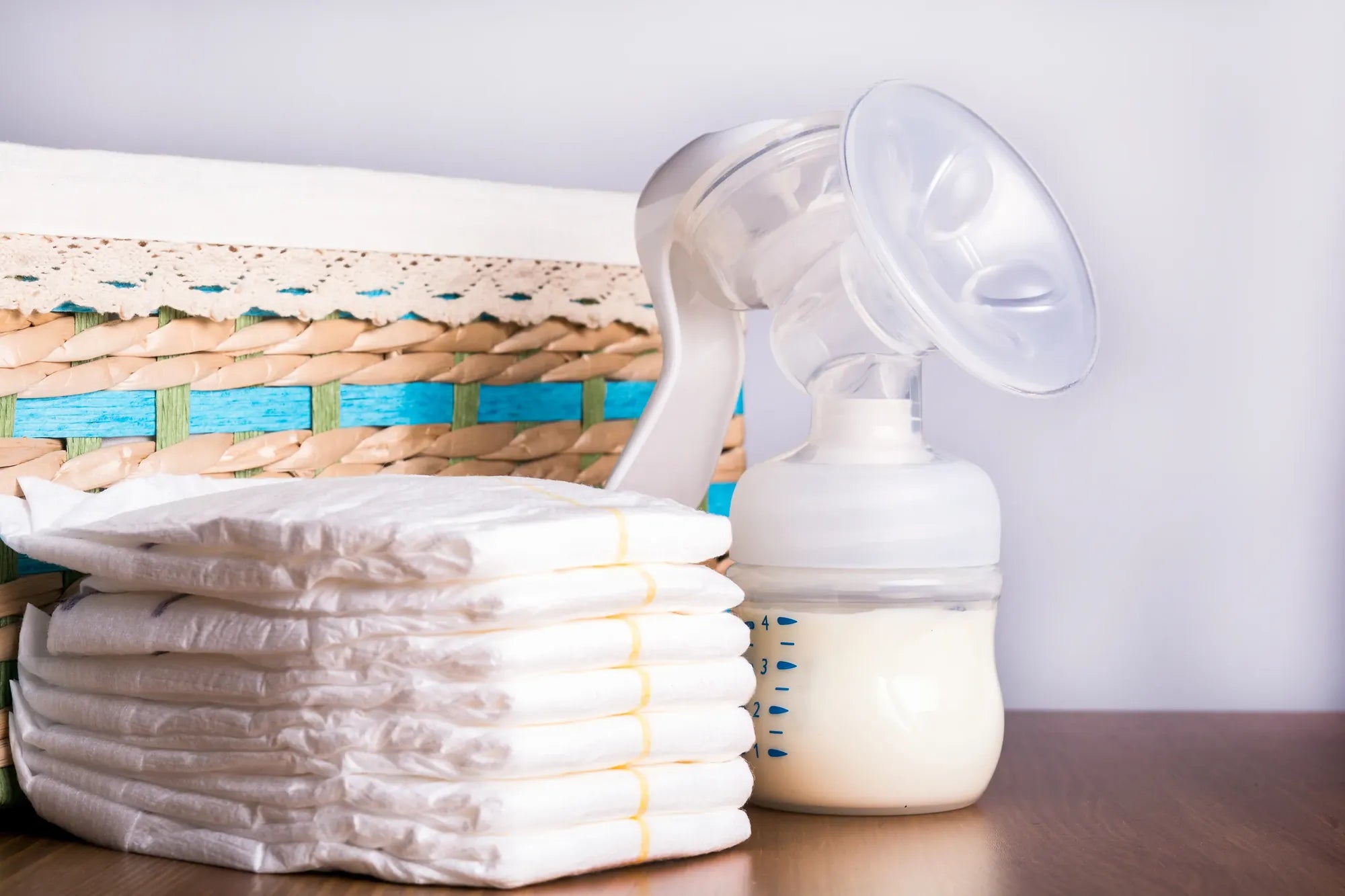
Do You Need a Breast Pump If You Are Breastfeeding? A Complete Guide
Do you need a breast pump if you are breastfeeding? This is one of the most common questions from expectant and new mothers. The short answer is: while not strictly mandatory for every single breastfeeding journey, a quality breast pump is one of the most powerful and versatile tools a modern breastfeeding mother can have in her toolkit. Breastfeeding is a natural biological process, but modern life—with its demands of work, travel, and shared parenting—presents unique challenges that our ancestors didn't face. A breast pump acts not as a replacement for direct nursing, but as a critical support system that can empower your journey, offer crucial flexibility, and help you navigate the inevitable hurdles. This guide will help you assess your personal need based on data, lifestyle, and goals, moving beyond a simple yes or no to a nuanced understanding of how a pump can serve you.
Understanding Your Breastfeeding Goals and Lifestyle
The decision to get a breast pump hinges less on a universal rule and more on a clear-eyed assessment of your personal circumstances. Your daily routine, support system, and personal health factors all play a decisive role. For some, a pump is a lifeline; for others, it's a convenient bonus. By evaluating your situation honestly, you can make an informed choice that supports your mental and physical well-being, which is paramount for sustaining a successful breastfeeding relationship.
Consider your long-term vision. Are you planning to breastfeed exclusively for a year, or are you aiming for a combination of breast milk and formula? Do you envision being the sole feeder, or do you want others to participate? Your answers to these questions will directly inform the level of investment and reliance you might place on a breast pump. Data shows that mothers who set realistic, personalized goals are more likely to feel satisfied and successful in their feeding journey, regardless of the methods used.
The Stay-at-Home vs. Returning-to-Work Dynamic
This is often the most significant determining factor. For mothers returning to work outside the home, a reliable, efficient double electric pump is typically non-negotiable. Regular pumping sessions during work hours are essential to maintain milk supply and provide the milk your baby will need while you're apart. The U.S. Affordable Care Act even mandates insurance coverage for breast pumps, recognizing their necessity for working mothers.
For stay-at-home mothers, the need may seem less urgent, but a pump still offers substantial value. It can provide the occasional break, allowing a partner to handle a nighttime feeding. It can also be instrumental in building a small freezer stash for unexpected events, giving you peace of mind and a tangible backup plan. Even for a SAHM, having a pump on hand for moments of severe engorgement or to manage an oversupply can be a simple relief.
Planning for Shared Feeding Duties
Breastfeeding doesn't have to be a solo mission. One of the most celebrated benefits of pumping is that it allows partners, grandparents, or other caregivers to participate in feeding. This shared responsibility fosters bonding between your baby and other loved ones and provides you with crucial, uninterrupted rest. From a mental health perspective, this break can be transformative, helping to prevent burnout and allowing you to recharge.
Shared feeding duties also empower your partner to be an active participant in the early, often exhausting newborn phase. It creates a tangible sense of teamwork and can alleviate feelings of helplessness they might otherwise experience. This collaborative approach to infant care is linked to higher maternal satisfaction and can strengthen the overall family support system during a demanding time.
Managing Supply and Maternal Health
A breast pump is a vital tool for managing the physiology of milk production. In the early days, if your baby is not latching effectively or is in the NICU, using a hospital-grade pump frequently is the standard medical recommendation to initiate and build a robust milk supply—a process often called "power pumping." It mimics a cluster-feeding baby's pattern, signaling your body to produce more milk.
Conversely, pumps are equally useful for managing oversupply or engorgement by gently removing just enough milk for comfort without over-stimulating production. They are also critical for maintaining supply during temporary separations, maternal illness, or if you need to take a medication that is not compatible with direct nursing. In cases of recurrent clogged ducts or mastitis, using a pump (especially one with a massage/vibration mode) after nursing can help fully drain the breast, which is key to recovery.
The Practical Benefits: More Than Just a Backup Plan
Viewing a breast pump solely as a backup undersells its role as a proactive tool for creating a sustainable and flexible feeding experience. The advantages extend far beyond emergency scenarios, touching on convenience, health management, and personal freedom. For many mothers, these practical benefits make the investment in a quality pump one of their most valued postpartum purchases.
It provides a layer of control in a phase of life that can feel unpredictable. Whether it's ensuring your baby gets breast milk during a date night or having the ability to address a supply concern promptly, the pump puts agency back in your hands. This sense of control is a significant factor in reducing breastfeeding-related anxiety and increasing duration rates.
Creating Flexibility and Freedom
Pumping is the key to unlocking flexibility in your schedule. With a stash of expressed milk, you can run errands, attend a medical appointment, go to the gym, or enjoy an evening out without being tethered to your baby's next feed. This freedom is vital for maintaining your identity and mental well-being outside of motherhood. It allows you to take care of yourself, which in turn makes you a more present and patient caregiver.
This flexibility also extends to your baby's care. It allows you to leave your baby with a trusted caregiver with confidence, knowing they have the nourishment they need. For mothers pursuing further education, running a business, or managing other commitments, this flexibility isn't a luxury—it's a necessity that enables them to balance their various roles without sacrificing their goal of providing breast milk.
Navigating Common Breastfeeding Challenges
A pump is a first-line tool for troubleshooting. For babies with latch difficulties due to tongue-tie or prematurity, pumping allows you to provide your milk via a bottle while you work with a lactation consultant to resolve the underlying issue. It ensures your baby still receives the nutritional and immunological benefits of your milk, and it protects your supply until direct nursing is established.
Furthermore, as mentioned, a pump is indispensable for managing engorgement and clearing clogged ducts. Using a pump after a warm compress and massage can help draw out the clog more effectively than a baby sometimes can. For mothers dealing with nipple damage or pain, pumping can provide a temporary respite to allow for healing while continuing to feed expressed milk, preventing a premature end to the breastfeeding journey.
Building a "Just-in-Case" Stash
The psychological benefit of a small freezer stash cannot be overstated. It provides profound peace of mind. Life with a newborn is unpredictable: you could get the flu, have a dental emergency requiring medication, or face an unexpected family obligation. Having a reserve of your milk means you can handle these curveballs without introducing formula if you don't wish to, or without worrying about your baby going hungry.
Starting a stash early, even just an ounce a day, can build a significant reserve over time without putting pressure on your supply. This "just-in-case" philosophy is about preparedness, not pessimism. It's a practical step that reduces stress and empowers you to handle the unexpected with grace, knowing your baby's feeding plan remains intact.
Choosing Your Pump: Types and Technologies
The breast pump market offers a range of options, from simple manual devices to sophisticated wearable systems. Understanding the differences in efficiency, portability, and use case is crucial to selecting a pump that aligns with your anticipated needs and budget. A mismatch between your lifestyle and your pump's capabilities can lead to frustration and may undermine your pumping efforts. Let's break down the primary categories.
Your choice will be influenced by how often you plan to pump. An occasional pumper has different needs than someone who will be pumping multiple times daily at work. Comfort is also a major factor; a pump that is painful or inefficient will quickly be abandoned. Investing time in research, including reading reviews and consulting with lactation professionals, pays dividends in finding a pump you'll actually use consistently.
Manual vs. Single Electric vs. Double Electric Pumps
Each type serves a distinct purpose. A manual pump is hand-operated, inexpensive, ultra-portable, and silent. It's excellent for occasional use, travel, or as an emergency backup. However, it requires significant hand effort and is less efficient for regular, full-volume pumping sessions, especially if you need to pump both breasts.
A single electric pump automates the suction with a small motor, usually running on batteries or a power cord. It's more efficient than a manual pump but still requires you to pump one breast at a time, which doubles your pumping time. A double electric pump is the standard for mothers who pump regularly. It allows you to express from both breasts simultaneously, cutting session time in half and maximizing efficiency, which is critical for maintaining supply. This is the type most often recommended by lactation consultants for primary pumping.
The Wearable Pump Revolution: Hands-Free Freedom
Wearable breast pumps represent a quantum leap in pumping technology and user experience. These are compact, cordless pumps that fit discreetly inside your bra, with no external tubes or bulky bottles hanging from your chest. This hands-free, in-bra design is a true game-changer for active, multitasking mothers. The core benefit is mobility and discretion.
With a wearable pump, you are no longer anchored to a wall outlet or a specific chair. You can pump while making dinner, working at your computer, caring for an older child, or even commuting. This seamless integration into daily life reduces the perceived burden of pumping, increases compliance with pumping schedules, and significantly improves the quality of life for pumping mothers. It aligns perfectly with the modern demand for technology that adapts to our lives, not the other way around.
Spotlight on Innovation: The MomMed S21 Wearable Pump
As a leader in maternal and baby care innovation, MomMed has developed wearable pump technology that prioritizes both performance and comfort. The award-winning MomMed S21 Double Wearable Breast Pump exemplifies this commitment. Winner of multiple industry awards for design and innovation, the S21 delivers hospital-grade suction performance in a quiet, portable, and discreet wearable form factor.
Key to its effectiveness is its adjustable multiple suction modes and levels. It features a gentle stimulation mode to trigger let-down, followed by a deeper expression mode to efficiently empty the breast, mimicking a baby's natural nursing pattern. Its ultra-quiet operation ensures discretion whether you're in an office or a public space. Most importantly, all parts that come into contact with milk are made from BPA-free, food-grade silicone, ensuring the highest standard of safety for your baby. For mothers seeking a powerful, comfortable, and liberating pumping solution, the S21 is engineered to empower their journey.
Breast Pump Comparison Guide
| Pump Type | Best For | Pros | Cons | Approx. Cost |
|---|---|---|---|---|
| Manual Pump | Occasional use, travel, backup | Inexpensive, silent, ultra-portable, no power needed | Requires hand effort, less efficient, single breast | $30 - $50 |
| Single Electric Pump | Light to moderate occasional pumping | More efficient than manual, often portable | Slower than double pumping, may have weaker motors | $50 - $150 |
| Standard Double Electric | Primary pump for working moms/regular use | Most efficient, saves time, maintains supply well | Less portable, can be bulky/noisy, tubes can be cumbersome | $150 - $300+ |
| Wearable Pump (e.g., MomMed S21) | Active, multitasking moms; discretion & mobility | Complete hands-free use, discreet, highly portable, quiet | Higher initial cost, requires charging, parts may be smaller | $250 - $400 |
| Hospital-Grade Rental | Establishing supply with preemie/NICU, serious supply issues | Most powerful suction, multi-user capability | Not for long-term personal use, monthly rental fee | $50 - $100/month rental |
Essential Pumping Tips for Success
Having the right pump is only half the battle; using it effectively is key. Proper technique, timing, and equipment maintenance are critical for comfort, efficiency, and protecting your milk supply. Many common pumping frustrations—like low output, pain, or damaged parts—can be avoided with a few evidence-based practices. Implementing these tips from the start can make your pumping experience more productive and positive.
First and foremost, ensure you have the correct flange fit. The flange is the funnel-shaped part that surrounds your nipple. A flange that is too large or too small can cause pain, reduce milk output, and damage tissue. Your nipple should move freely in the tunnel without rubbing the sides, and only a small amount of areola should be drawn in. Many pumps, including MomMed's, offer multiple flange size options to ensure a proper, comfortable fit.
Establish a consistent pumping schedule, especially if you are separated from your baby. Mimicking your baby's feeding pattern is the best way to maintain supply. For working moms, this typically means pumping every 2-3 hours during the workday. Always pump for a few minutes after the milk stops flowing to ensure complete drainage and signal your body to keep producing. Hands-on pumping—massaging your breasts before and during pumping—can significantly increase output.
Practice proper hygiene and pump part care. Wash all parts that contact milk in hot, soapy water after each use, and sanitize according to the manufacturer's instructions regularly. Ensure your pump parts, especially valves and membranes, are in good condition; worn-out parts are a leading cause of sudden loss of suction and decreased output. Having a spare set of key parts is a wise investment to avoid interruptions.
Frequently Asked Questions (FAQ)
Q: Will using a pump decrease my milk supply?
A: Absolutely not, when used correctly. Pumping is a form of milk removal, just like nursing. Your body produces milk based on demand. Regular, effective pumping signals your body to make more milk and is the primary method used to increase or maintain supply, especially when you are away from your baby. In fact, not removing milk regularly is what leads to a decrease in supply.
Q: How early should I purchase or obtain a breast pump?
A: It's advisable to have your pump ready by 36-37 weeks of pregnancy. This allows you to familiarize yourself with the parts and operation without the pressure of a newborn crying. It's especially crucial if you have risk factors for early challenges, such as a history of low supply, a planned C-section, or if your baby is expected to have latch issues. Many insurance plans allow you to order your pump during the third trimester.
Q: Is one breast pump enough, or should I have backups?
A: Many experienced pumping moms recommend a two-pump system: a primary workhorse pump (like a double electric or wearable for daily use) and a manual pump as a lightweight, silent, no-power-needed backup for travel, power outages, or emergencies. This strategy ensures you're never caught without a way to express milk, which is vital for comfort and supply maintenance.
Q: How do I know if a wearable pump is effective enough for my needs?
A: Look for key performance indicators. Effective wearable pumps offer multiple modes (stimulation and expression), adjustable suction levels, and claim hospital-grade performance. Read independent reviews focusing on output compared to a traditional pump. Award-winning models, like the MomMed S21, have been validated for their efficiency and are designed to fully empty the breast, which is the gold standard for maintaining supply.
Q: Can I use a breast pump to relieve engorgement?
A: Yes, this is one of its most valuable uses. For painful engorgement, pump just enough to soften the breast and relieve pressure—typically 2-5 minutes per side. Avoid pumping until completely empty, as this can signal your body to produce even more milk, worsening the oversupply. Using a pump with a gentle massage mode can be particularly soothing and effective for this purpose.
Conclusion: Empowering Your Unique Feeding Journey
The question "Do you need a breast pump if you are breastfeeding?" ultimately reframes to "How can a breast pump empower your specific breastfeeding journey?" For countless mothers, it is the indispensable tool that provides flexibility, shares the feeding load, manages health, and offers priceless peace of mind. It bridges the gap between the biological ideal of constant togetherness and the practical realities of contemporary life. While not every mother will use one daily, having access to a quality pump prepares you for a smoother, more adaptable experience.
Modern innovations, particularly in wearable technology, have transformed pumping from a chore into an integrated, discreet part of a mother's day. By assessing your goals, understanding the benefits, and choosing equipment that fits your life—like comfortable, high-performance options from trusted brands—you make a proactive choice for your success and well-being. Your breastfeeding journey is yours to define, and the right tools exist to support your vision, every step of the way.
Ready to explore pumping solutions that fit your life? Shop the award-winning MomMed collection, including the S21 Wearable Breast Pump, at mommed.com for all your breastfeeding, pregnancy, and baby care needs. Discover the comfort, innovation, and reliability trusted by thousands of moms.