


Startseite
Pregnancy, Breastfeeding, and Pumping: The Ultimate Guide for Moms
Do You Have to Sanitize Breast Pump Parts? Essential Tips for Safety
Do You Have to Sanitize Breast Pump Parts? Essential Tips for Safety
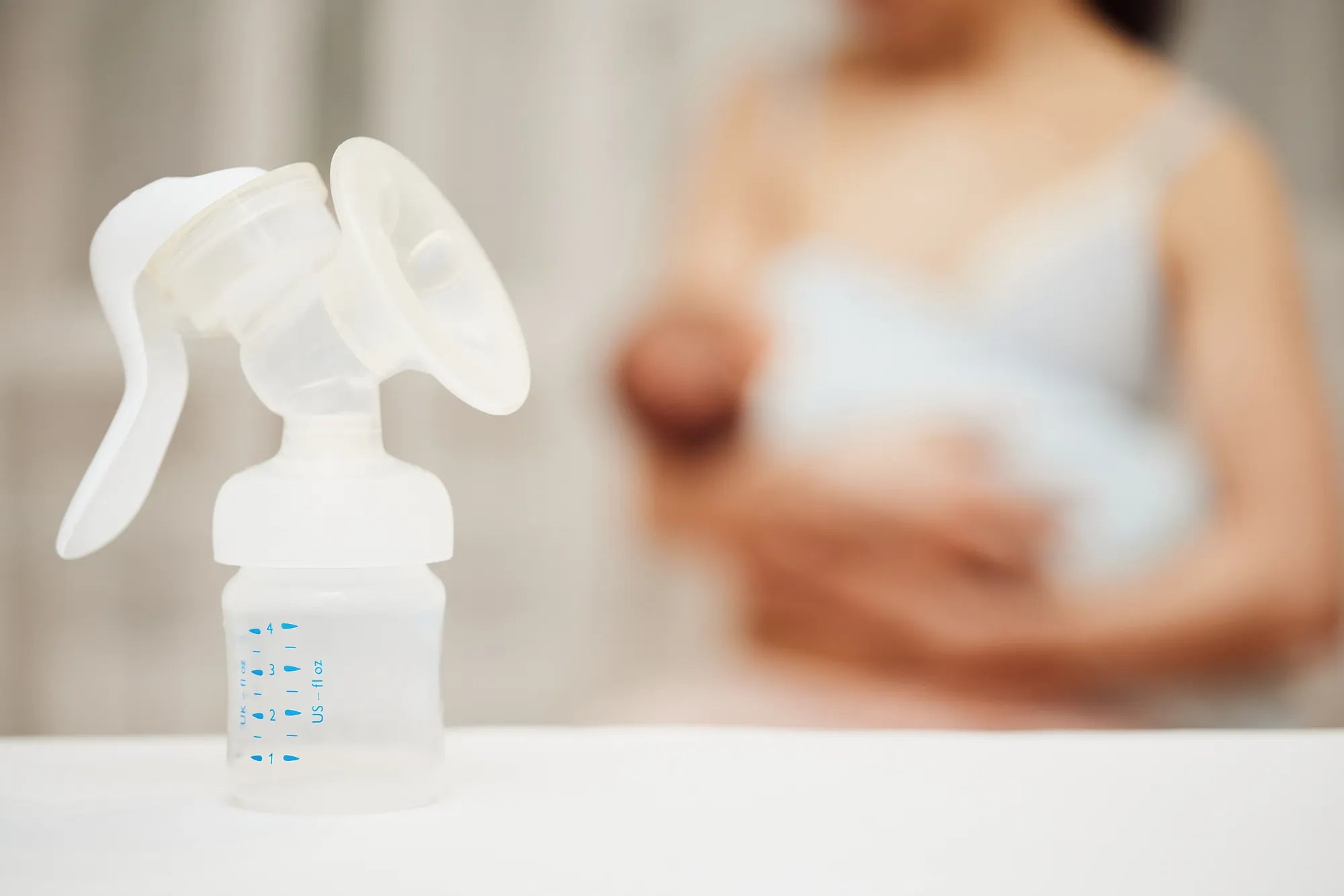
As a breastfeeding parent, your top priority is providing safe, nourishing milk for your baby. Amidst the whirlwind of feedings, diaper changes, and stolen moments of sleep, the maintenance of your breast pump can feel like another daunting task. So, let's address the essential question head-on: Do you have to sanitize breast pump parts? The unequivocal answer from leading health authorities is yes, and understanding the how and why is crucial for your infant's health. This guide will walk you through the official recommendations, debunk common myths, and provide you with a clear, actionable plan to integrate effective sanitization into your daily routine, ensuring safety without overwhelming you.
Understanding the Critical Difference: Cleaning vs. Sanitizing vs. Sterilizing
Before diving into methods, it's vital to define the terms. Many parents use these words interchangeably, but they represent distinct levels of germ control with different applications for breast pump care.
Cleaning is the first and most frequent step. It involves using hot, soapy water and friction to physically remove milk fat, proteins, and visible debris from all pump parts that contact breast milk. Cleaning does not kill germs but removes them from the surface, making subsequent sanitizing or sterilizing more effective. This should be done after every single use of your pump.
Sanitizing is the process of reducing germs on cleaned surfaces to a level considered safe by public health standards. It does not eliminate all microorganisms but kills the vast majority of bacteria, viruses, and fungi that could cause illness. For healthy, full-term babies, sanitizing pump parts at least once per day is the gold-standard recommendation from the CDC.
Sterilizing is the most rigorous process, designed to destroy all forms of microbial life, including bacterial spores. This is typically reserved for specific situations, such as before first use, if your baby is premature, has a compromised immune system, or is under three months old and you are using a previously owned pump. Daily sterilization is generally not required for most families.
Official Guidelines: What the CDC and FDA Recommend
Relying on credible sources eliminates guesswork. The Centers for Disease Control and Prevention (CDC) provides the most comprehensive guidelines for proper pump care, which are echoed by pump manufacturers and lactation consultants.
The CDC's cornerstone recommendation is clear: Sanitize all pump parts that touch breast milk at least once daily. This includes flanges, valves, membranes, connectors, and milk collection bottles. This daily sanitization should follow a thorough cleaning after each pumping session. The guidelines are designed to prevent the growth of harmful bacteria like Cronobacter, which can thrive in the residual milk film left behind.
For specific populations, the advice is more stringent. If your baby is under three months old, was born prematurely, or has a weakened immune system due to illness or medical treatment, your healthcare provider may recommend sanitizing after every use to minimize any risk of infection. Always consult your pediatrician for guidance tailored to your baby's health.
The Food and Drug Administration (FDA), which regulates breast pumps as medical devices, emphasizes following the manufacturer's instructions for care. Reputable brands like MomMed design their pumps, such as the award-winning S21 Wearable model, with BPA-free, food-grade silicone parts that are built to withstand recommended sanitization methods, ensuring both safety and product longevity.
Your Step-by-Step Guide to Safely Sanitize Breast Pump Parts
Effective sanitizing always starts with a perfectly clean surface. Ensure all parts are disassembled, scrubbed with a dedicated brush in hot, soapy water, and rinsed thoroughly. Once clean, choose one of these effective sanitizing methods.
1. The Boiling Water Method
This is a reliable, low-cost technique accessible to everyone. Use a pot dedicated solely to sanitizing baby items. Submerge all cleaned parts fully in a rolling boil of water. Ensure no air bubbles are trapped. Boil for 5 to 10 minutes. Use clean tongs to remove parts and place them on a fresh, clean dish towel or drying rack to air-dry completely. Always check your pump's manual, as some plastic components may not be boil-safe.
2. Steam Sanitizing (Using Microwave Bags or Electric Sterilizers)
Steam sanitizing is a favorite for its convenience and speed. Microwave steam bags use a small amount of water to generate steam that sanitizes parts in just 2-5 minutes. Electric countertop steam sterilizers work on the same principle, often with a drying function. These methods are highly effective and ideal for busy parents. MomMed's silicone and plastic components are fully compatible with steam sanitizing, making post-pumping cleanup a breeze.
3. The Dishwasher Method (If Applicable)
If your pump parts are labeled dishwasher-safe, you can use this hands-off approach. Place small parts like valves and membranes in a closed-top basket or mesh laundry bag to prevent them from falling into the filter. Run the dishwasher using the hot water and heated dry/sanitizing cycle. It's crucial that the cycle includes a final hot dry phase, as residual moisture can promote mold and bacteria growth.
Special Considerations for Wearable Breast Pumps
Wearable pumps like the MomMed S21 or S12 offer incredible freedom, but their integrated design requires mindful cleaning. The core principle remains the same: all parts contacting milk must be cleaned after each use and sanitized daily.
Pay special attention to the intricate valves and backflow protectors. These small silicone pieces are critical for pump function and hygiene. Disassemble them completely according to the manual. Use a small brush to gently scrub inside the valve flaps where milk can collect. Ensure the diaphragm on the motor unit is wiped clean according to instructions, as milk should not enter this compartment.
The good news is that the food-grade, BPA-free silicone used in quality wearable pumps is designed for durability through repeated sanitizing. Whether you choose to boil, steam, or use a dishwasher (if approved), these materials can handle the process, ensuring your pump remains safe session after session.
Common Sanitizing Mistakes and How to Avoid Them
Even with the best intentions, simple errors can compromise safety. Here are the most frequent pitfalls and how to steer clear.
Mistake 1: Not Disassembling All Parts. Bacteria love to hide in crevices. Always take apart every single component—flanges, valves, membranes, connectors, and bottles—before cleaning and sanitizing. Refer to your pump's diagram to ensure you don't miss a piece.
Mistake 2: Improper Drying. Damp parts are a breeding ground for mold and mildew. Never reassemble or store parts while wet. Always allow them to air-dry completely on a clean drying rack or towel in an area with good airflow. Avoid using a dish towel to dry them, as this can transfer lint and germs.
Mistake 3: Using Harsh or Abrasive Cleaners. Bleach, abrasive scrubbers, or harsh detergents can degrade pump materials, creating micro-scratches where bacteria can lodge. Stick to mild, fragrance-free dish soaps and soft brushes designed for baby bottles.
Mistake 4: Ignoring Wear and Tear. Silicone valves and membranes wear out. Stretched, cracked, or cloudy parts do not function properly and cannot be effectively cleaned. Replace these small parts regularly—typically every 1-3 months depending on use—to maintain pump efficiency and hygiene.
Creating a Sustainable Routine: Balancing Safety and Sanity
Consistency is key, but so is practicality. Here’s how to build a routine that protects your baby without consuming your day.
Invest in Multiple Parts Kits. Having 2-3 sets of flanges, bottles, and valves is a game-changer. You can clean parts after a pumping session and have a fresh, pre-sanitized set ready to go immediately for the next feed. This is especially helpful for overnight pumps.
Batch Your Sanitizing. Designate one or two times per day for sanitizing—for example, after the morning pump session and before bed. Use a large pot or your electric sterilizer to sanitize all parts from the day at once. This is more efficient than sanitizing a single set multiple times.
On-the-Go Strategy. When away from home, you cannot always sanitize immediately. The CDC recommends storing used pump parts in a clean, sealed bag or container in a refrigerator or cooler with ice packs for up to 24 hours. This inhibits bacterial growth until you can get home to clean and sanitize them properly. Do not rinse parts with questionable public water before refrigerating, as this can introduce more germs.
Comparison of Sanitization Methods
| Method | How It Works | Time Required | Best For | Key Consideration |
|---|---|---|---|---|
| Boiling | Submersion in rolling water boil. | 15-20 mins (prep + boil) | Budget-conscious users; thorough sanitization. | Risk of warping heat-sensitive plastics; requires dedicated pot. |
| Steam (Microwave Bag) | Steam generated from water in a sealed bag. | ~5-10 mins total | Quick, convenient sanitization; small spaces. | Bags wear out after ~20 uses; must follow bag instructions precisely. |
| Electric Steam Sterilizer | Electric element heats water to create steam. | 10-15 mins cycle (+ dry time) | Families who bottle-feed often; includes drying function. | Countertop space required; higher upfront cost. |
| Dishwasher (Sanitize Cycle) | High-temperature wash and dry cycle. | 1.5 - 2 hours | Ultimate hands-off routine; large volumes of parts. | Only if parts are dishwasher-safe; must have a sanitizing/hot dry cycle. |
Frequently Asked Questions (FAQ)
1. How often do I *really* need to sanitize if I'm exhausted?
The CDC's daily sanitization guideline is the standard for a reason—it significantly reduces the risk of bacterial contamination that could make your baby sick. If you're struggling, focus on the strategies above: get extra parts sets and batch sanitize once a day. The short-term effort far outweighs the risk and stress of a potential infant illness.
2. Can I use baby bottle sterilizing tablets or solutions for my pump parts?
Yes, chemical sanitizing using EPA-registered sanitizing solutions or tablets (following the product's dilution and soak-time instructions) is an acceptable method, particularly for travel or when without access to boiling water or steam. After soaking, you must rinse the parts thoroughly with clean, safe water to remove any chemical residue before air-drying.
3. Do I need to sanitize brand new pump parts before first use?
Absolutely. While new parts are clean from the factory, they are not sterile. Sanitizing before first use removes any potential dust, residues from manufacturing, or handling that may have occurred during shipping and packaging.
4. How do I know if my pump parts are no longer safe to use?
Visible signs dictate replacement: cracked or warped flanges, stretched or torn silicone valves/membranes, cloudiness or deep scratches in plastic bottles, or any persistent mold or mildew that cannot be scrubbed away. Compromised parts harbor bacteria and reduce pump efficiency, impacting milk supply.
5. Is the "sanitize" setting on my dishwasher hot enough?
A proper dishwasher sanitize cycle should reach a final rinse temperature of at least 150°F (65.5°C) and maintain a heated dry cycle. This is sufficient for sanitization. Check your dishwasher manual to confirm its cycle specifications. If it lacks a true sanitize cycle, the hot water wash may clean but not reliably sanitize.
Confidence in Care, More Time for Connection
The question, "Do you have to sanitize breast pump parts?" is answered with a resounding and evidence-based yes. This daily practice is a non-negotiable pillar of safe breast milk feeding, protecting your vulnerable infant from harmful pathogens. By understanding the guidelines, mastering a few simple methods, and creating a realistic routine, you transform this task from a chore into an empowering act of care. It provides the peace of mind that allows you to focus on what truly matters: the bonding, the nourishment, and the joyful moments with your growing baby. Remember, a clean pump is a safe pump, and a simple routine is the foundation of a confident breastfeeding journey. Shop the MomMed collection at mommed.com for all your breastfeeding and pregnancy needs, including wearable pumps designed with easy-cleaning, safety-first features for modern parents.