


Startseite
Pregnancy, Breastfeeding, and Pumping: The Ultimate Guide for Moms
Do I Wash Breast Pump After Every Use: A Comprehensive Guide for Safe Pumping
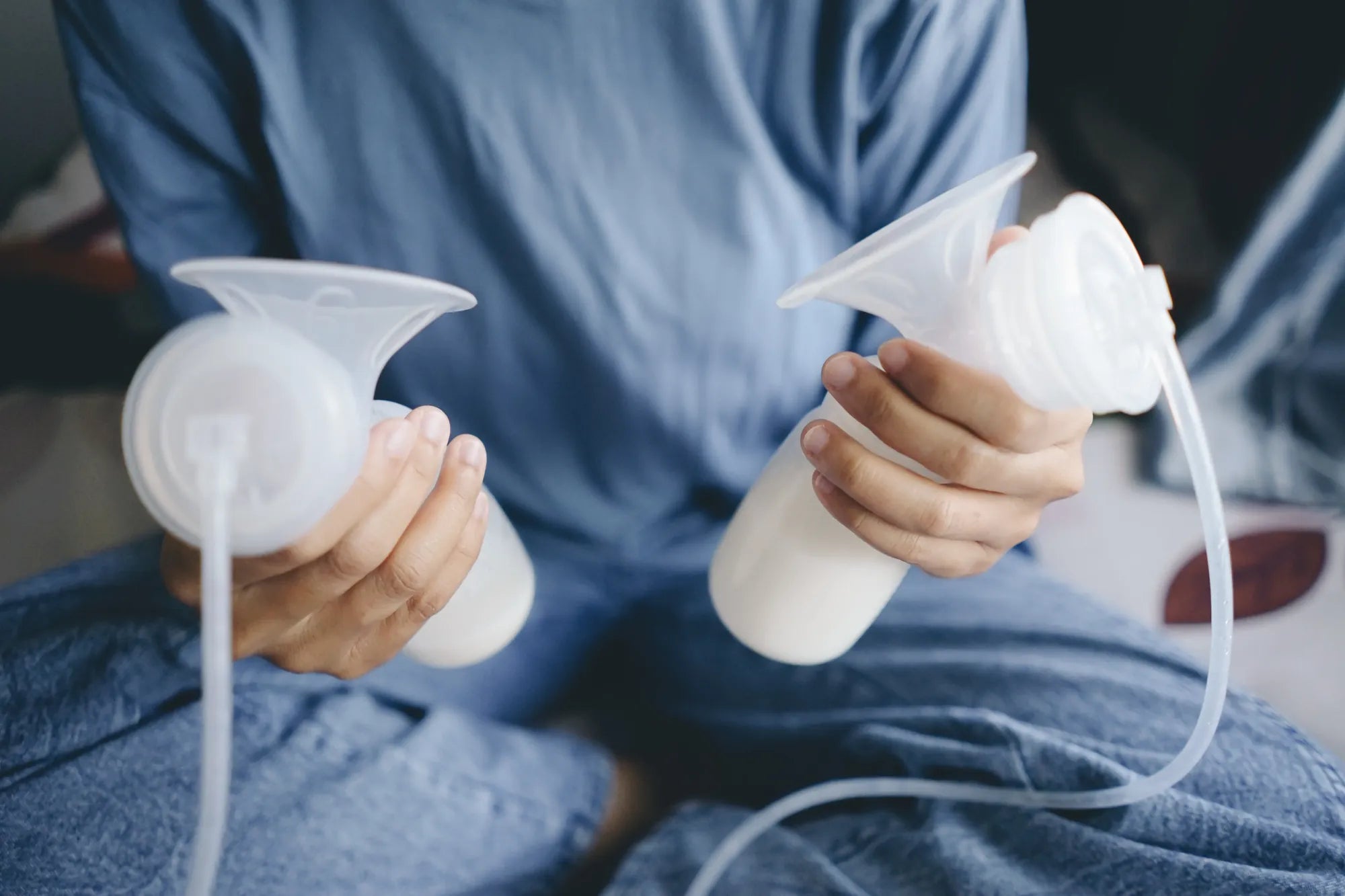
Do I Wash Breast Pump After Every Use: A Comprehensive Guide for Safe Pumping
Introduction: Why Pump Cleaning Is a Top Priority for Your Baby's Health
Every pumping parent faces the same daily dilemma: the meticulous, time-consuming ritual of washing pump parts. While it might feel like just another chore on an endless list, proper breast pump hygiene stands as a non-negotiable pillar of infant health. The simple answer to "Do I wash breast pump after every use?" is a resounding yes, and this guide will explain exactly why and how.
Breast milk is a perfect food, but its nutrient-rich composition also creates an ideal environment for bacteria and viruses to thrive if equipment isn't properly cleaned. Consistent, correct cleaning protects your vulnerable baby from potential pathogens and ensures every ounce of milk you work so hard to express is safe. At MomMed, we understand this balance deeply—our mission is to support your journey with products that prioritize both impeccable safety and genuine convenience.
Understanding the Official Guidelines: What CDC and Experts Say
The Centers for Disease Control and Prevention (CDC) provides clear, evidence-based guidance: all breast pump parts that come into contact with breast milk should be cleaned thoroughly after every use. This isn't a suggestion; it's a standard built on preventing infant illness. The "after every use" rule is crucial because it breaks the cycle of bacterial growth.
Residual milk left in flanges, valves, or bottles is a breeding ground for germs. Of particular concern is Cronobacter, a bacterium that can survive in dry conditions and, while rare, can cause severe infections in infants. The CDC's protocol is designed to eliminate this risk entirely. Lactation consultants and pediatricians universally endorse this standard, especially for newborns, premature infants, or babies with compromised immune systems.
Following this guideline does more than just ensure safety; it also preserves the quality of your milk. Old milk residue can introduce off-flavors or even begin to break down fats, potentially leading to clogged ducts if fatty layers build up in pump parts. Adhering to the "clean after every use" rule is the foundation of a healthy, sustainable pumping routine.
The Step-by-Step Guide to Properly Washing Your Breast Pump Parts
Transforming the CDC's recommendation into a simple, efficient routine is key to making it sustainable. This step-by-step process ensures you eliminate risks without unnecessary stress. Think of it as a mindful ritual for your baby's wellbeing.
Immediate Post-Pumping Protocol
The clock starts ticking as soon as you finish pumping. Do not let pump parts sit at room temperature. Immediately disassemble every component that touched breast milk or your body: flanges, valves, membranes, backflow protectors, and collection bottles or bags.
Rinse each part under cool running water. Using cool water first is important, as hot water can cause the proteins in breast milk to coagulate and stick to the plastic, making them harder to clean later. This quick rinse removes the bulk of the milk and prevents it from drying on the surfaces.
The Full Cleaning Process: Wash, Rinse, Dry
After the initial rinse, wash all parts in a basin or sink dedicated to baby items. Use hot, soapy water and a clean brush designed specifically for pump parts. Scrub every surface, crevice, and threading—pay special attention to valves and membranes where milk can easily get trapped.
Rinse all parts thoroughly under running water to remove all soap residue. Soap left on parts can mix with your next pumping session's milk. Finally, place the parts on a clean, unused dish towel or paper towel, or in a drying rack, to air-dry completely. Do not use a towel to dry them, as this can transfer lint and germs.
Beyond Washing: Sanitizing, Storage, and Special Scenarios
While washing after every use is the daily standard, a complete hygiene strategy includes sanitizing, proper storage, and plans for real-world challenges. This comprehensive approach closes all potential gaps in your pump care routine.
When and How to Sanitize Your Pump Parts
Sanitizing goes beyond washing to kill more germs. The CDC recommends sanitizing pump parts at least once per day, especially if your baby is under 3 months old, was born prematurely, or has a weakened immune system. Sanitizing is a critical extra layer of protection during these vulnerable stages.
You can sanitize using one of several methods: boiling in water for 5 minutes, using a microwave steam sanitizing bag, or using a dishwasher with a sanitizing cycle (if the parts are dishwasher-safe). Always check your pump manufacturer's instructions. For MomMed parts, which are made from durable, BPA-free materials, boiling or steam bags are effective and safe daily options.
Smart Storage for Clean Parts
Once parts are completely air-dried, store them in a clean, protected place to prevent recontamination. A clean, lidded container or a resealable bag kept in a dry cupboard is ideal. Do not store parts while they are even slightly damp, as a moist, enclosed environment encourages mold and bacterial growth.
This practice is just as important as the cleaning itself. Proper storage ensures that the work you put into washing isn't undone by dust, pet dander, or kitchen contaminants settling on your clean parts before the next use.
Handling "On-the-Go" Pumping and the Fridge Hack
For times when immediate washing is impossible—like at work or while traveling—some parents use the "refrigerator method." This involves placing the used, assembled pump parts in a sealed bag or container and storing them in the refrigerator between pumping sessions during the same day.
It is vital to note this is a practical workaround, not the CDC's official guideline. The CDC states there is limited research on the safety of this method. If you choose this option, it should only be for a healthy, full-term baby, and the parts must still be washed well at the end of the day. Always consult your pediatrician before relying on this method.
How MomMed's Design Supports Your Pumping Hygiene Journey
At MomMed, we believe product design should actively reduce the burden of maintenance while upholding the highest safety standards. Our breast pumps, like the award-winning S21 Double Wearable Breast Pump, are engineered with the cleaning ritual in mind, making compliance with the "wash after every use" rule more manageable.
Fewer Parts, Simpler Cleaning
Complex pumps with many small pieces are difficult to clean thoroughly. MomMed wearable pumps feature an intuitive, streamlined design with fewer connections and seams where milk can hide. The easy-to-disassemble parts, like those on our S12 Single Wearable model, simplify the washing process, encouraging consistent hygiene without the frustration.
Safety in Materials: BPA-Free and Food-Grade
Every MomMed component that contacts breast milk is crafted from certified BPA-free, food-grade silicone and plastics. These materials are not only safe for your baby but are also durable enough to withstand daily washing and sanitizing without degrading, cracking, or leaching harmful chemicals. This material integrity is fundamental to a safe pumping routine.
Durability for Repeated Cleaning
A pump is a long-term investment. MomMed parts are rigorously tested for durability, ensuring they maintain their shape, seal, and functionality through hundreds of cycles of washing, rinsing, and sanitizing. This reliability means you can follow the strictest cleaning protocol with confidence that your equipment won't fail you.
Comparison of Cleaning Methods for Breast Pump Parts
| Method | Process | Frequency | Best For | Key Consideration |
|---|---|---|---|---|
| Hand Washing | Hot, soapy water with dedicated brush, air dry. | After every single use. | Daily, routine cleaning. All babies. | Essential base practice. Must be done meticulously. |
| Dishwasher (Top Rack) | Place on top rack, use hot water & drying cycle. | Can be used for daily washes if parts are dishwasher-safe. | Parents needing hands-off routine. Check manufacturer specs. | May reduce part longevity over time. Not all parts are safe for dishwasher. |
| Steam Sanitizing (Microwave Bag) | Use steam bag per instructions, typically 3-5 mins. | At least once daily for young/vulnerable infants. | Quick, effective sanitization. Great for travel. | Excellent for killing germs after washing. Does not replace washing. |
| Boiling | Submerge in rolling boil for 5 minutes. | At least once daily, or per pediatrician advice. | A thorough sanitization without special equipment. | Ensure parts are boil-safe. Can be hard on some plastics over time. |
| Refrigerator Method | Seal used parts in bag, store in fridge between sessions. | A practical deviation, not official guideline. | On-the-go pumping for healthy, full-term babies only. | Consult pediatrician. Parts MUST be washed well at day's end. |
Common Questions and Concerns About Pump Cleaning (FAQ)
Q1: Can I just rinse my pump parts with hot water if I'm in a hurry?
A: No. Rinsing, even with hot water, does not remove the milk fat and proteins effectively. Soap and mechanical scrubbing are necessary to break down the lipids and remove all organic material where bacteria grow. A quick rinse is only the first step in the full washing process.
Q2: Do I need to wash the tubing of my breast pump?
A: Generally, no, unless milk has backed up into the tubing. The tubing carries air, not milk. If condensation or milk gets inside, it must be washed and dried thoroughly (hang to dry). Otherwise, keeping it dry and occasionally checking for mold is sufficient. For closed-system pumps like MomMed's, milk should never enter the tubing.
Q3: Are MomMed pump parts dishwasher safe?
A: Most MomMed pump parts, including bottles and flanges, are top-rack dishwasher safe for convenience. However, handwashing is always recommended for optimal longevity and to preserve the integrity of sensitive parts like valves and membranes. Always refer to your specific product manual.
Q4: What if I forget and leave my pump parts unwashed overnight?
A: If parts have been sitting with milk residue for over 8-12 hours, a simple wash may not be sufficient. You should follow a full sanitization process (boil or steam) after washing them very thoroughly. If any visible mold is present, the part should be replaced immediately.
Q5: How often should I replace pump parts like valves and membranes?
A: Wearable parts degrade with use. Valves and membranes (duckbills) should be replaced every 4-8 weeks with frequent pumping, or as soon as you notice a decrease in suction strength. Regular replacement is a key part of maintenance that ensures both performance and hygiene.
Conclusion: Clean Care for Confidence and Peace of Mind
The commitment to washing your breast pump after every use is one of the most tangible expressions of care in your pumping journey. It is a practice rooted in science, recommended by experts, and fundamental to your infant's health. While it demands consistency, the payoff is immense: the confidence that every bottle you offer is pure, safe, and nourishing.
This comprehensive guide to the question "Do I wash breast pump after every use?" affirms that this routine, supported by proper sanitizing and storage, is non-negotiable for safety. By choosing equipment designed with this reality in mind—like MomMed's easy-clean, durable, and safe products—you integrate this critical practice into your life with greater ease and less stress. Your dedication to this process is a powerful part of your story as a parent. Shop the MomMed collection at mommed.com for breast pumps and accessories designed to support your hygiene, comfort, and success at every stage.