


Startseite
Pregnancy, Breastfeeding, and Pumping: The Ultimate Guide for Moms
Do Girls Feel Like Cows When Breast Pumping? Exploring the Emotional Side
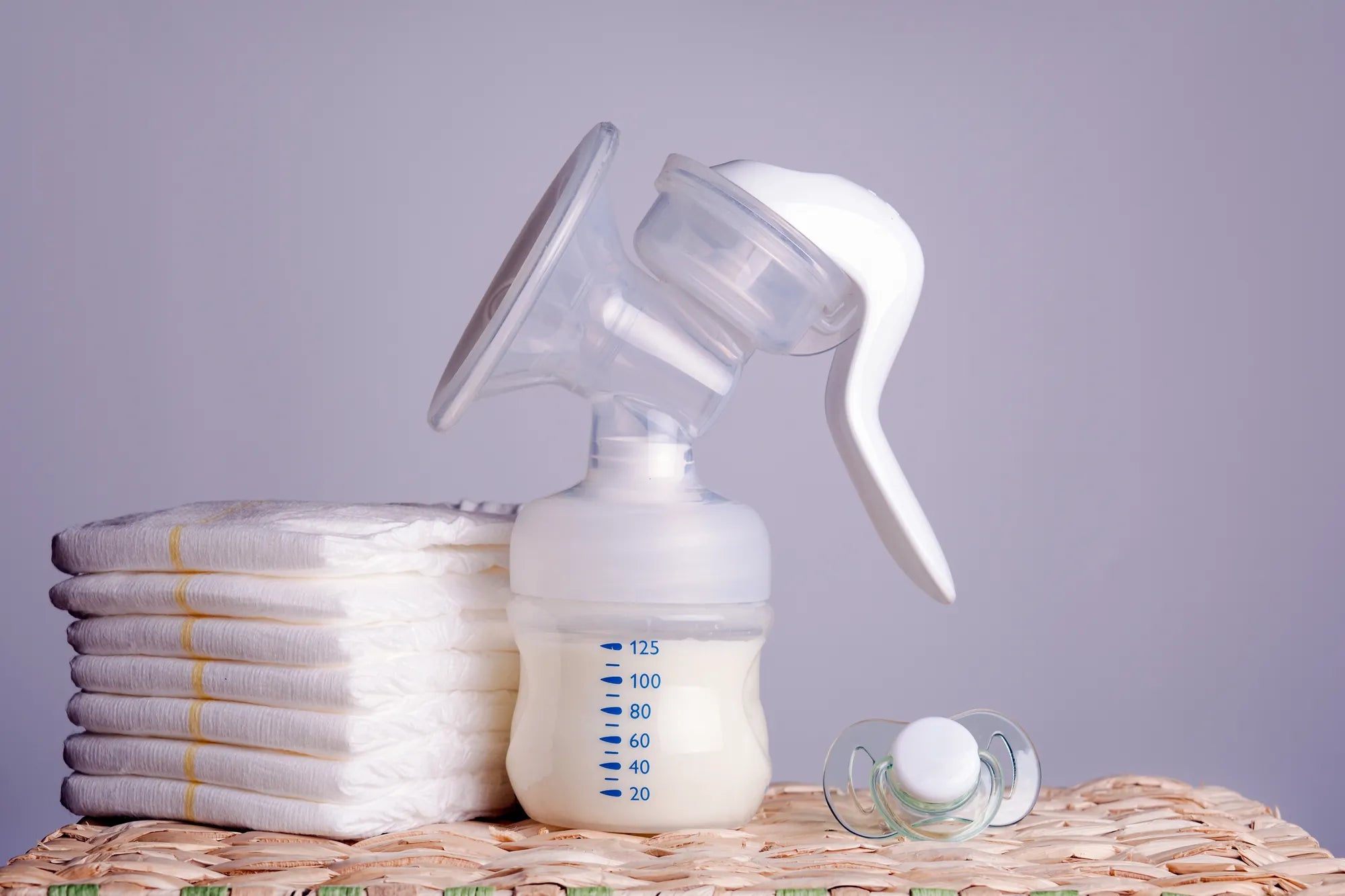
Do Girls Feel Like Cows When Breast Pumping? Exploring the Emotional Side
Introduction: Beyond the Mechanics – Acknowledging the Emotional Journey of Pumping
The question, 'Do girls feel like cows when breast pumping?' is more than a quirky query. It's a raw, honest metaphor that surfaces in mom groups, therapy sessions, and private moments of frustration. This feeling points to a profound emotional experience that exists alongside the physical act of providing milk.
Pumping is often discussed in terms of ounces, schedules, and flange sizes. Yet, the psychological impact—the sense of being mechanized, tethered, and reduced to a biological function—is frequently overlooked. This article validates that emotional reality. We will explore why the 'dairy cow' comparison resonates, provide actionable strategies to reclaim your narrative, and examine how the right tools can transform the experience from one of detachment to one of empowered connection.
Understanding the 'Dairy Cow' Feeling: Why This Metaphor Resonates
The metaphor isn't random; it's psychologically apt. A 2019 qualitative study in the Journal of Human Lactation found that feelings of being 'bovine' or 'machine-like' were common among exclusively pumping mothers. This stems from several interconnected factors that make the comparison painfully accurate for many.
First, the mechanical, repetitive nature of the act. The rhythmic sound and motion of a pump can feel industrial, separating the intimate act of feeding from the emotional connection. Second, the intense focus on output. Tracking ounces per session can lead to a quantification of self-worth, mirroring the productivity metrics of livestock. The language itself—'output,' 'supply,' 'let-down'—can feel depersonalizing.
Third, the physical reality of being tethered. Being plugged into a wall or limited by tubing creates a literal loss of freedom, reinforcing a sense of being stuck. Finally, there's the occasional depersonalization. When the primary identity felt during a session is 'milk producer,' it can temporarily overshadow other identities like partner, professional, or individual.
Recognizing these triggers is the first step toward addressing them. It's crucial to understand that having these feelings does not diminish your love for your baby; it highlights the immense dedication and physical labor involved in this feeding path.
Reclaiming Your Narrative: Strategies to Shift Your Mindset
Moving from a state of feeling like a 'feeding machine' to feeling like an empowered provider involves intentional cognitive and behavioral shifts. These evidence-based strategies can help reframe the pumping experience.
Reframing the Purpose: From Chore to Nourishment
Instead of viewing pumping as a tedious extraction, frame it as an active, powerful choice to provide for your baby. This is especially potent for mothers who pump to return to work. Each session represents foresight, love, and commitment—ensuring your baby has your milk even when you're apart. Cognitive behavioral techniques suggest that consciously labeling the action with positive intent can alter emotional response over time.
Creating a Pumping Sanctuary: Rituals and Environment
Your environment significantly impacts your mindset. Dedicate a comfortable, private space with supportive seating, good lighting, and items that bring you joy. Establish a relaxing pre-pump ritual: deep breathing, hydration with a favorite drink, or applying a warm compress. During pumping, engage in activities that distract or uplift you—listen to a podcast, scroll through photos of your baby, or watch a show. Personalizing this time reclaims it as your own.
How the Right Gear Can Make an Emotional Difference: The MomMed Approach
While mindset is powerful, the physical tools you use play a critical role in shaping your emotional experience. Innovative, mom-centric design can directly combat feelings of being machine-like or tethered. MomMed, a trusted maternal and baby care brand, specializes in creating products that prioritize both efficiency and maternal well-being.
The Freedom of Hands-Free: Wearable Pumps as a Game-Changer
The single biggest factor in alleviating the 'tethered cow' sensation is mobility. Wearable, in-bra pumps liberate you from the wall outlet and the chair. MomMed's award-winning S21 Double Wearable Breast Pump, for example, is designed for complete discretion and movement. The emotional benefit is profound: you can prepare a meal, care for an older child, work on a laptop, or simply relax on the couch without being anchored. This restores a sense of normalcy and control.
Comfort and Control: Suction Modes That Work for You
Discomfort and pain exacerbate negative emotions. A pump that feels invasive or painful can make sessions feel like an ordeal. MomMed pumps feature fully adjustable suction modes and levels, mimicking a baby's natural nursing pattern. This personalized comfort puts you in the driver's seat. The ability to find a setting that feels effective yet gentle transforms the sensation from one of extraction to one of efficient milk removal on your terms.
Quiet Confidence: Discreet Pumping for Peace of Mind
The audible whirr of a pump can heighten self-consciousness and stress, whether you're at work, in a shared space, or near a sleeping baby. MomMed pumps are engineered with ultra-quiet motors. This discretion reduces anxiety, allowing you to pump without drawing unwanted attention or disturbing others. The peace of mind that comes with quiet operation is a subtle but significant emotional support.
Comparing Pumping Experiences: Traditional vs. Wearable Design
The following table illustrates how different pump designs directly influence the emotional and practical aspects of the experience, often linked to the 'dairy cow' feeling.
| Aspect | Traditional Plug-In/Electric Pump | Wearable Pump (e.g., MomMed S21) | Emotional Impact |
|---|---|---|---|
| Mobility | Very limited; tethered to outlet and machine. | Full mobility; hands-free and cordless. | Reduces feeling trapped; increases autonomy. |
| Discretion & Noise | Often louder, more visible setup. | Ultra-quiet, fits inside bra, very discreet. | Lowers anxiety and self-consciousness. |
| Session Mindset | Often a 'stop everything' task. | Can be integrated into other light activities. | Shifts from 'chore' to 'integrated task.' |
| Comfort & Control | Typically adjustable, but while stationary. | Adjustable with enhanced comfort for movement. | Personalized comfort fosters positive association. |
You Are Not Alone: Normalizing the Spectrum of Pumping Emotions
It is vital to normalize the full range of emotions surrounding pumping. You may feel pride, frustration, determination, resentment, love, and detachment—sometimes all in one day. This ambivalence is a normal part of the journey. Connecting with others who understand is powerful.
Seek out support from partners, friends, lactation consultants (IBCLCs), or online communities of pumping mothers. Sharing the 'cow' metaphor often elicits nods of recognition and shared stories, which can be incredibly validating. However, it's important to monitor your emotional state.
If feelings of depersonalization, deep sadness, anger, or detachment are pervasive and interfere with daily life, they could be signs of postpartum depression or anxiety. There is no shame in this; seeking support from a healthcare provider or mental health professional is a sign of strength and crucial for your well-being.
Frequently Asked Questions (FAQ)
Is it normal to feel disconnected from my baby when I exclusively pump?
Yes, it is a common experience. The bonding hormones released during direct breastfeeding (like oxytocin) can also be released during pumping, but the lack of physical contact can sometimes create a sense of emotional distance. Combat this by looking at photos/videos of your baby during sessions, smelling an item of their clothing, or having skin-to-skin contact before or after pumping.
How can I increase my comfort while pumping to improve my mood?
Ensure perfect flange fit—an IBCLC can help. Use lubrication. Apply warm compresses before pumping. Choose a pump, like MomMed's models, with multiple, gentle stimulation modes to initiate let-down comfortably. Comfort is directly tied to a more positive emotional experience.
I hate pumping. Does that make me a bad mom?
Absolutely not. Your feelings about the tool (the pump) are separate from your feelings about feeding your baby. Many mothers deeply love providing milk but dislike the process of pumping. It's a mechanical task, and disliking it is as valid as disliking any other repetitive chore. Your dedication to doing it anyway speaks volumes about your commitment.
Can the right pump really change how I feel about pumping?
Yes, significantly. A pump that offers comfort, discretion, and freedom can remove major pain points. For instance, switching from a tethered pump to a wearable like the MomMed S21 can transform sessions from isolating, stationary blocks of time to periods where you regain some personal agency. The right tool reduces friction and can make the process feel more integrated into your life.
When should I be concerned about my feelings around pumping?
If negative feelings are constant, lead to dread that causes you to skip sessions affecting supply, or are accompanied by persistent sadness, anxiety, hopelessness, or intrusive thoughts, consult your doctor or a mental health professional. These could be signs of postpartum mood disorders that require and deserve support.
From 'Feeding Machine' to Empowered Provider
The journey through the question, 'Do girls feel like cows when breast pumping?' reveals a landscape of dedication, complexity, and resilience. This feeling, while understandable, is not an inevitable part of the pumping experience. By acknowledging the emotional weight, intentionally reframing your mindset, creating supportive rituals, and leveraging technology designed for dignity and freedom, you can reshape the narrative.
Pumping is an act of profound love and logistical brilliance. With tools like MomMed's wearable breast pumps, which prioritize your comfort, mobility, and peace of mind, the process can shift from a dehumanizing task to an integrated, empowered part of your motherhood story. You are not a dairy cow; you are a mother making incredible sacrifices and using innovative solutions to nourish your child. Your strength is in both the milk you provide and the boundaries you set for your own well-being.
Ready to explore pumping solutions designed with your emotional and physical comfort in mind? Shop the MomMed collection at mommed.com for all your breastfeeding and pregnancy needs, from award-winning wearable pumps like the S21 to supportive nursing accessories and reliable pregnancy tests.