


Startseite
Pregnancy, Breastfeeding, and Pumping: The Ultimate Guide for Moms
Can You Recycle Breast Pumps? A Comprehensive Sustainability Guide
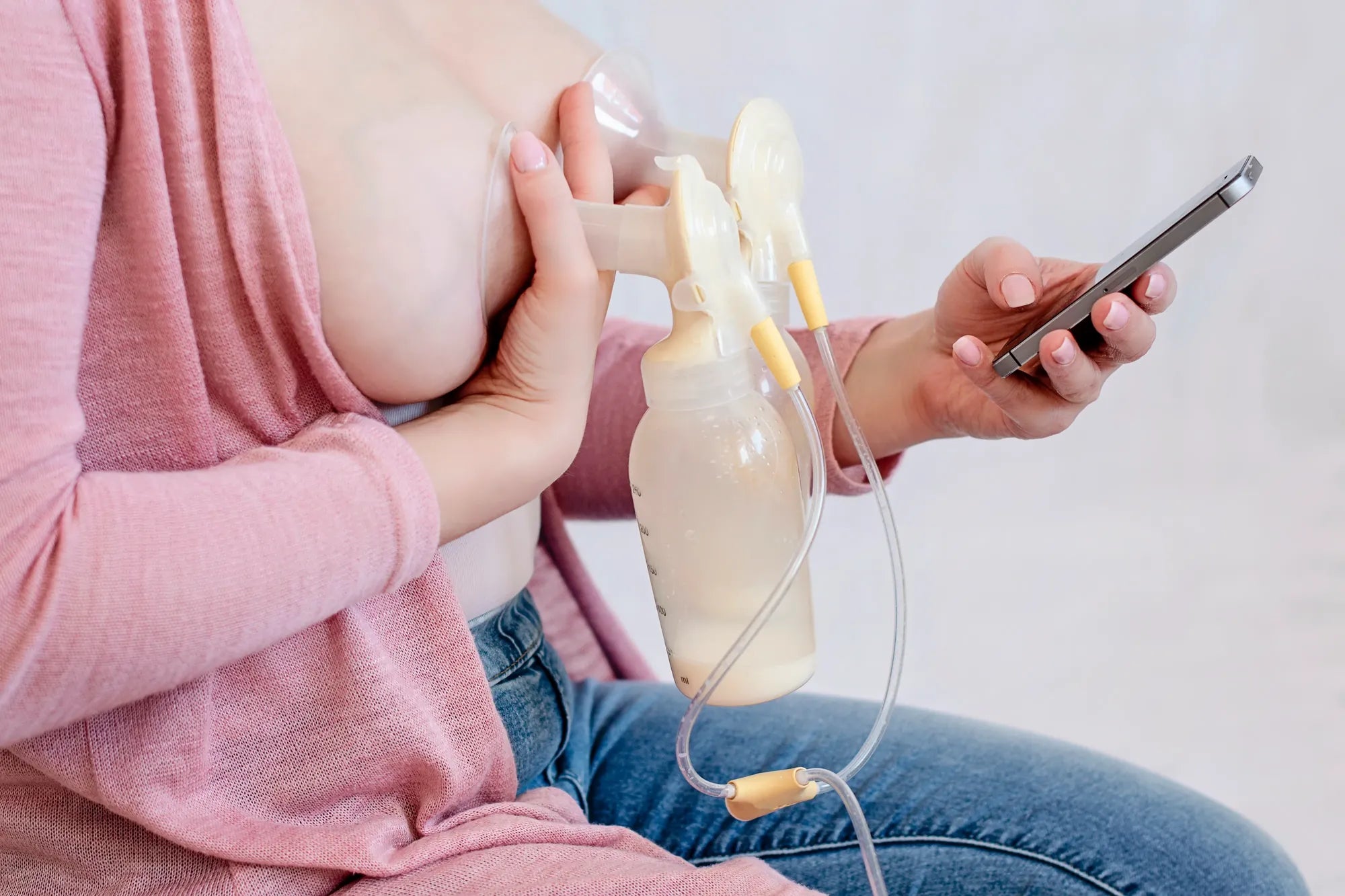
Can You Recycle Breast Pumps? A Comprehensive Sustainability Guide
Navigating Sustainability in Your Breastfeeding Journey
Eco-conscious parents increasingly seek sustainable choices for every aspect of their baby's life, including feeding gear. The question "Can you recycle breast pumps?" is more common than ever, yet the answer is rarely straightforward. This comprehensive guide provides a clear, actionable breakdown of recycling possibilities, manufacturer programs, and responsible disposal methods.
You will learn how to navigate the complex mix of plastics, silicones, and electronics in your pump. We detail step-by-step processes for separating components and identifying proper recycling channels. The guide also explores creative repurposing ideas for parts that cannot be traditionally recycled.
Making informed decisions about your pump's end-of-life reduces landfill waste and supports a circular economy. Every sustainable choice contributes to a healthier planet for your child. Let's demystify the process and empower you with practical knowledge.
We'll cover everything from material science to specific brand initiatives, including insights from MomMed, a trusted maternal and baby care brand. Their focus on durable, hospital-grade products offers a sustainable foundation from the very first purchase.
Understanding Breast Pump Materials: What Are They Made Of?
Breast pumps are complex devices composed of multiple material types, each presenting unique recycling challenges. The motor unit typically contains a small electric motor, circuit boards, batteries, and housing made from ABS (Acrylonitrile Butadiene Styrene) or similar hard plastics. These components classify the main unit as electronic waste (e-waste).
The collection kit—including flanges (shields), valves, membranes, bottles, and tubing—uses different materials. Flanges are often made from polypropylene plastic or food-grade silicone. Bottles may be polypropylene or PET (Polyethylene Terephthalate). Valves and membranes are usually silicone or thermoplastic elastomers.
This material cocktail is why you cannot simply toss an entire breast pump into a single recycling stream. Municipal curbside recycling programs are designed for simple, clean, single-material items like cardboard or PET bottles. A breast pump's integrated electronics and potential biological contamination from milk residue complicate the process immensely.
Brands committed to safety, like MomMed, use BPA-free, food-grade silicone and plastics in all parts that contact breast milk. While this ensures baby's safety, these medical-grade materials still require specialized handling at end-of-life. Understanding this composition is the first step toward responsible recycling.
The Straight Answer: Can You Recycle a Breast Pump?
The direct answer is nuanced: you cannot recycle a complete breast pump through standard curbside programs, but various components can be recycled through specific channels. The feasibility depends entirely on disassembling the pump into its core material groups and finding the appropriate destination for each.
The electric motor unit is universally considered e-waste. It must be taken to a designated electronic waste recycling facility. Placing it in your regular bin or recycling cart can lead to improper disposal in landfills and is often prohibited by local regulations due to hazardous materials in batteries and circuits.
Plastic and silicone parts face two major hurdles: contamination and resin identification. Even thoroughly cleaned parts may be rejected by material recovery facilities (MRFs) due to perceived bio-contamination. Furthermore, many pump parts use plastics not commonly accepted in curbside programs, like polypropylene, which requires checking with your local recycler.
Therefore, recycling a breast pump is a multi-step process of separation, cleaning, and targeted disposal. It requires more effort than recycling a milk jug, but it is a crucial effort for reducing environmental impact. The following sections provide the roadmap to do it correctly.
How to Recycle Your Breast Pump: A Step-by-Step Guide
Follow this structured, four-step guide to maximize the recyclability of your breast pump components. Proper preparation is key to ensuring materials are accepted and actually processed.
Step 1: Consult the Manufacturer's Program
Always start by checking if the pump's manufacturer offers a take-back or recycling program. This is often the most streamlined option. Visit the brand's website or contact their customer service department directly.
Some companies partner with e-waste recyclers or have established mail-back systems for their products. For instance, while exploring options, you can check MomMed's official resources for any current sustainability initiatives regarding product lifecycle management.
Manufacturer programs are designed to handle the specific material composition of their products. If available, this program will provide clear instructions, prepaid shipping labels, or drop-off locations, taking the guesswork out of the process.
If no formal program exists, the manufacturer's website may still have guidance on material composition, which is invaluable for the subsequent steps. Proceed with the following steps if a dedicated program is not an option.
Step 2: Separate Electronic from Non-Electronic Parts
Disassemble your pump completely. The motor unit (containing batteries, electronics, and the hard plastic casing) must be isolated from the collection kit. Unplug and remove any power cords or battery packs as separate items if possible.
For the collection kit—bottles, flanges, backflow protectors, valves, and tubing—clean them thoroughly according to the CDC's guidelines for breast pump cleaning: wash with hot, soapy water and air-dry completely. This step is critical if any parts might be considered for recycling or donation.
Inspect silicone parts (like valves and flange cushions) for tears, stiffness, or discoloration. Damaged silicone has a reduced recycling potential. Sort the cleaned parts by material type: hard plastics, soft silicones, and flexible tubing.
This separation is non-negotiable. Mixing electronics with plastics contaminates recycling streams and can damage sorting machinery at recycling facilities. Taking time here ensures each material stream remains pure.
Step 3: Explore E-Waste and Specialty Recycling
For the motor unit and cords, locate a certified e-waste recycler. Use resources like Earth911's Recycling Search or your local municipal waste authority website. Many communities hold periodic e-waste collection events.
Major retailers often provide drop-off services. Stores like Best Buy, Staples, and Office Depot typically accept small electronics for recycling, often for free. Call ahead to confirm they accept breast pump motors and any associated batteries.
For the plastic and silicone parts, the path is less clear. Most curbside programs do not accept them. However, specialty plastic recyclers might take the clean, hard plastic bottles and flanges. You need to identify the plastic resin code (often a number inside a triangle on the part) and contact local recyclers to see if they process that specific type.
Terracycle is a private company that offers zero-waste boxes for various hard-to-recycle streams, though purchasing one represents an additional cost. Some communities also have "plastic film" recycling at grocery stores, but this is typically for bags and wraps, not rigid pump parts.
Step 4: Investigate Donation and Medical Equipment Reuse
Donation is a form of recycling that keeps the product in use. However, for safety reasons, personal use electric breast pumps are almost never accepted for reuse by another mother due to the risk of microbial contamination in closed-system motors.
Exceptions exist for certain, sterilizable parts. Some organizations may accept collection kits (bottles, flanges) after rigorous sterilization, but you must contact them first. Local women's shelters, diaper banks, or chapters of non-profits like Breastfeeding USA may have specific needs or policies.
Hospital-grade, multi-user pumps are designed for this purpose. These are rented, not donated, and their motors are built with sealed systems that prevent milk backflow. Your personal pump is not equivalent to this medical equipment.
When in doubt, prioritize safety. If donation for direct reuse is not a verifiably safe option, proceed with the material recycling or repurposing paths outlined. The goal is responsible disposal that doesn't compromise another child's health.
Repurposing and Upcycling: Giving Pump Parts a Second Life
When traditional recycling is not viable, creative repurposing extends the life of materials and keeps them out of the landfill. This approach aligns perfectly with a parent's innate resourcefulness.
For Collection Bottles and Caps
Clean breast milk bottles are fantastic for organizing small items. Use them for toddler snacks like raisins or cereal on the go, eliminating single-use baggies. They can hold craft supplies like beads, sequins, or buttons in your hobby area.
In the workshop, use them to sort screws, nails, or bolts. The bottles are also perfect for mixing small amounts of paint for art projects or as non-spill water cups for watercolor painting. Ensure any repurposed bottle is thoroughly cleaned and no longer used for food if it becomes scratched or worn.
For Flanges, Tubing, and Valves
Clean, hard plastic flanges can be used as funnels for pouring dry goods like rice, beans, or birdseed into storage containers. Silicone flange cushions, if in good condition, can be cut into non-slip pads for under vases or small kitchen appliances.
Tubing has limited reuse due to hygiene concerns but can be used in non-food related activities. It can serve as a siphon for aquarium water changes (for a very small tank) or in kids' science experiments to demonstrate fluid dynamics. Never use old pump tubing for anything involving consumable liquids or gases.
The key to safe repurposing is ensuring the new use poses no health risk. If a part is damaged, stained, or cannot be perfectly cleaned, it is better to explore disposal via waste-to-energy facilities (where available) than to risk repurposing it unsafely.
What About MomMed Pumps? Our Commitment to Sustainability
MomMed approaches sustainability through durability and design integrity. The brand's philosophy centers on creating high-quality, reliable products that last through multiple breastfeeding journeys, thereby reducing the need for frequent replacement and overall waste generation.
All MomMed breast pumps, including the popular S21 Double Wearable Breast Pump and S12 Single Wearable model, are constructed with BPA-free, food-grade materials. This commitment to safety and quality means the components are designed for longevity and repeated, safe use. A durable pump that functions effectively for years is inherently more sustainable than one that needs replacing.
MomMed encourages customers to maximize the lifespan of their pumps through proper care and maintenance, using only compatible, authorized replacement parts like valves and membranes to keep the system functioning optimally. The brand's wearable pumps are designed for comfort and efficiency, supporting sustained use which itself is an eco-friendly choice compared to disposable alternatives or less efficient models.
While developing formal take-back programs is an ongoing process in the industry, MomMed is dedicated to providing transparent information about product materials to assist customers in end-of-life decisions. Choosing a well-made pump from a brand like MomMed is the first and most significant sustainable choice a parent can make.
Breast Pump Disposal Options: A Comparative Overview
The table below summarizes the primary pathways for handling a breast pump at the end of its useful life, highlighting the pros, cons, and key considerations for each method.
| Disposal Method | Best For | Process & Requirements | Pros | Cons |
|---|---|---|---|---|
| Manufacturer Take-Back | Motor units & full kits if program exists. | Check brand website; may involve mail-in or drop-off. | Brand handles complexity; highest chance of proper recycling. | Not widely available; may involve fees. |
| E-Waste Recycling | Motor unit, battery, power cord. | Drop off at certified e-waste facility or retailer program. | Proper handling of hazardous materials; widely accessible. | Only covers electronic components. |
| Specialty Plastic Recycling | Clean, hard plastic bottles & flanges. | Identify resin code; find a recycler that accepts it. | Diverts plastic from landfill. | Time-consuming; low acceptance rate; must be impeccably clean. |
| Donation of Parts | Sterilizable collection kit parts only. | Contact shelters/non-profits for approval; must sterilize. | Helps others in need; extends product life. | Extremely limited; never donate motor units. |
| Creative Repurposing | Bottles, flanges, caps in good condition. | Clean thoroughly; assign new, non-food related uses. | Zero waste; fosters creativity. | Requires effort; limited scope for some parts. |
| General Trash (Last Resort) | Broken, soiled, or unusable parts. | Dispose of in regular household waste. | Convenient. | Everything goes to landfill; least sustainable option. |
Frequently Asked Questions (FAQ)
Can I put any breast pump parts in my curbside recycling bin?
Almost certainly not. Curbside recycling is for simple, clean, and common materials like paper, cardboard, #1 (PET) and #2 (HDPE) plastic bottles. The mixed materials, small parts, and potential bio-contamination of breast pump components mean they will likely be sorted out and sent to landfill, potentially contaminating other recyclables in the process.
Are silicone breast pump flanges recyclable?
Silicone is technically recyclable, but not through curbside programs. It requires specialized industrial recycling processes. Some companies, like Terracycle, offer silicone recycling programs, but access is limited. The durability of medical-grade silicone, like that used in MomMed flanges, means it should last a long time, making repurposing a more practical option than seeking silicone-specific recycling.
What should I do with a broken electric pump?
A broken electric pump should be treated as e-waste. Do not attempt to repair it yourself unless you are a qualified technician. Disassemble it, remove any batteries for separate battery recycling, and take the motor unit to an e-waste collection point. The plastic parts can be cleaned and assessed for separate plastic recycling or repurposing if not damaged.
Can I donate my used breast pump to another mother?
It is strongly discouraged to donate a used personal electric breast pump for direct reuse by another mother. Closed-system pumps can still harbor moisture and bacteria in the motor over time, posing a contamination risk. Open-system pumps are an absolute health hazard for cross-contamination. Only certain, sterilizable external parts (like bottles) may be acceptable, and only if a charity explicitly confirms they will accept them.
How does MomMed ensure its products are environmentally considerate?
MomMed focuses on front-end sustainability by engineering durable, hospital-grade pumps designed for long-term use. Using high-quality, BPA-free materials reduces the likelihood of premature failure. The brand promotes proper maintenance and offers genuine replacement parts to extend product lifespan. By creating efficient, comfortable pumps like the S21 Wearable, they support successful, long-term breastfeeding, which itself reduces reliance on formula and associated packaging waste.
Making an Eco-Friendly Choice for You and Baby
Navigating the end-of-life for a breast pump requires more effort than discarding everyday items, but it's a meaningful act of environmental stewardship. The key takeaways are clear: recycling is component-specific, disassembly is mandatory, and manufacturer guidance is the best starting point. When recycling streams are inaccessible, creative repurposing gives materials a valuable second life.
The most significant sustainable decision happens at the point of purchase. Investing in a durable, high-quality pump from a responsible brand like MomMed reduces waste from the outset. A well-made product that supports your breastfeeding journey for one child—or more—embodies the principle of "buy once, buy well."
Every step you take, from proper cleaning to extend product life to researching e-waste drop-off locations, contributes to a healthier planet. Your journey as a parent is filled with choices that shape your child's world; incorporating sustainability into your feeding routine is a powerful legacy.
For your next step in sustainable motherhood, explore gear built to last. Shop the MomMed collection at mommed.com for all your breastfeeding and pregnancy needs, from award-winning wearable pumps to reliable baby care essentials, and join a community committed to quality, comfort, and thoughtful parenting.