


Maison
Grossesse, allaitement et pompage : le guide ultime pour les mamans
Comment savoir quand tirer le lait maternel : un guide complet
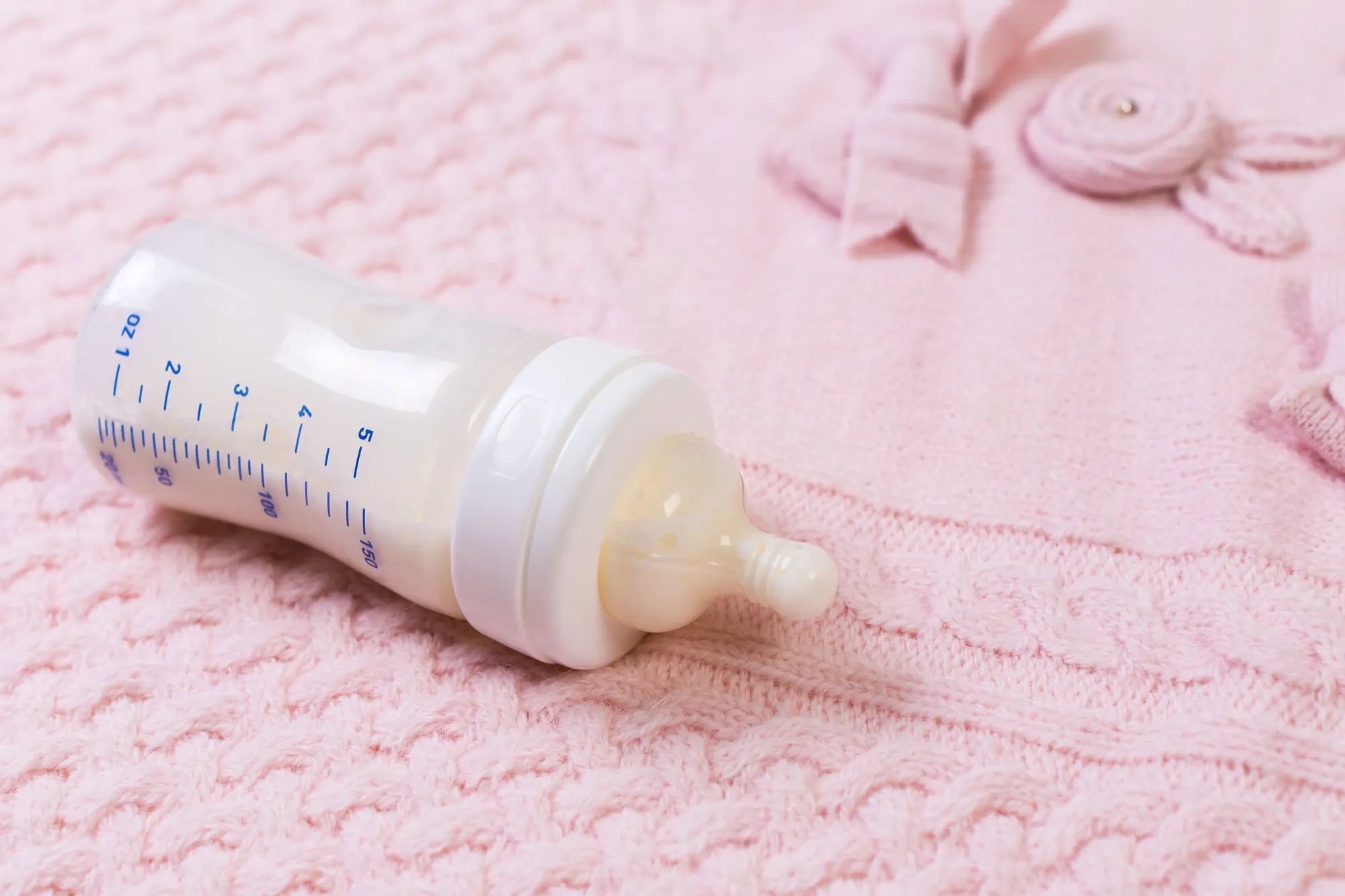
Comment savoir quand tirer le lait maternel : un guide complet
L’allaitement maternel est une façon magnifique et naturelle de nourrir son bébé, mais il peut aussi présenter son lot de défis. L’une des questions les plus fréquentes que se posent les jeunes mamans est : Comment savoir quand tirer mon lait maternel ? Comprendre le bon moment pour tirer son lait peut faire une différence significative dans votre expérience d'allaitement, en garantissant à votre bébé les nutriments dont il a besoin tout en vous offrant la flexibilité nécessaire pour gérer efficacement votre temps.
Comprendre les signaux de votre corps
Votre corps est incroyablement intuitif et vous envoie souvent des signaux lorsqu'il est temps de tirer votre lait. L'un des signes les plus évidents est une sensation de plénitude ou d'inconfort dans les seins. Cette sensation, souvent appelée engorgement, indique que vos seins sont pleins de lait et qu'il faut les vider. Tirer votre lait à ce moment-là peut soulager la pression et prévenir les problèmes comme les canaux lactifères obstrués ou la mastite.
Mise en place d'une routine de pompage
Mettre en place un horaire régulier pour tirer votre lait peut être bénéfique, surtout si vous reprenez le travail ou si vous devez vous absenter de votre bébé pendant une période prolongée. De nombreuses mères trouvent utile de tirer leur lait à la même heure chaque jour, par exemple après la tétée du matin ou avant le coucher. Cette routine permet non seulement de maintenir votre production de lait, mais aussi de vous assurer une réserve constante de lait maternel pour les moments où vous en aurez besoin.
Tirer son lait en fonction des habitudes alimentaires de bébé
Les habitudes alimentaires de votre bébé peuvent aussi vous guider pour savoir quand tirer votre lait. S'il fait de longues siestes la nuit, vous pourriez avoir besoin de tirer votre lait pendant ces périodes pour maintenir votre production. À l'inverse, s'il tète fréquemment à intervalles rapprochés, vous n'aurez peut-être pas besoin de tirer votre lait aussi souvent. Observer les habitudes de votre bébé vous aidera à adapter la fréquence de vos séances de tirage à ses besoins.
Tirer le lait pour constituer une réserve
Si vous souhaitez constituer une réserve de lait maternel au congélateur, tirer votre lait entre les tétées peut être une stratégie efficace. C'est particulièrement utile si vous prévoyez d'être absente de votre bébé pendant une période prolongée ou si vous souhaitez avoir du lait en réserve en cas d'urgence. Tirer votre lait pendant 10 à 15 minutes après la tétée peut stimuler la production de lait.
Reconnaître le besoin de flexibilité
Avoir une routine est certes utile, mais il est tout aussi important de rester flexible. La vie avec un bébé est parfois imprévisible, et il se peut que vous ayez besoin d'adapter votre rythme d'allaitement. Que ce soit en raison d'un changement dans les habitudes alimentaires de votre bébé, de votre propre santé ou de facteurs externes, savoir s'adapter vous permettra de mieux gérer les défis de l'allaitement.
Écoutez votre corps et votre bébé
En définitive, la meilleure façon de savoir quand tirer son lait est d'écouter son corps et son bébé. Soyez attentive aux signaux que votre corps vous envoie, comme la sensation de satiété ou d'inconfort, et observez les habitudes alimentaires de votre bébé. Ainsi, vous pourrez établir un programme de tirage de lait qui vous convienne à toutes les deux, garantissant à votre bébé une alimentation adaptée à ses besoins tout en vous permettant de gérer votre temps efficacement.
L'allaitement est un parcours qui demande de la patience, de la compréhension et parfois un peu d'expérimentation. En apprenant à reconnaître les signes et en instaurant une routine qui vous convient, vous profiterez pleinement de ce lien unique avec votre bébé. N'oubliez pas que chaque mère vit cette expérience différemment et que ce qui fonctionne pour l'une ne fonctionnera pas forcément pour l'autre. Faites confiance à votre instinct et n'hésitez pas à demander de l'aide si besoin.