


Maison
Grossesse, allaitement et pompage : le guide ultime pour les mamans
Le tire-lait vous excite-t-il ? Explorer les aspects psychologiques et physiques
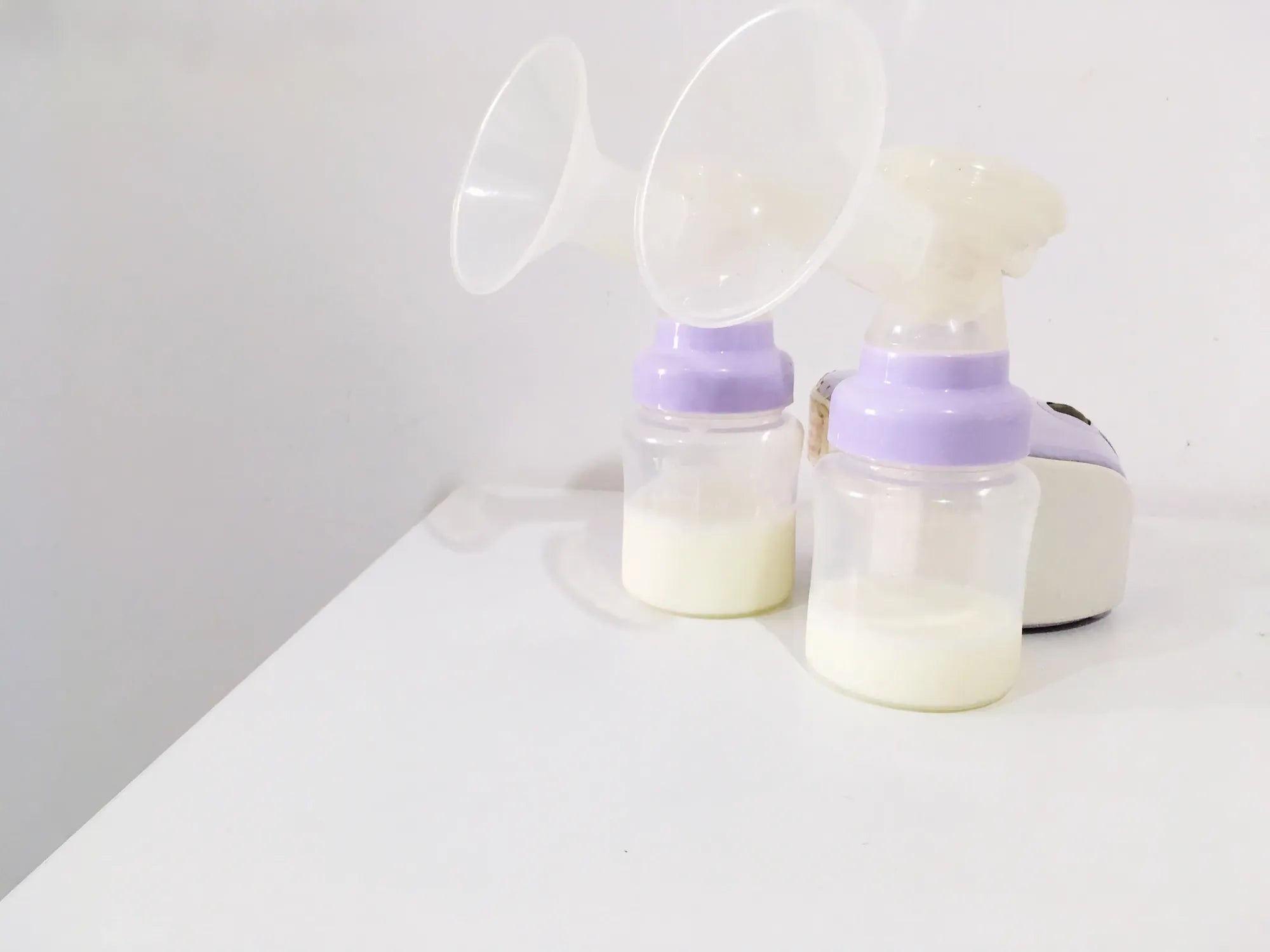
Le tire-lait vous excite-t-il ? Explorer les aspects psychologiques et physiques
L’expression du lait maternel suscite souvent curiosité et débats, notamment quant à ses effets psychologiques et physiques. Bien qu’elle soit avant tout un outil pratique pour les mères allaitantes, certaines personnes s’interrogent sur sa capacité à provoquer une forme d’excitation. Cet article explore la complexité de l’expression du lait maternel, en examinant les réponses physiologiques, les facteurs psychologiques et les perceptions sociétales susceptibles d’influencer ces sensations.
Comprendre le tirage du lait
Le tirage du lait est une méthode utilisée par les mères allaitantes pour extraire leur lait. Il est souvent employé lorsque l'allaitement direct est impossible ou lorsque les mères souhaitent conserver leur lait. Ce procédé consiste à utiliser un dispositif qui imite la succion du bébé, stimulant ainsi la production de lait. Bien que le but principal du tirage du lait soit de nourrir les nourrissons, il peut également avoir d'autres effets sur le corps et l'esprit.
Réponses physiologiques au pompage du lait maternel
L'expression du lait maternel peut déclencher diverses réactions physiologiques. La stimulation des mamelons et des seins peut entraîner la libération d'ocytocine, une hormone souvent appelée « hormone de l'amour ». L'ocytocine est associée à des sentiments de lien affectif, de relaxation et même de plaisir. Chez certaines personnes, cette réponse hormonale peut provoquer des sensations pouvant être interprétées comme de l'excitation. Toutefois, il est important de noter que ces sensations ne sont pas universelles et peuvent varier considérablement d'une personne à l'autre.
Facteurs psychologiques en jeu
Les facteurs psychologiques peuvent également influencer la perception du tirage du lait. Pour certaines, cet acte peut être associé à un sentiment d'autonomie et de bienveillance envers soi-même, contribuant ainsi à leur bien-être général. Pour d'autres, l'expérience peut être plus utilitaire, centrée uniquement sur les aspects pratiques de l'extraction du lait. Par ailleurs, les attitudes sociétales et les normes culturelles peuvent façonner le ressenti des femmes face au tirage du lait. Dans certaines cultures, l'allaitement maternel et le tirage du lait sont considérés comme naturels et valorisés, tandis que dans d'autres, ils peuvent être stigmatisés ou perçus comme tabous.
Perceptions sociétales et stigmatisation
La perception sociale du tirage du lait peut avoir un impact considérable sur la façon dont les femmes le vivent. Dans de nombreuses sociétés, l'allaitement maternel et le tirage du lait sont considérés comme des devoirs maternels, et toute suggestion d'y associer du plaisir ou de l'excitation peut susciter malaise ou jugement. Cette stigmatisation peut engendrer des sentiments de honte ou de culpabilité chez celles qui ressentent des sensations différentes de la norme. Il est essentiel de remettre en question ces attitudes sociétales et de promouvoir une vision plus inclusive et compréhensive du tirage du lait.
Le rôle de l'expérience personnelle
L'expérience personnelle influence fortement la perception du tirage du lait. Pour certaines, c'est une source de réconfort et de détente, tandis que pour d'autres, c'est une tâche nécessaire mais désagréable. Des facteurs comme l'expérience antérieure de l'allaitement, l'image corporelle et les convictions personnelles peuvent tous influencer le ressenti face au tirage du lait. Il est important de comprendre qu'il n'y a pas de « bonne » ou de « mauvaise » façon de vivre le tirage du lait, et que l'expérience de chaque femme est valable.
Exploration des sensations et de l'excitation
Quant à savoir si l'expression du lait maternel peut être excitante, la réponse est complexe et très personnelle. Chez certaines personnes, les réactions physiologiques et les facteurs psychologiques peuvent engendrer des sensations pouvant être interprétées comme de l'excitation. Chez d'autres, l'expérience peut être totalement neutre, voire désagréable. Il est important d'aborder ce sujet avec ouverture d'esprit et sans jugement, en reconnaissant que l'expérience de chaque personne est unique.
Briser les tabous
Briser les tabous qui entourent l'expression du lait maternel est essentiel pour bâtir une société plus inclusive et compréhensive. En abordant ouvertement les différents aspects de cette pratique, notamment son potentiel à susciter l'excitation, nous pouvons remettre en question les normes sociales et promouvoir une vision plus positive de ce processus naturel. Il est important de créer des espaces où chacune se sente à l'aise de partager son expérience et de poser des questions sans crainte d'être jugée ou stigmatisée.
Soutien aux mères allaitantes
Soutenir les mères allaitantes dans leur expérience d'allaitement et d'expression du lait est essentiel à leur bien-être général. Ce soutien peut prendre de nombreuses formes, allant d'une aide pratique à un soutien émotionnel et à une compréhension mutuelle. En normalisant l'expression du lait et en abordant les différents facteurs qui peuvent influencer cette expérience, nous pouvons aider les mères à se sentir plus confiantes et à l'aise avec leurs choix.
L'expression du lait maternel est une expérience profondément personnelle qui peut susciter une grande variété de sensations et d'émotions. La question de savoir si elle est excitante ou non n'est qu'un aspect d'un débat bien plus vaste. En explorant les facteurs physiologiques, psychologiques et sociétaux en jeu, nous pouvons mieux comprendre ce sujet complexe et favoriser un environnement plus inclusif et bienveillant pour les mères allaitantes. Alors, la prochaine fois que vous entendrez quelqu'un demander : « Est-ce que l'expression du lait maternel vous excite ? », rappelez-vous que la réponse est aussi unique que la personne qui la vit.
Partager