


Inicio
Pregnancy, Breastfeeding, and Pumping: The Ultimate Guide for Moms
Should You Pump Breast Milk Before Delivery? What You Need to Know
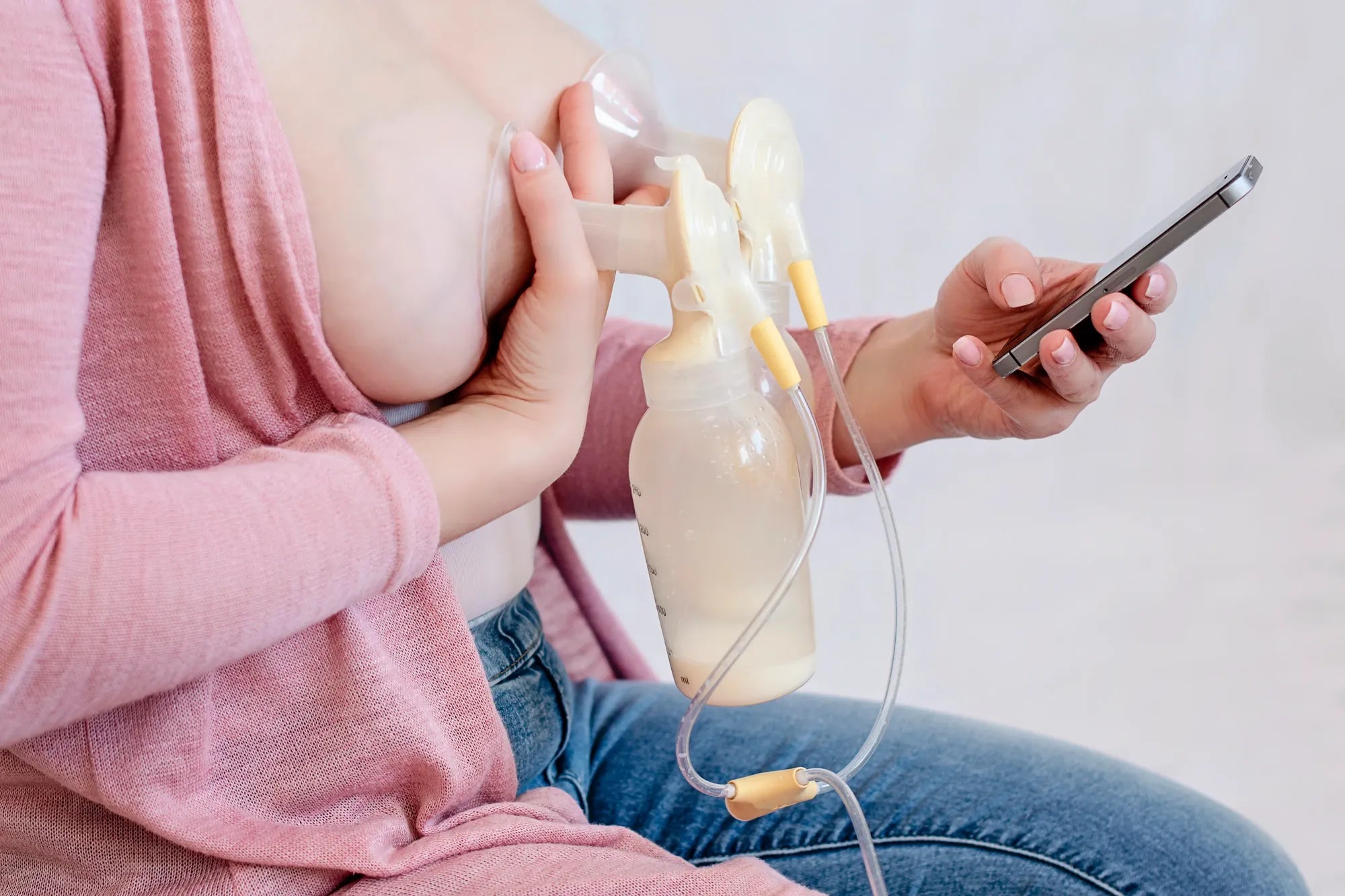
Should You Pump Breast Milk Before Delivery? What You Need to Know
Introduction: Understanding Antenatal Expression of Colostrum
Should you pump breast milk before delivery? This question, often framed as "Should You Pump Breast Milk Before Delivery? What You Need to Know," is a significant one for many expectant mothers. The practice, formally known as Antenatal Colostrum Expression (ACE), involves gently hand-expressing the first milk, called colostrum, in the final weeks of pregnancy.
It's a topic that generates both curiosity and concern. While some view it as a proactive way to prepare for breastfeeding, it's crucial to understand that ACE is not standard prenatal care. It's a specialized intervention that should only be considered under the direct guidance and approval of your healthcare provider.
This guide will provide a detailed, evidence-based exploration of ACE. We'll cover what it is, who might benefit, the critical safety considerations, and clear instructions for those who have received medical clearance. Our goal is to empower you with knowledge, ensuring any decision is made safely and in partnership with your care team.
What is Antenatal Colostrum Expression (ACE)?
Antenatal Colostrum Expression is the careful, manual collection of colostrum before your baby is born. It is essential to distinguish this from traditional postpartum "pumping." Postpartum pumping using an electric or wearable pump like the MomMed S21 is designed to stimulate milk production and remove larger volumes of mature milk.
ACE, in contrast, is a gentle hand-expression technique focused on harvesting small, precious amounts of colostrum. Colostrum is often called "liquid gold" for good reason. It's a thick, concentrated fluid rich in antibodies, proteins, and immune-boosting cells designed to protect your newborn in their first days of life.
This process typically begins only after 36-37 weeks of gestation in a singleton, low-risk pregnancy. The aim is not to stimulate labor or build a large freezer stash, but to collect a small reserve of this vital first food. The volumes are small—measured in milliliters or even drops—but incredibly potent and valuable for a newborn's health.
Understanding this distinction is the first step in answering "Should You Pump Breast Milk Before Delivery? What You Need to Know." It reframes the practice from a general pumping activity to a targeted, medical-adjacent procedure with specific goals and protocols.
Potential Benefits of Collecting Colostrum Before Birth
For mothers with specific medical considerations, collecting colostrum antenatally may offer several advantages. It's important to note these are potential benefits, and they do not apply to every pregnancy. The decision must always be weighed against individual risks.
Building a Colostrum Reserve for Medical Scenarios
The most evidence-supported reason for ACE is to create a reserve for babies who may face challenges with early feeding. If a mother has insulin-dependent diabetes or gestational diabetes, her baby may be at higher risk for low blood sugar (hypoglycemia) after birth.
Having stored colostrum readily available allows medical staff to feed the baby quickly to stabilize blood sugar, often before the mother is ready to nurse directly. Similarly, for babies with known conditions like a cleft palate or for mothers with anatomical variations that may complicate latching, this reserve can be invaluable.
It can also provide immense psychological comfort. Knowing you have this vital nourishment prepared can reduce anxiety about the initial feeding phase, especially if you anticipate a separation from your baby for any medical reason.
Practicing Hand Expression and Building Confidence
Learning the skill of hand expression before the postpartum rush—with its sleep deprivation and hormonal shifts—can be empowering. It familiarizes you with the feel of your breasts and the technique of milk removal in a low-pressure environment.
This practice can build muscle memory and confidence. When your milk comes in and you may experience engorgement, you'll already know how to gently express a little milk to soften the areola and help your baby latch more effectively. This skill is useful for all breastfeeding mothers, regardless of whether they do ACE.
Potential to Encourage Labor? A Note of Extreme Caution
Nipple stimulation releases oxytocin, the hormone that causes uterine contractions. In theory, this could help ripen the cervix and initiate labor. However, this application of ACE is highly specific and risky.
It should only ever be considered under explicit, direct instruction from a midwife or doctor for a pregnancy that is post-term (past 41 weeks) with no signs of progression. Self-initiating ACE with the goal of starting labor before your body or your provider is ready can lead to premature labor or overly intense, unproductive contractions. This is not a DIY method for induction.
Important Considerations and Safety Precautions
The risks associated with unsupervised antenatal expression are significant. This section addresses the critical "What You Need to Know" component of the question, "Should You Pump Breast Milk Before Delivery?"
When is ACE Not Recommended?
ACE is contraindicated in many common pregnancy scenarios. If you have a history of preterm labor, cervical insufficiency (incompetent cervix), or have been told your cervix is short, ACE could trigger early labor. It is also not advised for mothers with placenta previa or other placental issues, or those carrying multiples (twins, triplets).
Any high-risk pregnancy classification—such as preeclampsia, intrauterine growth restriction (IUGR), or a history of uterine surgery—typically rules out ACE. The potential benefit does not outweigh the risk of causing contractions that could compromise the pregnancy.
The Risk of Unsupervised Practice and Starting Too Early
The primary danger is uterine hyperstimulation—contractions that are too long, too strong, or too close together. Starting ACE before 36-37 weeks significantly increases the risk of triggering preterm labor. Even gentle stimulation can release enough oxytocin to cause contractions in a sensitive uterus.
Furthermore, improper technique can cause bruising or damage to delicate breast tissue, leading to pain and potential issues when real breastfeeding begins. This is why hand expression, which offers fine control, is the only recommended method—not using a pump.
The Golden Rule: Always Consult Your Healthcare Provider
This cannot be overstated. You must have a detailed conversation with your obstetrician, midwife, or maternal-fetal medicine specialist before attempting any antenatal expression. Come prepared with questions.
Ask: "Based on my pregnancy history and current status, am I a candidate for ACE?" "At what week would it be safe for me to begin, if at all?" "What specific technique do you recommend?" and "What are the warning signs I should stop immediately?" Your provider's personalized guidance is the single most important safety factor.
A Step-by-Step Guide: How to Safely Express and Store Antenatal Colostrum
If your healthcare provider has given you the green light, follow these steps carefully. This process is about patience and gentleness, not volume.
Getting Started: What You'll Need
Gather your supplies before you begin. You will need: thoroughly washed hands, sterile 1mL oral syringes (available from pharmacies—do not use bottles, as colostrum is too thick), a very clean small bowl or spoon, labels, and a dedicated freezer compartment. Ensure your environment is calm and comfortable.
The Hand Expression Technique
Wash your hands and warm your breasts with a warm cloth for a few minutes. Place your thumb and forefinger in a "C" shape about 1-1.5 inches behind your nipple. Gently press straight back towards your chest wall, then compress your thumb and finger together, and finally roll them forward. The goal is to mimic a baby's suckling motion.
Express for only 3-5 minutes per breast, once or twice a day as advised. Expect only drops or a slow bead of thick fluid. This is normal. Do not force or aggressively massage. If you feel any contractions, stop immediately.
Storing Your "Liquid Gold"
Collect the drops in the clean bowl or directly into the syringe hub. Gently draw the colostrum into the syringe. Label each syringe with the date and time. Place them lying flat in a sealed container or zip-top bag in the freezer. To transport to the hospital, use a cooler with ice packs. Inform your labor and delivery team that you have brought frozen colostrum.
Looking Ahead: From Colostrum Collection to Postpartum Pumping
Whether you engage in ACE or not, your journey with milk expression will evolve significantly after birth. This is where efficient, comfortable pumping tools become essential for many mothers.
The Transition to Mature Milk
ACE does not deplete your colostrum supply. Your body will continue to produce it until it transitions to mature milk around days 2-5 postpartum. This transition is hormonally driven and then operates on a supply-and-demand basis. Frequent, effective milk removal—whether by your baby or a high-quality pump—is the key to establishing and maintaining a robust milk supply.
Choosing Your Postpartum Pump
Once your milk has "come in," a reliable breast pump becomes a crucial tool for many mothers. This is where a trusted brand like MomMed supports your journey. Unlike the delicate hand expression of pregnancy, postpartum pumping requires efficient, comfortable, and powerful technology to maintain supply and flexibility.
The MomMed S21 Double Wearable Breast Pump is engineered for this next stage. It offers hospital-grade suction in a discreet, cordless, and hands-free design. This allows you to pump effectively without being tethered to a wall outlet, enabling you to care for your baby, work, or simply relax while pumping.
Why Comfort and Safety Matter in Postpartum Pumping
The gentle philosophy of ACE—respecting your body's signals—should extend to postpartum pumping. Discomfort is a sign that something is wrong, often an incorrect flange fit or suction setting.
MomMed pumps, including the S21 and S12 models, are designed with comfort as a priority. They feature multiple, adjustable suction modes and cycles, and all parts that touch skin or milk are made from BPA-free, food-grade silicone. This ensures a safe, gentle experience that protects your milk supply and your physical well-being, helping to prevent issues like nipple trauma or vasospasm.
Antenatal Expression vs. Postpartum Pumping: A Clear Comparison
| Feature | Antenatal Colostrum Expression (ACE) | Postpartum Pumping (e.g., with MomMed Pump) |
|---|---|---|
| Primary Goal | Collect small amounts of colostrum for specific medical/feeding needs. | Remove larger volumes of mature milk to feed baby, build/maintain supply, and provide flexibility. |
| Timing | Late pregnancy (usually 36-37+ weeks), only with medical approval. | After birth, once milk has come in (typically days 2-5 postpartum). |
| Method | Hand expression only. Electric/wearable pumps are NOT recommended. | Hand expression, electric pumps, or wearable pumps like the MomMed S21. |
| Volume | Drops to a few milliliters (mL) per session. | Ounces (30+ mL) per session, varying by individual and time of day. |
| Key Risk | Triggering uterine contractions/preterm labor if done incorrectly or without approval. | Potential for discomfort, flange fit issues, or supply problems if pump is inefficient or used incorrectly. |
| Storage | Small sterile syringes, frozen immediately. | Bottles or storage bags, can be refrigerated or frozen. |
Frequently Asked Questions (FAQs)
1. Will expressing before birth mean I have less colostrum for my baby after delivery?
No. Colostrum production in the first days is not a finite reservoir you can empty. It is produced continuously. Your body will make what your baby needs when they are born. The small amount collected antenatally is simply an advance on that production.
2. How much colostrum should I expect to collect per session?
Any amount is a success. It is common to collect only a few drops (0.1-0.5 mL) in early sessions. Even 1 mL of colostrum is a significant, nutrient-dense meal for a newborn's tiny stomach. The process is about quality and learning, not quantity.
3. Can I use my MomMed wearable pump for antenatal expression?
Absolutely not. Antenatal expression must be done by hand. A pump's suction is too strong and uncontrolled for the sensitive physiology of late pregnancy and could trigger contractions. Your MomMed pump is your perfect partner for efficient, comfortable pumping after your baby arrives and your mature milk supply is established.
4. What if I try and nothing comes out?
This is very common and is not an indicator of your future milk supply. The hormone profile during pregnancy (high progesterone) actively suppresses large-scale milk production. The act of practicing the technique is beneficial in itself. Do not be discouraged.
5. I have a breast pump already. Why is hand expression recommended for ACE instead?
Hand expression allows for minute control over pressure and stimulation. You can stop instantly if you feel a contraction. A pump applies standardized, cyclical suction that you cannot modulate as finely, increasing the risk of overstimulating the uterus. Hand expression is also the best way to collect the small, sticky amounts of colostrum without losing any in pump tubing or parts.
Empowering Your Feeding Journey with Informed Choices
The question "Should You Pump Breast Milk Before Delivery? What You Need to Know" leads to a nuanced answer. Antenatal Colostrum Expression is a valuable, specialized tool for a specific subset of pregnancies. It is not a routine recommendation for everyone, and its implementation is bounded by stringent safety rules.
The most important takeaway is that knowledge and professional guidance are paramount. Your journey with milk expression is just beginning. Once your baby is here, having reliable, comfortable tools can make all the difference in sustaining your breastfeeding goals, whether you're returning to work, seeking flexibility, or managing supply.
MomMed is committed to supporting you in that postpartum chapter with innovative, mom-designed products. From mastering the gentle art of hand expression to harnessing the efficient power of a wearable pump, being informed helps you navigate each stage with confidence.
Shop the MomMed collection at mommed.com for all your breastfeeding and pregnancy needs, and discover the comfort and freedom of our award-winning wearable pumps, designed to support you and your baby.