


Inicio
Pregnancy, Breastfeeding, and Pumping: The Ultimate Guide for Moms
Is Breast Milk Pumping Painful? The Complete Guide to Comfort
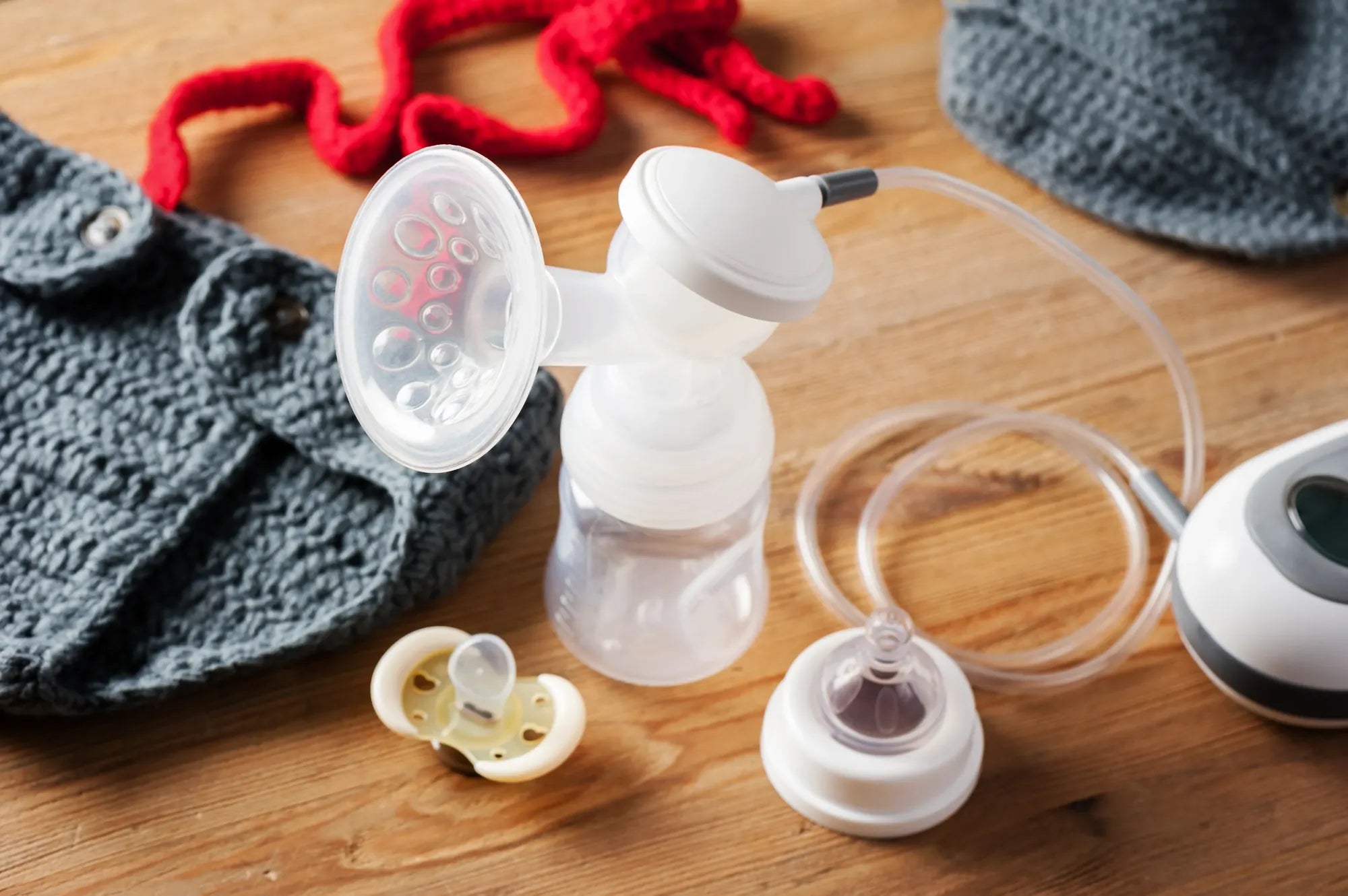
Is Breast Milk Pumping Painful? The Complete Guide to Comfort
Introduction: Demystifying the Breast Pumping Experience
For many new parents, the question "Is breast milk pumping painful?" looms large, often tinged with anxiety from stories of discomfort. The truth is, while pumping involves a unique physical sensation, significant or persistent pain is not a normal or necessary part of the process. This article will separate fact from fiction, exploring the typical feel of pumping versus true pain, and provide you with a comprehensive, evidence-backed roadmap to a comfortable and effective routine.
Understanding the mechanics and learning to troubleshoot common issues can transform your experience. We'll delve into the biological process, the primary culprits behind discomfort, and the practical strategies and technological innovations—like those from trusted maternal care brand MomMed—that prioritize your comfort and well-being. Our goal is to empower you with knowledge, turning pumping from a potential source of stress into a manageable, even empowering, part of your feeding journey.
What Does "Normal" Pumping Feel Like? Sensation vs. Pain
Understanding the expected sensation is crucial for identifying when something is wrong. Normal, effective pumping should feel like a rhythmic, gentle tugging or pulling sensation. It is often described as similar to the feeling of a baby nursing, though more consistent and mechanical. The key characteristic is that it is a sensation you can tolerate comfortably for the duration of your session, typically 15-20 minutes per breast.
The central biological event is the milk ejection reflex, or "let-down." This is triggered by the pump's stimulation mode or cycle. When let-down occurs, you may feel a sudden tingling, tightening, or warmth in your breasts, followed by a swift change in milk flow from droplets to streams. This sensation, while distinct, should not be sharp or painful. The subsequent expression phase involves a deeper, slower pull to efficiently remove milk, which should feel like a strong but comfortable suck.
Pain, in contrast, is a clear signal from your body. It can be sharp, stabbing, burning, or cause a persistent ache. Pain often indicates a problem with fit, settings, or technique. Differentiating between the deep pull of expression and pain is vital. Discomfort that makes you tense your shoulders, hold your breath, or dread your next session is not normal and is your cue to stop and assess the situation.
Common Causes of Pumping Pain and How to Address Them
Persistent pain is almost always a symptom of a correctable issue. By systematically addressing these common causes, you can move toward a pain-free routine. The most frequent offenders are incorrect flange fit, improper pump settings, and underlying physical conditions. Treating pain as a puzzle to solve, rather than an inevitability, is the first step toward resolution.
Incorrect Flange Fit: The #1 Culprit
Using the wrong flange size is the leading cause of nipple pain, damage, and reduced milk output. The flange is the funnel-shaped piece that fits over your nipple and areola. A flange that is too large will pull too much of the areola into the tunnel, causing friction, swelling, and bruising. A flange that is too small will compress the nipple, restricting milk flow and causing painful rubbing against the tunnel sides.
To find your correct size, you need to measure your nipple diameter after pumping, when it is at its most expanded. Use a printable nipple ruler or a tape measure. Your nipple should move freely in the tunnel without rubbing the sides, and only a small amount of areola should be pulled in. Most standard pump kits come with 24mm or 27mm flanges, but many women actually need sizes between 17mm and 21mm. MomMed pumps, for instance, offer a range of flange sizes to help you achieve a custom, comfortable fit.
Pump Settings: Finding Your "Goldilocks" Zone
A critical misconception is that higher suction equals more milk. In reality, excessive suction can cause tissue trauma, pain, and even reduce supply by damaging delicate milk ducts. Your pump should mimic a baby's nursing pattern: a fast, light cycle to stimulate let-down, followed by a slower, stronger cycle to express milk once let-down occurs.
Always start on the lowest comfortable suction level in stimulation mode. Only increase the suction to the highest level that remains comfortable—never to the point of pain. The "effective vacuum" is the level that gets the most milk without discomfort. Many mothers find their ideal setting is much lower than the pump's maximum. Modern pumps like the MomMed S21 Wearable Breast Pump offer multiple, finely adjustable modes so you can personalize both cycle speed and suction strength for optimal comfort and efficiency.
Other Physical Factors
Several other conditions can contribute to pain. Engorgement makes tissue tender and less pliable, making pumping initially uncomfortable; using a warm compress and hand-expression before pumping can help. A bleb or milk blister (a tiny white spot on the nipple) can block a duct; soaking with warm saline and gentle exfoliation may resolve it.
Raynaud's phenomenon or vasospasm causes nipple blanching and sharp, burning pain after pumping due to blood vessel spasms; keeping the chest warm immediately after pumping is key. Conditions like thrush (a yeast infection) or dermatitis cause itching, burning, and deep breast pain; these require medical diagnosis and treatment. Persistent pain despite correct fit and settings warrants a consultation with a lactation consultant or healthcare provider.
The Role of Technology and Design in Comfort: A MomMed Focus
Advancements in breast pump technology have dramatically shifted the focus toward user comfort and ergonomics. The design and features of your pump are not just about convenience; they are directly linked to physical comfort, milk output, and overall pumping experience. Brands like MomMed engineer their products with these principles at their core.
Hands-Free, Wearable Design and Body Alignment
Traditional pump designs often tether you to a wall outlet or battery pack, forcing a hunched, tense posture that can lead to back and shoulder pain. Wearable, in-bra pumps revolutionize this by allowing you to move freely and maintain a natural, relaxed posture. This reduction in physical strain directly reduces musculoskeletal discomfort.
Pumps like the MomMed S21 sit securely in your bra, with a low center of gravity that mimics the natural weight and pull of a baby. This design promotes better alignment and allows you to use gentle breast compression (hands-on pumping) more easily, which can improve milk flow and comfort. The ability to be mobile—to make a snack, work on a laptop, or comfort your baby—also reduces mental stress, which can positively impact let-down and pain perception.
Customizable Settings for Personalized Comfort
Every body is different, and a one-size-fits-all approach to suction patterns fails many users. Advanced pumps offer a high degree of customization. Key features include separate modes for stimulation (let-down) and expression, with independent control over cycle speed (how fast it pumps) and vacuum strength (how strong the suction is).
This level of control allows you to fine-tune the pump to your unique physiology. You might prefer a rapid, shallow cycle for let-down and a slow, moderate pull for expression, or vice-versa. The MomMed S21, an award-winning double wearable pump, provides this granular control through its intuitive app and controls, empowering you to discover and save your personal "comfort zone" settings for a consistently pleasant experience.
Quiet Operation and Discreet Materials
The auditory experience of pumping matters more than you might think. Loud, clunky motors can increase anxiety and stress, causing you to tense up—a physical response that can make pumping feel more uncomfortable and even inhibit let-down. Hospital-grade quiet operation is now a benchmark for quality wearable pumps.
Furthermore, the materials that touch your skin are paramount. All MomMed breast pumps utilize BPA-free, food-grade silicone for their flanges and diaphragms. This material is soft, flexible, and creates a better seal without being sticky or abrasive. It's also easier to clean and sterilize, maintaining hygiene to prevent infections that could cause pain. The combination of quiet, powerful motors and skin-safe, soft-touch materials creates a calmer, more comfortable sensory experience from start to finish.
Practical Strategies for a Pain-Free Pumping Routine
Beyond equipment, your daily habits and techniques form the foundation of comfort. Implementing a holistic routine that prepares your body, supports it during the session, and cares for it afterward can make a profound difference.
Pre-Pumping Rituals: Setting the Stage
Think of this as priming your body for success. Spend 1-2 minutes doing gentle breast massage toward the nipple to help move milk forward. Applying a warm compress (a warm washcloth or a specially designed pack) for a few minutes can encourage blood flow and relax the milk ducts, making let-down easier. Practice deep breathing or look at a photo/video of your baby; oxytocin, the hormone responsible for let-down, is released in response to relaxation and positive thoughts.
Ensure you are hydrated and in a comfortable, supported seat. Having water and a snack nearby means you won't have to cut your session short due to basic needs. These small acts signal to your body that it's time to release milk, reducing the need for prolonged, aggressive pumping that can lead to discomfort.
During the Pump: Best Practices
Once pumping begins, alignment is key. Center your nipple in the flange tunnel to ensure even suction. Many mothers find using a small amount of lubricant on the flange rim prevents friction. Pure coconut oil or a purpose-made nipple cream are excellent, safe options. Start your pump on its stimulation mode at low suction, only switching to expression mode and increasing suction once milk is flowing well.
Employ "hands-on pumping"—using your hands to gently compress and massage your breast while the pump is working. This technique can help fully drain milk ducts, shorten pumping time, and increase output, all of which contribute to comfort and efficiency. If you feel any pinching or pain, stop immediately. Check nipple alignment, reduce the suction, and ensure you are using the correct flange size before continuing.
Post-Pumping Care
After disconnecting, if your nipples are tender or swollen, apply a cool compress or chilled hydrogel pads for a few minutes to reduce inflammation. Allow a few drops of nutrient-rich hindmilk to remain on your nipples and let them air-dry before covering up. This has natural healing and protective properties.
Immediately clean your pump parts according to manufacturer guidelines. Residual milk fat can harden on flanges, creating a rough surface that will cause friction next time. For pumps like MomMed's with food-grade silicone parts, a simple wash with warm, soapy water and thorough air-drying is typically sufficient, maintaining the material's integrity and softness for your next session.
Comparison: Painful vs. Comfortable Pumping Signals
This table helps you quickly identify whether your experience falls within the range of normal sensation or indicates a problem that needs troubleshooting.
| Aspect | Signs of a Comfortable Pump | Signs of a Painful/Problematic Pump |
|---|---|---|
| Sensation | Rhythmic tugging/pulling; tingling let-down. | Sharp, stabbing, burning, or pinching pain. |
| Nipple Appearance Post-Pump | Nipple slightly elongated, returns to normal color quickly. | Nipple blanched (white), purple, or red; swollen; misshapen; has blisters or abrasions. |
| Movement in Flange | Nipple moves freely without rubbing sides. | Nipple rubs against tunnel walls; areola is pulled far into tunnel. |
| Milk Output | Steady streams after let-down; breasts feel softer after. | Slow dribbles despite long session; breasts still feel full/hard after. |
| Body Posture | Able to relax shoulders and breathe deeply. | Tensed, hunched posture; holding breath due to discomfort. |
| Emotional Response | Feeling of relief or neutrality about the session. | Dread, anxiety, or avoidance of pumping sessions. |
FAQ: Your Top Questions on Pumping Comfort, Answered
Q: Should pumping hurt as much as latching issues did?
A: Absolutely not. Pain from a poor latch is often due to trauma to the nipple tip. Pumping, when done correctly with a proper flange fit and gentle settings, should not replicate that trauma. If you are experiencing similar pain, the flange is likely the wrong size or the suction is too high. Address those factors first.
Q: How long should mild discomfort last when I start a session?
A: Any initial tenderness upon suction engagement should subside within 30 seconds to a minute, once your milk lets down and lubrication increases. If discomfort persists or intensifies beyond the first minute, it is a sign to stop and reassess your setup. Do not "push through" pain.
Q: I have elastic tissue or flat/inverted nipples. Will pumping always be painful?
A: Not necessarily, but it may require specific strategies. Elastic tissue (where the nipple stretches far into the tunnel) may benefit from a smaller, more rigid flange or a silicone insert. For flat or inverted nipples, a pump with a strong, gentle stimulation mode can help draw the nipple out. Using a breast shell or nipple former between feeds can also help. Consulting an International Board Certified Lactation Consultant (IBCLC) is highly recommended for personalized solutions.
Q: Is it normal for my breasts to ache deep inside after pumping?
A: A deep ache is not typical of a well-drained breast. It can signal a clogged duct, the onset of mastitis (breast infection), or vasospasm. Ensure you are fully draining the breast with massage and compression. If accompanied by a fever, chills, or a red, warm, wedge-shaped area on the breast, contact your healthcare provider immediately.
Q: When is pumping pain a sign to see a lactation consultant or doctor?
A: Seek professional help if: pain persists after correcting flange size and pump settings; you see cracks, bleeding, or blisters on your nipples; you experience shooting or burning pain during or after feeds/pumps; you have symptoms of mastitis (fever, body aches, red hot patch on breast); or if the pain is causing you significant distress or to avoid pumping/feeding. An IBCLC can do a hands-on assessment and provide targeted guidance.
Conclusion: Empowering Your Journey with Knowledge and the Right Tools
The experience of breast milk pumping is deeply personal, but the universal truth is that significant pain is a signal, not a standard. By understanding the difference between normal sensation and pain, you become an expert on your own body. The journey to comfort is built on a foundation of correct flange fit, personalized pump settings, supportive technique, and technology designed with your well-being in mind.
Innovations in wearable, quiet, and customizable pumps, such as those developed by MomMed, have redefined what is possible, offering freedom and comfort without compromising on performance. Remember, your pumping journey should support your feeding goals and your physical and mental health. You have the right to a comfortable experience. Arm yourself with this knowledge, listen to your body's cues, and don't hesitate to seek support. A comfortable, efficient, and empowered pumping routine is an achievable reality. Shop the MomMed collection at mommed.com for all your breastfeeding and pregnancy needs, and discover tools designed to support you every step of the way.