


Inicio
Pregnancy, Breastfeeding, and Pumping: The Ultimate Guide for Moms
How to Use Breast Pump Bra: A Comprehensive Guide for New Moms
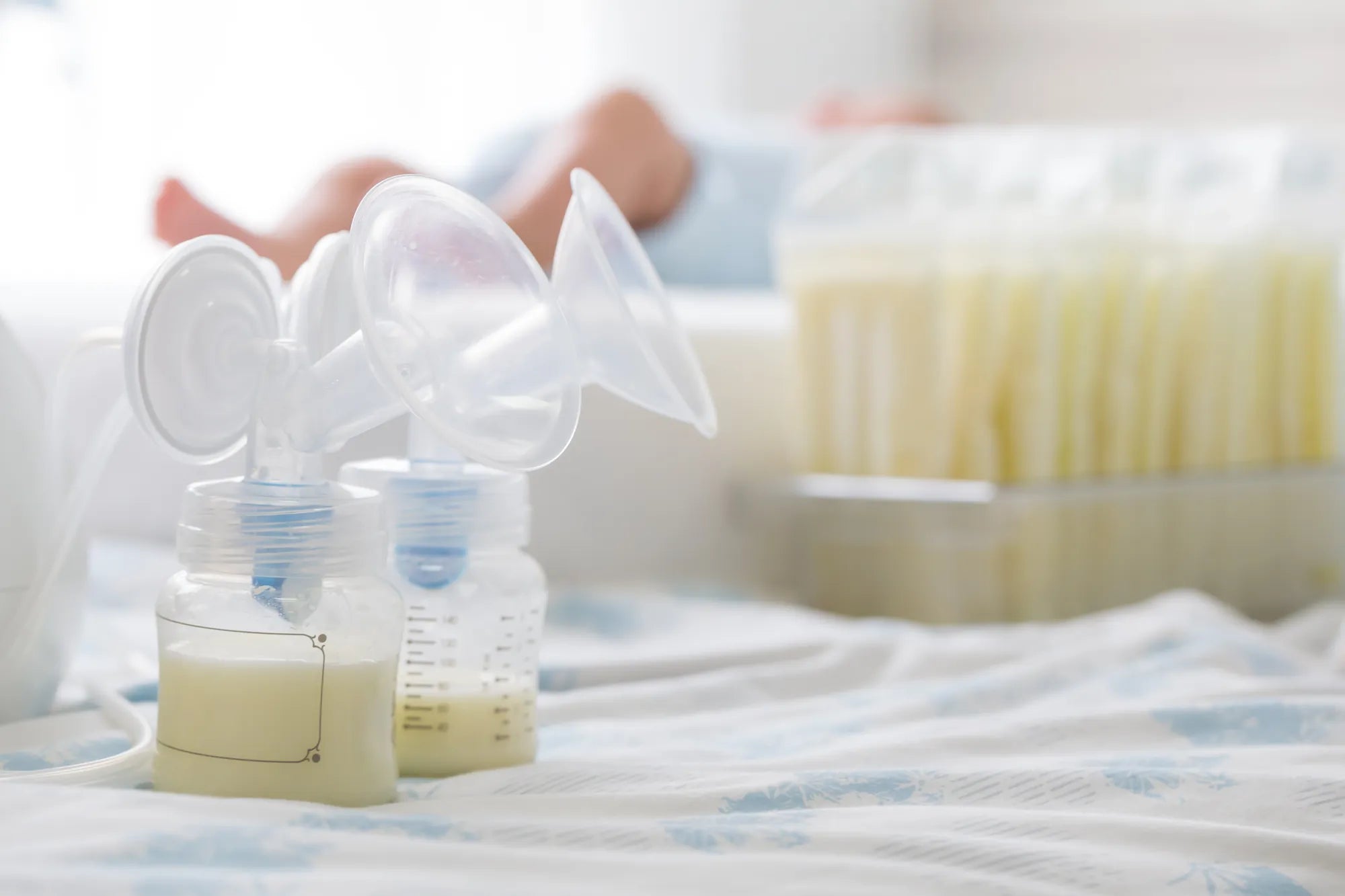
How to Use Breast Pump Bra: A Comprehensive Guide for New Moms
Introduction: Embracing Hands-Free Pumping with Confidence
Mastering how to use a breast pump bra can transform your entire breastfeeding and pumping experience from a chore into an opportunity for freedom. For new moms navigating the demanding schedule of feeding, pumping, and caring for a newborn, this simple accessory is a game-changer. It allows you to reclaim your hands and your time, turning pumping sessions into moments where you can work, care for older siblings, or simply relax.
This guide is designed to walk you through every step, from selecting the right bra to troubleshooting common issues. We'll provide clear, data-backed advice and practical tips recommended by lactation consultants. As a trusted maternal and baby care brand, MomMed specializes in creating reliable, comfortable, and innovative products like our award-winning S21 Wearable Breast Pump, designed to integrate seamlessly with quality pumping bras to support you on your journey.
What is a Breast Pump Bra and Why Every Pumping Mom Needs One
A breast pump bra, often called a hands-free pumping bra, is a specialized garment designed to hold your pump flanges securely against your breasts without you needing to use your hands. It is distinct from a standard nursing bra, which is built for easy breast access for feeding but not for securing pump parts. The core function is to provide a stable, hand-free setup for expressing milk.
The benefits are substantial and backed by the experiences of thousands of pumping mothers. First, it enables essential multitasking. You can pump while working on a laptop, preparing a bottle, or even feeding your baby in a different position. Second, it significantly reduces physical strain. Holding flanges for 15-30 minutes multiple times a day can lead to arm, shoulder, and back tension; a pumping bra eliminates this.
Furthermore, promoting relaxation is key to an effective let-down reflex. When you're not physically constrained, your body can more easily release oxytocin, the hormone responsible for milk ejection. Studies and lactation experts note that stress and discomfort can inhibit let-down. Finally, a good pumping bra offers discretion under clothing, especially when used with a quiet, wearable pump like the MomMed S21, allowing for more flexible pumping locations.
Getting Started: Choosing and Fitting Your MomMed-Compatible Pump Bra
Selecting the right bra is foundational to learning how to use a breast pump bra effectively. The goal is a secure fit that doesn't compromise comfort or milk flow. Start by ensuring compatibility. Most quality hands-free bras are designed with universal openings that fit standard flanges, including those from MomMed wearable and electric pumps like the S21, S12, and Swing models.
Finding your correct size is critical. You should measure your band size (under your bust) and cup size while wearing a non-padded bra. Remember, your bra size can fluctuate significantly in the weeks postpartum and during your breastfeeding journey. Look for bras with multiple hook-and-eye closures and adjustable straps to accommodate these changes. A bra that is too tight can compress milk ducts and hinder output.
Consider the style that best fits your routine. Crossover styles offer easy access and are often very comfortable. Zipper-front bras provide quick on/off and a secure hold. Clip-down styles combine nursing and pumping functionality. For materials, prioritize soft, breathable, and moisture-wicking fabrics like cotton blends or bamboo to maintain skin health and comfort during long sessions.
Key Fitting Checkpoints
The band should sit snugly and horizontally around your ribcage, providing most of the support without riding up. The center gore (the fabric between the cups) should lie flat against your sternum. Your breast tissue should be fully enclosed within the cup without spillage. Most importantly, once the flanges are inserted, the bra should hold them firmly without you needing to apply pressure, but not so tight that it distorts the flange seal.
Your Step-by-Step Guide: How to Use a Breast Pump Bra Correctly
Following a proper sequence ensures efficiency, comfort, and optimal milk expression. This step-by-step tutorial will help you master the process of using your breast pump bra with your MomMed pump.
Step 1: Preparation and Positioning
Begin by putting on your pumping bra. Ensure it is snug but comfortable, positioned correctly on your body. If your bra has specific pumping flaps or openings, make sure they are accessible. It's often easiest to put the bra on before assembling your pump parts. Wash your hands thoroughly and assemble your clean, dry MomMed pump flanges, valves, membranes, and collection bottles. Ensure all BPA-free silicone parts are correctly attached for an effective seal.
Step 2: Securing Your MomMed Pump Flanges
This is the core action of how to use a breast pump bra. Hold one flange and bottle assembly and guide it through the designated opening in the bra. Center the flange tunnel directly over your nipple. Gently press the flange shield against your breast, ensuring your nipple is centered and can move freely without rubbing, and that the surrounding areola creates a light seal. Repeat on the other side. The bra's fabric should now be holding the flanges in place. Do a gentle tug test; they should feel secure.
Step 3: Starting Your Pumping Session
With the flanges secured by the bra, connect the pump tubing to your MomMed pump unit. Turn on the pump. Start with the stimulation mode (often a faster, lighter suction pattern) to trigger your let-down reflex. MomMed pumps feature adjustable, gentle settings to mimic a baby's natural nursing rhythm. After 1-2 minutes, or when you see milk flowing steadily, switch to expression mode (slower, deeper suction). The ultra-quiet motor allows for discreet use anytime.
Step 4: During and After Pumping
Now, your hands are free. Use this time to hydrate, snack, read, or work. Monitor the bottles to ensure milk is flowing and that the flanges remain properly positioned. When your session is complete, first turn off and disconnect the pump. Carefully remove one bottle/flange assembly at a time by supporting the bottle with one hand and gently pulling the flange through the bra opening. This prevents spills. Seal your milk and begin cleaning your pump parts promptly.
Maximizing Comfort and Efficiency: Pro Tips and Troubleshooting
To elevate your hands-free pumping experience, incorporate these advanced tips. Apply a small amount of purified lanolin or coconut oil to the flange rim to reduce friction and create a better seal. Utilize the full range of your MomMed pump's adjustable suction levels; effective pumping should not be painful. Ensure the pumping bra is not compressing breast tissue around the flange, as this can block milk ducts.
For cleaning, follow the bra's care label. Most can be machine-washed in a gentle cycle and laid flat to dry. Have at least two pumping bras in rotation to ensure you always have a clean, dry one available. This is also crucial for hygiene and preventing moisture-related skin issues or bacterial growth.
Common Issues and Simple Solutions
Leaks often stem from an improper flange seal or a bra that is too loose, allowing the flange to tilt. Double-check that your nipple is centered and the flange is flat against your breast. Decreased output can be related to an incorrect flange size. Your nipple should not rub against the tunnel walls; if it does, you may need a larger size. Discomfort is frequently due to suction that is too high or a bra that is too tight. Lower the suction setting and ensure the bra band is supportive but not constricting.
Breast Pump Bra vs. Traditional Pumping: A Comparison of Experiences
Understanding the tangible differences highlights why learning how to use a breast pump bra is so valuable. The contrast in experience is significant across several key factors that impact a pumping mother's daily life.
| Factor | Using a Breast Pump Bra | Traditional Hand-Held Pumping |
|---|---|---|
| Hands-Free Ability | Full use of both hands for other tasks. | Hands are occupied holding flanges. |
| Physical Comfort | Eliminates arm, shoulder, and back strain. | Can cause significant muscle fatigue and tension. |
| Potential for Relaxation | High. Promotes easier let-down through reduced stress. | Lower. Physical constraint can increase stress. |
| Multitasking Capability | Excellent. Allows for work, childcare, etc. | Very limited to none. |
| Overall Convenience | High, especially with wearable pumps like MomMed S21. | Low, requires dedicated sitting time. |
Frequently Asked Questions (FAQs) About Using a Pumping Bra
Q: Can I wear a breast pump bra all day?
A: It's not recommended. A pumping bra is designed for support during pumping sessions. For all-day wear, a supportive nursing bra is better for breast health and comfort. Switch to your pumping bra when it's time to express milk.
Q: How do I wash my pumping bra?
A> Always check the care label. Generally, machine wash in cold water on a gentle cycle with a mild detergent. Avoid fabric softeners as they can break down elastic and create a residue. Air dry flat to preserve the shape and elasticity. Frequent washing is essential due to contact with milk.
Q: Is it compatible with my specific MomMed pump model?
A> Yes, MomMed pumps, including the S21 Double Wearable, S12 Single Wearable, and Swing Electric Pump, use standard-sized flanges that fit the openings of most universal hands-free pumping bras. The key is ensuring the flange can pass through the bra's opening and be held securely.
Q: Can I use it with both double electric and single pumps?
A> Absolutely. A hands-free bra is ideal for double pumping, which saves time and can help maintain supply. You can also use it for single pumping by simply leaving one side of the bra unoccupied or using a passive collection cup on the other side if desired.
Q: Will it work for my large/small bust size?
A> Yes, when you select the correct size. The effectiveness is about proper fit, not cup volume. For larger busts, look for bras with wide, supportive bands and full coverage cups. For smaller busts, ensure the bra has adjustable straps and a snug band so the flanges are held close to the body without gaps.
Conclusion: Reclaim Your Time and Comfort with the Right Support
Mastering the use of a breast pump bra is more than a pumping hack; it's an investment in your well-being and efficiency as a new mother. The ability to multitask, reduce physical strain, and pump in greater comfort can positively impact your milk supply and your overall perception of the breastfeeding journey. It represents a small but powerful tool for empowerment, giving you back precious moments in your day.
This comprehensive guide on how to use a breast pump bra provides the foundation you need for success. Pairing this knowledge with reliable, thoughtfully designed equipment makes all the difference. MomMed is committed to supporting moms with innovative, comfortable solutions, from our award-winning wearable breast pumps to our accurate pregnancy tests and essential baby care products. We create tools that work harmoniously to simplify your journey, because every mother deserves support that is as dedicated as she is.
Ready to experience the freedom of hands-free pumping? Explore the MomMed collection, including wearable pumps designed for seamless use with pumping bras, and find the perfect support system for your needs. Shop the MomMed collection at mommed.com for all your breastfeeding and pregnancy needs.