


Inicio
Pregnancy, Breastfeeding, and Pumping: The Ultimate Guide for Moms
How Much Should I Breast Pump: A Comprehensive Guide for New Moms
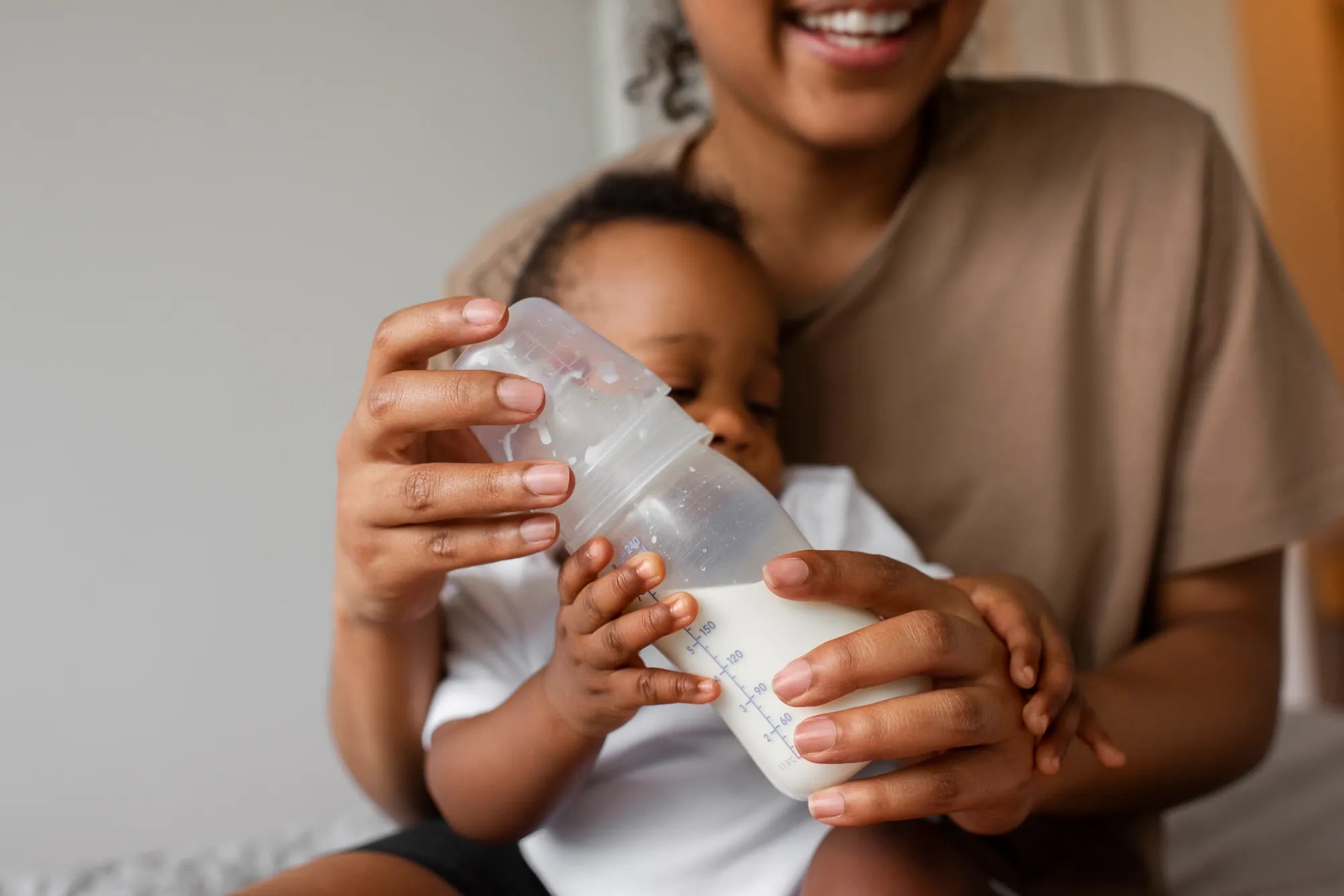
How Much Should I Breast Pump: A Comprehensive Guide for New Moms
Breastfeeding is a deeply personal journey, and for many new moms, breast pumping becomes an essential part of it. Whether you're returning to work, sharing feeding responsibilities, or simply want to build a stash, understanding how much to pump is crucial. This guide will walk you through the key considerations to help you find the right balance.
Understanding Your Baby's Needs
The first step in determining how much to breast pump is understanding your baby's nutritional requirements. On average, a newborn consumes about 1 to 1.5 ounces of breast milk per hour. This means that if you're away from your baby for eight hours, you'll need to pump approximately 8 to 12 ounces to cover their needs. However, every baby is different, so it's important to monitor their growth and feeding patterns.
Establishing Your Milk Supply
Your milk supply is directly influenced by demand. The more you pump or breastfeed, the more milk your body will produce. If you're exclusively pumping, aim to pump as often as your baby would feed, typically every 2 to 3 hours. This helps maintain a steady supply and ensures your baby gets enough milk. Remember, consistency is key to building and sustaining your milk production.
Pumping Frequency and Duration
How often and how long you should pump depends on your specific situation. For moms who are exclusively pumping, 8 to 10 sessions per day, lasting about 15 to 20 minutes each, is a good starting point. If you're pumping in addition to breastfeeding, you may only need to pump once or twice a day to build a stash. Listen to your body and adjust as needed to avoid discomfort or oversupply.
Storing and Managing Your Milk
Proper storage is essential to preserve the quality of your pumped milk. Use clean, sterilized containers and label them with the date and time of pumping. Freshly pumped milk can be stored in the refrigerator for up to four days or in the freezer for up to six months. Rotate your stash to ensure you're always using the oldest milk first, and never refreeze thawed milk.
Balancing Pumping and Breastfeeding
If you're combining pumping with breastfeeding, it's important to find a rhythm that works for both you and your baby. Pumping after breastfeeding can help stimulate additional milk production, while pumping between feedings can help build your stash. Pay attention to your baby's hunger cues and adjust your pumping schedule accordingly to ensure they're getting enough milk.
Listening to Your Body
Your body will give you signals about whether you're pumping enough or too much. Engorgement, discomfort, or a sudden drop in supply may indicate that you need to adjust your pumping routine. On the other hand, if you're producing more milk than your baby needs, consider reducing the frequency or duration of your pumping sessions to avoid oversupply.
Seeking Support and Guidance
Breast pumping can be challenging, but you don't have to navigate it alone. Lactation consultants, support groups, and online communities can provide valuable advice and encouragement. Don't hesitate to reach out for help if you're struggling with pumping or have questions about how much to pump. Remember, every mom's journey is unique, and there's no one-size-fits-all approach.
Finding the right balance in how much to breast pump is a process of trial and error. By understanding your baby's needs, listening to your body, and seeking support when needed, you can create a pumping routine that works for you. Embrace the journey, and remember that every ounce you pump is a testament to your dedication and love for your baby.
Compartir