


Inicio
Pregnancy, Breastfeeding, and Pumping: The Ultimate Guide for Moms
How Long Breast Milk Room Temperature After Pumping: Essential Guide
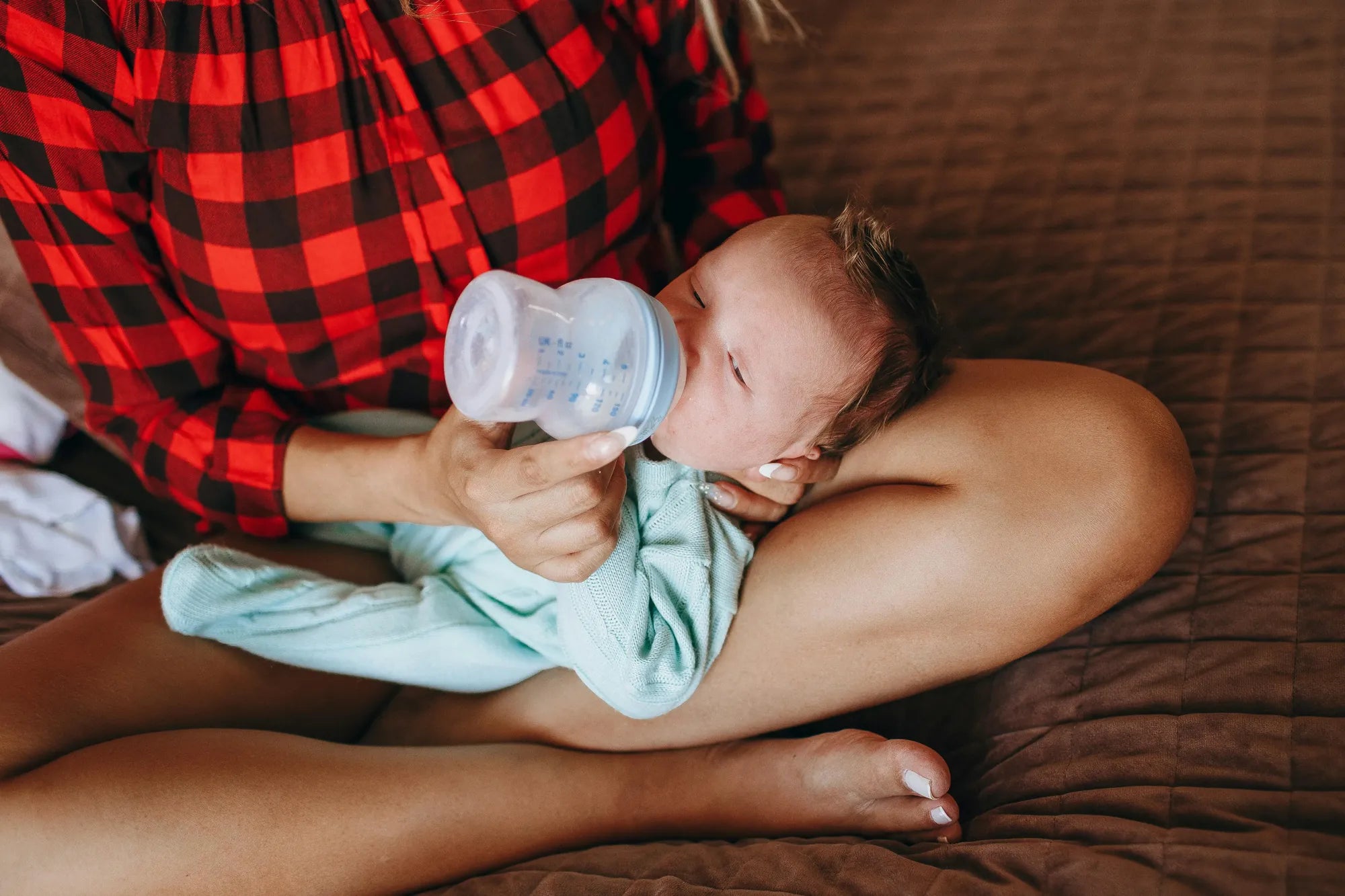
How Long Breast Milk Room Temperature After Pumping: Essential Guide
Knowing exactly how long breast milk can safely sit at room temperature after pumping is a fundamental piece of knowledge for every pumping parent. It’s the difference between confidently feeding your baby and worrying about spoilage. This guide cuts through the confusion with clear, data-driven guidelines from leading health authorities, empowering you with the knowledge to handle your expressed milk safely. You’ll learn the definitive time limits, the science behind them, and practical tips to integrate these rules seamlessly into your daily routine.
Understanding Breast Milk Storage Safety: A Non-Negotiable Priority
Proper breast milk storage is not just a recommendation; it's a critical component of infant health and nutrition. Expressed breast milk is a living substance, rich in antibodies, beneficial bacteria, and nutrients that are perfectly tailored to your baby. However, this biological complexity also makes it susceptible to bacterial growth if not handled correctly.
The primary goal of storage guidelines is to preserve these vital components while preventing the proliferation of harmful pathogens. Adhering to established time and temperature limits minimizes the risk of foodborne illness, ensuring your baby receives all the benefits of your milk without any associated risks. It also provides immense peace of mind, allowing you to build a stash or prepare a bottle without second-guessing.
This guide focuses specifically on the room temperature window—often the most immediate and frequently encountered scenario. Whether you're pumping at work, preparing a bottle for the next feed, or dealing with a power outage, understanding this timeframe is essential. The guidelines are rooted in extensive research from organizations like the Centers for Disease Control and Prevention (CDC) and the American Academy of Pediatrics (AAP), designed to be both safe and practical for busy parents.
What Does "Room Temperature" Actually Mean for Breast Milk?
"Room temperature" is a deceptively simple term that requires precise definition for milk safety. In the context of breast milk storage guidelines, major health authorities specifically refer to a cooler ambient temperature. The CDC defines the safe room temperature range as up to 77°F (25°C). This is a comfortably cool room, not a warm one.
It is crucial to understand that the clock starts ticking the moment milk leaves your body. The safe storage duration is directly and inversely related to the ambient temperature. In a warmer environment—such as a room at 85°F (29°C) or a car interior—the safe storage time plummets. Bacteria multiply exponentially faster in warmer conditions.
Therefore, assessing your environment is key. Is the milk on a counter in a sunny, warm kitchen? Or is it in a cooler, shaded part of the living room? Never leave expressed milk in a hot car, near a stove, oven, or in direct sunlight. These conditions can cause milk to enter the "danger zone" (between 40°F and 140°F) where bacteria thrive, rendering it unsafe in a matter of minutes, not hours.
For accurate assessment, consider using a simple room thermometer. When in doubt, especially during summer months or in warmer climates, err on the side of caution and refrigerate milk immediately or use it within a shorter timeframe.
The Golden Rule: How Long is Breast Milk Good For After Pumping?
So, how long breast milk room temperature after pumping is considered safe? Based on the consensus from the CDC, AAP, and La Leche League International, the guideline is clear: Freshly expressed or pumped breast milk can be kept at room temperature (up to 77°F or 25°C) for up to 4 hours. This is the golden rule for milk that has never been cooled.
This four-hour window is designed with a significant safety buffer. Research on the bacterial content of milk stored under these conditions informs this conservative timeframe. It accounts for variations in initial milk bacterial load and minor environmental fluctuations, ensuring the milk remains safe for consumption.
The countdown begins immediately after pumping. It is best practice to label the storage container with the date and exact time of expression. This simple habit eliminates guesswork and ensures you always know how much time you have left within the safe window. If the milk is not intended for use within that four-hour period, it should be moved to the refrigerator or freezer well before the time expires.
Following this rule religiously is the single most effective way to guarantee the safety of your expressed milk. It serves as your default, go-to guideline for any situation where milk will be used relatively soon after pumping.
Factors That Can Shorten or Lengthen Safe Time
While the 4-hour rule is robust, several factors can influence the actual safety window. Understanding these variables helps you make smarter, situation-specific decisions.
Cleanliness of the Pumping Process: Milk expressed with impeccably clean hands and sterilized pump parts (flanges, valves, bottles) will have a lower initial bacterial load. This can contribute to longer stability. Conversely, milk expressed with less-than-ideal hygiene may spoil faster. This underscores the importance of using a pump with easy-to-clean, food-grade parts.
Initial Temperature of the Milk: Milk expressed directly into a cool, sterile container starts at body temperature. Allowing it to cool to room temperature quickly by placing the sealed container in a shallow bowl of cool water can help preserve its quality, though it does not extend the 4-hour maximum limit.
Humidity and Air Exposure: High humidity can promote condensation and microbial growth. Always store milk in tightly sealed containers designed for breast milk. Minimizing air in the container (while leaving room for expansion if freezing) also helps preserve quality.
The overriding principle remains: When in doubt, throw it out. Your baby's health is paramount. If you are unsure how long milk has been out, if it was in a warmer-than-ideal spot, or if it smells or looks off (sour, rancid, or separated in a way that doesn't re-mix gently), it is safer to discard it.
Fresh vs. Previously Refrigerated or Thawed Milk: A Critical Distinction
A common and critical mistake is applying the same room temperature rule to all milk. The guidelines change dramatically once milk has been cooled. This distinction is non-negotiable for safety.
Freshly Expressed Milk: As stated, safe for up to 4 hours at room temp (≤77°F/25°C).
Previously Refrigerated Milk: Milk that has been chilled and then warmed or brought to room temperature has a drastically shorter safe window. The CDC states that once taken from the fridge and warmed (or even just left out to take the chill off), it should be used within 1-2 hours. Do not re-refrigerate it. The cooling and rewarming process accelerates bacterial breakdown.
Thawed, Previously Frozen Milk: This has the shortest room-temperature life. Once frozen milk is fully thawed in the refrigerator or under warm running water, it should be used within 1-2 hours at room temperature. Never refreeze thawed breast milk. The freezing process breaks down some of milk's natural anti-bacterial properties, making it more perishable once thawed.
The key takeaway is to only bring to room temperature the amount of milk you expect your baby to consume in the next feed. For example, if you thaw a 4-ounce bag from the freezer, divide it into two 2-ounce servings if your baby typically drinks 2 ounces at a time. Thaw one serving for immediate use and keep the other chilled for the next feed, using it within 24 hours.
Best Practices for Handling Milk at Room Temperature
Implementing these best practices turns guidelines into effortless habits, ensuring safety and reducing waste.
Use Appropriate Containers: Store milk in clean, food-grade containers with tight-sealing lids. Glass or BPA-free plastic bottles and hard-sided containers are excellent, as are specially designed breast milk storage bags. Ensure bags are sturdy and sealed without air.
Label Everything: Immediately after pumping, label the container with the date and time of expression. Use a waterproof marker. For previously stored milk, also note the date it was originally expressed.
Strategic Placement: Place the sealed container in the coolest, darkest part of the room—away from windows, appliances, vents, or heaters. A counter on an interior wall is better than one next to a sunlit window.
Practice the "First In, First Out" Method: When using milk from a stash at room temp, always use the oldest expressed milk first. This rotation ensures no milk is accidentally left out beyond its safe period.
Transporting Milk: If you need to transport fresh milk without immediate refrigeration, use an insulated cooler bag with ice packs. This keeps it cool and effectively pauses the room-temperature clock until you can get it to a proper refrigerator.
MomMed’s Role in Supporting Safe Milk Storage
At MomMed, our mission is to support every step of the feeding journey with products that prioritize safety, comfort, and confidence. Proper milk handling begins with a clean, efficient expression process. All MomMed breast pumps, including our award-winning S21 Double Wearable Breast Pump, feature BPA-free, food-grade silicone and plastic parts that are easy to disassemble, clean, and sterilize, helping you start with the purest milk possible.
The convenience of wearable pumps like the S21 or S12 models supports safe storage practices indirectly but powerfully. By allowing you to pump comfortably and discreetly on your schedule, you can express milk exactly when needed, reducing the temptation to let milk sit out for extended periods "just in case." You can pump and promptly refrigerate or prepare a bottle for immediate feeding.
Our collection includes everything you need for the entire storage journey: from high-quality pumps and compatible bottles to storage bags and bottle warmers. We design our products knowing that meticulous attention to detail in milk handling is a cornerstone of infant care, and we are committed to providing tools that make following best practices simpler for every parent.
Visual Guide: Breast Milk Storage Times at a Glance
This table consolidates the key guidelines from the CDC for easy reference. Remember, these are maximum times for optimal conditions.
| Storage Location | Temperature | Freshly Expressed Milk | Thawed, Previously Frozen Milk |
|---|---|---|---|
| Room Temperature | Up to 77°F (25°C) | Up to 4 Hours | 1-2 Hours |
| Refrigerator | 39°F (4°C) or colder | Up to 4 Days | Use within 24 hours (do not refreeze) |
| Freezer (compartment inside fridge) | Varies | 2 weeks | – |
| Freezer (separate door) | 0°F (-18°C) or colder | 6-12 months (ideal within 6 months) | – |
| Deep Freezer | -4°F (-20°C) or colder | 12 months | – |
Note: For refrigerated milk that has been warmed or brought to room temp, use within 1-2 hours.
Frequently Asked Questions (FAQs)
Can I re-refrigerate breast milk that has been sitting out for an hour?
This depends on its history. Freshly expressed milk that has been at room temperature (≤77°F) for less than 2 hours can generally be returned to the refrigerator. However, it is best practice to cool it down quickly first. Do not re-refrigerate milk that has been out longer than 2 hours, or any milk that has been previously refrigerated, warmed, or thawed.
How can I tell if breast milk has gone bad?
Trust your senses. Spoiled breast milk often has a distinctly sour or rancid smell, similar to spoiled cow's milk. Visually, it may remain separated even after gentle swirling (normal separation is fine, but it should re-mix). If you taste a small amount, it will taste noticeably sour. When in doubt, discard it.
What if my baby doesn't finish a bottle at room temperature?
If your baby starts a bottle of fresh milk that has been at room temperature, the CDC advises using it within 2 hours of when the feeding began. After that, bacteria from the baby's mouth can have entered the bottle and begun to multiply. It should be discarded after that 2-hour window.
Does the type of container affect how long milk lasts at room temp?
Yes, but primarily regarding hygiene and seal. A tightly sealed, sterile container minimizes contamination and slows bacterial growth. Containers that are not airtight or that are difficult to clean properly can compromise milk safety more quickly.
What should I do with milk during a power outage?
Keep the refrigerator and freezer doors closed as much as possible. A full freezer will keep food safe for about 48 hours, a half-full freezer for 24 hours. Refrigerated milk will stay safe for about 4 hours if the door remains shut. For milk already at room temperature, adhere strictly to the 4-hour rule. Use block ice or a cooler with ice packs to extend safety if the outage is prolonged.
Empowerment Through Knowledge: Your Confident Feeding Journey
Mastering the guidelines for how long breast milk can stay at room temperature after pumping is an act of care that empowers you as a parent. It transforms uncertainty into confidence, allowing you to nourish your baby with the assurance that every drop is safe and beneficial. These rules, grounded in robust science, are your toolkit for protecting your baby's health while honoring the incredible effort that goes into expressing milk.
Remember, you are the expert on your baby and your routine. Use these guidelines as a framework, combine them with your intuition, and never hesitate to consult a lactation consultant or pediatrician with specific concerns. Your journey is supported by both evidence and a community of parents who have navigated the same questions.
For products designed to support every step of this journey—from the first expression with a comfortable, efficient pump to safe storage and feeding—explore solutions built with your needs in mind. Shop the MomMed collection at mommed.com for all your breastfeeding and pregnancy needs.