


Inicio
Pregnancy, Breastfeeding, and Pumping: The Ultimate Guide for Moms
Do You Have to Sterilize Breast Pump Parts? Essential Insights for New Parents
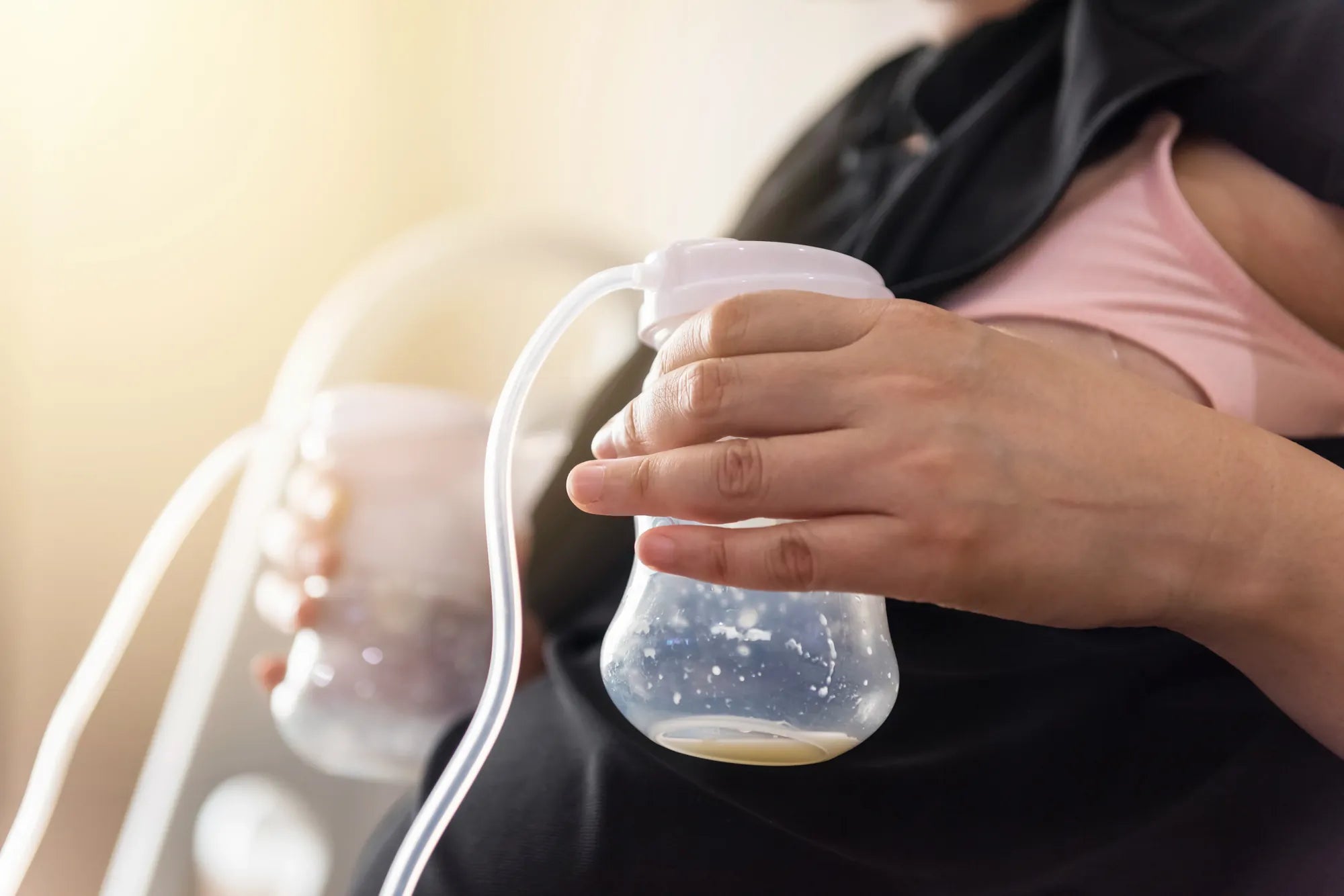
Do You Have to Sterilize Breast Pump Parts? Essential Insights for New Parents
As a new parent, the list of things to keep clean can feel endless. Among bottles, pacifiers, and toys, your breast pump parts add another layer to your daily routine. The question of whether you must sterilize breast pump parts is not just about convenience—it’s about your baby’s health. The short answer is that diligent cleaning is non-negotiable, but the need for true medical-grade sterilization depends on specific factors. This guide will provide you with essential, evidence-based insights to navigate pump hygiene with confidence, ensuring your baby feeds safely while you maintain your valuable equipment. We’ll clarify the difference between sanitization and sterilization, outline the official CDC guidelines, and explain how MomMed’s innovative designs support a simpler, safer cleaning process.
Understanding the Critical Difference: Sanitization vs. Sterilization
Many parents use the terms "sanitize" and "sterilize" interchangeably, but in the context of infant feeding, they refer to two distinct levels of cleanliness with different applications. Understanding this difference is the first step to establishing a safe and practical routine.
Sanitization is the process of reducing germs on a surface to a level considered safe by public health standards. For breast pump parts, this is the recommended daily practice. It involves thoroughly washing parts in hot, soapy water, rinsing well, and air-drying on a clean surface. This process removes milk residue and the vast majority of bacteria that could grow and cause illness.
Sterilization, on the other hand, is a more rigorous process that aims to eliminate all microorganisms, including bacteria, viruses, fungi, and spores. This is typically achieved through methods like steam (using an electric sterilizer or microwave bag), boiling in water for several minutes, or using a cold-water sterilizing solution. Sterilization is a higher standard often required in specific medical or situational contexts.
For a healthy, full-term baby with no underlying health concerns, daily sanitization is perfectly adequate. The goal is to prevent bacterial growth from milk fats and sugars, not to create a surgically sterile environment. However, knowing when to escalate to sterilization is a key part of responsible pumping.
The CDC Guidelines: Your Evidence-Based Roadmap for Safety
The Centers for Disease Control and Prevention (CDC) provides clear, research-backed recommendations for cleaning breast pump parts. These guidelines are designed to minimize the risk of contamination and foodborne illness for your infant, forming the cornerstone of safe pumping practice.
The CDC’s step-by-step process for after each pumping session is a sanitization routine. First, immediately rinse all parts that come into contact with breast milk under running water to prevent milk from drying and sticking. Next, wash every piece in a wash basin dedicated to infant feeding items, using hot water and mild dish soap. A clean brush used only for pump parts is recommended to scrub all surfaces.
After washing, rinse all parts thoroughly under running water to remove any soap residue. Finally, place the parts on a clean, unused dish towel or paper towel in an area protected from dirt and splashes, allowing them to air-dry completely. The CDC explicitly advises against using a dish towel to dry the parts, as this can reintroduce germs.
It’s crucial to note that the CDC recommends cleaning your pump parts as soon as possible after each use. Letting soiled parts sit at room temperature allows bacteria from your milk to multiply rapidly. Following this protocol diligently is the most effective daily defense against germs for most families.
When is Sterilization Recommended or Necessary?
While daily sanitization is the standard, there are specific circumstances where the extra step of sterilization is either recommended or essential. This is because certain situations carry a higher risk of infection for your vulnerable newborn.
Before First Use: Always sterilize brand new breast pump parts before their initial use. This eliminates any potential contaminants from the manufacturing or packaging process. This applies to all brands, including MomMed’s BPA-free, food-grade silicone parts.
For Vulnerable Infants: Sterilization is often medically necessary if your baby is under 3 months old, was born prematurely (before 37 weeks), has a low birth weight, or has a compromised immune system due to illness or medical treatment. These babies have a higher susceptibility to infections, so a sterile environment for their feeding equipment is critical.
During and After Illness: If you or your baby are sick (with thrush, a stomach virus, mastitis, etc.), sterilizing pump parts daily can help prevent reinfection or spreading the illness. Continue this practice for a few days after symptoms have cleared.
After Exposure or Accidents: If pump parts fall on the floor or are otherwise exposed to significant contamination, sterilization is a prudent step. Additionally, some parents choose to sterilize parts periodically (e.g., once a day or once a week) for added peace of mind, even without the above factors.
How to Properly Sterilize Your MomMed Breast Pump Parts
When sterilization is needed, it’s important to do it correctly to ensure effectiveness without damaging your pump parts. MomMed parts, made from durable, BPA-free silicone and plastic, are compatible with common sterilization methods.
Step 1: Preliminary Cleaning. Sterilization is not a substitute for washing. Always first wash the parts thoroughly with soap and water as per the CDC sanitization steps. Any milk residue or grease can shield bacteria from the sterilizing agent, rendering the process ineffective.
Step 2: Choose Your Method. You have several effective options. Steam Sterilization is popular and efficient, using an electric steam sterilizer or microwave steam sterilizer bags. Follow the device’s instructions, typically involving a 5-10 minute cycle. Boiling is a reliable, low-tech method: submerge disassembled parts in a pot of rolling boiling water for at least 5 minutes. Use tongs to remove them. Cold-Water Sterilizing Solution involves soaking parts in a prepared solution of water and sterilizing tablets/liquid for the recommended time (usually 30+ minutes).
Step 3: Safe Handling and Drying. After sterilization, handle parts with clean hands or sanitized tongs. Place them on a freshly cleaned drying rack or paper towel to air-dry completely in a protected area. Do not wipe them dry. Once dry, they can be stored in a clean, closed container until next use.
Special Note for MomMed Pumps: Always refer to your specific MomMed pump manual. For models like the S21 Wearable Pump, ensure all small parts like valves, membranes, and backflow protectors are fully disassembled before any sterilization process. The tubing should not be sterilized with steam or boiling unless the manual states it is safe; typically, tubing is cleaned by running hot, soapy water through it and hanging to dry completely.
Common Cleaning Mistakes That Compromise Safety and Longevity
Even with the best intentions, simple mistakes can undermine your cleaning efforts, potentially harming your baby or damaging your pump. Awareness is the first step to avoidance.
Mistake 1: The Dishwasher Dilemma. Unless your pump manufacturer explicitly states that parts are dishwasher-safe, avoid it. The high heat and harsh detergents can degrade silicone and plastic over time, leading to cracks where bacteria hide. MomMed recommends hand-washing for optimal part longevity.
Mistake 2: Incomplete Disassembly. Failing to take apart every single piece is a major error. Bacteria and mold thrive in the tiny crevices between joined parts, under valve flaps, and inside membranes. Before washing, separate every component.
Mistake 3: Using Harsh or Abrasive Tools. Avoid bleach, harsh antibacterial soaps, or abrasive scrub pads. These can break down the materials, leave harmful residues, and create micro-scratches that become breeding grounds for bacteria. A dedicated, soft-bristled brush and mild dish soap are ideal.
Mistake 4: Storing Parts While Damp. Sealing slightly damp parts in a bag or container creates a perfect moist environment for mold and bacterial growth. The golden rule is: air-dry completely before storage.
Mistake 5: Neglecting Replacement Schedules. Pump parts are not meant to last forever. Wear and tear reduces their efficiency and cleanliness. Follow MomMed’s guidelines and replace parts like valves, duckbills, and membranes every 1-3 months, or sooner if they appear cracked, stretched, or cloudy.
MomMed Design: Engineered for Easy and Safe Hygiene
At MomMed, we believe safety and convenience should go hand-in-hand. Our breast pumps are designed with the cleaning process in mind, making it simpler for tired parents to maintain a rigorous hygiene standard without added stress.
Our products, like the award-winning S21 Double Wearable Breast Pump, feature a minimalist part design. Fewer components mean less to disassemble, wash, and keep track of after each session. The parts that do contact milk are crafted from smooth, hospital-grade, BPA-free silicone. This non-porous material doesn’t trap milk fat or odors, allowing for easier and more effective cleaning compared to some porous plastics.
Durability is built-in to withstand the repeated cleaning cycles of a pumping journey. Furthermore, the design ensures full compatibility with all major sterilization methods—steam, boil, or cold-water soak—giving you flexibility based on your needs and resources. This thoughtful engineering reflects our commitment to being a trusted partner in your feeding journey, providing reliable products that empower confidence.
By reducing the friction in the cleaning process, we help you focus more on bonding with your baby and less on the logistics of pump maintenance. Our innovation is centered on supporting maternal well-being through every step.
Sterilization Method Comparison: A Practical Guide for Parents
Choosing a sterilization method depends on your lifestyle, budget, and specific needs. This comparison table breaks down the pros and cons of the most common techniques to help you decide.
| Method | How It Works | Pros | Cons | Best For |
|---|---|---|---|---|
| Electric Steam Sterilizer | Uples steam at high temperature to kill germs in a dedicated appliance. | Fast (8-12 min cycle), easy to use, consistent results, often includes a drying function. | Requires counter space and a financial investment upfront. | Parents who pump frequently or have a vulnerable infant; those valuing convenience. |
| Microwave Steam Bags | Parts are placed in a bag with a small amount of water and microwaved to generate steam. | Very fast (3-5 min), inexpensive, space-saving, portable for travel. | Bags need regular replacement, microwave required, can be less consistent. | Quick daily sterilization, on-the-go use, or as a backup method. |
| Boiling | Parts are submerged in a pot of rolling boiling water on the stovetop. | Very effective, low cost (just a pot and water), no special equipment needed. | Time-consuming (5+ min boiling plus cool-down), risk of melting parts if not monitored, can cause wear over time. | Occasional sterilization, pre-first use, or when other methods aren't available. |
| Cold-Water Sterilization | Parts are soaked in a cold solution of water and sterilizing tablets/liquid. | Gentle on parts, no heat required, can leave parts soaking for extended periods. | Long contact time (30 min+), chemical smell/taste can linger if not rinsed well, ongoing cost of solutions. | Parents without reliable heat sources, sterilizing heat-sensitive items, or for extended storage. |
FAQ: Your Top Breast Pump Cleaning Questions Answered
1. How often should I clean my pump parts?
You should clean all parts that contact breast milk (flanges, valves, membranes, bottles, etc.) after every single use. This is non-negotiable for safety. Letting milk residue sit allows bacteria to multiply rapidly, posing a risk to your baby.
2. Can I just rinse and refrigerate parts between uses?
This is known as the "fridge method," where some parents store used parts in a sealed bag in the refrigerator between pumping sessions to wash less frequently. The CDC does not officially recommend this due to the risk of bacterial growth, even in cold temps. If you choose this method, it should be an occasional exception, not the rule, and parts must be washed by the end of the day. It is not safe for premature or immunocompromised infants.
3. How do I clean the tubing?
Tubing should not normally get wet inside. If condensation or milk backflows into the tubing, it must be cleaned. Rinse it with hot, soapy water, then hang it to air-dry completely—no moisture should remain. Do not machine wash or sterilize tubing unless your pump manual explicitly states it is safe to do so, as this can damage the pump motor.
4. When should I replace pump parts?
Replace wear-and-tear parts regularly to maintain suction and hygiene. Duckbill valves, backflow protector membranes, and silicone flaps typically need replacement every 1 to 3 months, or sooner if they appear torn, sticky, or lose elasticity. Flanges and bottles last longer but should be replaced if cracked or scratched.
5. Are pump cleaning wipes or sprays safe to use?
Pump wipes or sprays designed for breastfeeding equipment can be useful for quick cleaning on the go when you cannot access soap and water. However, they are intended as a temporary solution. You must still perform a full wash with soap and water at the earliest opportunity. They are not a substitute for proper sanitization.
Simplifying Safety, So You Can Focus on Bonding
Navigating breast pump hygiene is a fundamental part of your feeding journey, but it doesn't have to be a source of anxiety. The core principle is clear: meticulous cleaning after every use is essential. For most families with healthy, full-term babies, the CDC’s sanitization protocol—hot, soapy water and air-drying—provides a robust and sufficient daily defense. Reserve true sterilization for the specific scenarios that demand it: before first use, for vulnerable infants, or during illness.
By understanding the guidelines, avoiding common pitfalls, and leveraging thoughtfully designed products, you can establish a routine that becomes second nature. This diligence protects your baby’s health and ensures your pump performs reliably for as long as you need it. At MomMed, we are committed to supporting you with safe, innovative, and easy-to-clean products that fit seamlessly into your life as a parent.
Your focus should be on the precious moments with your little one, not on worrying about pump safety. With the right knowledge and tools, you can pump with complete confidence. Shop the MomMed collection at mommed.com for all your breastfeeding and pregnancy needs, and discover pumps designed to make your journey safer, simpler, and more comfortable.