


Inicio
Pregnancy, Breastfeeding, and Pumping: The Ultimate Guide for Moms
Do You Have to Pump Breast Milk After Drinking Alcohol? The Evidence-Based Guide
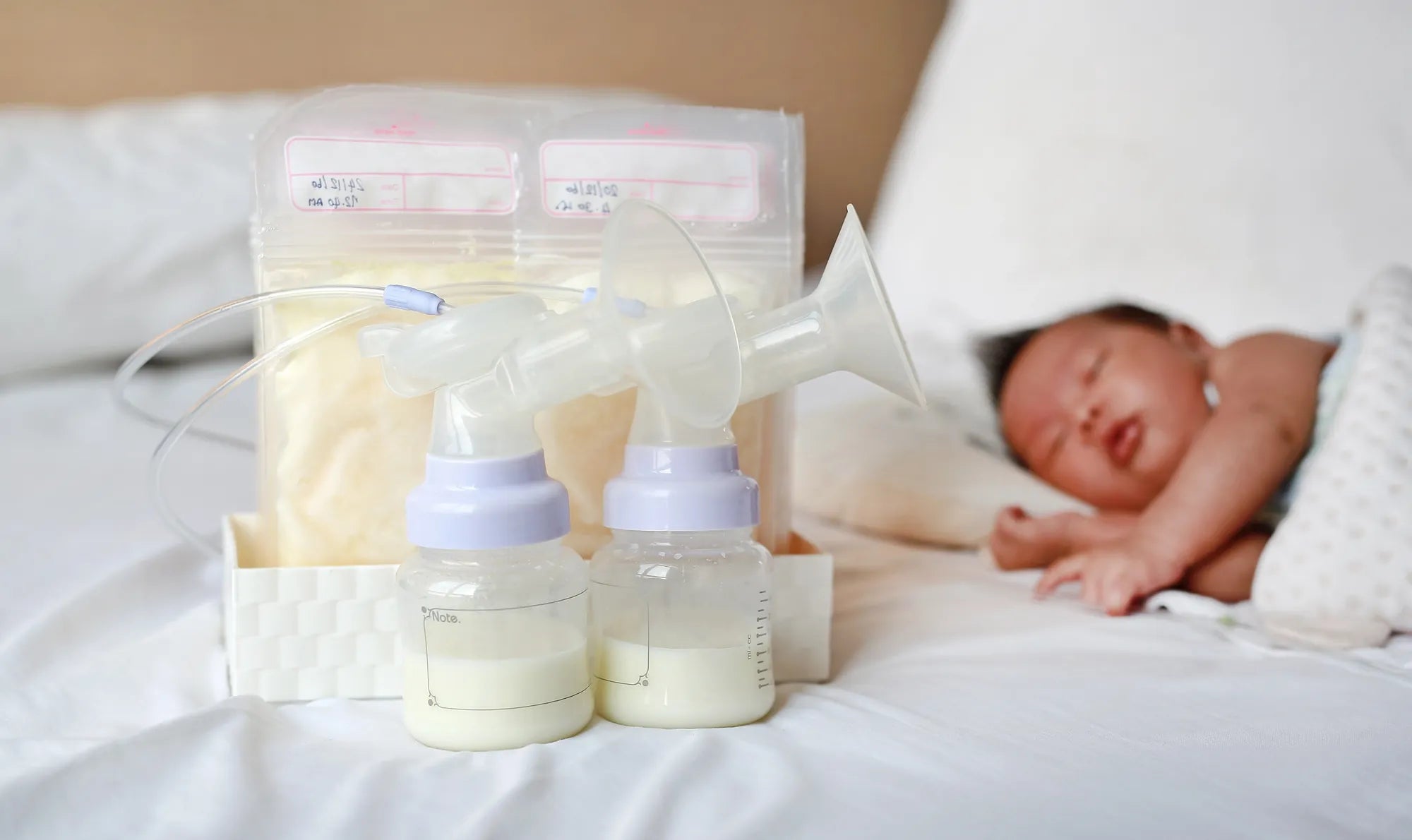
Do You Have to Pump Breast Milk After Drinking Alcohol? The Evidence-Based Guide
Navigating Breastfeeding and Alcohol: Facts Over Fear
You're holding your baby after a long day, and the thought of a glass of wine crosses your mind. Immediately, a wave of questions and guilt follows: Can I? Should I? Do you have to pump breast milk after drinking alcohol? This is a universal dilemma for nursing mothers, surrounded by old wives' tales and conflicting advice. The short answer, backed by science, is no—you do not have to pump and dump simply because you had a drink.
This article will dismantle the pervasive myths and provide you with clear, evidence-based guidance from major health authorities like the CDC and the Academy of Breastfeeding Medicine. We will explore how alcohol actually metabolizes in breast milk, provide you with practical tools to calculate safe waiting periods, and offer smart strategies for planning ahead. The goal is to replace anxiety with empowerment, allowing you to make informed decisions that balance your well-being with your baby's safety.
Understanding How Alcohol Metabolizes in Breast Milk
To understand the guidelines, you must first know the basic biology. Alcohol passes freely from your bloodstream into your breast milk via diffusion. It is not stored or "trapped" in the milk; its concentration in your milk rises and falls in near-perfect parallel with the concentration in your blood.
When you consume an alcoholic drink, alcohol enters your stomach and small intestine, is absorbed into your bloodstream, and peaks in your blood—and consequently your milk—about 30 to 60 minutes after consumption if drunk with food, or 30 to 90 minutes if on an empty stomach. The alcohol level then decreases as your liver metabolizes it.
The critical principle here is that alcohol leaves your milk as it leaves your blood. Pumping and dumping does not accelerate this process. Expressing milk will remove the alcohol-containing milk from your breasts, but it does not lower your blood alcohol concentration (BAC). New milk produced will still contain alcohol as long as alcohol remains in your bloodstream.
Therefore, the only factor that determines when your milk is alcohol-free again is time. Your body needs time to process and eliminate the alcohol. This fundamental understanding is key to moving away from the fear-based "pump and dump" reaction and toward a more logical, timed approach.
The "Pump and Dump" Myth vs. The "Wait It Out" Rule
The idea that you must pump and dump after drinking alcohol is one of the most persistent myths in breastfeeding lore. This advice likely originated from a well-intentioned but flawed understanding, suggesting you need to "clear" the tainted milk from your system. As we've established, this is physiologically incorrect.
Discarding expressed milk after a drink does not make your system alcohol-free faster. You would simply be throwing away precious liquid gold without any benefit to your baby's safety. The evidence-based guideline from the Centers for Disease Control and Prevention (CDC) and the American Academy of Pediatrics (AAP) is clear: if you choose to drink, you should simply wait for the alcohol to clear your system before the next feeding.
The general rule of thumb is to wait 2 to 3 hours per standard drink consumed before nursing or expressing milk for feeding. This conservative window accounts for the average rate at which an adult woman's body metabolizes alcohol. It ensures that the concentration in your milk has returned to baseline, essentially negligible levels.
It's important to frame this correctly: you are not "pumping and dumping" to get rid of bad milk. You might pump for comfort if your breasts become full during the waiting period, but that milk should be labeled and stored safely if it was expressed while alcohol was still in your system. The primary action is waiting, not dumping.
How to Calculate Your Personal "Wait Time"
While the 2-3 hour per drink rule is a safe starting point, personal factors influence metabolism. To calculate a more tailored wait time, follow these steps.
First, know what constitutes a standard drink: 12 ounces of regular beer (5% ABV), 5 ounces of wine (12% ABV), or 1.5 ounces of distilled spirits (40% ABV). Many poured glasses at home or cocktails at bars exceed these amounts.
A more precise, conservative calculation method is: wait a minimum of 2 hours after your first drink, then add 1 hour for each additional standard drink. For example, if you have two glasses of wine over a leisurely dinner, your wait time would be 2 hours (for the first) + 1 hour (for the second) = 3 hours total from the start of your first drink.
Key factors that slow metabolism and may require a longer wait include lower body weight, drinking on an empty stomach, faster consumption (gulping vs. sipping), and individual genetic variations in liver enzymes. When in doubt, err on the side of a longer waiting period. Using a reliable breast milk storage bag and labeling it with the time pumped can help you manage milk expressed during this window.
Planning Ahead: Smart Strategies for the Breastfeeding Mom
The key to enjoying a drink without stress is preparation. By planning ahead, you can create a seamless, safe experience that doesn't interrupt your baby's feeding routine or your peace of mind.
The most effective strategy is to nurse your baby immediately before you have your drink. This maximizes the alcohol-free window. Your baby gets a full feeding of completely uncontaminated milk, and you can start the metabolizing clock with confidence.
Having a small stash of previously expressed, alcohol-free milk on hand is the ultimate insurance policy. This "just-in-case" stash allows your partner or caregiver to feed the baby if your waiting period isn't over by the next feeding time. It also relieves the pressure to pump on a schedule while you're waiting for alcohol to clear.
If you do feel engorged during the waiting period, pumping for comfort is recommended to maintain supply and prevent issues like plugged ducts or mastitis. A hands-free, wearable pump is ideal for this scenario, allowing you to express discreetly and comfortably without disrupting your activities. Remember, this milk is not unsafe for your baby; it simply contains trace amounts of alcohol equivalent to your blood level at the time of pumping.
The Role of a Wearable Pump in Your Routine
This is where innovative products like the MomMed S21 Double Wearable Breast Pump become invaluable tools for the modern breastfeeding mom. It's not about pumping to dump; it's about pumping for flexibility and comfort.
A comfortable, ultra-quiet, hands-free pump allows you to efficiently build and maintain your "just-in-case" stash. You can express milk during a natural surplus period (like in the morning) without being tethered to a wall outlet, making the process of creating a backup supply much more manageable.
The MomMed S21, winner of multiple industry awards for innovation, features adjustable suction levels and a rhythmic, massage-like let-down mode. This BPA-free, food-grade silicone design ensures a comfortable, effective expression that helps maintain your milk supply. When used as part of a proactive plan, it gives you the freedom to have a drink knowing you have safe, alcohol-free milk ready for your baby if needed.
Data and Comparisons: Alcohol Concentration in Milk vs. Common Myths
To alleviate concern, it's helpful to understand the actual levels of alcohol that reach breast milk. The concentration is typically very low—approximately equivalent to your blood alcohol concentration (BAC), which is a small percentage.
For perspective, a mother with a BAC of 0.08% (the legal driving limit in many places) would have breast milk that is 0.08% alcohol. That's 0.08 grams of alcohol per 100ml of milk. To put that in context, many common foods contain higher natural alcohol concentrations. For example, ripe banana (0.02-0.04%), some breads (up to 1.2%), and orange juice (0.05-0.5% from natural fermentation) can contain similar trace amounts.
The primary concerns with alcohol and breastfeeding are not acute poisoning from these trace amounts, but rather the potential effects on the infant's sleep patterns, milk intake, and motor development with frequent or heavy exposure. Occasional, moderate drinking followed by a proper waiting period poses minimal risk. The table below provides a clear comparison to dispel common fears.
| Substance/Scenario | Typical Alcohol Concentration | Relative Risk to Nursing Infant (Moderate, Occasional Consumption) |
|---|---|---|
| Breast Milk after 1 drink (BAC ~0.02%) | ~0.02% | Very Low |
| Ripe Banana | 0.02% - 0.04% | None |
| Non-Alcoholic Beer (by law) | ≤ 0.5% | Very Low |
| Heavy Maternal Drinking (BAC >0.15%) | >0.15% | High (Can inhibit let-down, cause infant sedation) |
| Mouthwash (if used before nursing) | Up to 27% | Low (Local exposure, but best to rinse) |
This data reinforces that the trace amounts in milk after a single drink are not a toxicological emergency. The sensible approach of timing your feedings is both scientifically sound and practically manageable.
Frequently Asked Questions (FAQ)
Can I drink alcohol while breastfeeding?
Yes, you can. Major health organizations agree that occasional, moderate alcohol consumption is compatible with breastfeeding. The key is moderation (defined as up to 1 standard drink per day) and planning. You should wait at least 2 hours after that single drink before nursing to allow the alcohol to clear your system.
Does alcohol increase milk supply?
No, it does not. In fact, studies suggest that alcohol can actually inhibit the milk ejection reflex (let-down) and may lead to a temporary decrease in milk intake by the baby. The old myth of drinking stout beer to boost supply is not supported by science. For reliable supply support, focus on frequent removal of milk, proper hydration, and a good flange fit on your pump, like the BPA-free silicone flanges from MomMed designed for comfort.
What if I feel buzzed or drunk?
If you are feeling noticeable effects from alcohol—buzzed, tipsy, or drunk—you should absolutely not breastfeed. Your coordination and judgment are impaired, which makes caring for an infant unsafe. The waiting period will be significantly longer. A good rule is to wait until you feel completely sober, and then add an extra hour or two to be safe. Always ensure a sober adult is present to care for the baby.
Are alcohol test strips for breast milk accurate?
Alcohol test strips are available but have notable limitations. Their accuracy can vary, they test for the presence of alcohol but not the exact concentration, and they can create unnecessary anxiety. Relying on the established time guidelines (2-3 hours per drink) is generally considered more reliable and less stressful than trying to interpret test strips.
Can I mix alcohol-free milk from different pumping sessions for a feeding?
Yes, you can safely combine milk expressed at different times, provided all the milk was expressed when you had no alcohol in your system. Always cool freshly expressed milk in the refrigerator before adding it to already chilled milk from a previous session. Use clear, durable storage bags and label them with the date and time to keep your stash organized.
Conclusion: Empowerment Through Knowledge and Preparation
The journey of breastfeeding is deeply personal, and every mother deserves to have accurate information to guide her choices. The outdated "pump and dump" mandate is a myth that can lead to wasted milk and unnecessary stress. The evidence is clear: you do not have to pump breast milk after drinking alcohol for the purpose of discarding it. Instead, you need to plan ahead and allow time for your body to metabolize the alcohol.
By nursing before a drink, maintaining a small backup stash of alcohol-free milk, and using the simple wait-time calculations, you can find a balance that works for your life. Trusted maternal care brands like MomMed support this balance by creating innovative, comfortable products—like their award-winning wearable breast pumps—that offer the flexibility and peace of mind every mother needs.
Your well-being is an essential part of being the best mom you can be. Make informed choices, prepare when you can, and feed with confidence. Shop the MomMed collection at mommed.com for all your breastfeeding and pregnancy needs, from comfortable wearable pumps to reliable pregnancy tests and baby care essentials.