


Inicio
Pregnancy, Breastfeeding, and Pumping: The Ultimate Guide for Moms
Do I Bring Breast Pump to Hospital? A Complete Guide for New Moms
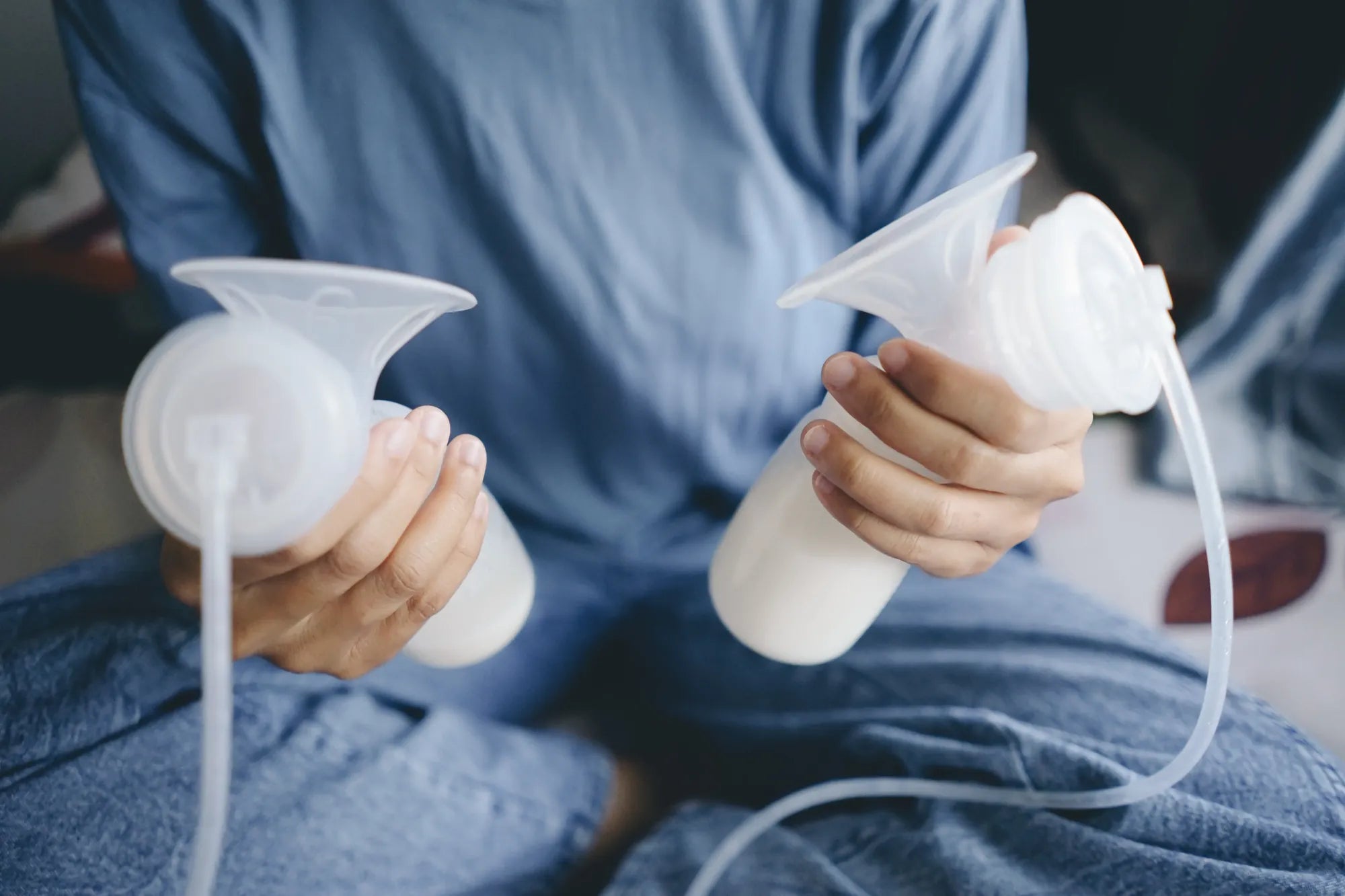
Do I Bring Breast Pump to Hospital? A Complete Guide for New Moms
Introduction: The Big Question – To Pack or Not to Pack?
Packing your hospital bag is a rite of passage for expectant parents, filled with excitement and a touch of anxiety. Among the cozy pajamas and tiny newborn outfits, one item often causes significant hesitation: the breast pump. The core question, "Do I bring my breast pump to the hospital?" is more than a simple packing list query. It speaks to your hopes for feeding, your concerns about supply, and your desire to be prepared for any scenario. This guide will provide a clear, evidence-based answer tailored to modern maternity care.
We will explore the practical and medical reasons for having a pump accessible, demystify what hospitals provide, and offer a detailed checklist. Crucially, we will discuss how innovative solutions, like MomMed's wearable breast pumps, are changing the postpartum experience by offering unparalleled comfort and flexibility from the very first hours. Your feeding journey is unique, and being informed helps you start it with confidence.
Why You Might Want Your Breast Pump at the Hospital
Bringing your breast pump is not an admission that breastfeeding will be difficult. Instead, it is a proactive tool for support and success. Having your own pump provides immediate access and control, which can be invaluable in several common postpartum situations.
If your baby requires special care in the Neonatal Intensive Care Unit (NICU), direct latching may be delayed. In this case, initiating pumping within the first few hours is critical for signaling your body to start milk production and for providing precious colostrum to your baby. Even for healthy, full-term babies, some are exceptionally sleepy in the first 24-48 hours and may not nurse effectively, making gentle pumping a helpful way to stimulate supply.
Furthermore, pumping can provide relief from engorgement when your milk transitions from colostrum to mature milk, often around days 2-4. It also allows you to collect colostrum—liquid gold rich in antibodies—for supplemental feeding if needed. For mothers who may be on medications that temporarily prevent nursing, pumping maintains supply until it's safe to feed directly. In all these cases, a pump is a bridge, not a barrier, to your feeding goals.
The Game-Changer: Hands-Free Wearable Pumps
The traditional image of a breast pump involves being tethered to a wall outlet or a bulky machine, which is far from ideal in a hospital room where mobility and skin-to-skin contact are paramount. This is where hands-free, wearable pumps revolutionize the experience. A pump like the MomMed S21 Double Wearable Breast Pump is designed for this exact environment.
Its compact, cordless design fits discreetly in your nursing bra, allowing you to pump while holding your baby skin-to-skin, walking to the bathroom, or even resting semi-reclined. This facilitates the crucial hormonal bonding and milk ejection reflex. The ultra-quiet motor operates at a whisper, ensuring you, your baby, and any roommate are not disturbed. For a recovering mother, this autonomy and comfort are not just convenient—they are supportive of both physical recovery and mental well-being.
What to Expect: Hospital-Grade Pumps & Lactation Support
It is important to know that most hospitals in the US and Europe are equipped with hospital-grade, multi-user breast pumps. These are powerful, durable pumps designed for frequent use by multiple mothers, with separate, personal collection kits provided for hygiene. Upon request, your nurse or lactation consultant can usually bring one to your room.
The hospital's lactation consultants are an invaluable resource. They can provide initial guidance on flange fitting—a crucial aspect for comfort and efficiency—and demonstrate proper pumping techniques. They will likely encourage frequent removal of milk, either by baby or pump, in the early days to establish a robust supply. This professional support is a significant benefit of your hospital stay.
Therefore, bringing your personal pump is a choice, not a strict requirement. The hospital pump ensures you have a reliable option available. Your decision to bring your own, particularly a wearable model, is about personal preference, comfort, and establishing a seamless routine with the equipment you'll use at home.
The MomMed Hospital Packing Checklist: Breastfeeding Edition
Beyond the pump itself, packing the right accessories can make your hospital stay significantly smoother. Here is a focused checklist for your breastfeeding needs.
Absolute Essentials:
- Nipple cream (lanolin or coconut oil-based)
- 2-3 comfortable nursing bras or tanks
- High-quality nursing pads (disposable or reusable)
- Long phone charger and power bank
- Lip balm and lotion (hospital air is dry)
Highly Recommended / Game-Changers:
- MomMed S21 Double Wearable Breast Pump: For hands-free, quiet, and comfortable pumping from the start.
- BPA-free milk storage bags or bottles with lids.
- A hands-free pumping bra (if not integrated into your wearable pump setup).
- Sanitizing wipes or microwave steam bags for quick cleaning of pump parts.
- Your own pillow for comfort during feeding and pumping sessions.
Your Pump, Your Control: The MomMed S21 Advantage
Choosing to bring the MomMed S21 to the hospital is choosing comfort and control. Its award-winning design is the result of direct input from mothers. The compact, wireless pumps fit securely and discreetly, eliminating the need for cumbersome tubes and external motors during a time when you are learning to manage your new body and baby.
The S21 features multiple, adjustable suction modes, including a gentle "Let-Down" mode perfect for the early days of stimulating colostrum and a more powerful "Expression" mode for when your milk volume increases. This customizable control allows you to find a comfortable, effective rhythm. Made with BPA-free, food-grade silicone that touches the skin, it prioritizes your baby's safety and your comfort from the very first use, making it the ideal personal pump for the hospital and beyond.
Special Considerations & When to Leave It at Home
While being prepared is wise, there are valid reasons you might decide to leave your pump at home. If you are anticipating a very short, uncomplicated stay (e.g., a planned 24-hour discharge), and you are committed to trying direct latching exclusively with immediate support from lactation consultants, the hospital pump may suffice for any unexpected needs.
Some mothers prefer to minimize "gear" and focus solely on the biological process of nursing in the first days, without the sight or sound of a pump. This is a perfectly valid personal choice. Additionally, if luggage space is extremely limited, know that the hospital provides a safety net. Always feel empowered to call the hospital's maternity ward beforehand to ask about their pump availability and policies to inform your decision.
Navigating the First Days: Pumping Scenarios & Strategies
Understanding how and when to pump in the first 72 hours can alleviate anxiety. Here’s a strategic breakdown.
Scenario 1: Baby is latching well. Priority is direct feeding on demand, typically 8-12 times in 24 hours. Pumping is not necessary but can be used after a few feeds if you wish to stimulate a slight oversupply for a stash or have your partner give a bottle. A short 10-15 minute session with a wearable pump like the MomMed S12 Single Wearable is perfect for this.
Scenario 2: Baby is sleepy or latching poorly. Attempt to nurse first, then follow with a 15-20 minute pumping session to fully empty the breast and signal your body for more milk. This "triple feeding" (nurse, pump, supplement) is taxing but temporary; a wearable pump makes it more manageable.
Scenario 3: Baby is in the NICU. This requires a strict pumping schedule mimicking a baby's feeding pattern: pump every 2-3 hours, including at night, for 15-20 minutes. Starting within 6 hours of birth is ideal. The quiet efficiency of a pump like the MomMed S21 allows you to maintain this schedule even while resting.
FAQ: Your Hospital Pumping Questions, Answered
Q: Will using a pump in the first few days hurt my milk supply or confuse my baby?
A: No. Early pumping, when done appropriately, helps establish your milk supply by providing strong, frequent removal signals to your body. It does not cause confusion; babies are primed to suckle at the breast. Pace bottle feeds with a slow-flow nipple if supplementing.
Q: Can I sanitize my MomMed pump parts in the hospital?
A>Yes. You can use FDA-approved sanitizing wipes between uses for a quick clean. Most hospitals also have a sink with soap and hot water, and some may offer access to a microwave or commercial sanitizing system. Always follow the manufacturer's cleaning instructions.
Q: What if my milk hasn’t "come in" yet? Should I still pump?
A>Yes! You are producing colostrum, which is thick, nutrient-dense, and measured in teaspoons, not ounces. Pumping for 10-15 minutes after nursing attempts helps stimulate production and allows you to collect every precious drop for your baby.
Q: Is the MomMed S21 considered a hospital-grade pump?
A>"Hospital-grade" is a specific FDA designation for multi-user pumps. The MomMed S21 is a closed-system, personal-use pump. However, it delivers powerful, hospital-grade performance with suction strength and efficiency that rivals many traditional pumps, all in a portable, wearable format.
Q: How soon after a C-section or complicated delivery can I use a wearable pump?
A>You can typically use a wearable pump as soon as you are alert and able to sit up somewhat, often within a few hours. Their hands-free nature is especially beneficial post-C-section, as you can pump without needing to lean forward or hold heavy components, reducing strain on your incision.
Hospital Pump vs. Personal Wearable Pump: A Comparison
| Feature | Hospital-Grade Rental Pump | MomMed S21 Wearable Pump |
|---|---|---|
| Portability & Setup | Bulky, requires outlet; tethers you to one spot. | Fully wireless, fits in bra; allows full mobility. |
| Noise Level | Often quite loud and mechanical. | Ultra-quiet, discreet operation. |
| Ideal For | Maximum power for establishing supply; NICU moms. | Comfort, discretion, and integration into early postpartum recovery. |
| Cost During Stay | Usually provided at no extra charge during hospitalization. | Your initial investment; no rental fees. |
| Transition Home | Must be returned; you need your own pump. | Seamless continuation of your established routine. |
Conclusion: Empowering Your Feeding Journey from Day One
The decision to bring your breast pump to the hospital is a personal one, but it is increasingly a decision made in favor of preparedness, comfort, and autonomy. A wearable pump like the MomMed S21 transforms pumping from a clinical chore into an integrated, manageable part of your early motherhood experience. It empowers you to respond flexibly to your baby's needs and your body's signals, whether you're navigating a sleepy newborn, managing engorgement, or simply wanting to collect a small stash before discharge.
You are the expert on your own journey. Packing tools that give you confidence and options—from nipple cream to an innovative wearable pump—allows you to focus on recovery and bonding. Remember, every drop of milk you provide, whether directly from the breast or via a bottle, is an act of love and nourishment. Trust your instincts, utilize the support around you, and know that you have the resources to navigate this beautiful, challenging transition. Shop the MomMed collection at mommed.com for all your breastfeeding and pregnancy needs, and discover the tools designed to support you from the hospital room to the nursery and beyond.