


Inicio
Pregnancy, Breastfeeding, and Pumping: The Ultimate Guide for Moms
Can You Use a Breast Pump to Collect Colostrum? A Comprehensive Guide
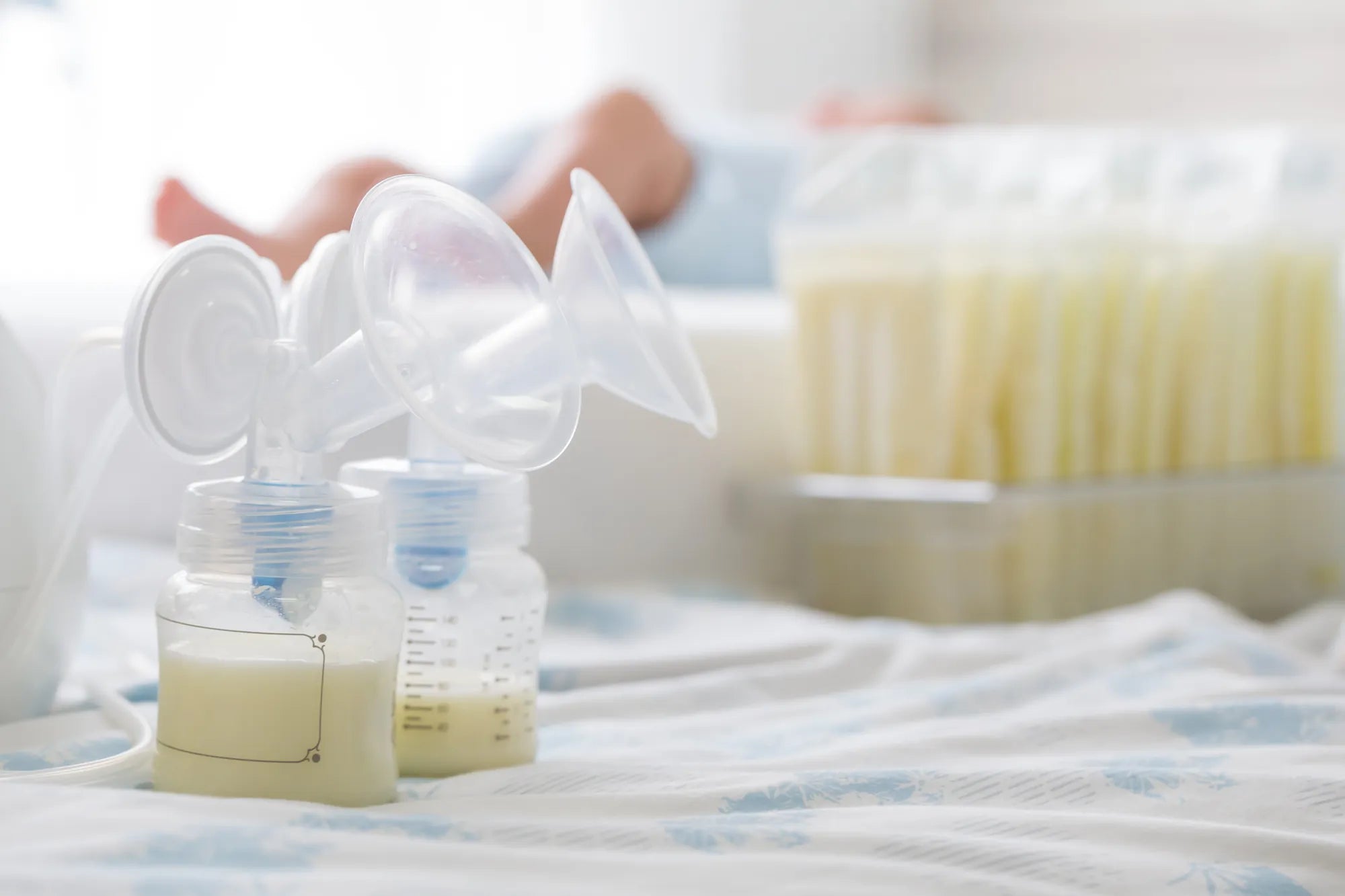
Can You Use a Breast Pump to Collect Colostrum? A Comprehensive Guide
Colostrum, often called "liquid gold," is the first milk your body produces. Rich in antibodies, proteins, and immune-boosting cells, it's a powerhouse of nutrition designed to protect and nourish your newborn in their first critical days. A common question among expectant parents is: can you use a breast pump to collect colostrum? This comprehensive guide will answer that question in detail. You will learn the benefits of antenatal collection, compare hand expression to pumping, discover best practices for safe storage, and understand how modern pumping technology can support this delicate process.
Understanding Colostrum: The Power of "Liquid Gold"
Colostrum is a thick, sticky, yellowish fluid produced during late pregnancy and the first few days postpartum. Its composition is uniquely tailored to a newborn's needs. Unlike mature milk, colostrum is lower in volume but incredibly dense in nutrients and protective factors.
It is packed with immunoglobulins, particularly Secretory IgA, which coats the baby's gut lining, providing a critical first line of defense against pathogens. It also acts as a natural laxative, helping the baby pass meconium and reducing the risk of jaundice. Given its immense value, some parents consider collecting it before birth, a practice known as Antenatal Colostrum Expression (ACE).
The process of collecting colostrum, whether by hand or pump, is about harvesting these precious early drops. It's important to frame this not as a necessity for every parent, but as an option that can offer significant benefits in specific situations, always under medical guidance.
The Benefits and Considerations of Antenatal Colostrum Expression (ACE)
Collecting colostrum before your baby arrives can serve several practical and psychological purposes. It can build a small stash for potential early feeding challenges, which is particularly reassuring for parents with medical conditions like gestational diabetes, where babies may need extra glucose soon after birth.
It also provides invaluable practice in hand expression, a skill that can be crucial for managing engorgement, encouraging milk supply, or relieving clogged ducts in the early postpartum days. For many, the act of collecting offers a tangible connection to the coming baby and can alleviate anxiety about feeding.
However, a crucial safety note must be emphasized. Antenatal expression should only be considered after consultation with your healthcare provider or a lactation consultant, typically after 36-37 weeks of pregnancy in a low-risk scenario. They will assess your individual situation, as nipple stimulation can sometimes trigger uterine contractions.
The goal of ACE is not to collect large volumes—often just a few milliliters total—but to have a safety net and gain confidence. This practice is about empowerment and preparation, not pressure.
Can You Use a Breast Pump to Collect Colostrum? The Direct Answer
So, can you use a breast pump to collect colostrum? The direct answer is yes, you can. However, it is not always the first method recommended, especially for very early, small-volume collection. The thick, sticky nature of colostrum and the fact that it is produced in small amounts (often just drops at a time) mean that hand expression is often more targeted and efficient initially.
A standard electric pump set to high suction may not effectively remove these small, viscous amounts and could cause unnecessary discomfort or even damage to delicate nipple tissue if used incorrectly. The key to using a pump successfully for colostrum lies in using the correct tools and settings.
Many find that a manual breast pump offers the gentle, controlled suction needed. Alternatively, a high-quality electric or wearable pump with highly adjustable, gentle settings can be effective. The primary advantage of using a pump is familiarity and comfort; if you plan to pump postpartum, using your pump prenatally can help you get accustomed to its rhythm and fit.
Hand Expression vs. Pump Method: A Detailed Comparison
Choosing between hand expression and using a pump depends on your comfort, goals, and volume. Here is a detailed comparison to help you decide.
| Aspect | Hand Expression | Pump Method (Manual/Gentle Electric) |
|---|---|---|
| Best For | Initial collection, learning body cues, very small volumes (drops) | Those comfortable with pumps, collecting slightly larger volumes, practicing for postpartum |
| Control & Gentleness | High degree of manual control over pressure and rhythm | Depends on pump settings; requires careful adjustment to lowest comfortable suction |
| Efficiency for Colostrum | Often more efficient for sticky, thick colostrum in small amounts | Can be efficient if using correct collection vessels (syringe/cup) and proper technique |
| Equipment Needed | Clean hands, sterile collection syringe or small cup | Pump, correct flange size, sterile syringe or collection cup (often instead of bottle) |
| Learning Curve | Requires practice to perfect technique | Easier if already familiar with the pump; requires learning gentle settings |
For most people beginning ACE, lactation consultants recommend starting with hand expression. It's a free, always-available skill that connects you directly to your body's responses. The pump method can be an excellent adjunct or primary method once you are comfortable and understand your output patterns.
Step-by-Step Guide to Collecting Colostrum
Method 1: Hand Expression Technique
First, ensure your hands are thoroughly washed. Gather a sterile 1mL or 3mL syringe (without the needle) or a small, clean container. Apply a warm compress to your breast or take a warm shower beforehand to encourage let-down.
Place your thumb and forefinger about 1-1.5 inches behind your nipple, forming a "C" shape. Press straight back towards your chest wall, then compress your fingers together (like making an "OK" sign), and finally roll them forward. This press-compress-roll motion should be rhythmic, not a sliding pull on the nipple.
Express over your collection syringe or cup. Rotate your finger positions around the areola to drain different ducts. Expect only drops initially—this is normal. Collect for about 5-10 minutes per side, once or twice a day as approved by your provider.
Method 2: Using a Breast Pump Effectively
If using a pump, start with a massage mode or the lowest possible suction setting on your pump. The goal is stimulation, not powerful extraction. Ensure you are using the correct flange size; a flange that is too large or small will reduce effectiveness and comfort.
Instead of attaching a standard bottle, use a sterile syringe or a small collection cup that fits against the breast shield to catch the precious drops. You can often hold the syringe in place at the flange's opening. Manual pumps are excellent here, as you control each suction pull gently.
Pump for shorter sessions, about 10-15 minutes, and always prioritize comfort. If you feel any pain, stop and reassess the suction setting or flange fit. Combining hand massage before and during pumping can significantly improve yield.
Choosing the Right Tools: MomMed Solutions for Gentle Collection
Having the right equipment can make the process of colostrum collection more comfortable and effective. MomMed, a trusted maternal and baby care brand, designs products with the nuances of early motherhood in mind.
For colostrum collection and the subsequent breastfeeding journey, the MomMed S21 Double Wearable Breast Pump is an exceptional tool. While hand expression might be ideal for the very first drops, the S21 is perfect for establishing and maintaining milk supply postpartum. Its hospital-grade performance features adjustable multiple suction modes and levels, allowing you to find the gentlest, most effective setting that mimics a baby's natural suckling pattern.
All MomMed breast pumps, including the S21 and the S12 Single Wearable model, are made with BPA-free, food-grade silicone for baby safety, which is paramount when collecting colostrum. The wearable, hands-free design empowers you to move comfortably, which can aid relaxation and milk let-down. MomMed's commitment to innovation provides moms with reliable, comfortable options from collecting the first drops of liquid gold to full feeding sessions.
Storing and Handling Your Colostrum Safely
Proper storage is critical to preserve the integrity of colostrum's immune properties. Always label your collection with the date and time.
The best container for small volumes is a sterile syringe. You can cap it and place it directly in the refrigerator or freezer. For slightly larger amounts, use sterile breast milk storage bags or small containers. Avoid using the collection bottles that come with pumps for storing these initial small amounts, as surface area loss is significant.
Follow the "Rule of 4s" as a general guideline: freshly expressed colostrum can be kept at room temperature (up to 77°F/25°C) for up to 4 hours. In the refrigerator (39°F/4°C or below), it can be stored for up to 4 days. In a freezer compartment within a refrigerator, aim for 2 weeks. In a standalone deep freezer (0°F/-18°C or below), it can be stored for 6-12 months for optimal quality.
Thaw frozen colostrum slowly in the refrigerator or by placing the sealed container in a bowl of warm water. Never microwave it, as this destroys precious antibodies and creates hot spots.
Frequently Asked Questions (FAQs) on Colostrum Collection
Is it safe to express colostrum before birth?
For most people with low-risk, full-term pregnancies (after 36-37 weeks), it is generally considered safe when done gently and after discussion with a midwife or doctor. It is not recommended for those at risk of preterm labor without direct medical supervision.
Will expressing before birth use up my colostrum?
No. Colostrum production is not a finite reserve that can be emptied. Your body will continue to produce it until your milk transitions, around 2-5 days postpartum. Expression can actually signal your body to continue producing it.
How much colostrum should I expect to collect?
Expect very small amounts—typically just a few drops to 1-5 mL total per session in the prenatal period. This is completely normal. Newborn stomachs are tiny (about the size of a cherry on day one), so these small amounts are perfectly adequate.
Can I use my wearable pump, like the MomMed S21, for colostrum?
Yes, you can. Use it on the lowest, most gentle stimulation setting. However, because wearable pumps collect into a container, you may find hand expression with a syringe more direct for capturing tiny drops. The wearable pump becomes exceptionally valuable immediately postpartum for establishing supply.
What if I can't collect any colostrum at all?
This is very common and does not predict your ability to breastfeed or produce milk after birth. The act of trying is still beneficial practice. Hormonal changes after delivery trigger a significant increase in milk production. Never equate antenatal colostrum volume with future milk supply.
Empowering Your Feeding Journey from the Very First Drop
Exploring colostrum collection is a proactive step in preparing for your baby's arrival. Whether you choose hand expression, a gentle manual pump, or a wearable pump like the MomMed S21, the key is patience, gentleness, and guidance from your healthcare team. Remember, the primary goal is learning and preparation, not volume.
This journey from the first drops of liquid gold to a full milk supply is unique for every parent. Having reliable, comfortable, and innovative tools can make a significant difference in your confidence and comfort. MomMed is dedicated to supporting moms and moms-to-be through every stage with products designed for safety, efficiency, and peace of mind.
Shop the MomMed collection at mommed.com for all your breastfeeding and pregnancy needs, from award-winning wearable breast pumps to essential baby care products, and embark on your feeding journey with confidence.