


Inicio
Pregnancy, Breastfeeding, and Pumping: The Ultimate Guide for Moms
Can You Pump Breast Milk While Still Pregnant? Exploring the Facts
Can You Pump Breast Milk While Still Pregnant? Exploring the Facts
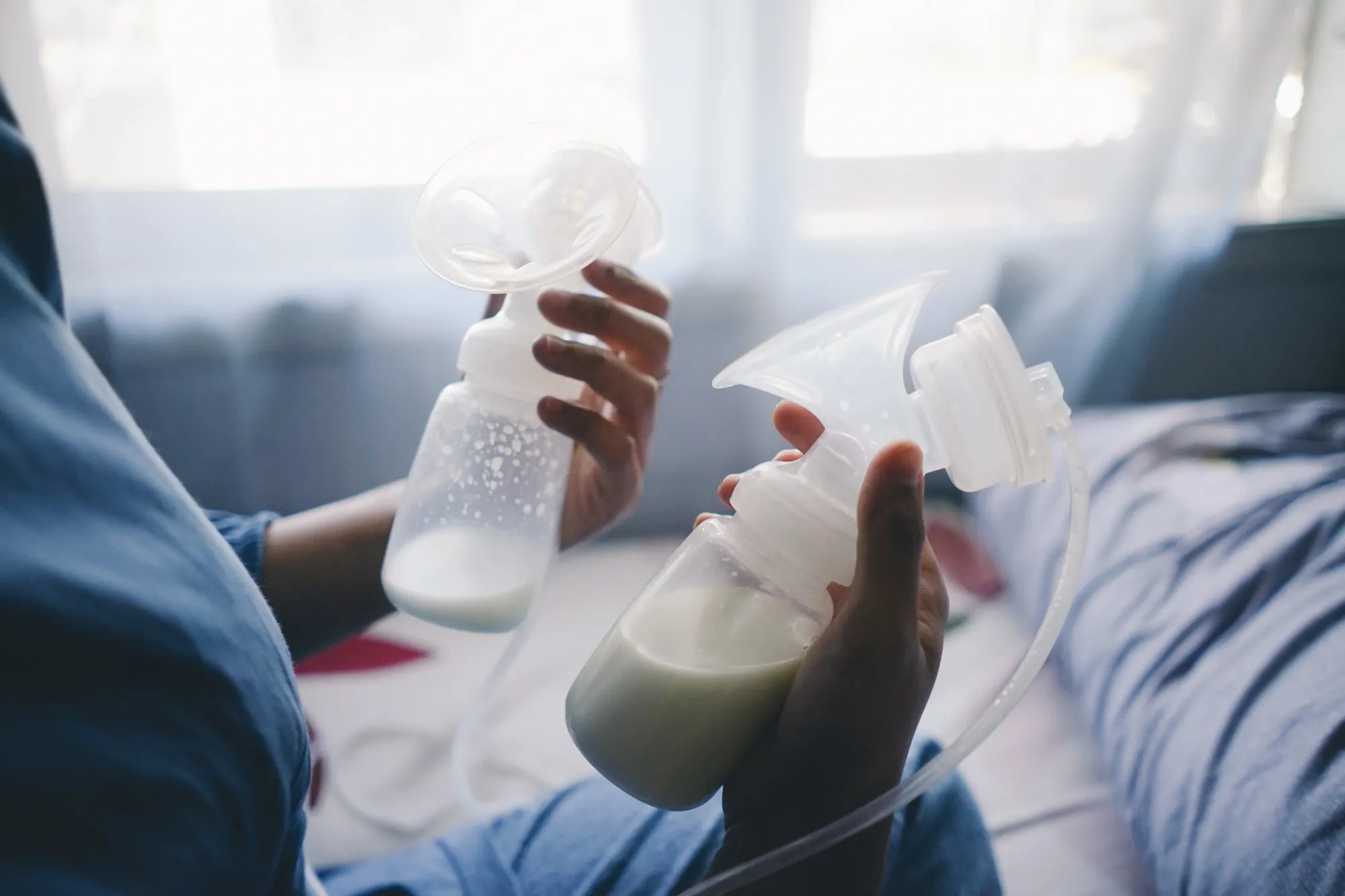
Can you pump breast milk while still pregnant? This question surfaces for many expectant mothers, sparking curiosity and sometimes concern. The straightforward answer is nuanced: while possible in specific, late-pregnancy circumstances under strict medical supervision, it is not standard practice for most healthy pregnancies. This comprehensive guide will explore the physiological facts, established safety guidelines, potential benefits and risks, and provide practical, evidence-based information to help you make an informed decision in partnership with your healthcare provider.
Understanding Colostrum and Lactation During Pregnancy
To understand the possibility of pumping while pregnant, we must first look at the body's natural preparation for lactation. Milk production doesn't magically begin after birth; it's a process that starts mid-pregnancy.
Around the 16th to 22nd week of pregnancy, your body begins producing colostrum. This "first milk" or "liquid gold" is a thick, yellowish fluid packed with concentrated antibodies, proteins, and immune factors designed to protect your newborn. Its production is driven by the hormones of pregnancy, primarily progesterone and estrogen, which prepare the mammary glands.
It's common and normal for some women to experience colostrum leakage in the third trimester. This is simply a sign that your body is on track. However, intentional expression or pumping to collect this colostrum is a separate, deliberate action with different considerations.
The key physiological point is that full, mature milk production (lactogenesis II) is hormonally triggered by the delivery of the placenta, which causes a sudden drop in progesterone. Until that moment, the high levels of pregnancy hormones actively suppress a full milk supply, which is why colostrum is produced in smaller, more manageable amounts for a newborn's tiny stomach.
Is It Safe to Pump Before Baby Arrives? Medical Perspectives
The consensus among major health organizations is one of caution. For women with uncomplicated, low-risk pregnancies, routine pumping before term is not recommended. The primary concern is the potential to stimulate uterine contractions.
Nipple stimulation, whether from pumping, hand expression, or even breastfeeding, causes the release of the hormone oxytocin. Oxytocin is crucial for milk ejection (the let-down reflex), but it is also the same hormone that causes the uterus to contract. This is a beautiful, efficient biological system postpartum, but during pregnancy, it raises theoretical concerns.
Organizations like La Leche League International and the American College of Obstetricians and Gynecologists (ACOG) generally advise against nipple stimulation in pregnancy for women at risk of preterm labor. For others, if there is a desire or medical reason to collect colostrum, it is typically only considered in the final weeks of pregnancy, and always after a discussion with a midwife or doctor.
The golden rule is unequivocal: Always consult your healthcare provider before attempting any form of breast milk expression during pregnancy. They can assess your individual pregnancy history, cervical health, and risk factors to provide personalized guidance.
Potential Risks and Reasons for Heightened Caution
Understanding the specific risks helps contextualize the cautious medical stance. The foremost risk is the potential induction of uterine contractions, which could lead to preterm labor.
This risk is considered higher for women with a history of preterm birth, preterm labor in the current pregnancy, cervical insufficiency, or those carrying multiples. Even for women with low-risk pregnancies, the oxytocin release from vigorous or frequent pumping could cause uncomfortable, non-productive Braxton Hicks contractions.
Beyond physical risks, there are emotional considerations. Attempting to pump in the second or early third trimester may yield only drops of colostrum or nothing at all. This can lead to unnecessary anxiety and worry about future milk supply, which is not an indicator of postpartum production capability. The emotional well-being of the expectant mother is a critical component of prenatal care.
Finally, there is a small risk of introducing bacteria if collection and storage techniques are not sterile. Colostrum is a potent immune booster, but it must be handled with care to maintain its safety and integrity for the baby.
When Might Pumping During Pregnancy Be Recommended?
In specific clinical scenarios, under close medical supervision, collecting colostrum before birth—known as Antenatal Colostrum Expression (ACE)—can be a beneficial proactive measure. This is never a casual decision but a coordinated part of prenatal care.
A common indication is gestational diabetes. Babies of mothers with GD are at higher risk of hypoglycemia (low blood sugar) after birth. Having a store of colostrum ready can help stabilize the baby's blood sugar quickly if they struggle to latch immediately or if supplementation is needed.
Other scenarios include a known history of significant low milk supply with a previous baby, maternal health conditions that may delay milk production (e.g., PCOS, thyroid disorders, or prior breast surgery), or if the baby is diagnosed with a condition that may make feeding challenging, such as a cleft palate or Down syndrome.
In these cases, a healthcare provider will give clear instructions, usually recommending starting hand expression only after 36 or 37 weeks of pregnancy, when the baby is considered full-term. The process is gentle, focused on collection without aggressive stimulation, and is always paused if any regular contractions occur.
The Process of Antenatal Colostrum Expression (ACE)
If your healthcare provider approves ACE, they will provide specific instructions. The general protocol emphasizes gentleness and hygiene to ensure safety for both mother and baby.
The process typically begins with hand expression, as it allows for more delicate control than a pump. Sessions are usually short—about 5-10 minutes per breast, once or twice a day. The goal is not volume but gentle stimulation and collection of what is easily released.
Colostrum is collected directly into a sterile syringe (1ml syringes are common) or a very clean spoon, then transferred to a syringe for storage. It is labeled with the date and time and frozen immediately. Proper storage is critical; using hygienic collection kits is essential. Brands like MomMed, trusted by thousands of moms, design their accessories with this need for safety and cleanliness in mind, offering solutions that support secure milk handling from the very first drop.
It's vital to stop expression and contact your provider if you experience any regular, painful contractions, vaginal bleeding, or fluid leakage. The process should feel like a gentle, preparatory step, not an intense or stressful task.
Hand Expression vs. Using a Breast Pump: A Late-Pregnancy Comparison
For antenatal collection, hand expression is almost universally the recommended starting point. It's gentler, provides more control over pressure, and is excellent for the thick, sticky colostrum. A pump may be introduced later if advised, but understanding the differences is key.
| Feature | Hand Expression (Late Pregnancy) | Breast Pump (Late Pregnancy, if advised) |
|---|---|---|
| Primary Use | First-line method for gentle colostrum collection. | May be used if comfortable, often set to gentlest mode. |
| Control | High tactile control; can adjust pressure instantly. | Control via settings; requires a pump with delicate modes. |
| Stimulation Level | Can be very mild and targeted. | Provides consistent, broader stimulation; may release more oxytocin. |
| Efficiency for Colostrum | Excellent for small, viscous amounts. | Colostrum can stick to pump parts; may be less efficient. |
| Equipment Needed | Just clean hands and collection vessel. | Requires a pump, correctly sized flanges, and collection bottles. |
| Consideration for Brands like MomMed | N/A | Pumps like the MomMed S21 Wearable offer ultra-quiet, hospital-grade performance with fully adjustable suction levels, allowing a mother to set it to the most gentle simulation mode if pumping is recommended. |
The takeaway is clear: hand expression is the gold standard for antenatal work. If a pump is used, it must be one that allows for extremely gentle, customizable expression to minimize uterine stimulation.
Preparing for Postpartum Success Without Early Pumping
For the vast majority of expectant mothers, the healthiest preparation involves not pumping during pregnancy. Instead, focus on knowledge and resource gathering to build confidence for the postpartum period.
Use this time to research and select a high-quality breast pump. Understanding the differences between wearable, double-electric, and manual pumps will help you choose what fits your anticipated lifestyle. A comfortable, efficient pump is a cornerstone of feeding success. MomMed's range of wearable pumps, like the S21, are designed for discreet, comfortable use, allowing new moms mobility and flexibility—key factors in maintaining a consistent pumping schedule which is crucial for supply.
Educate yourself. Take a breastfeeding class, read reputable sources, and learn about early feeding cues, latch techniques, and how to recognize if your baby is getting enough milk. Knowledge reduces anxiety and empowers you to seek help early if needed.
Prepare your environment. Set up a comfortable nursing and pumping station with water, snacks, phone charger, and entertainment. Having a supportive kit ready—including nipple cream, comfortable nursing bras, and milk storage bags—makes the transition smoother. This proactive, non-invasive preparation is the most powerful and safest way to support your future breastfeeding journey.
Frequently Asked Questions (FAQ)
Can pumping breast milk induce labor?
It has the potential to do so. Nipple stimulation releases oxytocin, which causes uterine contractions. While occasional, gentle expression in a full-term, low-risk pregnancy may not trigger labor, it is considered a risk factor, particularly for those with any history of preterm labor or cervical issues. This is why medical consultation is non-negotiable.
Will pumping during pregnancy increase my overall milk supply after birth?
No. Your mature milk supply is established in the days following birth and is driven by the frequent, effective removal of milk (by baby or pump). Pumping during pregnancy does not increase the number of milk-producing cells (alveoli) or "prime" the supply. In fact, aggressive pumping could theoretically downregulate progesterone receptors prematurely, though this is rare. Postpartum frequency is the key.
I'm leaking colostrum. Should I collect it?
Leakage is normal and does not obligate you to collect it. You can simply use breast pads to stay dry. If you are interested in collecting it for potential use, discuss the process of Antenatal Colostrum Expression (ACE) with your provider to ensure it's safe for your pregnancy and that you use proper hygiene and storage techniques.
Is it safe to use a breast pump I bought earlier in my pregnancy?
Yes, the pump itself is safe to use when the time is right (postpartum or if advised late in pregnancy). Ensure all parts that contact milk are clean and sterilized according to the manufacturer's instructions. Using a pump with adjustable, gentle settings is important. MomMed pumps are designed with multiple modes and levels to ensure comfort from the first use, whenever that may be.
What if I have a history of low supply? Should I pump now to get ahead of it?
This is a common concern, but pumping now is not the solution. The best course is to discuss your history with a lactation consultant or your doctor before birth. You can create a proactive postpartum plan that includes early and frequent feeding/pumping, possible use of galactagogues (milk-boosting foods/supplements) under guidance, and scheduled follow-ups. Preparation through planning, not prenatal pumping, is the evidence-based approach.
Empowering Your Feeding Journey with Knowledge and Support
The journey to feeding your baby begins long before birth, rooted in understanding and preparation. While the act of pumping while pregnant is reserved for specific situations, the period of pregnancy is invaluable for building the foundation of knowledge and assembling your support toolkit. Your safest and most empowering path is open communication with your healthcare team, trusting in your body's innate ability to prepare for your baby, and focusing on gathering reliable resources for the postpartum chapter ahead.
Whether you hand-express colostrum in the final weeks or begin your pumping journey after meeting your little one, having comfortable, efficient, and trusted tools makes all the difference. By focusing on evidence-based practices and partnering with your care providers, you can navigate these decisions with confidence, ready to nourish your baby in the way that works best for your family.
Ready to build your confident postpartum plan? Shop the MomMed collection at mommed.com for hospital-grade wearable breast pumps, hygienic milk storage solutions, and all your breastfeeding and pregnancy needs, designed to support you from pregnancy through every feeding milestone.