


Inicio
Pregnancy, Breastfeeding, and Pumping: The Ultimate Guide for Moms
Can You Leave Breast Pump in Car: Essential Tips for Safety and Hygiene
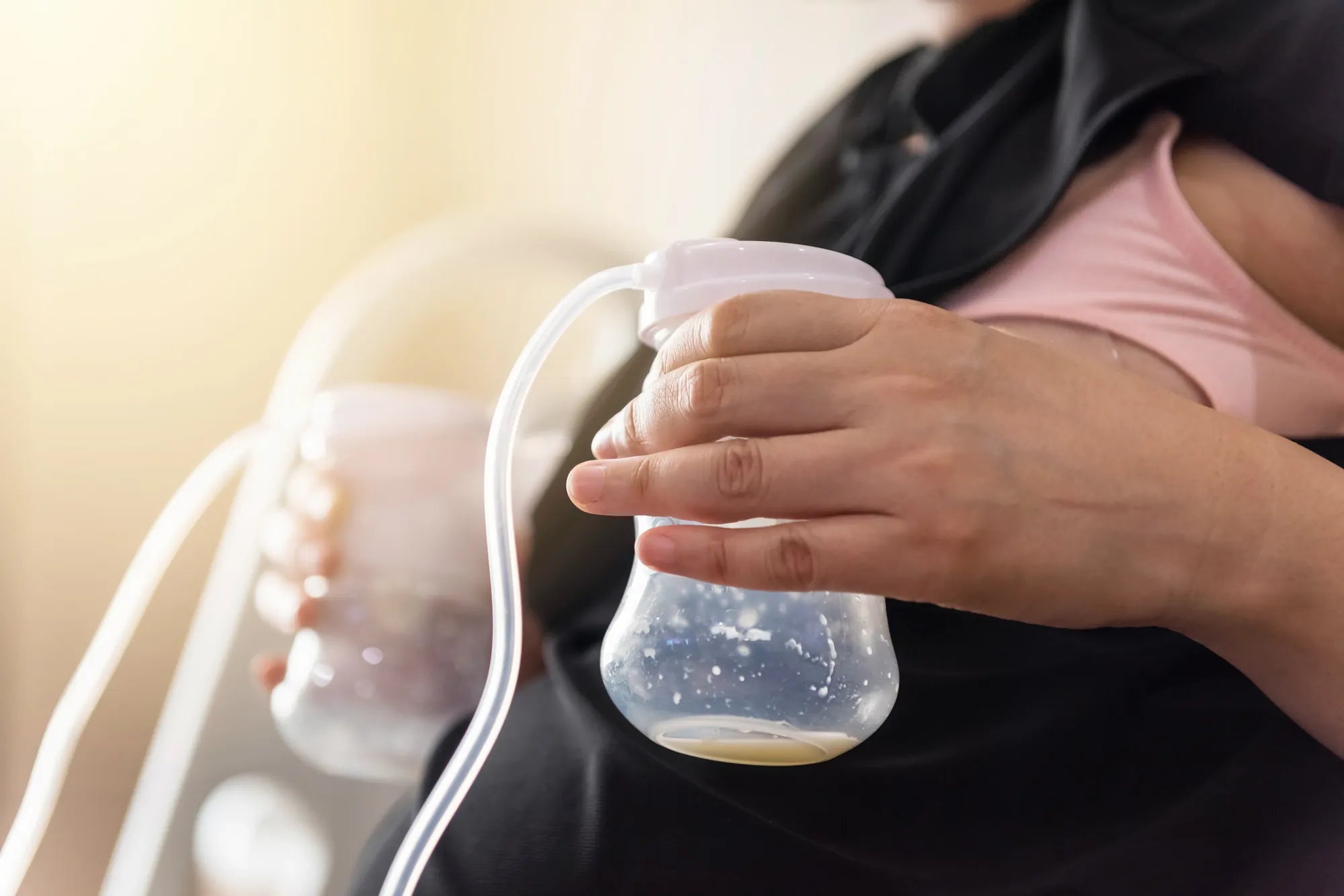
Can You Leave Breast Pump in Car: Essential Tips for Safety and Hygiene
Introduction: The Breast Pump on the Go – Convenience vs. Caution
For the modern pumping parent, life doesn't stop. Whether commuting to work, running errands, or traveling, your breast pump is an essential companion. This reality leads to a common and critical question: can you leave breast pump in car safely? The short, definitive answer is that you should avoid it whenever possible, but with the right knowledge, you can manage unavoidable situations without compromising safety.
This article provides a detailed, evidence-based framework for navigating this dilemma. We will dissect the specific risks to both your pump's components and any residual milk, outline a clear action plan for damage control, and establish non-negotiable hygiene protocols. Understanding these factors empowers you to leverage the convenience of portable pumps, like those from MomMed, while upholding the highest standards for your baby's health and your equipment's longevity.
Leaving a breast pump in the car is more than a matter of convenience; it's a decision that intersects equipment care, microbiology, and infant nutrition. By the end of this guide, you will have a comprehensive strategy for transporting your pump, ensuring that every session—no matter where it occurs—is as safe and effective as possible.
Understanding the Risks: Why Leaving Your Pump in the Car is Problematic
To understand why experts caution against storing a pump in a vehicle, you must consider two primary threat vectors: extreme temperature damage and accelerated bacterial proliferation. A car's interior is a profoundly unstable environment, subject to rapid and severe temperature swings that far exceed ambient conditions.
Extreme Heat Damage: On a 75°F (24°C) day, a car's interior can reach 100°F (38°C) within 30 minutes. On hotter days, temperatures can soar past 130°F (54°C). This heat can degrade critical pump components. Silicone parts—flanges, valves, backflow protectors, and tubing—can become sticky, discolored, or warped, losing their seal and affecting suction efficiency. Plastic parts may leach chemicals or become brittle.
Furthermore, the pump's motor and electronics are sensitive to heat. Prolonged exposure can shorten battery life, weaken motor strength, and potentially cause premature failure. This is especially crucial for maintaining the consistent suction patterns necessary for effective milk removal and supply signaling.
Extreme Cold Damage: In winter, sub-freezing temperatures pose different risks. Plastic can become brittle and crack. Lubricants within the motor can thicken, straining the device. Lithium-ion batteries, common in portable pumps, discharge faster and can be damaged if charged while too cold, reducing their overall lifespan.
Bacterial Growth in Milk Residue: This is the most significant health risk. Even a seemingly "clean" pump has microscopic milk residue. The "Danger Zone" for bacterial growth in food is between 40°F and 140°F (4°C and 60°C). A warm car provides an ideal incubator for pathogens like E. coli, Salmonella, and Staphylococcus. These bacteria can multiply rapidly, contaminating your next pumping session and posing a serious risk to your infant, especially if they are premature or have a vulnerable immune system.
The MomMed Difference: Built for the Mobile Mom, But Still Needs Care
MomMed designs products with the mobile parent in mind. Our award-winning S21 Double Wearable Breast Pump exemplifies this philosophy, offering cordless, discreet pumping for ultimate freedom. However, this portability is engineered for use on the go, not for storage in harsh environments. Proper care is essential to maintain the performance and safety built into every product.
All MomMed pumps and parts that contact milk are made from BPA-free, food-grade silicone and plastics. This ensures safety during normal use but does not make them immune to environmental stress. The integrity of these materials—their flexibility, seal, and durability—is paramount for creating the effective vacuum needed for comfortable, efficient pumping.
Think of your pump like a smartphone: it's designed to be carried with you, but leaving it on a dashboard in the blazing sun would damage its battery, screen, and internal components. Similarly, while the S21 pump's compact motor and rechargeable battery enable pumping anywhere, they require the same prudent handling to ensure years of reliable service.
Our commitment is to provide tools that empower your journey, but the foundation of safe pumping always rests on informed practices. The convenience of a wearable pump should be paired with the discipline of proper transport and cleaning, creating a complete and safe mobile pumping solution.
Your Action Plan: What to Do If You Must Leave the Pump in the Car
Despite best intentions, situations arise where leaving the pump in the car for a short period is unavoidable. In these cases, a strategic damage-control plan is crucial. The goal is to minimize temperature exposure and isolate components.
Step 1: Segregate and Prepare. Immediately after pumping, disassemble the pump. Place all parts that contacted milk (flanges, valves, bottles, diaphragms) in a sealed zip-top bag. If you cannot clean them on the spot, ensure they are sealed away from the motor unit. Wipe the motor housing with a clean, dry cloth.
Step 2: Use an Insulated Bag (Without Ice Packs). Place the motor unit and the bag of parts into an insulated cooler bag or lunch bag. Do not add ice packs or frozen gel packs directly with the pump motor, as condensation from extreme cold can damage electronics. The insulated bag's purpose is to buffer against rapid temperature changes, not to refrigerate.
Step 3: Strategic Parking and Time Limits. Park in the shade or a covered garage. Use a sunshade on the windshield. Set a strict timer. In mild weather (60-75°F), limit exposure to 30 minutes absolute maximum. In hotter or colder conditions, any exposure is risky, and alternatives (taking it with you) must be sought.
Step 4: Post-Exposure Protocol. Upon retrieving the pump, do not use it immediately. Bring it to room temperature indoors for at least an hour if it's very cold or hot. Then, proceed to the mandatory cleaning protocol outlined in the next section before its next use.
Essential Hygiene Protocol: Cleaning and Care After Car Exposure
If your pump or its parts have been in a car—especially a warm one—a rigorous cleaning routine is non-negotiable before the next use. This protocol assumes parts have milk residue and have been in the temperature danger zone.
For Parts That Contacted Milk (Flanges, Valves, Bottles, etc.):
- Immediate Rinse & Wash: Rinse in cool water first, then wash with hot, soapy water using a brush dedicated to pump parts.
- Sanitize: You must sanitize. Options include: boiling for 5 minutes, using a steam sanitizer bag, or using a dishwasher with a sanitize cycle and heated dry. This step kills bacteria that may have proliferated.
- Air Dry Thoroughly: Place parts on a clean paper towel or drying rack in an area free of dust and contaminants. Do not towel dry, as this can transfer germs.
For the Motor Unit: Wipe the exterior thoroughly with a disinfecting wipe or a cloth dampened with a 70% isopropyl alcohol solution. Avoid getting moisture into vents or ports. Never submerge the motor.
Visual Inspection: After cleaning, inspect all silicone parts closely. Look for any changes: cloudiness, stickiness, warping, or a "tacky" feel. Inspect plastic for cracks or brittleness. If you notice any of these signs, the part is compromised and must be replaced immediately. Using damaged parts can reduce milk output and harbor bacteria.
MomMed offers convenient replacement part kits to ensure your system always functions with optimal, hygienic components. Adhering to this protocol transforms a potential risk scenario into a managed, safe one.
The Golden Rule: Best Practices for Transporting Your Breast Pump
The best strategy is a proactive one. By establishing smart transport habits, you can virtually eliminate the risks associated with car storage.
Invest in a Dedicated Pump Bag: Use a high-quality, insulated bag with separate compartments. Store the clean, dry motor in one section and sealed bags for clean parts in another.
Pack Smart: Always transport pump parts clean, dry, and assembled in a fresh zip-top bag. Carry extra set of parts and bottles. This allows you to use a fresh set on the go and clean the used set properly at home.
Handle Milk Separately: This is critical. Expressed milk should be stored in sealed bottles or bags placed immediately into a separate cooler with ice packs. The CDC recommends using ice packs to keep milk cold (at or below 40°F/4°C) when transporting. Never store milk in the same compartment as the pump motor.
Plan Your Route: Incorporate pumping breaks into your travel plans. Identify clean, private spaces (like lactation pods, family restrooms, or your destination) where you can pump and then properly store milk without leaving equipment in the car. The portability of a MomMed wearable pump makes finding a quick, private spot easier than ever.
FAQ: Quick Answers for Pumping Parents
Can I store expressed milk in the car with my pump?
Absolutely not. Breast milk must be kept cold during transport. Store milk in a separate insulated cooler with frozen ice packs, ensuring it stays at 40°F (4°C) or below. The car is never a storage location for milk. Upon arrival, refrigerate or freeze the milk immediately.
What if my pump was only in the car for 10 minutes on a cool day?
While the risk is lower, the principle of caution prevails. If the parts were clean and dry, a thorough wash (not necessarily a full sanitize) may suffice. If there was any milk residue, follow the full sanitization protocol. When in doubt, sanitize. Your baby's health is worth the extra 10 minutes of effort.
How can I tell if my pump parts were damaged by car heat?
Signs of heat damage include: silicone that feels sticky, gummy, or has lost its elasticity; discoloration (yellowing or clouding); a change in shape (warped flanges); a noticeable decrease in suction strength; or unusual noises from the motor. If you observe any of these, discontinue use and replace the affected parts.
Can cold weather in the car ruin my breast pump battery?
Yes, extreme cold can negatively impact lithium-ion batteries, causing faster discharge and potential long-term capacity loss. Avoid leaving the pump in a freezing car. If you must, allow the pump and battery to warm to room temperature slowly before using or charging it.
Are some pump types safer to leave in the car than others?
All electric pumps, whether hospital-grade, portable, or wearable, contain sensitive electronics and should be protected. Manual pumps, having no electronics, are less susceptible to temperature damage but the parts that contact milk still carry the same bacterial growth risks and require identical cleaning protocols after exposure.
Comparison Table: Transporting Your Pump Safely
| Scenario | Risk Level | Recommended Action | Post-Exposure Protocol |
|---|---|---|---|
| Clean, dry pump left in shaded car for 15 min (70°F day) | Low | Place in insulated bag. Strongly prefer to take with you. | Visual inspection. Standard wash of parts. |
| Used pump with milk residue left in hot car (90°F+ day) for 1 hour | Very High | Avoid completely. If unavoidable, segregate parts, use insulated bag, park in shade. | Full sanitization of all parts. Inspect for heat damage. Replace if any doubt. |
| Pump transported in dedicated bag with milk in separate cooler | Minimal | Best Practice. Proactive, safe transport. | Standard cleaning after use as per manufacturer guidelines. |
| Pump left in freezing car overnight | High | Avoid completely. Risk to battery, plastics, and motor. | Allow to warm to room temperature slowly (8+ hrs). Inspect for cracks. Test function carefully. |
Conclusion: Empower Your Journey with Confidence and Care
The freedom to pump anywhere is a game-changer for modern parents, and brands like MomMed are proud to provide the innovative, comfortable tools to make it possible. However, this freedom is built on a foundation of responsibility. Understanding the very real risks of temperature extremes and bacterial growth allows you to make informed decisions that protect your baby and your investment.
Always prioritize taking your pump with you. When a short-term car stay is truly unavoidable, follow the damage-control action plan: segregate parts, use an insulated bag, park smartly, and strictly limit time. Afterwards, never skip the essential hygiene protocol of inspection, washing, and sanitization. By integrating these practices with the inherent convenience of a wearable pump, you create a seamless, safe routine for life on the move.
Your pumping journey is unique, and having reliable equipment you can trust is paramount. For replacement parts, additional accessories, or to explore pumps designed for an active lifestyle, shop the MomMed collection at mommed.com for all your breastfeeding and pregnancy needs. Pump with power, pump with confidence, and always pump with safety first.