


Inicio
Pregnancy, Breastfeeding, and Pumping: The Ultimate Guide for Moms
Can You Breast Pump Directly Into Storage Bag: A Comprehensive Guide
Can You Breast Pump Directly Into Storage Bag: A Comprehensive Guide
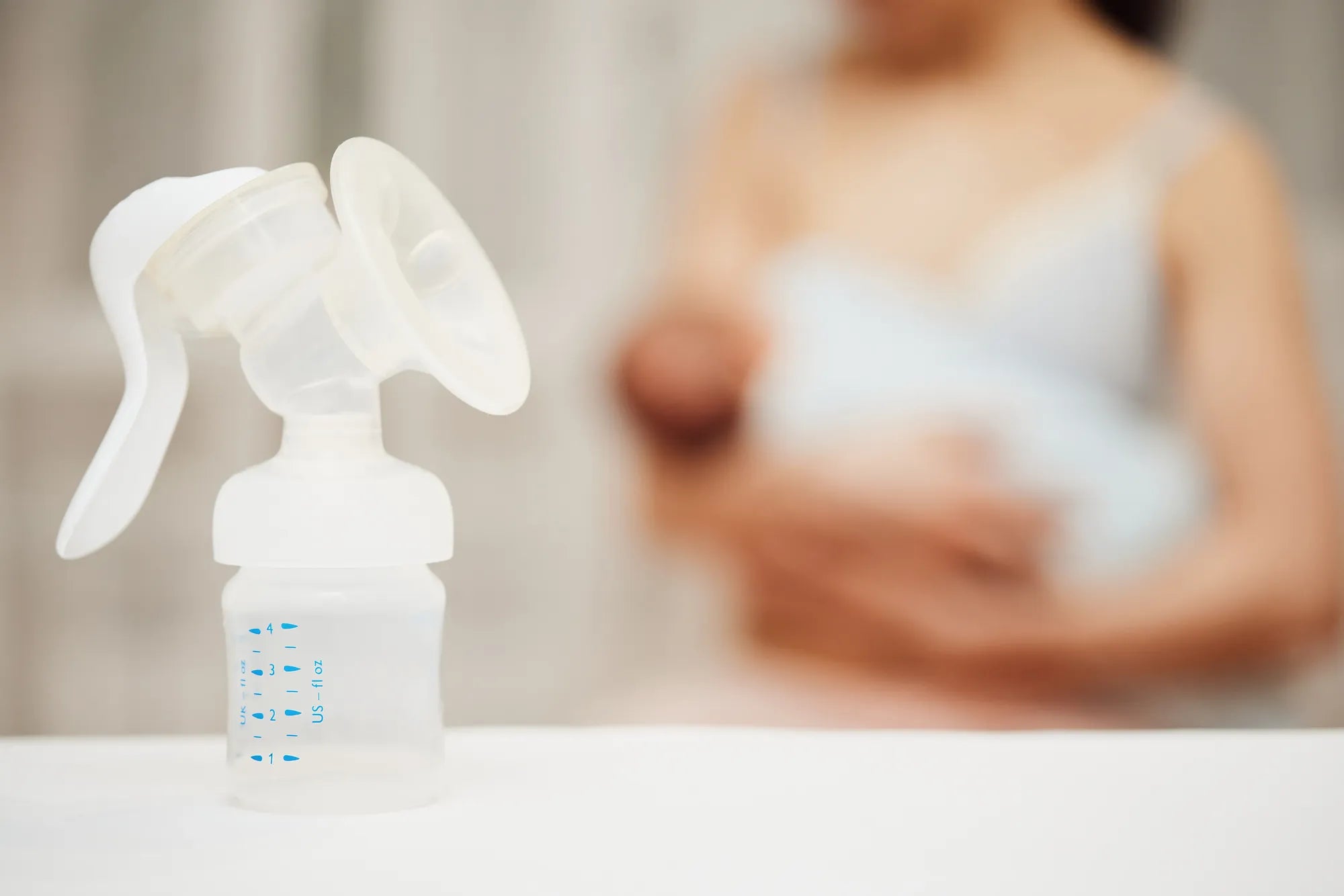
For the busy, multitasking mom, every minute and every drop of breast milk counts. The question "Can you breast pump directly into a storage bag?" arises from a deep desire for efficiency, less cleanup, and streamlined routines. The short answer is yes, but it requires specific knowledge and compatible equipment to do it safely and effectively. This comprehensive guide will explore the feasibility of this method, weigh its practical pros and cons, and provide a clear, step-by-step roadmap for success. We'll delve into the essential gear, non-negotiable safety protocols, and how innovative products from trusted brands like MomMed can support your unique feeding journey, whether you pump directly to a bag or not.
Understanding the Basics: Pumping, Collecting, and Storing
The traditional process of expressing and storing breast milk is a two-step operation. First, you pump into a collection bottle or cup attached to your breast pump. Once finished, you then pour the milk into a storage bag, label it, and place it in the refrigerator or freezer. This method is universal and works with virtually any pump, but it involves extra parts to wash and an extra step where precious milk could be spilled.
Pumping directly into a storage bag flips this process. It aims to create a sealed pathway from your breast directly into the bag, eliminating the intermediary bottle. This concept hinges on equipment compatibility and understanding pump systems. Most modern electric pumps, including MomMed models, are "closed systems." This means a protective membrane prevents milk and moisture from backing into the pump's motor tubing, which is crucial for hygiene and pump longevity.
For direct-to-bag pumping, this closed system must be designed to interface with a bag, or you need a special adapter. The goal is to maintain that closed, hygienic environment all the way into the storage vessel. An "open system" pump, typically older or manual models, lacks this barrier and is generally not suitable for direct-to-bag setups due to higher contamination risk. The core principle is that safety and preventing bacterial contamination are paramount, and the method must support that.
The Direct Pumping Method: How It Works
The mechanics of pumping breast milk directly into a storage bag are simpler than they might seem. It relies on creating a secure, leak-proof connection between your pump's flange or collection kit and the opening of a pre-sterilized storage bag. This connection is the critical link.
Some breast pumps, particularly newer wearable models, are designed with this function in mind. Their collection containers may have threading or a locking mechanism that allows a specific brand of bag to screw or snap directly onto the flange assembly. In other cases, the pump is used with standard bottles, but a separate adapter—often a hard plastic connector with threads on one side for a bottle and a bag-sealing mechanism on the other—bridges the gap.
Once connected, the system operates like normal. The pump's suction draws milk from the breast, through the flange, and directly into the waiting bag. Because the bag is typically made of flexible plastic, it's important to ensure it is well-supported to prevent tipping or pulling on the connection. A hands-free pumping bra is almost essential for this method, as it holds the flange and bag assembly securely against your body.
This method can potentially reduce the amount of air whipped into the milk during collection, as there's no pouring from one container to another. However, it also means you cannot easily see the volume of milk being collected during the session, requiring you to rely on time, sensation, or pumps with clear, graduated collection cups.
Pros and Cons of Pumping Directly Into Storage Bags
Deciding whether to use this method requires a balanced look at its advantages and limitations. What saves time for one mom might add stress for another.
Key Advantages
The primary benefit is a significant reduction in washing. You eliminate the need to clean a collection bottle, as the milk goes straight from the pump parts into its final storage container. This is a major win for middle-of-the-night pumping sessions or for moms with limited time.
It also minimizes the risk of spillage during transfer. There's no pouring from a bottle to a wobbly bag, which helps protect every ounce of your hard-earned milk. For moms pumping on the go, directly into a bag can be more discreet and simpler, as you have one less component to carry and assemble.
Potential Drawbacks
The most common hurdle is compatibility. Not all pumps and bags are designed to work together. Using incompatible gear can lead to leaks, breaks, or contamination. Bags are also less stable than bottles; if not held securely, the weight of the milk can cause the bag to detach mid-pump.
You lose the ability to easily measure your output during the session, which can be frustrating for moms tracking supply. There's also a risk of overfilling the bag if you're not careful, which can lead to difficult sealing or even bursting during freezing as the milk expands.
| Factor | Direct-to-Bag Pumping | Traditional Pump-to-Bottle Method |
|---|---|---|
| Washing & Cleanup | Minimal (only pump parts) | More (pump parts + bottles) |
| Spillage Risk | Low (no transfer step) | Higher (during pour to bag) |
| Equipment Cost | Potentially higher (need compatible bags/adapters) | Standard (uses included bottles) |
| Stability During Pumping | Lower (bag is flexible) | High (bottle is rigid) |
| Ease of Volume Measurement | Difficult during pumping | Easy (see markings on bottle) |
| Best For | On-the-go, minimizing dishes, experienced pumpers | New pumpers, precise tracking, all pump types |
Your Step-by-Step Guide to Safe Direct-to-Bag Pumping
If you have compatible equipment and want to try this method, following a meticulous process is key to safety and success. Here is a detailed, step-by-step guide.
Step 1: Verify Compatibility and Gather Supplies. Before you begin, double-check that your breast pump (like the MomMed S21 Wearable Pump) and your storage bags are designed to connect. Have your pump, charged battery, clean flanges, valves, membranes, the storage bag, a permanent marker, and a hands-free bra ready.
Step 2: Sanitize and Assemble with Care. Wash your hands thoroughly with soap and water. Ensure all pump parts that contact milk are cleaned and sanitized according to manufacturer instructions. Assemble your pump, connecting the storage bag securely to the flange or adapter. Ensure the connection is tight and the bag is positioned to hang freely without kinking the opening.
Step 3: Pump as Usual with Added Awareness. Place the flanges with attached bags into your hands-free bra. Start pumping at your comfortable settings. Since you likely can't see the milk level easily, use a timer and pay attention to the feeling of let-down and flow slowing. Some wearable pumps, like the MomMed S21, have clear collection cups with markings, offering a helpful visual even when used with adapters.
Step 4: Seal, Label, and Store Immediately. Once pumping is complete, carefully disconnect the bag. Press out as much air as possible from the top of the bag before sealing it tightly with its double zipper. Use the marker to label the bag immediately with the date and the volume (estimate if needed). Place it flat in the back of the refrigerator or freezer to chill quickly.
Choosing the Right Gear: Pumps and Bags for Direct Pumping
Success with this method is heavily dependent on using the correct, high-quality equipment. Here’s what to look for in both pumps and bags.
The Pump: Seeking Compatibility and Comfort
Wearable breast pumps are often at the forefront of direct-to-bag compatibility due to their innovative designs. The award-winning MomMed S21 Double Wearable Breast Pump is a prime example. Its design focuses on creating a closed, hygienic system that efficiently collects milk. While it comes with BPA-free collection cups, its design ethos aligns with streamlined processes, and it can be used with compatible adapters for bag pumping. Features like ultra-quiet, hospital-grade suction, multiple expression modes, and a comfortable, flexible flange are crucial for effective milk removal, which is the foundation of any good pumping session, regardless of the final container.
When evaluating a pump for this purpose, check the manufacturer's website or product manual for listed compatible accessories or storage bag brands. Never force a connection that doesn't fit perfectly, as this can compromise the seal and safety.
The Storage Bag: Material and Design Matter
Not all storage bags are created equal. For direct pumping, you need bags that are pre-sterilized and made from durable, BPA-free/food-grade polyethylene material. Look for a robust double-zip seal to prevent leaks. The bag should have a wide, reinforced opening that can connect securely to your pump or adapter without tearing.
Clear labeling areas for date and volume are essential. Some bags are marketed as "pump and store" bags and come with their own universal adapter ring. It's often safest to start with bags recommended by your pump's manufacturer or those that are part of a certified compatible system.
The Adapter Solution: Bridging the Gap
For many excellent pumps that aren't sold with direct-to-bag functionality, adapter kits are available. These are typically small, hard plastic pieces that screw onto the pump's flange where the bottle would normally go. The storage bag then attaches to the other end of this adapter. This is a fantastic way to add flexibility to your existing pump setup. Always ensure the adapter is also made from BPA-free materials and is designed for your specific pump model.
Important Safety and Hygiene Rules to Never Skip
Convenience should never come at the cost of your baby's safety. These rules are non-negotiable for any milk expression and storage method, but require particular attention with direct-to-bag pumping.
Hygiene is the First Step. Always begin with clean hands and sanitized equipment. All pump parts that touch milk and the connector point of the storage bag must be properly cleaned after each use. Storage bags are single-use only; never attempt to wash and reuse a breast milk storage bag.
Avoid Overfilling the Bag. Breast milk expands when frozen. Leave at least an inch of space at the top of the bag after sealing to allow for this expansion. Overfilling can cause seams to burst during freezing, leading to contamination and waste.
Adhere to the "One Bag, One Sitting" Rule. Do not add fresh, warm milk directly to a bag that already contains chilled or frozen milk. The warm milk can partially thaw the frozen milk, bringing it into the "danger zone" for bacterial growth. Instead, cool the new milk in the refrigerator separately, then combine it with other cold milk in a bag if desired.
Follow Strict Storage Guidelines. Adhere to current recommendations from the CDC and American Academy of Pediatrics: freshly expressed milk can be kept at room temperature (up to 77°F/25°C) for no more than 4 hours, in the refrigerator for up to 4 days, and in a standard freezer for about 6-12 months (ideally used within 6 months). Always store milk at the back of the appliance where temperatures are most consistent, not in the door.
Frequently Asked Questions (FAQ)
Q: Can I use any storage bag with my MomMed pump?
A> For optimal safety and to ensure a leak-proof seal, it is best to use storage bags that are listed as compatible with your specific MomMed pump model. Alternatively, you can use high-quality bags that work with a universal adapter that fits the threading of your pump's flange or collection cup.
Q: Is it okay to lay the bag flat on a table while attached to the pump?
A> This is not recommended. Storage bags are flexible and unstable compared to bottles. The best practice is to use a reliable hands-free pumping bra, like those offered by MomMed, to hold the flange and bag assembly securely against your chest. This prevents pulling on the connection and potential spills.
Q: What if my pump isn't compatible with any direct-to-bag systems?
A> The traditional method is perfectly safe and effective. Pump into your collection bottles (the BPA-free ones included with MomMed pumps are ideal), then pour the milk into your storage bag. This method has the added benefit of allowing you to measure your output precisely before storage.
Q: Does pumping directly into a bag help preserve more nutrients or antibodies?
A> The primary benefits are convenience and reduced handling. The key to preserving nutrients and antibodies is rapid cooling and proper storage. Whether milk goes from breast to bag or breast to bottle to bag, chilling it promptly after expression is what matters most for maintaining its quality.
Q: How do I prevent the bag from detaching during a pumping session?
A> First, ensure the connection is screwed or locked on tightly before you begin. Second, and most importantly, use a supportive hands-free bra to bear the weight of the assembly. Third, avoid moving around excessively while pumping with bags attached, as the swinging motion can stress the connection.
Conclusion: Empowering Your Feeding Journey with Smart Choices
Pumping breast milk directly into a storage bag is more than a simple hack; it's a viable, efficient method for the modern breastfeeding parent when executed with the right knowledge and tools. It exemplifies how innovation in maternal care, seen in products like wearable pumps and smart adapters, can streamline the demanding routine of expressing milk. However, the "best" method is always the one that aligns with your pump's compatibility, your lifestyle, and, above all, the stringent safety standards required to protect your baby's nutrition.
Whether you choose the direct-to-bag route for its convenience or prefer the measurable certainty of the bottle-transfer method, your dedication is what matters most. Brands like MomMed are committed to supporting every step of this journey with reliable, comfortable, and innovative products—from the hospital-grade performance of the S21 Wearable Pump to thoughtfully designed nursing accessories. Your feeding journey is unique, and having options empowers you to find what works best for you and your baby.
Ready to explore pumping solutions that fit your life? Shop the MomMed collection at mommed.com for all your breastfeeding and pregnancy needs, from wearable pumps and adapters to essential baby care gear, and discover tools designed to support you with confidence.