


Inicio
Pregnancy, Breastfeeding, and Pumping: The Ultimate Guide for Moms
Can I Drink Alcohol While Pumping Breast Milk? A Complete Evidence-Based Guide
Can I Drink Alcohol While Pumping Breast Milk? A Complete Evidence-Based Guide
You’ve just finished a long day, or perhaps a social gathering is on the calendar, and a glass of wine sounds like a welcome respite. As a breastfeeding and pumping mom, the question inevitably arises: Can I drink alcohol while pumping breast milk? The short answer is yes, with careful planning and informed choices. The old advice to "pump and dump" is largely a myth. This guide will provide you with the clear, evidence-based information you need to understand how alcohol interacts with breast milk, establish safe timing, and integrate the occasional drink into your routine without guilt or anxiety, all while ensuring your baby's safety.
Understanding How Alcohol Enters and Leaves Breast Milk
To make safe decisions, it’s crucial to understand the basic physiology. Alcohol passes freely from your bloodstream into your breast milk. The concentration of alcohol in your milk is nearly identical to the concentration in your blood. There is no barrier or storage mechanism; it’s a simple matter of equilibrium.
When you consume an alcoholic drink, alcohol enters your stomach and small intestine, is absorbed into your bloodstream, and peaks in your blood (and thus your milk) about 30-60 minutes after consumption. It does not "get trapped" in breast milk. Just as your liver metabolizes alcohol and clears it from your blood, the alcohol level in your milk decreases correspondingly.
The critical factor is time, not pumping. The only thing that reduces the alcohol content in your milk is the passage of time as your body processes the alcohol. Pumping or expressing milk does not accelerate this process. Milk is not produced from your bloodstream in real-time during a let-down; it is drawn from the alveoli where it has been sitting. Therefore, if there is alcohol in your bloodstream, newly made milk will contain alcohol until your body has metabolized it.
This understanding dismantles the foundation of the common "pump and dump" panic. You cannot pump out the "alcohol-filled" milk faster than your liver can process the alcohol. The key to safety lies in timing your drink relative to your next feeding or pumping session intended for your baby.
The Science-Backed Safe Drinking Guidelines for Nursing Mothers
Major health organizations, including the Centers for Disease Control and Prevention (CDC), the American Academy of Pediatrics (AAP), and La Leche League International, agree that occasional, moderate alcohol consumption is generally considered compatible with breastfeeding. The emphasis is on moderation and timing.
The consensus guidelines are designed to minimize any potential exposure of the infant to alcohol. It’s important to note that chronic or heavy drinking is not safe and can lead to decreased milk supply, impaired infant development, and drowsiness or poor feeding in the baby. The guidelines below pertain to occasional, responsible consumption.
The "Wait It Out" Rule: Timing is Everything
The cornerstone of safe practice is the waiting period. The standard recommendation is to wait at least 2 hours per standard drink after you finish your drink before nursing your baby or pumping milk that you intend to feed them.
A "standard drink" is defined as:
- 12 ounces of regular beer (about 5% alcohol)
- 5 ounces of wine (about 12% alcohol)
- 1.5 ounces of distilled spirits or liquor (about 40% alcohol)
If you have two standard drinks, you should wait at least 4 hours, and so on. This timing allows your body adequate time to metabolize the alcohol, bringing the concentration in your blood and milk down to negligible levels. It’s always safer to err on the side of waiting longer, especially if you are smaller in body mass or have eaten less food, which can affect metabolism.
Planning Ahead: The "Pump Before You Pour" Strategy
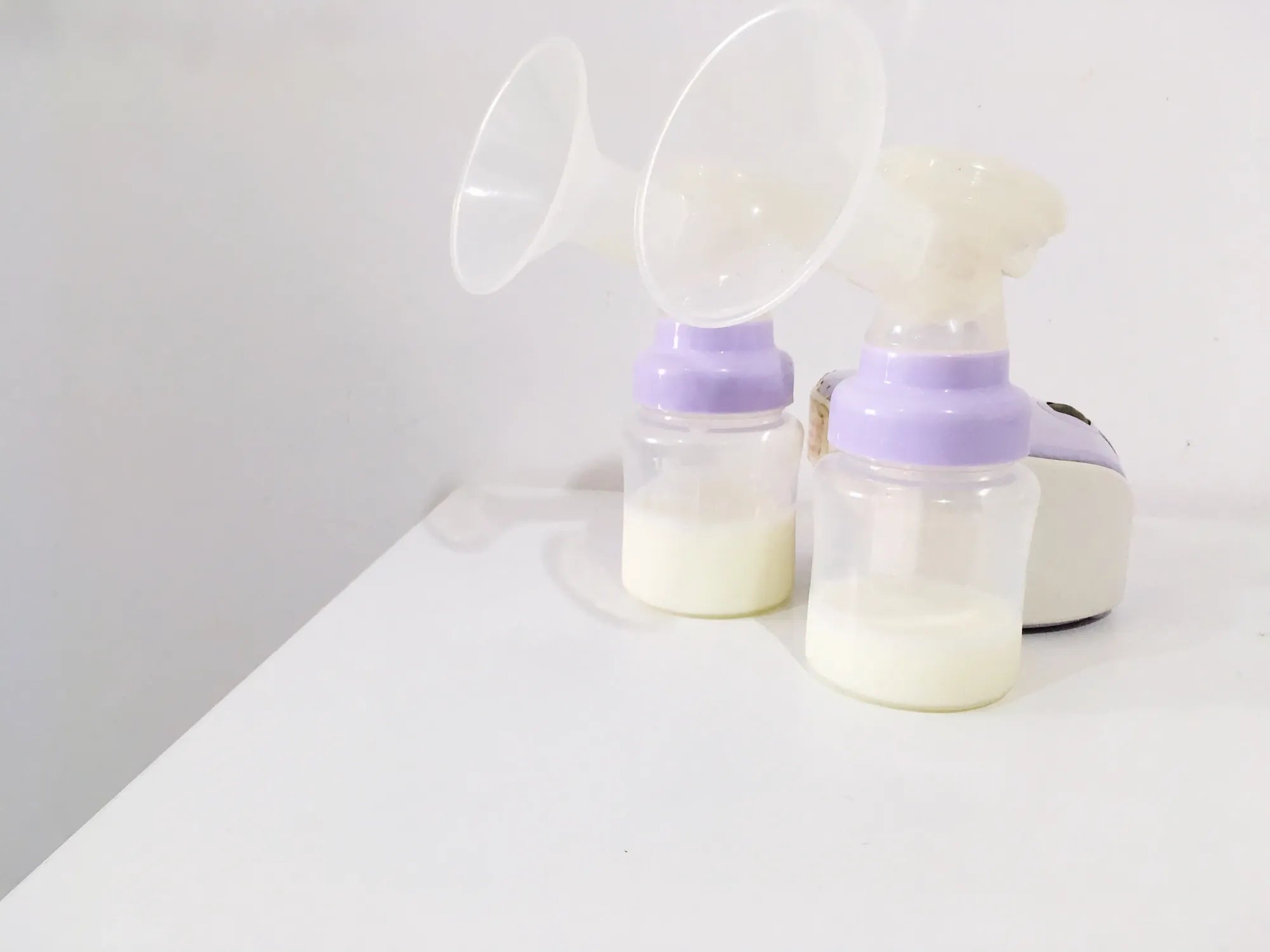
The simplest and most fail-safe strategy is to plan ahead. This involves pumping or expressing milk before you have an alcoholic beverage. This milk is completely alcohol-free and can be used for the next feeding.
This method offers peace of mind and practical convenience. You can enjoy your drink without watching the clock anxiously, knowing your baby has a safe, ready-to-use bottle. This is where the flexibility of a wearable pump, like the MomMed S21, becomes incredibly valuable. You can easily express a bottle discreetly and comfortably before heading out or settling in for the evening.
Debunking the "Pump and Dump" Myth and Its Actual Uses
The phrase "pump and dump" is pervasive but widely misunderstood. Let’s be unequivocal: Pumping and discarding milk does NOT speed up the elimination of alcohol from your system or your milk. Your liver processes alcohol at a fixed rate, and pumping does not affect your blood alcohol concentration.
So, when is pumping and discarding milk appropriate in the context of alcohol consumption?
1. For Physical Comfort and Supply Maintenance: If you consume alcohol and then feel engorged before the alcohol has cleared your system, you should pump to relieve the discomfort. This expressed milk should be discarded because it likely contains alcohol. However, the primary reason for pumping here is comfort and to maintain your milk supply—not to "cleanse" your milk. Skipping a session due to engorgement can signal your body to produce less milk.
2. If You Miss a Feeding Session: If you are away from your baby for a longer stretch (e.g., a night out) and would normally pump to maintain your schedule, you should pump even if you’ve been drinking. Discard that milk, but maintain the pumping session to keep your supply steady. This ensures your body doesn’t interpret the missed session as a reduced demand for milk.
Alcohol, Milk Supply, and Your Baby's Health: What the Research Says
Beyond immediate transfer, it’s important to consider broader effects. Contrary to old wives' tales, alcohol does not increase milk production. In fact, studies show it can have the opposite effect. Alcohol can inhibit the milk ejection reflex (let-down) and may temporarily decrease milk volume. The myth of it helping may stem from the initial relaxation a mother feels, but physiologically, it is not a galactagogue.
Regarding the infant, the primary concern with excessive or poorly timed alcohol consumption is the potential for sedation, poor feeding, and disrupted sleep patterns. The AAP states that while moderate consumption is not known to be harmful, "ingestion of alcoholic beverages should be minimized." The safest course is to plan consumption so the baby receives milk with little to no alcohol.
It’s also worth noting that a newborn or preterm infant’s liver is immature and metabolizes alcohol even more slowly. Extra caution and longer waiting times are prudent in the early postpartum period.
MomMed: Empowering Your Feeding Journey with Flexibility and Comfort
Navigating the balance between motherhood and personal life requires tools that offer flexibility and reliability. MomMed designs products specifically to support this modern, informed approach to breastfeeding and pumping. Understanding the guidelines around alcohol highlights the importance of being able to pump comfortably and conveniently—whether it’s to execute the "pump before you pour" strategy or to maintain supply if you need to pump for comfort after a drink.
Pump in Comfort, Anytime, Anywhere
The award-winning MomMed S21 Double Wearable Breast Pump is a game-changer for moms seeking discretion and ease. Its cordless, hands-free design fits inside your bra, allowing you to express milk comfortably while preparing for an evening out or managing household tasks. This seamless integration into your routine makes planning ahead simple and stress-free, removing a major logistical hurdle from enjoying a well-deserved moment of relaxation.
Engineered for Your Well-being and Baby's Safety
Every MomMed pump, including the S21 and S12 models, is constructed with BPA-free, food-grade silicone and materials that meet the highest safety standards. This commitment to safety extends to every drop of milk you express. Features like multiple suction modes and cycle settings allow you to find the most comfortable and efficient expression pattern, supporting a healthy let-down reflex and helping you maintain your milk supply effectively, which is central to any feeding plan that involves timing or occasional substitution.
Practical Tools and Comparison: Apps, Test Strips, and More
Many mothers seek additional tools for reassurance. Here’s a look at their utility.
Alcohol Test Strips for Breast Milk: These are available but are generally considered unnecessary for moderate, planned drinking. They can be unreliable and may provide false reassurance or unnecessary anxiety. Following the time-based guidelines is a more reliable and evidence-based method.
Mobile Apps: Several apps (e.g., FeedSafe, Milk Drunk) allow you to log a drink and will calculate a safe waiting time based on your weight and the number of drinks. These can be helpful reminders but should be used as tools alongside, not replacements for, the standard guidelines.
The table below compares common approaches to managing alcohol and breast milk:
| Method | How It Works | Pros | Cons / Notes |
|---|---|---|---|
| Timing (2-Hour Rule) | Wait 2+ hours per drink before nursing/pumping for feed. | Evidence-based, simple, no waste of milk. | Requires planning and timekeeping. |
| Pump Before Drinking | Express milk for next feed before consuming alcohol. | Maximum safety, no guesswork, peace of mind. | Requires foresight and a pump. |
| "Pump & Dump" (Myth) | Pump and discard milk after drinking to "remove" alcohol. | None for removing alcohol. | Does not speed up alcohol clearance. Only use for comfort/supply. |
| Using Test Strips | Test milk for alcohol presence before feeding. | Can provide tangible data. | Often unreliable; not recommended by major health bodies. |
Frequently Asked Questions (FAQs)
Q1: Can one glass of wine really hurt my baby?
If consumed immediately before a feeding, it could lead to your baby ingesting a small amount of alcohol, which is not ideal. However, if you follow the timing guidelines—waiting 2+ hours after a single glass—the amount of alcohol in your milk becomes negligible and is not considered harmful. The risk is dose- and timing-dependent.
Q2: What if I feel buzzed or drunk?
If you are feeling noticeable effects from alcohol, you should not breastfeed or provide that milk to your baby. Your coordination and judgment may also be impaired, making caring for an infant unsafe. Use previously expressed milk, formula, or donor milk for feedings until you are completely sober. Pump for comfort and discard the milk during this time.
Q3: Does alcohol increase my milk supply?
No. This is a persistent myth. Research indicates alcohol can actually reduce milk production by inhibiting oxytocin, the hormone responsible for the milk ejection reflex. It may also lead to shorter feeding sessions by the baby. It is not a recommended method for boosting supply.
Q4: What about alcohol in cooking or medicinal tinctures?
In cooked food, most alcohol evaporates, leaving minimal traces that are highly unlikely to affect breast milk. Alcohol-based tinctures or cough syrups can contain significant amounts. It’s best to consult your healthcare provider or pharmacist about the specific product and its compatibility with breastfeeding.
Q5: I exclusively pump. Do the rules change?
No, the principles are identical. Your milk alcohol content follows your blood alcohol content. Time your drinks relative to when you pump bottles that will be fed to your baby. The "pump before you pour" strategy is especially easy and logical for exclusive pumpers to implement.
Your Choice, Informed and Supported
Motherhood is a journey of countless personal choices, and enjoying an occasional drink can be part of a balanced life. The answer to can I drink alcohol while pumping breast milk is rooted in science, not stigma. By understanding how alcohol transfers, embracing the "pump before" strategy, and using reliable timing, you can make decisions that align with both your well-being and your baby's safety. Ditch the "pump and dump" anxiety and replace it with informed planning.
MomMed is here to support every step of your feeding journey with innovative, comfortable, and safe products designed for real life. Whether you're building a stash for a night out or managing your supply with confidence, our tools are crafted to give you back time, comfort, and peace of mind.
Shop the MomMed collection at mommed.com for wearable breast pumps, nursing accessories, and baby care essentials designed to support confident, flexible motherhood.