


Inicio
Pregnancy, Breastfeeding, and Pumping: The Ultimate Guide for Moms
Can Breast Pumps Damage Breasts? The Complete Evidence-Based Guide
Can Breast Pumps Damage Breasts? The Complete Evidence-Based Guide
Introduction: Understanding the Concern
Many new and expecting mothers ask a crucial question: Can breast pumps damage breasts? This concern is valid, as stories of pain, nipple trauma, and supply issues circulate in parenting forums. This article separates fact from fiction, providing an evidence-based, myth-busting guide to empower you with knowledge and reassurance.
We will explore the mechanics of pumping, identify real but preventable risks, and outline clear best practices. The goal is to transform pumping from a source of anxiety into a confident, comfortable part of your breastfeeding journey, supported by reliable information and innovative products.
How Breast Pumps Work: The Science of Gentle Expression
Modern breast pumps are sophisticated medical devices designed to mimic a baby's natural suckling pattern to safely remove milk. Understanding this basic science is the first step in alleviating fears of damage.
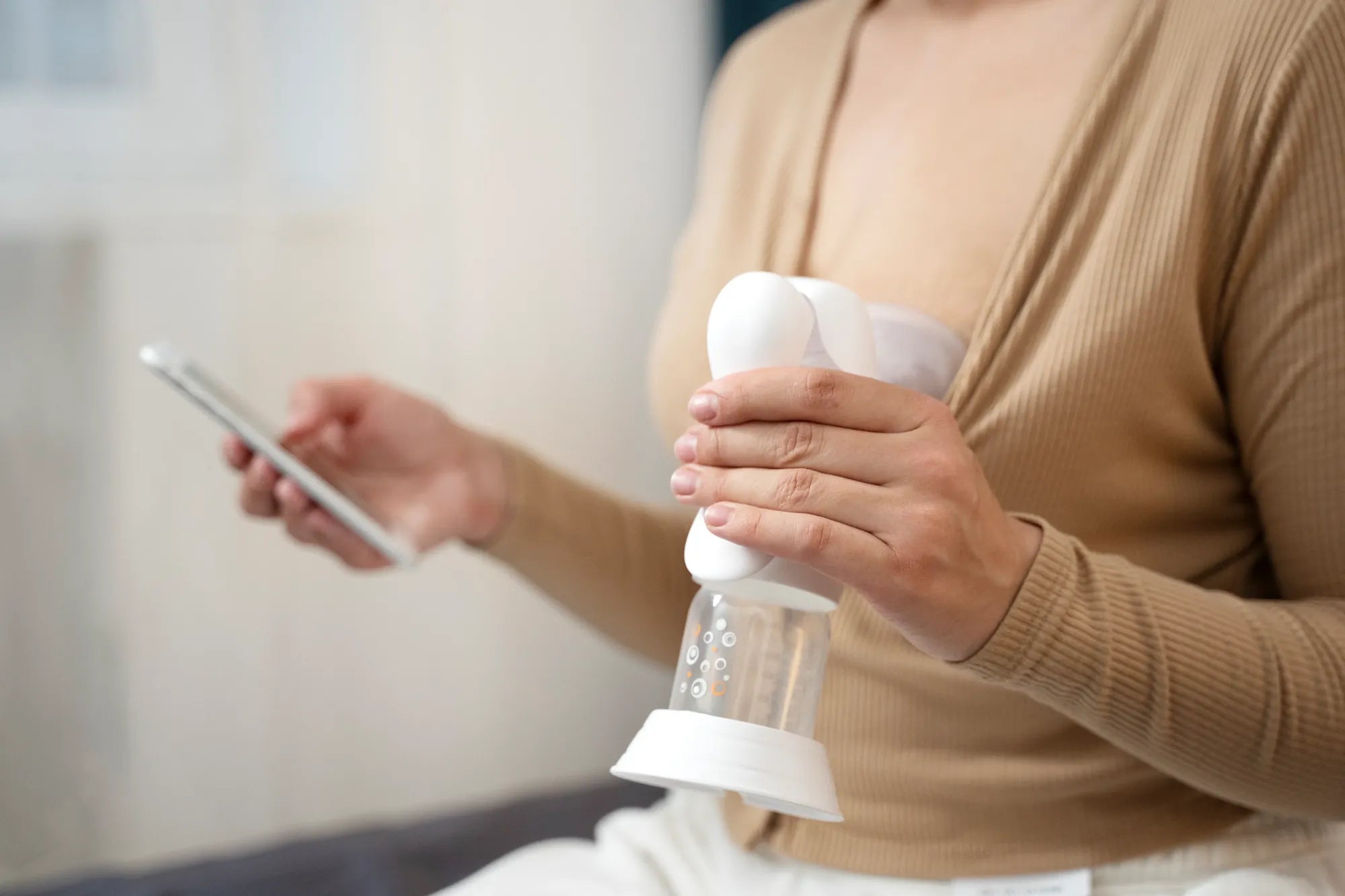
Electric pumps, including wearable models like the MomMed S21, operate using a cycle of suction and release. This cycle has two key phases: a rapid, light stimulation phase to trigger the milk-ejection reflex (let-down), followed by a slower, deeper expression phase to effectively drain the breast.
The suction is created by a motor that generates a vacuum. High-quality pumps allow precise control over both the cycle speed and suction strength. It is a common misconception that stronger suction equals more milk; in reality, efficient, comfortable milk removal depends on the correct rhythm and a comfortable vacuum level.
When used correctly with proper settings and fit, the pump applies gentle, rhythmic pressure to the milk ducts without harming the delicate breast tissue or nipple. The design intent is to support, not replace, the biological function of breastfeeding.
Potential Risks and Causes of Discomfort
While a breast pump itself is not inherently damaging, improper use can lead to discomfort and injury. These risks are almost always preventable with the right knowledge and tools. Let's explore the primary culprits.
Using the Wrong Flange Size
The breast shield, or flange, is the most critical component for comfort and efficiency. An incorrect size is the number one cause of pain, nipple damage, and reduced milk output.
A flange that is too small will compress and rub the nipple and areola, causing friction, blanching (turning white), cracking, and severe pain. A flange that is too large draws too much of the areola into the tunnel, which can be ineffective at removing milk and may also cause undue tissue stretching and edema.
Nipples are not standardized; they swell and change during pumping. The correct flange size is determined by measuring the diameter of the nipple after pumping, not before. Many mothers are using a standard 24mm or 27mm flange when they actually need a 19mm or 21mm.
Persistent use of the wrong size can lead to tissue trauma, clogged ducts, and even mastitis due to incomplete milk removal. Investing time in finding your perfect fit is non-negotiable for breast health.
Incorrect Suction Settings
The "more power is better" myth is pervasive and dangerous. Cranking the pump to its maximum setting does not equate to better milk yield; it often leads to tissue trauma, pain, and a stress response that can inhibit let-down.
Excessive suction can cause capillary damage, leading to bruising, petechiae (tiny red spots), and increased swelling (edema) in the nipple and areola. This swelling can then further impede milk flow, creating a vicious cycle of pain and inefficiency.
The optimal suction is the highest comfortable level. You should feel a strong pull but no pain, pinching, or burning. The pump should do the work while you remain relaxed. Starting on the lowest setting during let-down mode and gradually increasing to a comfortable expression setting is the recommended protocol.
Overpumping or Prolonged Sessions
There is a significant difference between strategic pumping to boost supply and overpumping that strains breast tissue. Sessions consistently lasting longer than 30 minutes per breast, or pumping too frequently without need, can lead to problems.
Prolonged suction can cause inflammation and edema in the milk ducts and surrounding tissue. This mimics the painful engorgement it seeks to relieve and can actually reduce milk flow. It's also exhausting for mothers, contributing to burnout.
Power pumping—a technique of clustered pumping sessions to mimic cluster feeding—is an exception. This is a time-limited, intentional strategy, not a daily routine. General guidance is to pump for about 15-20 minutes per session or for 2-5 minutes after the last drops of milk flow.
MomMed’s Approach: Engineering for Safety and Comfort
At MomMed, a trusted maternal and baby care brand, our design philosophy directly targets and mitigates the common risks of pumping. We engineer products like our award-winning S21 Wearable Breast Pump with a primary focus on maternal comfort and physiological efficacy.
We believe innovation should solve real problems for moms. By combining hospital-grade performance with thoughtful, user-centric design, we create tools that support your body's natural processes without causing harm or undue stress.
Award-Winning, Anatomically Designed Flanges
MomMed pumps feature soft, flexible, BPA-free silicone flanges that contour gently to the breast. Unlike rigid plastic, this material provides a more comfortable seal and adapts to movement.
We offer multiple flange sizes (often including 19mm, 21mm, 24mm, and 27mm) with our pumps because we recognize that one size does not fit all. Our flanges are designed with a tapered tunnel to better accommodate the nipple's shape during expression, reducing friction and the risk of compression.
This anatomical design, a key reason for our industry innovation awards, helps ensure a proper fit that centers the nipple without pulling in excess areola, promoting efficient milk removal and comfort from the first use.
Customizable, Responsive Suction Technology
MomMed pumps provide extensive customization. Our S21 model, for example, offers 9 adjustable suction levels and 4 cycle modes, allowing you to fine-tune both the speed and strength of expression to match your unique comfort and output needs.
The technology includes a dedicated, gentle stimulation mode to effectively trigger let-down before automatically or manually switching to expression mode. This responsive design ensures you are not using high suction on an unprepared breast, which is a common cause of pain.
This level of control empowers you to find your "goldilocks zone"—the perfect setting that feels effective but never painful, safeguarding your breast tissue while optimizing milk yield.
Ultra-Quiet, Hospital-Grade Performance
Stress is an enemy of the milk-ejection reflex. A loud, jarring pump motor can create tension, making it harder to relax and let down milk, which may tempt a mother to increase suction unnecessarily.
MomMed pumps are engineered with ultra-quiet motors. This discreet operation allows for more relaxed pumping sessions anywhere—at work, in a shared room, or while holding your baby. A calmer pumping experience supports better oxytocin release, which is essential for milk flow.
This hospital-grade performance in a quiet, portable package means you get effective milk removal in a gentle, low-stress environment, directly contributing to the overall health and comfort of your breastfeeding journey.
Best Practices to Pump Safely and Effectively
Armed with the right pump, following these expert-backed guidelines will ensure your pumping routine supports your breast health and milk supply goals.
Finding Your Perfect Fit and Settings
Step 1: Measure Your Nipple. Use a ruler or nipple sizing tool to measure the diameter of your nipple (just the nipple, not the areola) after a pumping session. Add 1-3mm to that measurement to find your ideal flange size. Your nipple should move freely in the tunnel without rubbing the sides.
Step 2: Dial in Your Settings. Always start on the lowest suction level in stimulation mode. Once milk begins to flow steadily (after 1-2 minutes), switch to expression mode. Gradually increase the suction level only until you feel a strong, comfortable pull. Never pump through pain.
Step 3: Use Lubrication. Applying a few drops of food-grade oil (like coconut or olive oil) or a dedicated pumping lubricant to the flange rim can drastically reduce friction and increase comfort.
Establishing a Healthy Pumping Routine
Your routine should mirror your baby's feeding patterns or your specific goals. For maintaining supply while away from a full-term baby, pump as often as the baby typically nurses (usually every 2-4 hours).
Session length should typically be 15-20 minutes per breast, or 2-5 minutes after the last drops of milk are seen. Use breast massage and warmth (like a warm cloth before pumping) to encourage let-down and more complete drainage, which is crucial for preventing clogs.
Stay hydrated and try to relax. Look at a picture or video of your baby, listen to calming music, or practice deep breathing. Your mental state is directly linked to your physical output.
Signs of a Problem: When to Reevaluate
Listen to your body. Persistent symptoms are a sign that your pump setup or routine needs adjustment. Key red flags include:
- Pain during or after pumping (beyond initial mild tenderness)
- Nipple cracking, bleeding, or persistent blanching (white or purple color)
- Bruising on the nipple or areola
- A sudden, unexplained drop in milk output
- Swelling that does not resolve after pumping
If you experience any of these, first re-check your flange size and lower your suction settings. If problems persist, consult an International Board Certified Lactation Consultant (IBCLC) or your healthcare provider to rule out other issues like thrush or vasospasm.
Frequently Asked Questions (FAQ)
Q1: Can using a breast pump cause sagging breasts?
A: There is no evidence that breast pumps cause sagging (ptosis). Breast sagging is primarily influenced by genetics, age, significant weight changes, and the number of pregnancies. The hormonal changes and tissue expansion of pregnancy itself are the main factors, not the method of milk removal (nursing or pumping).
Q2: Is it safe to use a second-hand or borrowed breast pump?
A: For closed-system pumps (like all MomMed electric pumps), it is generally considered safe to use a second-hand motor unit if you purchase all new, personal-use parts (flanges, valves, membranes, bottles, tubing). In an open-system pump, milk can enter the motor, creating a contamination risk. Always check with the manufacturer. For hygiene and optimal performance, new personal parts are essential.
Q3: How often should I replace pump parts to prevent damage or low supply?
A: Worn parts are a leading cause of sudden suction loss and decreased output. Replace duckbill valves or membranes every 4-8 weeks, backflow protectors every 3-6 months, and tubing if it shows moisture or cracks. Flanges should be replaced if they become torn or misshapen. Consistent maintenance is key to effective, gentle pumping.
Q4: Can pumping too much decrease my milk supply?
A: Not if done correctly. Supply operates on demand. More frequent, effective removal signals your body to make more milk. However, "pumping too much" in the context of ineffective pumping (due to bad fit, pain, or worn parts) that doesn't drain the breast well can signal your body to produce less. It's the effectiveness, not just the frequency, that matters.
Q5: Are wearable pumps like the MomMed S21 as safe and effective as traditional plug-in pumps?
A: Yes, modern wearable pumps from reputable brands are engineered to be both safe and highly effective. The MomMed S21 provides hospital-grade suction levels in a cordless, discreet design. The safety and effectiveness come from the same principles: correct flange fit, appropriate suction settings, and complete milk removal. They offer unparalleled convenience without sacrificing performance or safety.
Comparing Common Pumping Concerns: Myth vs. Reality
| Concern / Claim | Myth or Reality? | Evidence-Based Explanation |
|---|---|---|
| Pumps cause permanent damage to milk ducts. | Myth | When used correctly, pumps do not damage ductal architecture. Ducts are resilient. Trauma from extreme suction or injury could cause temporary inflammation, but not permanent structural damage in typical use. |
| Higher suction equals more milk. | Myth | Reality: Comfortable, rhythmic suction that triggers let-down is most effective. Excessive suction causes pain/swelling, which can inhibit milk flow and reduce output. |
| You must pump for 30 minutes per breast. | Myth | Reality: Most milk is removed in the first 15-20 minutes. Pumping 2-5 minutes after milk stops flowing is sufficient. Longer sessions risk edema and pain. |
| Flange size doesn't matter much. | Dangerous Myth | Reality: Flange fit is the single most important factor for comfort, efficiency, and preventing nipple damage. Incorrect sizing is a primary source of problems. |
| Pumping can lead to mastitis. | Reality (if done improperly) | Ineffective milk removal due to bad fit, infrequent sessions, or skipped sessions can cause milk stasis, which is a leading cause of mastitis. Proper pumping prevents it. |
| Wearable pumps are less safe. | Myth | Reputable wearable pumps (closed-system) are as safe as traditional pumps. Safety is determined by hygiene, part replacement, and correct use, not portability. |
Conclusion: Empowering Your Pumping Journey with Confidence
So, can breast pumps damage breasts? The evidence clearly shows that the pump itself is not the villain. The real risks arise from incorrect usage: improper flange fit, excessive suction, and poor routine habits. These are all within your control to correct. A high-quality, well-designed breast pump used correctly is a safe, invaluable tool that protects your milk supply and provides vital flexibility.
By choosing a pump engineered for comfort like MomMed's S21, taking the time to find your perfect fit, and listening to your body's signals, you can pump effectively without fear of damage. Your pumping journey should be one of empowerment, not apprehension. You have the knowledge to separate the facts from the myths and the power to create a positive experience.
Ready to experience a new standard of comfort and confidence in pumping? Shop the MomMed collection at mommed.com for all your breastfeeding and pregnancy needs. Explore our award-winning S21 Double Wearable Breast Pump, our range of perfectly sized flanges, and all the essentials for a supported, healthy journey into motherhood.