


Inicio
Pregnancy, Breastfeeding, and Pumping: The Ultimate Guide for Moms
Can a Breast Pump Go Bad? A Complete Guide to Lifespan and Care
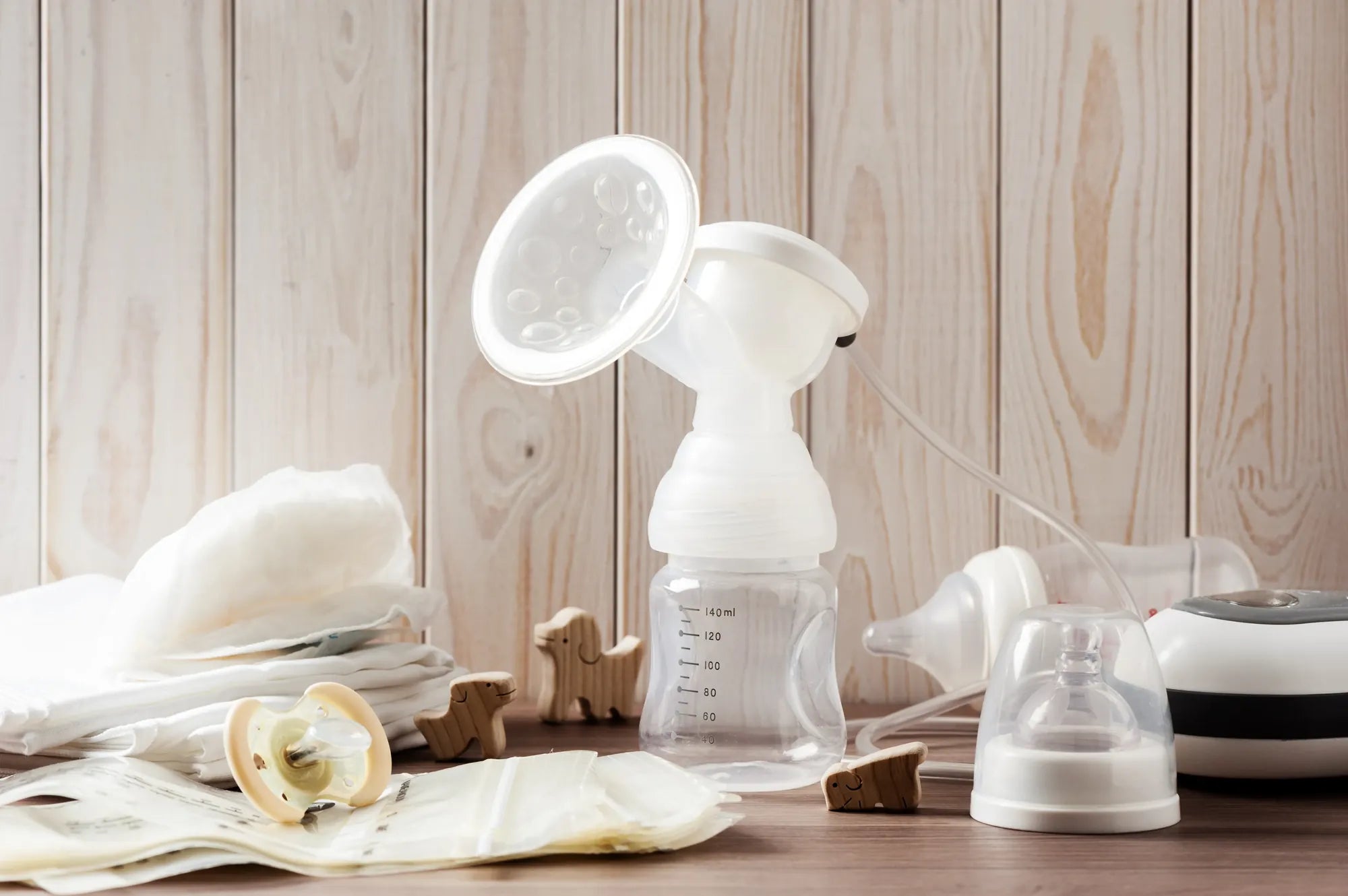
Can a Breast Pump Go Bad? A Complete Guide to Lifespan and Care
Introduction: Understanding Your Breast Pump's Lifespan
You rely on your breast pump daily, but have you ever wondered about its expiration date? The question, "Can a breast pump go bad?" is a valid and important concern for any pumping parent. Unlike food, a pump won't spoil overnight, but its performance, hygiene, and safety can significantly degrade, potentially impacting your milk supply and your baby's health. Understanding the factors that influence its lifespan is crucial for a successful, stress-free pumping journey.
This guide will explore the science and practicalities behind breast pump longevity. We'll define what "going bad" really means, from mechanical failure to biological contamination. You'll learn a comprehensive maintenance routine, recognize critical warning signs, and gain clarity on when to replace parts versus the entire unit. By the end, you'll feel empowered with the knowledge to care for your equipment confidently.
At MomMed, we believe that a reliable breast pump is a cornerstone of the feeding journey. Our commitment extends beyond providing innovative, comfortable products like our S21 Wearable Pump; we aim to equip you with the essential knowledge for their proper care and use. Let's dive into ensuring your pump remains a trusted partner for as long as you need it.
What Does "Going Bad" Really Mean for a Breast Pump?
When we ask can a breast pump go bad, we're not talking about a "use by" date. Instead, it refers to a gradual or sudden decline in three key areas: performance, material integrity, and hygienic safety. A pump that has "gone bad" may still turn on, but it can become ineffective, uncomfortable, or even hazardous.
First, mechanical wear and tear is inevitable. The motor, which creates the vacuum, is the heart of the pump. Over hundreds of hours of use, motor components can wear down, leading to a noticeable loss of suction power or inconsistent cycling. This directly impacts milk removal efficiency, which can signal your body to produce less milk over time.
Second, hygiene and biological risks pose a silent threat. Breast milk residue in parts that aren't properly cleaned or dried can foster bacterial growth, yeast, or mold. This is especially risky in tubing (in open-system pumps) or small valve crevices. Using contaminated parts can introduce pathogens to your milk or lead to recurrent mastitis and thrush.
Third, material degradation occurs. Plastic can become brittle and crack, especially if exposed to frequent sterilization or sunlight. Silicone parts like valves, membranes, and flanges lose their elasticity, becoming stiff, torn, or cracked. This compromises the seal necessary for effective suction and can harbor bacteria in microscopic cracks.
The Key Factors That Determine How Long Your Pump Lasts
A breast pump's lifespan isn't fixed; it's heavily influenced by how it's used and cared for. Understanding these variables helps you maximize your investment. The core question of can a breast pump go bad is directly tied to these daily practices.
Frequency and Intensity of Use: A pump used for exclusive, multiple daily sessions will naturally experience more wear than one used occasionally for relief or missed feeds. Hospital-grade or heavy-duty personal pumps are engineered for this frequent use, while smaller, battery-operated models may have a shorter operational lifespan under heavy demand.
Quality of Construction and Materials: This is paramount. Pumps built with hospital-grade motors, BPA-free, food-grade silicone (like all MomMed pumps), and robust housing are designed for durability. Cheaper models may use lower-grade plastics and weaker motors that fail sooner. A closed-system design, which prevents milk from entering the tubing and motor, is also critical for longevity and hygiene.
Adherence to Cleaning and Maintenance Protocols: This is the single most significant user-controlled factor. Proper, timely cleaning prevents residue buildup and biological contamination. Conversely, improper cleaning (e.g., not fully disassembling parts, inadequate drying) is a leading cause of a pump "going bad" from a hygiene perspective.
Storage and Handling: How you store your pump matters. Keeping it in a clean, dry place protects it from dust, moisture, and physical damage. Tossing parts loosely into a bag can lead to cracks or deformation. Proper storage extends the life of both the pump and its consumable parts.
Essential Maintenance: Your Prescription for Pump Longevity
A proactive maintenance routine is your best defense against premature pump failure. This step-by-step guide covers daily care, regular checks, and replacement schedules to keep your pump functioning safely and effectively for its full intended lifespan.
Daily and Post-Use Cleaning Best Practices
Immediately after pumping, disassemble every part that comes into contact with breast milk: flanges, valves, membranes, backflow protectors, and bottles. Rinse under cool water to remove milk fat, then wash with warm, soapy water using a bottle brush designed for narrow parts. For daily cleaning, hot, soapy water is sufficient.
Sterilization is recommended at least once daily for newborns or premature infants, and otherwise once per day. You can use a steam sterilizer, boiling water (check manufacturer guidelines for boil-safe parts), or antibacterial pump wipes for on-the-go cleaning. The key is consistency.
Drying is as crucial as washing. Place all parts on a clean, dry towel or in a dedicated drying rack in a well-ventilated area. Ensure no moisture remains inside tubing or connectors. Never reassemble or store parts while damp, as this creates a perfect environment for mold and mildew.
The Regular Inspection Checklist: What to Look For
Perform a visual and functional check weekly. Listen: Does the motor sound strained, louder, or irregular? Look: Inspect tubing for moisture, mold, or cracks. Check silicone valves (duckbills, backflow protectors) for tears, stiffness, or warping. Examine flanges for cracks, especially where the tunnel meets the shield.
Test suction strength by placing your finger over the flange. Does it feel as strong as it used to? Is the rhythm consistent? A noticeable drop in suction is a clear sign of part wear or motor fatigue. Also, check all connection points for a secure fit; loose connections can cause suction loss.
When to Replace Parts vs. The Entire Pump System
Most pump parts are consumables. Silicone valves and membranes should be replaced every 4-8 weeks with frequent use, as they lose elasticity. Tubing should be replaced if any moisture or discoloration is inside, or every 3-6 months. Flanges may last longer but need replacement if cracked or deformed.
Consider replacing the entire pump if: the motor consistently fails to maintain suction even with new parts; it makes grinding or burning smells; the housing is cracked (a safety hazard); or it's an open-system pump where milk has entered the motor. Upgrading to newer technology, like a MomMed wearable pump, can also offer significant improvements in efficiency and comfort.
How MomMed's Engineering Fights Wear and Tear
MomMed designs its breast pumps with durability and simplified maintenance as core principles. We directly engineer solutions to the common problems that cause pumps to "go bad," giving you peace of mind and a more reliable experience.
Our closed-system design is a foundational safety and longevity feature. It incorporates advanced backflow protection membranes that physically block milk from entering the tubing and motor. This prevents the primary cause of motor corrosion and mold growth in tubing, a critical flaw in many open-system pumps.
We use only medical-grade, BPA-free, food-contact silicone for all parts touching skin or milk. This high-grade material is more resistant to cracking and retains its flexibility longer than cheaper alternatives. It's also easier to clean thoroughly, leaving less residue behind.
The hospital-grade, ultra-quiet motor in pumps like the S21 is engineered for thousands of hours of reliable operation. It provides consistent, powerful suction without the strain that causes cheaper motors to burn out quickly. This robust performance is designed to last through multiple feeding journeys.
Furthermore, our wearable pumps' integrated design reduces the number of external tubes and separate components. Fewer connection points mean fewer potential sites for suction leaks or part failure, simplifying your maintenance routine and enhancing overall system reliability.
Comparing Pump Longevity: Key Factors at a Glance
This table summarizes how different factors and pump types influence the answer to "can a breast pump go bad?" and their typical functional lifespan.
| Factor / Pump Type | Impact on Longevity | Typical Peak Performance Lifespan | Key Maintenance Focus |
|---|---|---|---|
| Hospital-Grade Rental | Built for heavy, multi-user cycles; most durable. | Designed for years of continuous use. | Professional servicing; user cleans personal kit only. |
| High-Quality Personal Electric (e.g., MomMed Swing) | Robust motor for single-user frequent use. | 1-3+ years with proper care and part replacement. | Regular valve/membrane changes; motor care. |
| Wearable Pump (e.g., MomMed S21) | Advanced, integrated design reduces part count. | 1-2+ years; batteries may degrade over time. | Cleaning all milk-contact surfaces; battery care. |
| Manual Pump | Few mechanical parts to fail; relies on user force. | Longest potential lifespan if plastic doesn't crack. | Hygiene of valves; checking for plastic fatigue. |
| Poor Maintenance | Greatest risk for early failure "going bad." | Can reduce lifespan by 50% or more. | Immediate improvement in cleaning/drying. |
| Exclusive, Frequent Pumping | Accelerates wear on motor and consumable parts. | May reach end-of-life sooner; parts replaced more often. | Strict part replacement schedule; monitor motor sound. |
Recognizing the Red Flags: When Your Pump Has Gone Bad
Knowing the warning signs can prevent you from using an ineffective or unsafe pump. If you notice any of the following, it's time to investigate and likely replace parts or the pump itself. These are clear indicators that address the core concern of can a breast pump go bad.
1. Visible Damage or Contamination: Any cracks in flanges or bottles, tears in silicone valves, or—most critically—visible mold (black, green, or pink specks) in tubing, valves, or connectors. Mold is a non-negotiable sign; affected parts must be discarded immediately.
2. Significant Loss of Suction: If you've replaced all valves and membranes, ensured a proper seal, and the pump still cannot maintain its former suction strength, the motor is likely failing. This leads to longer sessions and less milk output.
3. Unusual Noises or Smells: A motor that whines, grinds, or clicks differently than before is wearing out. A burning electrical smell is a serious warning to stop use immediately, as it indicates motor failure and a potential fire risk.
4. Physical Discomfort or Inefficiency: If pumping becomes unexpectedly painful or you see a sudden drop in output without other explanations (like diet or stress), your pump's cycle rhythm or suction may be malfunctioning, signaling it's no longer operating as designed.
Frequently Asked Questions (FAQ)
Can a used breast pump go bad?
Yes, absolutely. A used breast pump carries the wear history of the previous owner. For open-system pumps, there's a risk of milk contamination in the motor, which is impossible to clean. Even for closed-system pumps, the motor has a finite lifespan. For hygiene and performance assurance, it's generally recommended to buy new or, if accepting a used pump, use only a closed-system model and purchase all new personal parts (flanges, tubing, valves, bottles).
How long should a breast pump last?
A high-quality personal electric breast pump, with proper maintenance and regular part replacement, should provide reliable performance for 1-3 years of typical use. Motors in pumps like MomMed's are tested for thousands of cycles. Wearable pumps have a similar mechanical lifespan, though their rechargeable batteries may slowly lose capacity over 1-2 years. Manual pumps can last for many years if not physically damaged.
What are the top signs my breast pump needs to be replaced?
The top signs are: 1) Visible mold in any part, 2) A persistent loss of suction after replacing all consumable parts, 3) Unusual motor noises (grinding, whining) or a burning smell, 4) Cracks in the housing or flanges that compromise hygiene or the seal, and 5) For wearables, a severely diminished battery life that disrupts sessions.
Is it safe to clean mold out of pump tubing and reuse it?
No, it is not safe. Mold roots (hyphae) can penetrate porous materials like silicone tubing, making it impossible to fully eradicate. Spores can survive and contaminate your milk, posing serious health risks to your baby. If you see mold in tubing, valves, or any other part, discard those parts immediately. This is a critical point when considering can a breast pump go bad—biological contamination is a primary safety failure.
Can I make my breast pump last longer?
Yes, through diligent care. Follow the manufacturer's cleaning instructions precisely after every use. Air-dry all parts completely before storage. Replace consumable parts (valves, membranes, duckbills) on schedule, not just when they break. Store the pump in a clean, dry, temperature-stable environment. Handle parts gently to avoid cracks. Using a pump with a durable, closed-system design like MomMed's from the start is the best foundation for longevity.
Conclusion: Investing in Care for Your Pumping Journey
Your breast pump is a vital tool in your feeding journey, and its care is an extension of caring for yourself and your baby. By now, you understand that the answer to "can a breast pump go bad" is a nuanced yes—it's a process of degradation in performance, materials, and hygiene that you can actively manage. A consistent maintenance routine, vigilant inspection, and timely replacement of parts are your most powerful tools to ensure safety, comfort, and efficiency for months or years to come.
Choosing a pump designed for durability from the outset makes this process easier. MomMed builds pumps with hospital-grade motors, closed-system hygiene, and premium materials specifically to withstand the demands of regular use and simplify your care routine. When the time comes to upgrade or replace, view it as an investment in your continued pumping comfort and success.
Empower your journey with knowledge and the right tools. You deserve equipment that supports you reliably every step of the way. For a breast pump engineered to last and designed with a mom's needs in mind, explore the durable, innovative options in the MomMed collection.
Shop the MomMed collection at mommed.com for all your breastfeeding and pregnancy needs, and invest in a pump built to perform safely throughout your journey.