


Inicio
Pregnancy, Breastfeeding, and Pumping: The Ultimate Guide for Moms
A Lot of Blood in Breast Milk When Pumping: A Comprehensive Guide for Concerned Moms
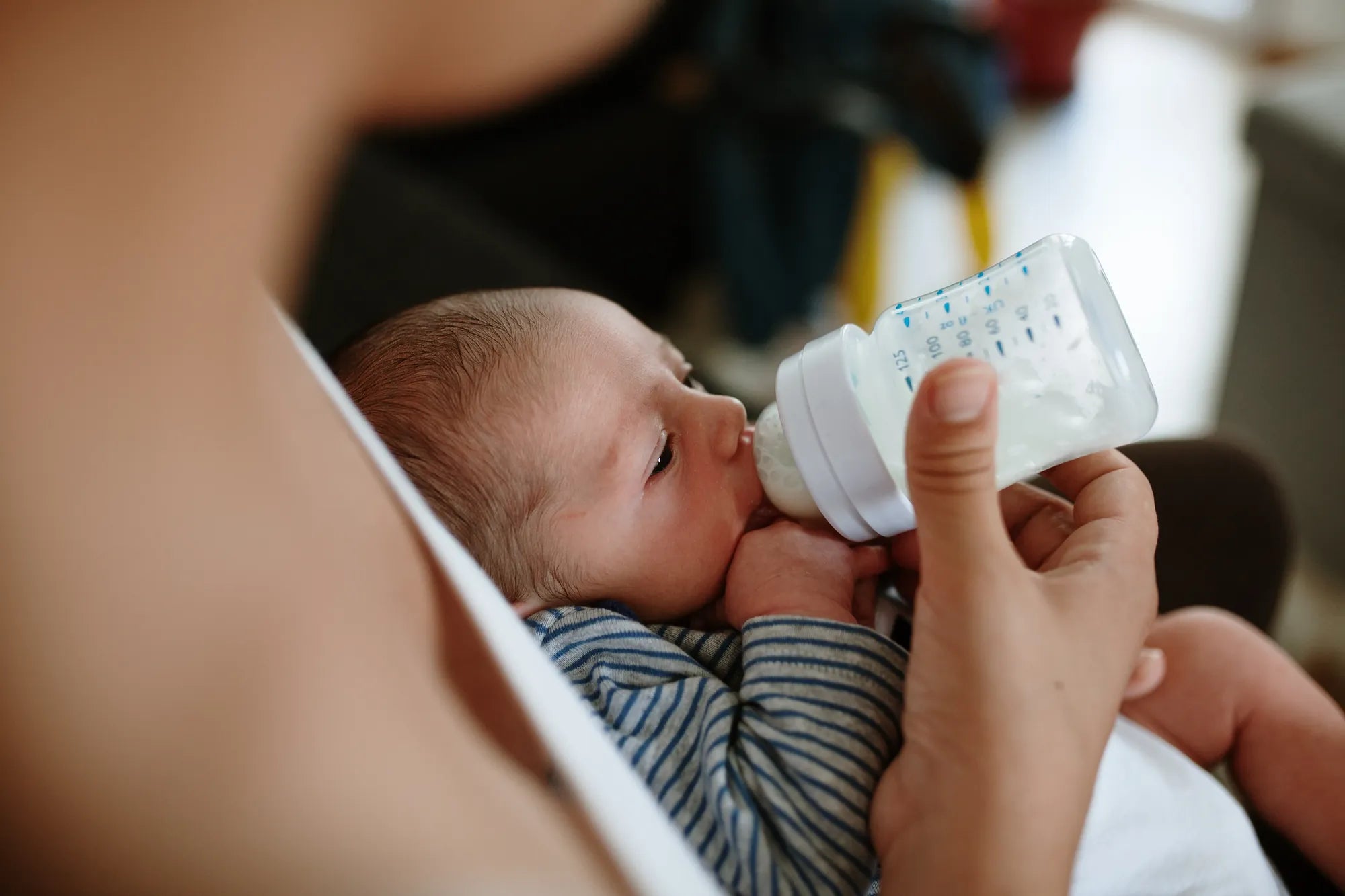
A Lot of Blood in Breast Milk When Pumping: A Comprehensive Guide for Concerned Moms
Seeing a lot of blood in breast milk when pumping is a startling experience that can trigger immediate worry. You are not alone, and in many cases, this is a temporary, manageable issue. This guide will walk you through everything you need to know—from understanding why it happens to determining if it's safe for your baby and how to address it effectively. We'll provide evidence-based information, practical pumping tips, and clear guidelines on when to consult a healthcare professional, all while highlighting how the right tools, like those from trusted maternal care brand MomMed, can support your journey.
Understanding Blood in Expressed Breast Milk: An Overview
The sight of pink, red, brown, or even rusty-colored milk in your pump bottles is understandably distressing. Medically referred to as lactational hematoma or blood-stained breast milk, this phenomenon is more common than many mothers realize. It's crucial to approach the situation with a calm, informed perspective to make the best decisions for you and your baby.
The appearance can vary significantly. You might see streaks of bright red blood, a uniform pink tint, a watery pink separation, or a dark brown, rusty hue. Each color can offer a clue about the cause and how recent the bleeding is. Bright red typically indicates fresh bleeding, often from the nipple or very near the surface, while brown or rusty colors often point to older blood, commonly associated with vascular changes from pregnancy.
Your emotional response is valid, but knowledge is power. Understanding that this is often a benign, short-lived condition can provide immense relief. The key steps are identifying the likely cause, ensuring your baby's safety, implementing healing practices, and knowing the warning signs that require professional medical evaluation. This guide is designed to be your comprehensive resource through that process.
Common Causes of Blood in Breast Milk When Pumping
Pinpointing the source of the blood is the first step toward resolution. The causes range from simple, surface-level issues to normal physiological processes. Here are the most frequent reasons you might find blood in your pumped milk.
Cracked, Damaged, or Abraded Nipples
This is the most common cause of bright red streaks in expressed milk. The mechanical action of pumping, especially with incorrect settings or fit, can cause micro-tears, fissures, or blisters on the nipple and areola. These small wounds bleed slightly during expression, mixing directly with the milk.
Contributing factors include using a breast pump flange that is the wrong size—too small causes rubbing and compression, while too large pulls too much areolar tissue and reduces efficiency. High, uncomfortable suction settings used in an attempt to increase output can also damage delicate tissue. Even a poor latch during breastfeeding prior to pumping can create damage that then bleeds during a pumping session.
"Rusty Pipe Syndrome" (Benign Idiopathic Lactational Hematoma)
Despite its alarming name, this is a harmless and self-limiting condition typically seen in the first days to weeks postpartum. The term describes colostrum or early mature milk that appears brownish, rusty, or blood-tinged.
It's caused by the increased blood supply and rapid growth of milk-producing cells (alveoli and ducts) during late pregnancy and early lactation. As these structures engorge and mature, small capillaries can leak a small amount of blood into the milk. It's analogous to the "breaking in" of new, highly vascularized tissue. This condition almost always resolves on its own within 3-7 days as the breast tissue stabilizes.
Intraductal Papilloma
This is a small, benign, wart-like growth inside a milk duct. It is not cancerous. These papillomas are fragile and can be irritated by the suction of a pump, causing them to bleed. The bleeding is often intermittent and may appear as a single distinct streak or spot of blood, sometimes from only one duct in one breast.
While usually harmless, a persistent intraductal papilloma that causes recurrent bleeding should be evaluated by a healthcare provider, typically with an ultrasound, to confirm the diagnosis and rule out other, very rare causes.
Breast Engorgement or Trauma
Severe engorgement can put immense pressure on the blood vessels and ducts within the breast. In rare cases, this pressure can cause a tiny vessel to rupture. Similarly, direct trauma to the breast—a bump, a squeeze, or even an overly vigorous massage—can cause internal bleeding that manifests in milk.
Mastitis, an inflammation of breast tissue often with infection, can also sometimes cause blood-tinged milk due to the widespread inflammation and tissue damage. This is usually accompanied by other pronounced symptoms like fever, chills, and a painful, red, wedge-shaped lump.
Is It Safe to Feed Your Baby Milk with Blood In It?
This is the paramount question for every concerned mother. For the vast majority of healthy, full-term infants, the answer is yes, it is generally considered safe to feed them milk containing small to moderate amounts of maternal blood.
Authorities like the American Academy of Pediatrics (AAP) and La Leche League International (LLLI) note that swallowing some maternal blood is not harmful. In fact, babies often swallow minute amounts of blood from cracked nipples during direct breastfeeding without any issue. The stomach acid will break down the blood proteins. The primary concerns are usually aesthetic for the parent or, in rare cases, a potential for the baby to spit up the blood, which can look more alarming than it is.
There are two main exceptions. First, if your baby has a specific medical condition, such as a gastrointestinal issue or a rare allergy, consult your pediatrician. Second, if the amount of blood is so substantial that the milk is primarily red, it's prudent to temporarily express and store that milk while you identify and address the cause, feeding previously expressed milk or formula if needed. The act of "pumping and dumping" is rarely necessary for blood alone; storing the milk is fine as the blood will not spoil it.
Be aware that after consuming milk with blood, your baby's stool may appear dark green, black, or have red streaks. This is a normal reaction as the blood passes through their digestive system and should not be mistaken for the baby bleeding internally.
When to Be Concerned and Seek Immediate Medical Advice
While often benign, certain signs accompanying blood in breast milk warrant prompt consultation with a healthcare provider—your OB-GYN, midwife, lactation consultant, or primary care doctor. Do not hesitate to seek help if you experience any of the following red flags.
Persistent or Heavy Bleeding: If the bleeding does not diminish significantly or resolve within 5-7 days, or if you are expressing what looks like largely blood, medical evaluation is needed. This could indicate a persistent papilloma or another issue requiring diagnosis.
Blood Accompanied by Pain or a Lump: The combination of bloody milk and a new, painful, hard lump in the breast (not relieved by emptying) could indicate mastitis, a plugged duct, or another condition. If accompanied by fever, chills, or flu-like symptoms, it may be an infection requiring antibiotics.
Blood Without Any Obvious Cause: If you have no nipple pain, damage, or early postpartum rustiness, and blood appears spontaneously, it merits a check-up to investigate the source within the breast ducts.
Unilateral Symptoms with Skin Changes: Blood from only one breast, especially if combined with any skin changes like dimpling, puckering, or a rash (like in inflammatory breast cancer, though exceedingly rare postpartum), requires immediate professional assessment.
Pumping Best Practices to Heal and Prevent Further Bleeding
Adjusting your pumping routine is often the most effective way to heal existing damage and prevent recurrence. Comfort and efficiency should be your guiding principles.
Ensuring the Correct Flange Fit
An ill-fitting flange is a primary culprit behind nipple trauma. The flange tunnel should surround your nipple with a small amount of space, allowing it to move freely without rubbing the sides. Your areola should have minimal pull into the tunnel. MomMed breast pumps are designed with this in mind, offering multiple flange size options in their kits to help you find the perfect, comfortable fit that promotes effective milk removal without injury.
To measure, use a nipple ruler or consult a lactation specialist. Your nipple diameter (not the areola) should be the starting point, and size may change over your lactation journey. Signs of a bad fit include blanching (extreme whitening) of the nipple tip, pain throughout pumping, or redness and swelling at the base of the nipple after a session.
Optimizing Pump Settings for Gentle Expression
More suction is not always better. Start your pump in its stimulation or let-down mode at the lowest comfortable setting. Once milk is flowing steadily, switch to expression mode and increase suction only to a level that feels effective but not painful. The goal is comfort, not discomfort.
Modern pumps like the award-winning MomMed S21 Double Wearable Breast Pump offer multiple, customizable suction modes and levels. This technology allows you to find a gentle yet effective rhythm that mimics a baby's nursing pattern, which is far less likely to cause damage than sustained high suction. The hospital-grade performance ensures efficiency without compromising on comfort.
Implementing Proactive Nipple Care and Hygiene
Healing and protecting your nipple tissue is essential. After pumping, apply a few drops of your own breast milk to your nipples and let them air dry. Breast milk has antibacterial and healing properties. For very dry or cracked nipples, purified medical-grade lanolin or a hydrogel pad can provide relief and a healing environment.
Ensure all pump parts that contact your skin or milk, like MomMed's BPA-free, food-grade silicone flanges and diaphragms, are clean, intact, and properly assembled. Cracks or worn parts can create uneven suction. Also, consider slightly reducing pumping duration or frequency if pain is present, while ensuring you still empty the breast adequately to maintain supply and prevent engorgement.
Comparing Common Causes and Actions
| Cause | Typical Appearance | Key Symptoms | Recommended Action |
|---|---|---|---|
| Cracked/Damaged Nipples | Bright red streaks or spots | Nipple pain, visible fissures or cracks, pain during pumping | Check flange fit, lower suction, apply breast milk/lanolin, ensure proper latch if also breastfeeding. |
| Rusty Pipe Syndrome | Brown, rusty, or dark orange tint | Occurs in first week(s) postpartum, no nipple pain, bilateral (both breasts) | Usually resolves in 3-7 days. Continue feeding/pumping. No intervention typically needed. |
| Intraductal Papilloma | Intermittent single streak of blood | Often from one duct in one breast, no pain, may recur | Consult healthcare provider for evaluation, often with ultrasound, to confirm benign nature. |
| Mastitis/Infection | Blood may be present | Fever, chills, painful red lump, breast warmth, malaise | Seek medical advice promptly. May require antibiotics. Continue to empty breast frequently. |
Frequently Asked Questions (FAQs)
1. Will blood in my milk upset my baby's stomach or cause harm?
For a healthy, full-term baby, small to moderate amounts of maternal blood are not harmful and are very unlikely to cause stomach upset. The stomach acid effectively breaks it down. The most common noticeable effect is a temporary change in stool color to dark green or black, which is harmless.
2. How long will the bleeding typically last?
It depends entirely on the cause. Rusty Pipe Syndrome usually clears within a week. Bleeding from cracked nipples should improve within 2-3 days of implementing corrective measures (better flange fit, lower suction, healing ointment). If bleeding from any cause persists beyond 7 days, consult your provider.
3. Should I stop pumping or breastfeeding because of the blood?
No, you generally should not stop. Continuing to empty the breast is crucial for maintaining your milk supply, relieving engorgement, and, in the case of mastitis, helping clear the infection. Stopping abruptly can lead to more problems. If the volume of blood is very high, you may choose to temporarily express and store that milk while feeding stored milk, but continue the emptying routine.
4. Do I need to "pump and dump" the bloody milk?
This is almost never necessary for blood alone. You can safely store this milk in the refrigerator or freezer and feed it to your baby later if you are comfortable doing so. If you prefer not to feed it, you can still store it and consider donating it to a milk bank that accepts milk from mothers with bloody milk (some do, after processing), or use it in milk baths for your baby's skin.
5. Can using a wearable pump like MomMed's help in this situation?
Yes, absolutely. A well-designed wearable pump can be beneficial. The MomMed S21 Double Wearable Pump allows for hands-free, comfortable expression with customizable settings, enabling you to use gentle, effective suction. Its discreet design can also reduce stress, which is beneficial for let-down and overall lactation. The use of soft, BPA-free silicone against the skin can be gentler on sore nipples than some hard plastic flanges, and the ability to move freely can make pumping sessions less taxing, aiding overall recovery.
Navigating Forward with Confidence and Support
Discovering blood in your pumped milk is a challenge, but it is one you can navigate successfully with the right information and tools. Remember, the most likely causes are temporary and benign. Your focus should be on identifying the source, ensuring your baby's continued safe feeding, and implementing gentle, healing practices for your own body. Trust your instincts—if something feels wrong, seek support from a lactation consultant or your medical team.
Your breastfeeding and pumping journey deserves comfort and reliability. Investing in equipment that prioritizes both efficiency and gentleness, like MomMed's range of innovative, award-winning pumps designed with multiple flange sizes and adjustable settings, can make a significant difference in preventing and recovering from issues like nipple trauma. You are providing incredible nourishment for your baby, and caring for yourself is an integral part of that process.
Shop the MomMed collection at mommed.com for hospital-grade wearable breast pumps, perfectly sized flanges, and all your breastfeeding and pregnancy needs, designed to support you with confidence at every stage.