


Home
Pregnancy, Breastfeeding, and Pumping: The Ultimate Guide for Moms
What Is the Best Breast Pump for First Time Moms? The Ultimate Guide
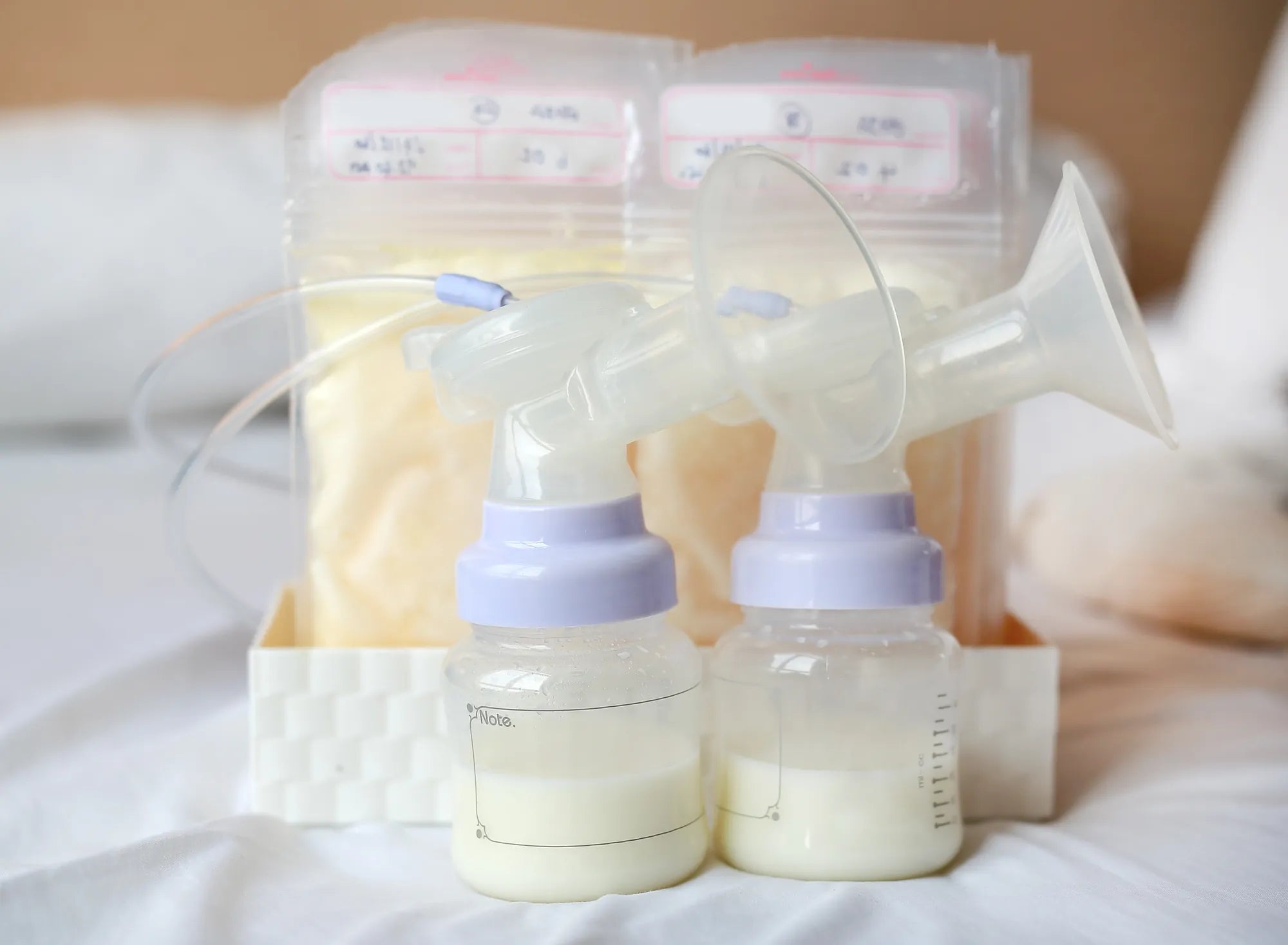
What Is the Best Breast Pump for First Time Moms? The Ultimate Guide
Navigating the First-Time Breast Pump Choice
Stepping into motherhood brings a wave of joy, love, and a surprising number of decisions, one of the most crucial being: what is the best breast pump for first time moms? The sheer volume of options can feel overwhelming. You’re not just choosing a device; you’re selecting a partner in your feeding journey, one that needs to be reliable, comfortable, and supportive of your daily life.
At MomMed, we understand this pressure. As a trusted maternal and baby care brand, we specialize in creating innovative products that empower moms. The "best" pump isn't a one-size-fits-all answer; it's the pump that seamlessly aligns with your individual lifestyle, comfort needs, and feeding goals. This guide will provide the data-driven clarity and practical insights you need to make an informed, confident choice.
Understanding Your Needs as a First-Time Mom
Before comparing models, the most critical step is a personal inventory. Your ideal pump is determined by how you plan to use it. Will you be exclusively pumping, or is the pump for occasional use to build a stash or allow for bottle feeds? Your answer dictates the required power and durability.
Your daily routine is equally important. A mom returning to a busy office has different needs than one who is primarily at home. Portability, discretion, and noise level become key factors. Finally, be honest about your sensitivity and comfort priorities, as this will directly impact your consistency and milk output.
Key Considerations: Lifestyle, Frequency, and Comfort
Lifestyle: A professional needing to pump during work calls requires a discreet, ultra-quiet, and efficient model like a wearable pump. A stay-at-home parent might prioritize a powerful, stationary electric pump for primary sessions but appreciate a portable option for multitasking.
Frequency: Planned exclusive pumping or frequent daily sessions demands a hospital-grade or high-performance double electric pump with robust motors and comfortable settings to prevent fatigue. Occasional use for relief or building a small stash may be well-served by a manual or single electric pump.
Comfort: This is non-negotiable. Painful pumping can hinder let-down and damage supply. Look for pumps with multiple suction levels and patterns, soft silicone flanges, and a design that mimics a baby's natural nursing rhythm. Comfort is the cornerstone of a sustainable pumping journey.
Types of Breast Pumps Explained
Breast pumps generally fall into three main categories, each with distinct advantages. Understanding these is fundamental to answering "what is the best breast pump for first time moms?" for your situation.
Manual Pumps: Operated by hand, these are simple, portable, and budget-friendly. They offer direct control but can be tiring for frequent use and are less efficient at fully emptying the breast, which is crucial for maintaining supply.
Single or Double Electric Pumps: These plug-in or battery-operated pumps use a motor to create suction. Double pumps allow for expressing from both breasts simultaneously, cutting pumping time in half. They are efficient and powerful but often tether you to one spot due to cords and bottles.
Wearable Breast Pumps: The latest innovation, these are all-in-one, cordless pumps that fit inside your bra. They offer unparalleled freedom and discretion, allowing you to move, work, or care for your baby while pumping. This category has seen significant advancement in power and efficiency.
Why Wearable Pumps Are a Game-Changer for New Moms
For a first-time mom, the mental load is immense. Wearable pumps directly address this by integrating pumping into life, rather than life stopping for pumping. The ability to prepare a meal, answer emails, or soothe your baby while expressing milk reduces stress, a known inhibitor of milk let-down.
This freedom can be the difference between sticking with a pumping routine and abandoning it. By removing the feeling of being "stuck," wearable pumps support both your mental well-being and your physical milk supply. MomMed has focused its innovation in this category, recognizing its transformative potential for modern mothers.
Essential Features to Look for in Your First Breast Pump
Beyond the type, specific features determine the quality of your experience. Prioritize these elements to ensure your pump is a help, not a hindrance.
Adjustable Suction & Modes: A pump should have both adjustable vacuum strength (levels) and different rhythm patterns. A stimulation (or let-down) mode mimics a baby's quick, light sucks to trigger milk flow, followed by an expression mode with slower, stronger pulls.
Closed-System Design: This critical safety feature includes a barrier membrane that prevents milk and moisture from backing into the motor and tubing. It protects hygiene, makes cleaning easier, and preserves the pump's longevity.
Motor Noise Level: A quiet pump (often below 45 dB) is essential for discretion, especially if pumping near a sleeping baby or in shared spaces. Loud pumps can add unnecessary stress and limit where you feel comfortable pumping.
Ease of Cleaning: Look for pumps with fewer parts and dishwasher-safe components. Complex assemblies with many small pieces can become a daunting chore, discouraging regular use.
Portability & Battery Life: Consider battery type (rechargeable is best), life per charge, and whether it can operate while charging. For wearable pumps, a compact, lightweight design is key for all-day comfort.
The Importance of Customizable Comfort: Modes and Levels
Every woman's body responds differently to stimulation. A pump with only one or two settings is like a shoe that only comes in one size—it might work for some, but for many it will cause pain or inefficiency. Customizable settings allow you to find your "goldilocks zone."
Effective pumping should feel like a strong, rhythmic pull, not sharp pain. The ability to fine-tune both the speed and the strength of suction, as you can with MomMed pumps, allows you to replicate a comfortable, effective nursing session. This personalized comfort directly influences milk output and makes the entire process more sustainable, especially for sensitive first-time users.
MomMed S21: Engineered for the First-Time Mom's Journey
When evaluating "what is the best breast pump for first time moms?", the MomMed S21 Double Wearable Breast Pump stands out as a solution built from mom-centric insights. It’s not just a pump; it’s an award-winning system designed to alleviate the common pain points of early pumping.
As a winner of four major industry awards for innovation, the S21 represents the pinnacle of thoughtful design. It translates hospital-grade performance into a discreet, wearable form, directly addressing the needs for power, comfort, and freedom that first-time mothers consistently prioritize.
A Closer Look at Award-Winning Innovation
The MomMed S21's design philosophy centers on three pillars: powerful performance, personalized comfort, and uncompromising safety. Its ultra-quiet motor (operating below 40 dB) delivers strong, efficient suction without the typical mechanical buzz, allowing for discreet use anywhere.
It features fully customizable multiple suction modes and nine adjustable levels, giving you complete control to find your most productive and comfortable rhythm. Every component that contacts skin or milk, including the soft, flexible flanges, is made from BPA-free, food-grade silicone. This ensures safety for both you and your baby while providing a gentle, secure fit.
Comparison: Pump Types at a Glance
| Pump Type | Best For | Key Advantages | Considerations |
|---|---|---|---|
| Manual Pump | Occasional use, relief from engorgement, backup. | Inexpensive, portable, silent, full control. | Physically tiring, less efficient, slower. |
| Single/Double Electric | Primary daily pumping, exclusive pumping. | Powerful, efficient (esp. double), often insurance-covered. | Less mobile, can be bulky and noisy. |
| Wearable Pump (e.g., MomMed S21) | Active lifestyles, returning to work, discretion. | Ultimate mobility & hands-free use, quiet, reduces stress. | Higher initial investment, requires charging. |
How to Get Started with Pumping: A First-Timer's Checklist
Once you've chosen your pump, proper setup is key. Start by carefully measuring your nipple diameter to ensure correct flange fit—a flange that is too large or small is a leading cause of pain and low output. Most brands, including MomMed, offer multiple flange sizes.
Begin pumping after breastfeeding is well-established, typically around 3-4 weeks postpartum, unless directed otherwise by a lactation consultant for medical reasons. Start with short sessions of 10-15 minutes per side, using the lowest effective suction setting. Clean all parts that touch milk after every use with hot, soapy water or in a dishwasher-safe basket.
Establish a loose schedule that mimics your baby's feeding patterns to help regulate supply. Label and date your expressed milk and store it in the back of the refrigerator (for up to 4 days) or freezer (for up to 6-12 months) immediately after pumping.
Frequently Asked Questions for First-Time Pumping Moms
Q: How soon after birth should I start pumping?
A: It’s generally recommended to wait until breastfeeding is well-established, around 3-4 weeks, to avoid nipple confusion and oversupply. Exceptions include if your baby has latching difficulties, you’re separated, or under guidance from a lactation consultant.
Q: How do I know if the flange fits correctly?
A> Your nipple should move freely in the tunnel without rubbing the sides. Only the nipple and a small amount of areola should be drawn in. Pain, redness, or white blanching at the tip of the nipple indicates the flange is too small. Significant areola being pulled in suggests it’s too large.
Q: Can I use a wearable pump like the MomMed S21 as my primary pump?
A> Yes, absolutely. Modern wearable pumps like the S21 are designed with powerful, efficient motors suitable for daily and exclusive pumping. Their convenience often leads to more consistent pumping sessions, which is vital for maintaining milk supply.
Q: How quiet is "ultra-quiet"?
A> The MomMed S21 operates below 40 decibels, which is quieter than a standard library whisper (about 45 dB). This means you can pump next to a sleeping baby or in a quiet office without drawing attention.
Q: Are MomMed pumps covered by insurance?
A> Many insurance plans in the US provide coverage for breast pumps. MomMed pumps are often eligible. We recommend you contact your insurance provider directly to understand your specific benefits and reimbursement process.
Empowering Your Feeding Journey with Confidence
Finding the best breast pump for first time moms is about finding your personal tool for empowerment. It’s the reliable partner that gives you the freedom to nourish your baby on your terms, whether that’s at home, at work, or on the go. By prioritizing your unique needs for comfort, efficiency, and lifestyle integration, you choose more than a product—you choose a smoother, more confident path through early motherhood.
At MomMed, our mission is to support you with innovative, safe, and mom-tested solutions. We believe the right gear should reduce stress, not add to it. Whether you choose the award-winning S21 wearable or another model from our range, you’re choosing a partner committed to your journey. Shop the MomMed collection at mommed.com for all your breastfeeding and pregnancy needs, and step into your pumping journey with confidence.