


Home
Pregnancy, Breastfeeding, and Pumping: The Ultimate Guide for Moms
Should I Get a Single or Double Breast Pump? A Comprehensive Guide
Should I Get a Single or Double Breast Pump? A Comprehensive Guide
Navigating the Single vs. Double Breast Pump Decision
Choosing between a single and double breast pump is one of the most common and consequential decisions for new and expecting mothers. This choice directly impacts your daily routine, milk production, and overall breastfeeding journey. The core question, "Should I get a single or double breast pump?", doesn't have a one-size-fits-all answer. It's a personal calculation based on your lifestyle, feeding goals, and individual circumstances.
This comprehensive guide will move beyond basic descriptions to provide a detailed, evidence-based analysis. We'll explore the physiological impact of each pump type, break down the key decision factors, and help you identify which option offers the best return on investment for your unique situation. As a trusted maternal and baby care brand, MomMed specializes in creating reliable, comfortable, and innovative products like wearable breast pumps to support every mother's path, whether you choose single or double expression.
Understanding the Core Mechanics: How Single and Double Pumps Function
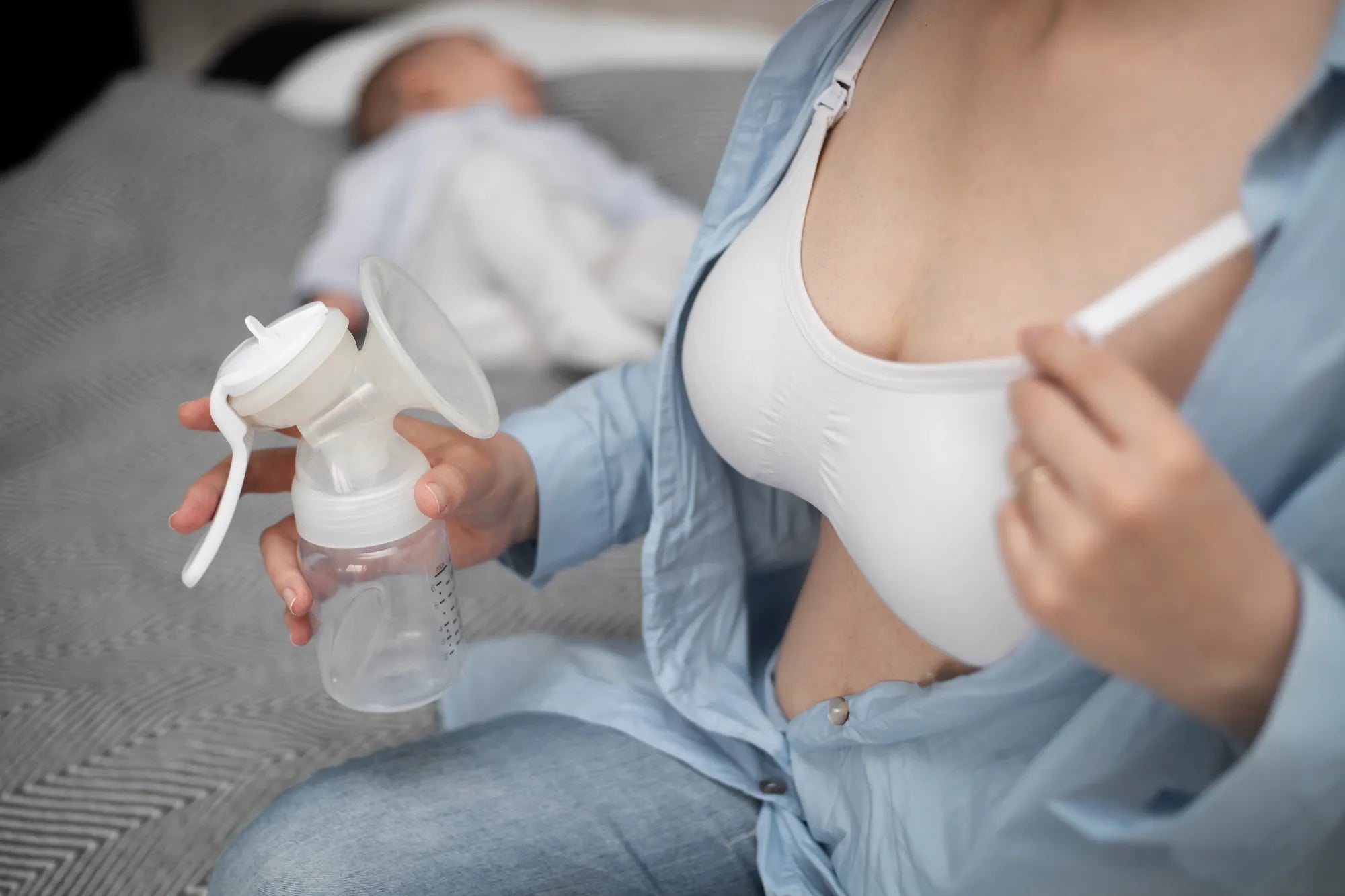
At a fundamental level, the difference is in the expression process. A single electric breast pump is designed to express milk from one breast at a time. You attach a flange and collection bottle to one breast, while the other side remains idle or may leak into a breast pad. A session typically involves pumping one side for a set duration (e.g., 15-20 minutes), then switching to the other side for a similar period.
A double electric breast pump, often called a twin pump, allows for simultaneous expression from both breasts. It uses a motor that creates suction for two collection kits at once. This means both breasts are stimulated and drained during the same time window. Think of it as filling two bottles concurrently versus filling them one after the other.
The mechanics matter because they influence hormone response. Double pumping stimulates both breasts to release prolactin—the key milk-making hormone—in a single, concentrated wave. This more closely mimics a baby nursing from both sides during a feeding, which can be a critical signal to your body about demand.
The Case for a Double Electric Breast Pump: Maximizing Efficiency and Supply
For many mothers, especially those returning to work or exclusively pumping, a double pump is the most effective tool. Its primary advantage is profound time savings. A double pumping session can cut your total pump time roughly in half compared to pumping each side sequentially with a single pump. Saving 15-20 minutes per session adds up to hours each week, a precious commodity for any parent.
Beyond convenience, double pumping has a significant, data-supported impact on milk production. Studies, including those cited by lactation consultants, indicate that simultaneous pumping can lead to a higher average milk yield per session and may increase overall daily milk volume. This is due to the stronger, coordinated prolactin surge and more efficient emptying of both breasts.
This makes double pumps ideal for specific scenarios: establishing supply in the early postpartum days, rebuilding a perceived low supply, maintaining supply while separated from baby for long stretches (like a full workday), and for mothers exclusively pumping. The efficiency also supports creating a freezer stash more quickly.
Ideal Users of a Double Pump
Mothers who plan to pump multiple times a day, especially those returning to full-time employment, are prime candidates. Exclusive pumpers rely entirely on their pump, making efficiency and output paramount. Mothers of twins or multiples, who have exceptionally high nutritional demand, also benefit tremendously from the time savings and yield of a double pump.
When a Single Breast Pump Is the Perfect Fit: Occasional Use and Specific Needs
A single electric breast pump is a powerful and often underrated tool that perfectly suits many mothers' realities. It is an excellent choice for the "sometimes pumper." If you primarily nurse your baby directly at the breast and only need to pump occasionally—for a date night, a missed feeding, or to have a small stash on hand—a single pump is often sufficient and more budget-friendly.
It can also be the right tool for managing specific breastfeeding challenges. Mothers with a significant oversupply or a very forceful letdown in one breast may only need to express a small amount from the engorged side for comfort, making a single pump ideal. It's also a logical choice if you consistently nurse from one side and only pump from the other at each feeding.
Single pumps typically have a smaller footprint, are lighter, and can be simpler to operate with one hand. This makes them highly portable and discreet for travel or quick use. For mothers on a tighter budget, a quality single pump represents a lower initial investment while still providing the essential function of milk expression.
Key Factors to Consider in Your Decision
Your Pumping Goals and Schedule
Start by honestly assessing your planned frequency. Will you pump 1-2 times a week or 3-8 times a day? The more frequently you pump, the stronger the argument for a double pump's time savings. Consider your long-term goals: are you aiming to provide all breast milk via bottle, or just an occasional supplement? Exclusive pumping or full-time working moms should lean heavily towards a double pump.
Lifestyle and Mobility Needs
Your daily routine is crucial. A commuting professional might prioritize a discreet, efficient double wearable pump like the MomMed S21 for hands-free use during a commute or work meeting. A stay-at-home mom who primarily nurses but needs flexibility might value the simplicity and portability of a single pump. Consider if you need to care for other children while pumping—hands-free capability, whether with a pumping bra and a double pump or a wearable, can be transformative.
Budget and Long-Term Value
While double pumps generally have a higher upfront cost, calculate the value of your time and milk. For a mother pumping 3 times a day at work, a double pump could save her 45-60 minutes daily. Over months, that time has immense value. A single pump is a lower-cost entry point but may become frustrating if your needs evolve towards more frequent pumping. Look for pumps, like many of MomMed's, that are designed for durability and daily use, representing a long-term investment in your feeding journey.
Physical Comfort and Response
Every body responds differently. Some mothers find double pumping overwhelming or uncomfortable. Others find the longer total session time of a single pump tedious. Proper flange fit—a cornerstone of MomMed's design philosophy using soft, BPA-free silicone—is critical for comfort and effective milk removal with either type. If you experience pain or low output, consult an International Board Certified Lactation Consultant (IBCLC).
The MomMed Advantage: Award-Winning Flexibility and Innovation
MomMed understands that a mother's needs can change day by day. That's why our award-winning pump designs are built around flexibility. Take the MomMed S21 Double Wearable Breast Pump: it offers the full efficiency of hands-free, simultaneous double pumping with its ultra-quiet motor and comfortable, secure cups. However, its true genius lies in adaptability.
You can effortlessly use the S21 as a single pump by simply attaching only one collection cup. This gives you the ultimate choice each session. Need to empty quickly while making lunch? Use it as a double. Just need to relieve slight engorgement on one side while nursing on the other? Use it as a single. This hybrid approach means you invest in one system that covers all scenarios.
Our commitment extends to safety and support. All MomMed breast pumps feature food-grade, BPA-free materials and are developed with insights from lactation professionals. We provide clear resources on topics like establishing a pumping schedule, preventing mastitis, and ensuring proper latch during breastfeeding, because we know the pump is just one part of your holistic journey.
Single vs. Double Breast Pump: Quick-Reference Comparison Chart
| Feature | Single Electric Pump | Double Electric Pump |
|---|---|---|
| Session Time | Longer (e.g., 30-40 min total) | Shorter (e.g., 15-20 min total) |
| Milk Output Potential | Good per breast; total yield may be lower per day | Often higher per session; can increase/maintain daily supply |
| Best For | Occasional pumping, primary nursing moms, budget-conscious buyers, managing one-sided engorgement | Frequent/Exclusive pumping, working moms, supply building, mothers of multiples |
| Portability | Typically lighter, fewer parts | More parts; wearable models (like MomMed S21) offer ultimate hands-free portability |
| Typical Cost | Lower initial investment | Higher initial investment, but greater time efficiency |
| Flexibility | Designed for single use only | Many models (including MomMed's) can be used as either single OR double |
Your Questions, Answered: Breast Pump FAQ
Q: Can I use a double breast pump as a single?
A: Yes, most modern double electric pumps, including all MomMed double pumps, can be used as a single pump. You simply connect only one collection kit (flange and bottle or wearable cup). This provides excellent flexibility, allowing you to choose the mode based on your needs for each session.
Q: Is a double pump too loud or bulky?
A: Technology has advanced significantly. Many double pumps, like the MomMed S21 wearable, feature ultra-quiet motors designed for discretion. Wearable pumps eliminate external tubes and bottles, reducing bulk. Traditional double pumps with a motor unit are larger but are often still designed for portability with a carrying bag.
Q: Which type is better for increasing low milk supply?
A: Lactation consultants generally recommend a double electric pump for mothers working to increase supply. The simultaneous stimulation and more efficient emptying provide a stronger signal to your body to produce more milk, especially when following a frequent pumping schedule.
Q: I have twins. Should I definitely get a double pump?
A> Absolutely. The time demands with twins are immense. A double pump is not just a convenience; it's a practical necessity to efficiently express enough milk for two babies and protect your own milk supply without spending all day attached to a pump.
Q: How do I know if the flange fits correctly?
A> Proper fit is critical to comfort and output. Your nipple should move freely in the tunnel without rubbing, and little to no areola should be pulled in. MomMed pumps come with multiple flange size options. Signs of a poor fit include pain, redness, swelling, or low milk output. When in doubt, measure your nipple diameter or consult a lactation consultant.
Empowering Your Personalized Feeding Journey
The decision between a single or double breast pump hinges on a clear-eyed assessment of your individual life, goals, and body. There is no universally "better" choice, only the best choice for you. If your life requires maximum efficiency and you'll pump multiple times daily, the investment in a high-quality, flexible double pump like the MomMed S21 is likely to pay dividends in time and milk. If your needs are more occasional, a reliable single pump can be a perfect and economical companion.
Remember, your needs may evolve, and that's okay. Choosing a pump that offers mode flexibility or being open to adjusting your tools as your journey progresses is a sign of adaptable, empowered motherhood. Trusted by thousands of moms, MomMed is here to support you with innovative, comfortable, and reliable products designed for the real-world challenges of feeding your baby.
Shop the MomMed collection at mommed.com for all your breastfeeding and pregnancy needs, and discover award-winning pumps that adapt to you.