


Home
Pregnancy, Breastfeeding, and Pumping: The Ultimate Guide for Moms
How to Store Breast Milk After You Pump: A Comprehensive Guide to Safety & Nutrition
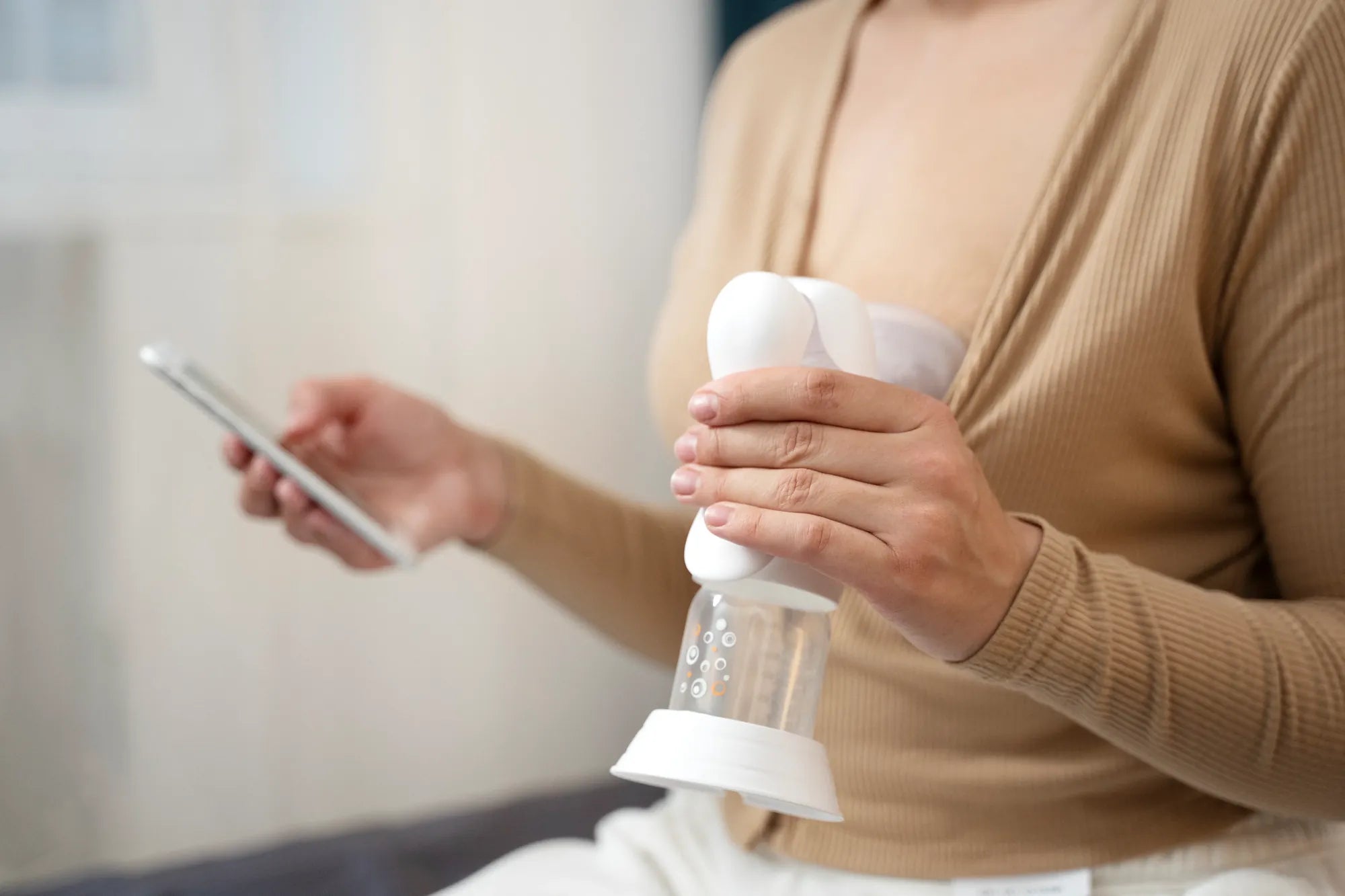
How to Store Breast Milk After You Pump: A Comprehensive Guide to Safety & Nutrition
Safeguarding Liquid Gold – Your Guide to Breast Milk Storage
Mastering how to store breast milk after you pump is one of the most critical skills for a pumping parent. This knowledge transforms expressed milk from a perishable substance into a reliable, nourishing resource, offering invaluable flexibility and peace of mind. Proper storage preserves the unique, living components of breast milk—antibodies, stem cells, and beneficial bacteria—that are essential for your baby's health and development. This comprehensive guide distills the latest recommendations from health authorities like the CDC and the Academy of Breastfeeding Medicine into clear, actionable steps. As a trusted maternal and baby care brand, MomMed is dedicated to supporting your entire journey, from providing innovative, comfortable pumps like the award-winning S21 Wearable Breast Pump to offering the essential knowledge you need to feed your baby with confidence.
Understanding Breast Milk: Why Proper Storage Matters
Breast milk is not a simple liquid; it's a dynamic, bioactive fluid often called 'liquid gold' for good reason. It contains live white blood cells, immunoglobulins (antibodies), enzymes, and a perfect balance of fats, proteins, and carbohydrates tailored to your baby's needs. These components are sensitive to environmental factors like temperature, time, and handling. Incorrect storage can lead to the degradation of these precious nutrients and, in worst-case scenarios, bacterial growth that can make your baby ill.
The primary goal of proper storage is to maintain the milk's safety and nutritional integrity from the moment it leaves your breast until it reaches your baby's stomach. This involves controlling two key variables: temperature and time. By following science-backed guidelines, you ensure that the powerful anti-infective properties and optimal nutrition of your milk are preserved. This process empowers you to build a stash for returning to work, manage occasional separations, or allow other caregivers to share in feeding, all while knowing your baby is receiving the full benefits of your milk.
The Essential Tools: Preparing for Safe Storage
Before you store a single drop, ensuring you have the right tools and a clean environment is paramount. Always start by washing your hands thoroughly with soap and water. All pump parts that contact breast milk—flanges, valves, membranes, and collection bottles—must be cleaned after each use according to the manufacturer's instructions, typically involving washing with hot, soapy water or sanitizing.
For the milk itself, you have two main container options: hard-sided bottles or pre-sterilized breast milk storage bags. Bottles made of glass or BPA-free plastic are reusable and ideal for short-term refrigerator storage. Breast milk bags, however, are space-efficient for freezing. When selecting bags, look for those that are durable, self-standing, have a double-zip seal, and a writable surface for labeling. MomMed prioritizes baby safety, which is why all our products that contact milk, including our pumps and accessories, are made from food-grade, BPA-free silicone and plastics.
Your other essential tool is a permanent marker or labels. Every container must be clearly labeled with the date the milk was expressed and, if you are feeding a preterm or hospitalized infant, the time. For babies with specific dietary needs, you may also note the volume. This practice is the cornerstone of a 'first-in, first-out' rotation system, ensuring no milk is stored beyond its safe duration.
The Gold Standard: Step-by-Step Storage Guidelines by Location
Refrigerator Storage: The Short-Term Solution
Refrigeration is ideal for milk you plan to use within a few days. Store expressed milk in the back of the refrigerator, where the temperature is most consistently cold (at or below 4°C or 39°F), not in the door where temperatures fluctuate. Freshly pumped milk can be stored in the refrigerator for up to 4 days. If you are combining milk from the same day, cool the newly expressed milk in the refrigerator for about an hour before adding it to an already chilled container.
This method helps maintain a consistently cold temperature for the older milk. Remember, the 'use-by' date is always based on the date of the oldest milk in the container. For moms using a pump like the MomMed S21, its closed system and direct-to-bottle collection make transferring milk to a storage container simple and hygienic, minimizing handling and exposure.
Freezer Storage: Preserving for the Long Haul
Freezing extends the life of your breast milk significantly, but the duration depends on your freezer type. A standard freezer compartment within a refrigerator (typically around -15°C or 5°F) can safely store milk for up to 6 months. A standalone deep freezer that maintains a constant -20°C (-4°F) can preserve milk for up to 12 months.
To freeze milk effectively, leave about an inch of space at the top of bags or bottles to allow for expansion as the milk freezes. Lay storage bags flat to freeze; this creates thin, brick-like slabs that thaw quickly and stack efficiently, maximizing space. Organize your freezer with the oldest milk in the front. While freezing preserves most of milk's benefits, some loss of live cells and antioxidant activity can occur over extended time.
Room Temperature Storage: Understanding the Window
There are times when immediate refrigeration isn't possible, such as during a middle-of-the-night feed or while on a short outing. Freshly expressed breast milk can be kept at room temperature (up to 25°C or 77°F) for up to 4 hours. However, if the ambient temperature is warmer, this window shortens. In very warm conditions (above 27°C or 80°F), it's best to refrigerate or cool the milk within 2 hours.
This guideline is why wearable pumps are so valuable for active moms. The ability to pump discreetly and then transfer the milk to a cooler bag within a few hours provides flexibility without compromising safety. If your baby doesn't finish a bottle at a feeding, the milk is generally considered safe for 1-2 hours after they start drinking, as saliva introduces bacteria into the milk.
Thawing and Warming: Completing the Cycle Safely
Thawing frozen breast milk requires as much care as storing it. The safest method is to plan ahead and thaw milk overnight in the refrigerator. It will typically be ready within 12 hours. For a quicker method, hold the sealed container under lukewarm running water or place it in a bowl of warm water. Never use hot water, as it can destroy sensitive components.
It is crucial to never thaw or warm breast milk in a microwave. Microwaving creates dangerous 'hot spots' that can scald your baby's mouth and throat, and the intense heat rapidly destroys beneficial proteins and immune factors. Once thawed, gently swirl the container to mix the fat, which will have separated. Do not shake vigorously, as this can break down some of milk's proteins. Test the temperature by dripping a few drops on your wrist; it should feel lukewarm, not hot.
Once fully thawed in the refrigerator, use the milk within 24 hours. Never refreeze thawed breast milk. If you've thawed milk with warm water and your baby doesn't drink it, it can be kept at room temperature for the remainder of the feeding (1-2 hours) or in the refrigerator for up to 4 hours, but it should then be discarded.
Handling, Combining, and Transporting Milk
Combining milk from different pumping sessions is common practice. The key rule is to cool the newly expressed milk in the refrigerator before adding it to previously chilled or frozen milk. This prevents the warmer, fresh milk from partially thawing the older batch, which could encourage bacterial growth. You can combine milk pumped on the same day.
Transporting milk safely is essential for working parents or those on the go. Use an insulated cooler bag with frozen ice packs. The goal is to keep the milk cold during transit. Milk transported in this way can be considered 'refrigerated' and should be used within 24 hours if ice packs remain fully frozen, or transferred to a proper refrigerator as soon as possible. The quiet, discreet design of MomMed wearable pumps makes it easy to pump in various settings, and the collected milk can be immediately placed in your cooler, maintaining the cold chain.
Troubleshooting Common Storage Concerns
Is This Milk Still Good? Signs of Spoilage
Properly stored breast milk will naturally separate into a fatty layer (cream) on top and a thinner, more watery layer below. This is normal. Simply gentle swirling will mix it back together. The smell of fresh or thawed milk can vary; some describe it as sweet or metallic, while others notice almost no scent.
Spoiled milk, however, has a distinctly sour or rancid odor, similar to spoiled cow's milk. If it smells bad, it is best to discard it. Visually, while separation is normal, any clumping or unusual color (like pink or green, which can indicate bacterial growth) is a sign to throw it out. A 'soapy' smell is often due to high lipase activity—an enzyme that breaks down fats—and while the milk is safe, some babies may refuse it. Scalding fresh milk (heating to a simmer, not a boil) before freezing can deactivate lipase.
Navigating Power Outages and Travel
During a power outage, keep the refrigerator and freezer doors closed as much as possible. A full freezer will keep food safe for about 48 hours; a half-full freezer for about 24 hours. An unopened refrigerator will keep food cold for about 4 hours. If the outage is prolonged, use block ice or dry ice to keep the freezer cold.
When traveling by air, the Transportation Security Administration (TSA) allows you to carry a 'reasonable quantity' of breast milk, formula, and juice for your infant in your carry-on bag, even if it exceeds the standard 3.4-ounce liquid rule. Inform the TSA officer at the security checkpoint that you are carrying these items. They may need to be screened separately, but they should not need to be placed in a quart-sized bag. Planning your storage strategy for travel days is crucial for a stress-free journey.
Breast Milk Storage Guidelines at a Glance
| Storage Location | Temperature | Safe Duration for Fresh Milk | Key Considerations |
|---|---|---|---|
| Room Temperature | Up to 25°C (77°F) | Up to 4 hours | Shorter in warmer rooms. Ideal for immediate use. |
| Insulated Cooler with Ice Packs | Cool, not specified | Up to 24 hours | Ensure ice packs remain frozen. Use for transport. |
| Refrigerator | ≤ 4°C (39°F) | Up to 4 days | Store at the back, not in the door. Label clearly. |
| Freezer (inside refrigerator) | ≈ -15°C (5°F) | Up to 6 months | Best for short-to-medium term storage. Leave space for expansion. |
| Deep Freezer (standalone) | ≤ -20°C (-4°F) | Up to 12 months | Optimal for long-term storage. Organize with oldest in front. |
Frequently Asked Questions (FAQ)
Q: Can I refreeze breast milk that has thawed?
A: No, it is not recommended to refreeze breast milk once it has been completely thawed. Refreezing can promote bacterial growth and degrade the quality of the milk. If you thawed it in the refrigerator and haven't warmed it, you can keep it there for up to 24 hours, but do not refreeze it.
Q: Can I add freshly pumped milk to milk that's already in the freezer?
A: You should not add warm, freshly expressed milk directly to already frozen milk, as it can cause partial thawing. Instead, chill the new milk in the refrigerator first until it is cold. Then, you can pour it into the frozen milk's container, but it's often easier and safer to freeze the new milk in a separate container.
Q: Why does my frozen and thawed milk smell or taste soapy or metallic?
A> This is usually due to high levels of an enzyme called lipase, which breaks down fats in the milk. The milk is still safe and nutritious, but some babies may refuse the taste. If this happens consistently, you can try scalding the milk (heating it to a simmer with small bubbles around the edge, not a rolling boil) right after pumping to deactivate the lipase before cooling and freezing it.
Q: How long is a bottle of breast milk good for once my baby starts drinking from it?
A> Once your baby's mouth has touched the bottle nipple, bacteria are introduced. For this reason, you should use the milk within 1 to 2 hours after the feeding begins. Any leftover milk after that should be discarded.
Q: Is it okay to store breast milk in the bottle that came with my pump?
A> Yes, provided the bottles are designed for storage, have airtight lids, and are made of food-safe, BPA-free materials. Many pump collection bottles, like those from MomMed, are intended for direct feeding or storage. Always ensure they are properly cleaned and sealed.
Confidence and Convenience in Your Feeding Journey
Understanding how to store breast milk after you pump unlocks a new level of freedom and assurance in your breastfeeding journey. By adhering to the principles of clean handling, strict time and temperature guidelines, and safe thawing practices, you transform your expressed milk into a reliable, nourishing resource for your baby. This knowledge empowers you to navigate work, travel, and shared caregiving with confidence, knowing your baby continues to receive the unparalleled benefits of your milk.
Your tools should support this confidence. MomMed designs products with your real-life needs in mind. Our S21 Double Wearable Breast Pump offers hospital-grade suction in a quiet, cord-free design, allowing you to pump comfortably and discreetly anywhere—whether at your desk or on the go—making it easier to maintain your supply and build your stash. Paired with our BPA-free storage bags and accessories, we provide a complete, safe ecosystem for your breastfeeding experience. You have the knowledge. Now, equip yourself with tools that match your dedication.
Shop the MomMed collection at mommed.com for all your breastfeeding and pregnancy needs, from innovative wearable pumps to essential storage solutions, and feed your journey with confidence.