


Home
Pregnancy, Breastfeeding, and Pumping: The Ultimate Guide for Moms
How to Stop Pumping Breast Milk Without Getting Mastitis: A Safe, Step-by-Step Guide
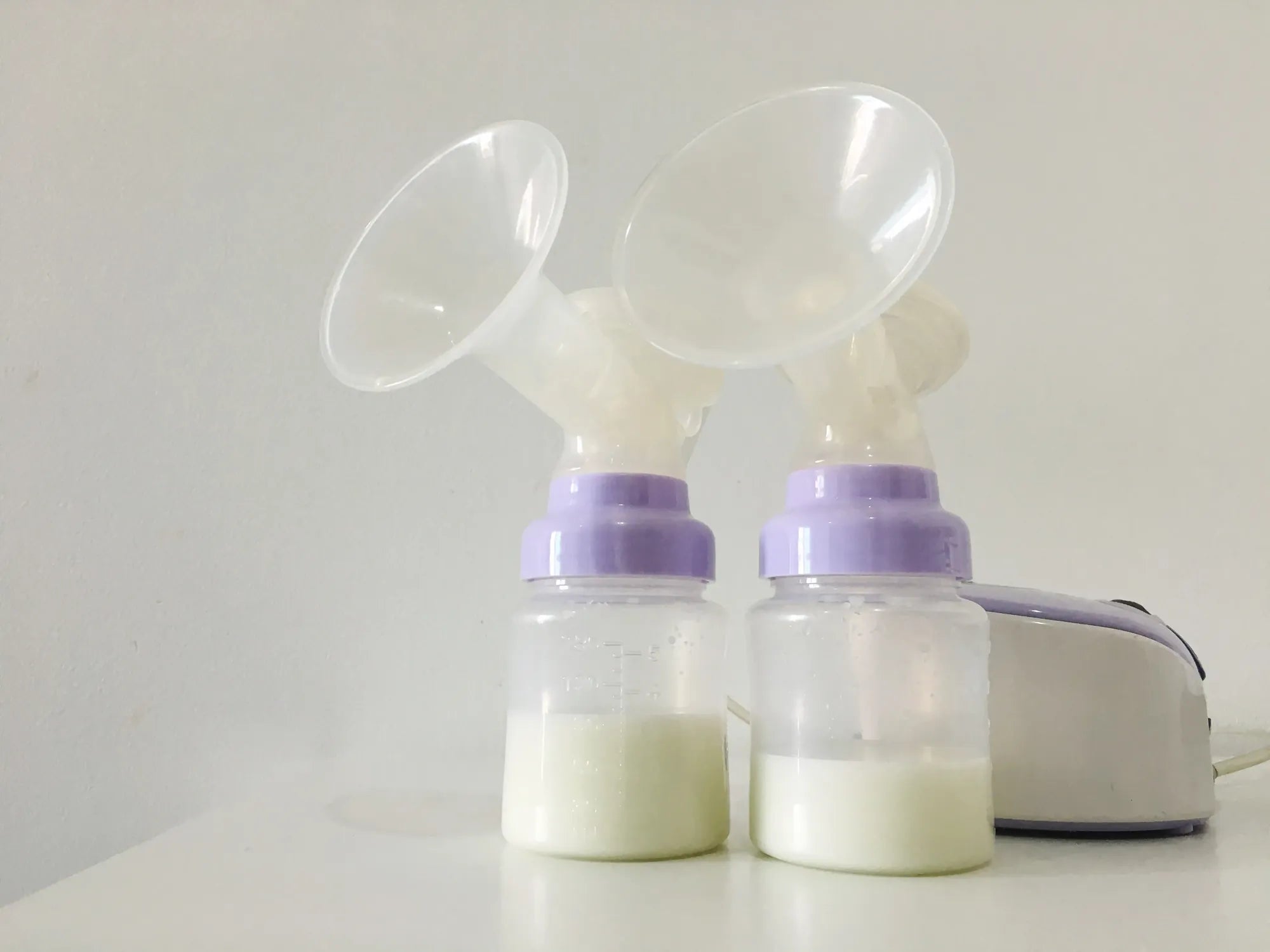
How to Stop Pumping Breast Milk Without Getting Mastitis: A Safe, Step-by-Step Guide
Deciding to stop pumping breast milk is a significant milestone in your feeding journey, whether you're an exclusive pumper or combining nursing with pumping. This transition, while often a relief, comes with a critical health concern: mastitis. This painful breast infection is frequently triggered by sudden weaning, leading to milk stasis, inflammation, and potential bacterial infection. The key to how to stop pumping breast milk without getting mastitis lies not in stopping abruptly, but in a deliberate, gradual process that honors your body's physiology. This guide provides a comprehensive, step-by-step plan rooted in lactation science, designed to protect your comfort and health. As a brand trusted by thousands of moms, MomMed is here to support you with both the knowledge and the tools—like our adjustable, comfortable wearable pumps—to navigate this change smoothly and confidently.
Understanding the Physiology: Why Gradual Weaning is Non-Negotiable
Your milk production operates on a simple yet powerful principle: supply and demand. The hormone prolactin stimulates milk creation in response to regular, effective removal of milk—whether by your baby or a pump. When you abruptly cease pumping, you send a sudden, confusing signal. Your breasts continue producing milk at the usual rate, but with no outlet, leading to rapid engorgement.
Engorgement isn't just uncomfortable; it's the primary risk factor for mastitis. As milk builds up, it increases pressure within the breast tissue. This pressure can compress milk ducts, leading to clogs (plugged ducts). Furthermore, the distension can cause inflammation and may allow bacteria from the skin to enter the breast tissue, resulting in infection. A gradual reduction in pumping frequency and duration allows your body to adapt slowly, lowering prolactin levels and signaling your glands to produce less milk over time, thereby preventing dangerous backlogs.
This biological process underscores why "cold turkey" weaning is strongly discouraged. The hormonal shift itself can also contribute to mood changes, which is another reason a gentle approach benefits both your physical and emotional well-being. Understanding this "why" empowers you to follow the "how" with greater commitment and patience.
The MomMed Weaning Method: A Phased, 3-4 Week Plan
This method is a framework, not a rigid prescription. Listen to your body above all else. Some may complete it in two weeks, others may need five. The goal is consistent, incremental reduction.
Phase 1: Assessment and Personalized Planning
Before making any changes, document your current routine for 2-3 days. Note how many times you pump per day, the duration of each session, and your typical output. This baseline is crucial. Next, set a realistic timeline. A weaning period of 3-4 weeks is standard for most exclusive pumpers. If you are nursing directly as well, it may be shorter. Mark a tentative end date on your calendar, but be prepared to adjust it based on your comfort.
Phase 2: Strategically Dropping Pumping Sessions
Begin by eliminating one pumping session every 3-5 days. Start with the session that is least productive or most inconvenient (e.g., the middle-of-the-night pump or a work break session). Dropping sessions too quickly is a common mistake. The 3-5 day waiting period allows your supply to adjust downward gradually without causing severe engorgement. If you feel uncomfortably full before it's time to pump, you can hand express just enough for relief—never to fully empty, as that signals for more production.
Phase 3: Shortening the Remaining Sessions
Once you are down to just 1-2 pumps per day, shift your strategy from dropping sessions to shortening them. Reduce your pumping time by 2-5 minutes every 2-3 days. For instance, if you typically pump for 20 minutes, reduce to 15 for a few days, then 10, then 5. The goal is to transition from "emptying" the breast to simply relieving pressure. This gradual decrease further cues your body to slow production.
Your Mastitis Prevention Toolkit: Proactive Comfort Measures
Even with a perfect plan, you may experience fullness. Proactive management is your best defense against clogs and mastitis.
Managing Engorgement with Safe Techniques
For mild to moderate engorgement, apply cold compresses or chilled cabbage leaves to your breasts for 15-20 minutes at a time. The cold constricts blood vessels and reduces inflammation and milk production. Wear a supportive, but not tight, bra. Avoid any constrictive clothing. You can also take approved anti-inflammatory medication like ibuprofen (consult your doctor) to reduce swelling and pain.
Hand Expression: A Critical Skill
Learn to hand express. If you become painfully engorged between dropped sessions, hand express just until you feel relief—typically only 10-20 milliliters or for about 1-2 minutes per breast. This takes the edge off without providing the strong "empty" signal a full pump session would. It's a precise tool for comfort management.
The Role of Your Pump in Comfort-First Weaning
During weaning, your pump transforms from a milk-removal tool to a comfort-management device. This is where a pump with highly adjustable, gentle settings is invaluable. The MomMed S21 Wearable Breast Pump, for example, offers multiple suction levels and modes. During weaning, you can use the lowest, most comfortable setting for shorter relief sessions. Its quiet, discreet design also reduces stress, which can positively impact your let-down reflex and overall comfort during this sensitive time.
Recognizing and Acting on Early Warning Signs
Vigilance is key. Know the progression from normal engorgement to a problem.
Normal Engorgement: General, bilateral fullness that improves with time and cold therapy.
Plugged Duct: A localized, tender, hard lump in one breast. The skin may look normal or have a red spot. You will not have a fever.
Early Mastitis: The red area becomes more defined, warm, and painful. You may start to feel flu-like—achy, chills, and develop a fever over 101.3°F (38.5°C).
Immediate Action Plan: At the first sign of a plugged duct, increase rest, apply warmth for a few minutes before gently massaging the lump toward the nipple during hand expression or a very brief, gentle pump. Immediately after, apply cold. If symptoms include fever or do not improve within 12-24 hours, contact your healthcare provider immediately, as you may need antibiotics.
Tailoring the Weaning Process to Your Situation
Not all weaning journeys are identical. Your approach should reflect your unique circumstances.
Weaning While Continuing to Nurse Directly
This is often the simplest scenario. You can drop pump sessions while maintaining direct feeds at the breast. Your baby will naturally regulate your supply. Drop one pump session every 4-5 days, ensuring your baby is nursing well and having adequate wet diapers. Your body will efficiently adjust milk production to match your baby's direct demand.
Weaning from Exclusive Pumping
This requires the most structured, patient approach, as your entire supply is pump-dependent. Follow the phased MomMed Method closely. Be extra vigilant about comfort and consider extending the timeline between dropping sessions to 5-7 days if needed. Emotional support is crucial here, as ending an exclusive pumping journey can bring up complex feelings.
Needing to Wean Quickly for Medical Reasons
Sometimes, due to medication or other urgent health issues, a faster weaning timeline is necessary. This significantly increases mastitis risk, so professional guidance is essential. Work closely with a lactation consultant or your doctor. Strategies may involve tighter compression (a supportive bra worn continuously, except for showers), consistent use of cold therapy, and potentially prescription medication to suppress lactation. Pain management under a doctor's care is a priority.
Comparison of Weaning Strategies and Outcomes
| Weaning Strategy | Process | Risk of Engorgement | Risk of Mastitis | Emotional Impact |
|---|---|---|---|---|
| Abrupt Cessation ("Cold Turkey") | Stop all pumping immediately. | Very High | Extremely High | High (sudden hormone drop, pain) |
| Gradual Reduction (Recommended) | Drop 1 session every 3-5 days, then shorten time. | Low to Moderate | Low | Moderate (more control, gentler transition) |
| Partial Weaning (Maintaining 1-2 sessions) | Wean down to a minimal maintenance schedule. | Very Low | Very Low | Low (flexibility, less finality) |
Frequently Asked Questions on Pump Weaning
Q: How long after stopping pumping will my milk dry up completely?
A: It varies. Some people stop feeling fullness after a few weeks, but it's common to be able to express small drops for several months, even up to a year or more. Hormonal changes like a new pregnancy or menopause are typically required for complete glandular involution.
Q: Are there any safe supplements or medications to dry up milk?
A: There are no FDA-approved medications for lactation suppression in the U.S., and some previously used drugs have serious side effects. Some herbs like sage and peppermint are anecdotally reported to reduce supply, but evidence is limited. Always consult your doctor before taking anything. The gold standard remains gradual weaning and comfort measures.
Q: What should I do if I develop a fever and chills during weaning?
A> This is a potential sign of mastitis. Contact your healthcare provider immediately. Continue to remove small amounts of milk gently via hand expression for comfort, use cold compresses, rest, and stay hydrated. Do not try to "pump through" a fever with vigorous pumping, as this can worsen inflammation.
Q: Is it normal to feel sad or emotional when I stop pumping?
A> Absolutely. Weaning involves a major hormonal shift as prolactin and oxytocin levels fall, which can directly affect mood. Additionally, it marks the end of a meaningful chapter in your relationship with your child. Allow yourself to feel these emotions. Seek support from partners, friends, or a counselor if needed.
Q: Can I use my wearable pump during the weaning process?
A> Yes, wearable pumps like the MomMed S21 are excellent for weaning. Their gentle, customizable settings allow for comfortable relief pumping. Their discreet nature also helps you manage shorter sessions easily while going about your day, reducing the stress associated with the weaning process.
Moving Forward with Confidence and Comfort
Successfully learning how to stop pumping breast milk without getting mastitis is an exercise in patience and self-kindness. By respecting your body's need for a gradual transition—strategically dropping sessions, shortening pumping time, and employing proactive comfort measures—you dramatically reduce physical risks and support your emotional well-being. This process is the final, caring act of your pumping journey, protecting the health of the breasts that have nourished your baby. Remember, you have already accomplished an incredible feat. As you close this chapter, know that support continues. For every stage of motherhood, from the first pregnancy test with our early detection kits to comfortable feeding with our wearable pumps, MomMed is committed to providing reliable, innovative products that empower your choices.
Shop the MomMed collection at mommed.com for all your breastfeeding and pregnancy needs. Explore our S21 Double Wearable Pump for unmatched comfort during weaning and beyond, and find the support you deserve for the journey ahead.