


Home
Pregnancy, Breastfeeding, and Pumping: The Ultimate Guide for Moms
How to Breast Pump Without a Pump: Creative Alternatives for Nursing Moms
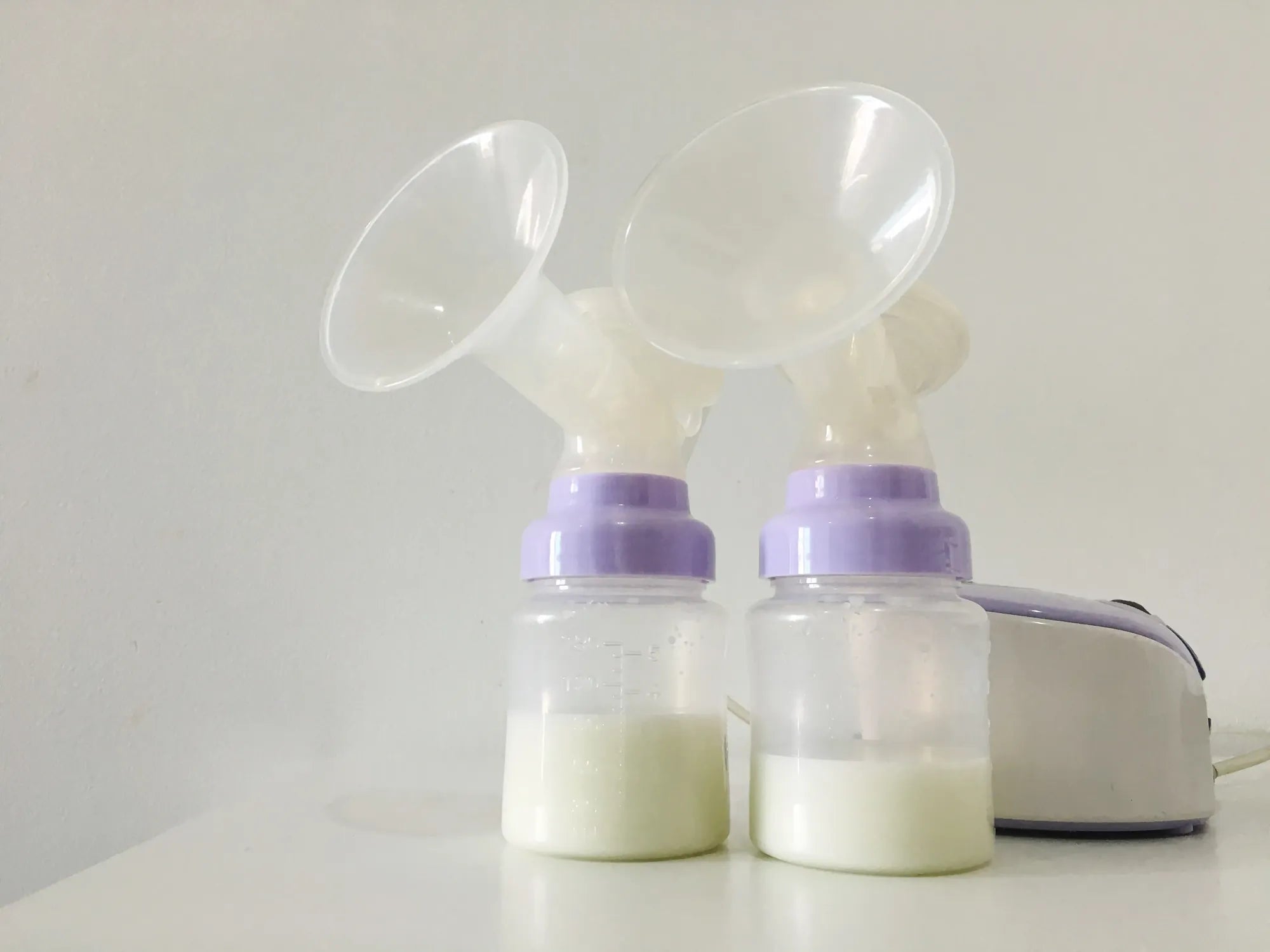
How to Breast Pump Without a Pump: Creative Alternatives for Nursing Moms
Introduction: Empowering Moms with Knowledge and Flexibility
The journey of breastfeeding is filled with beautiful moments and unexpected challenges. While breast pumps are invaluable tools for modern nursing mothers, there are situations when you might find yourself without one—whether traveling light, facing a sudden power outage, or simply wanting to explore more natural expression methods. Knowing how to breast pump without a pump is empowering knowledge that every nursing parent should have in their toolkit.
This comprehensive guide will walk you through time-tested techniques and creative alternatives for expressing milk when a traditional pump isn't available. We'll cover everything from mastering hand expression to understanding safe household alternatives, while also examining why dedicated breast pumps remain the gold standard for regular use. As a trusted maternal and baby care brand, MomMed specializes in providing reliable, comfortable, and innovative products that support moms through every phase of their feeding journey.
Our goal is to equip you with practical knowledge backed by lactation consultant recommendations, ensuring you feel confident and prepared regardless of your circumstances. Whether you're dealing with engorgement, building a freezer stash, or navigating an unexpected situation, having multiple expression methods at your disposal increases your feeding flexibility and reduces stress.
Remember that every mother's body responds differently to various techniques. What works beautifully for one person might require adjustment for another. The key is patience, practice, and paying attention to your body's signals. Let's explore the world of alternative milk expression with safety and efficacy as our guiding principles.
Understanding Hand Expression: The Original "Pump"
Long before electric pumps existed, mothers relied on hand expression to nourish their babies. This fundamental skill remains one of the most valuable techniques in any nursing parent's repertoire. Hand expression involves using your hands to manually compress your breasts and express milk directly into a clean container. It's a technique endorsed by lactation consultants worldwide for its simplicity and effectiveness.
The benefits of hand expression are numerous and significant. First, it's always available—no batteries, cords, or specialized equipment needed. This makes it particularly useful during those early days in the hospital when you're first establishing milk production. Hand expression is also remarkably effective for collecting colostrum, the nutrient-rich first milk that's produced in small, thick droplets that pumps sometimes struggle to extract efficiently.
From a physiological perspective, hand expression offers unique advantages. Your hands can apply gentle, targeted pressure to specific areas of the breast, which is incredibly helpful for relieving engorgement or addressing clogged ducts. Many mothers find they can achieve a more complete emptying of certain breast areas through hand expression than with some pump models, especially when combined with breast massage.
Perhaps most importantly, learning hand expression builds your confidence and connection with your body. You develop a tactile understanding of your milk ducts and how your breasts respond to different types of pressure. This knowledge can actually improve your pumping sessions when you do use a pump, as you'll better understand how to position flanges and what sensations indicate effective milk removal.
The Step-by-Step Guide to Effective Hand Expression
Mastering hand expression requires proper technique. The Marmet Technique, developed by Chele Marmet of the Lactation Institute, is widely considered the gold standard. Begin by washing your hands thoroughly and finding a comfortable, relaxed position. Have a clean container with a wide opening ready—a small bowl or cup works well. Some mothers find applying a warm compress or taking a warm shower beforehand helps stimulate let-down.
Start by placing your thumb on top of your breast and your first two fingers underneath, about 1 to 1.5 inches back from the base of your nipple. Your fingers should form a letter "C" around your breast tissue. Press straight back toward your chest wall, then compress your thumb and fingers together. Finally, roll your fingers forward to express the milk. This three-part motion—press, compress, roll—mimics a baby's tongue action during nursing.
Maintain a steady rhythm, rotating your hand position around the breast to drain different milk ducts. Avoid sliding your fingers along the skin, as this can cause friction and discomfort. Instead, keep your fingers in the same spot while performing the press-compress-roll motion several times before moving to a new section. Many mothers find it helpful to visualize clock positions and work their way around systematically.
To encourage let-down, try looking at a photo or video of your baby, smelling an item of their clothing, or thinking about them. The initial drops may come slowly, but once let-down occurs, milk should flow more steadily. Practice regularly, starting with just 3-5 minutes per breast, even if little milk appears initially. Your skill and output will improve with consistency. Remember that hand expression is both an art and a science—be patient with yourself as you learn.
Creative, At-Home Alternatives for Milk Expression
While hand expression is the primary alternative to pumping, there are other creative methods that can be helpful in specific situations. These approaches should be considered temporary solutions for occasional use rather than replacements for proper equipment. Hygiene must be your top priority with any alternative method—all containers and tools must be thoroughly cleaned and sterilized before use.
It's crucial to understand the difference between expressing milk and creating suction. Many household items that create suction are NOT safe for use on breast tissue. The breast is delicate tissue with multiple milk ducts and blood vessels that can be easily damaged by improper suction. Any method that causes pain, bruising, or discomfort should be stopped immediately.
The following alternatives focus on gentle techniques that encourage milk flow through warmth, massage, and minimal, controlled pressure. They're particularly useful for relieving engorgement when you're uncomfortably full but don't have your pump available, or for collecting small amounts of milk in emergency situations. Always listen to your body and consult with a lactation consultant or healthcare provider if you have concerns about any expression method.
Before attempting any alternative method, ensure you have a clean workspace and sterilized containers. Wash your hands thoroughly with soap and water, and clean your breast area if needed. Having everything prepared before you begin helps maintain hygiene and allows you to focus on the technique rather than scrambling for supplies mid-expression.
The Warm Compress & Massage Method
Combining warmth with gentle massage can be remarkably effective for encouraging milk flow. This method works by increasing blood circulation to the breast tissue and helping to trigger the let-down reflex. Start by applying a warm, moist compress to your breast for 5-10 minutes. You can use a washcloth soaked in warm water (test the temperature on your inner wrist first), or take a warm shower letting the water flow over your breasts.
After warming the breast, begin gentle massage starting from the outer areas and working toward the nipple. Use the flats of your fingers in circular motions, applying light pressure. The goal is to soften the breast tissue and encourage milk to move toward the milk ducts. You're not trying to force milk out at this stage—just preparing the breast for expression.
Once the breast feels softer and you notice some milk beginning to leak or drip, you can transition to hand expression using the Marmet Technique described earlier. The combination of warmth, massage, and hand expression often yields better results than hand expression alone, especially when dealing with engorgement or firmer breast tissue.
For mothers struggling with clogged ducts, this method can be particularly helpful. Apply warmth and massage specifically to the affected area before and during expression. Some mothers find that expressing in a warm shower provides the perfect combination of warmth, relaxation, and easy cleanup. Just position yourself so the milk flows into a clean container rather than down the drain.
Using a Clean Manual Food Pump (for Kitchen Use)
In true emergency situations where you need to relieve significant engorgement and hand expression isn't providing enough relief, some mothers have carefully adapted certain kitchen tools. This approach requires extreme caution and should only be considered as a last resort when no other options exist. The key principle is using tools designed to create gentle suction on liquids, not powerful suction devices.
A brand new, sterilized turkey baster with the bulb removed can sometimes be used very carefully. Place the wide opening over your nipple, ensuring it forms as good a seal as possible without pressing too hard against your breast. Then use your mouth to create very gentle suction on the small end—think of it as drawing liquid through a straw rather than creating powerful vacuum suction. This method works drop by drop and is primarily for relieving pressure rather than collecting substantial milk volumes.
Similarly, a new, sterile oral medicine syringe (without any needle) can be used by placing the open end over the nipple and gently pulling back on the plunger to create minimal suction. Again, this should be done with extreme care—if you feel any pain or pinching, stop immediately. These methods are not efficient for full milk expression but might help in acute engorgement situations when you're waiting for a pump to become available.
Critical safety note: Never use devices not designed for breast tissue, such as manual bike pumps, vacuum cleaners, or bulb syringes meant for other purposes. These can create uncontrolled, dangerous suction levels that may cause tissue damage, bruising, broken blood vessels, and increased mastitis risk. If you find yourself regularly needing alternatives, investing in a manual breast pump is a much safer choice.
Why a Dedicated Breast Pump is Recommended for Regular Use
While alternative methods have their place in specific situations, a dedicated breast pump remains the recommended tool for regular milk expression. Purpose-built pumps are engineered with nursing mothers' physiology in mind, balancing effectiveness with comfort and safety. They're designed to mimic a baby's natural sucking pattern while providing consistent, adjustable suction that respects your breast tissue.
From a hygiene perspective, breast pumps with closed systems prevent milk from entering the tubing and motor, reducing contamination risk. Modern pumps are made with BPA-free, food-grade materials that meet stringent safety standards. When you use household alternatives, maintaining this level of hygiene requires meticulous sterilization that's difficult to achieve consistently.
Comfort is another significant factor. Quality breast pumps like those from MomMed feature soft, flexible breast shields (flanges) in multiple sizes to ensure proper fit. Ill-fitting expression tools—whether improvised or even poorly sized pump parts—can cause nipple pain, tissue damage, and reduced milk output. The ergonomic design of dedicated pumps minimizes hand fatigue compared to prolonged hand expression sessions.
Perhaps most importantly, regular use of a breast pump helps maintain milk supply through consistent, efficient emptying. While skilled hand expression can be effective, most mothers find pumps more efficient for complete expressions, especially when building a freezer stash or exclusively pumping. The psychological benefit of knowing you have reliable equipment also reduces feeding-related stress, which positively impacts milk production.
Efficiency and Time-Saving Comparison
When comparing expression methods, efficiency matters—both in terms of milk output and time investment. While individual experiences vary, research and maternal reports consistently show that electric breast pumps generally extract milk more quickly and completely than hand expression for most mothers, especially during full expressions.
The following table compares key aspects of different expression methods:
| Expression Method | Average Time for Full Expression (Both Breasts) | Typical Output Consistency | Learning Curve | Best Use Case |
|---|---|---|---|---|
| Hand Expression | 30-45 minutes | Varies with skill level; may not fully empty | Moderate to high | Colostrum collection, engorgement relief, occasional use |
| Manual Breast Pump | 20-35 minutes | Good with proper technique | Low to moderate | Travel, occasional pumping, backup option |
| Electric Single Pump | 15-30 minutes | Consistent with proper flange fit | Low | Regular pumping, working moms |
| Electric Double Pump | 10-20 minutes | Most consistent | Low | Exclusive pumping, building stash, working moms |
| Wearable Pump (Like MomMed S21) | 15-25 minutes | Consistent with proper fit | Low | Active lifestyles, discreet pumping, multitasking |
This data illustrates why mothers who pump regularly typically invest in quality electric pumps. The time savings alone can be significant—especially important for working mothers or those with multiple children. Additionally, double pumping (expressing from both breasts simultaneously) increases prolactin levels more than sequential pumping or hand expression, which can help maintain milk supply.
It's worth noting that output isn't just about volume—it's also about fat content. Complete emptying of the breast ensures you're getting both the foremilk and the richer hindmilk. While skilled hand expression can achieve this, pumps with adjustable settings and proper cycling patterns are designed to facilitate this complete emptying more reliably for most users.
Comfort, Safety, and Hygiene: Designed for You and Baby
Dedicated breast pumps are products of decades of research and innovation focused on one goal: safely and comfortably expressing milk while protecting both mother and baby. The engineering considerations are extensive, from the gentle ramp-up of suction that triggers let-down to the materials that contact your skin and milk.
Safety features in quality pumps include automatic shut-off timers to prevent overuse, temperature sensors to avoid overheating, and closed systems that prevent milk backflow into the motor. These features simply don't exist in improvised alternatives. When you use household items, you're assuming all the risk of improper suction levels, contamination, and tissue damage.
Hygiene is another critical advantage. Pump parts designed for breast milk expression are made from materials that can be thoroughly cleaned and sterilized. They have smooth surfaces without cracks or crevices where bacteria can hide. Many are dishwasher safe or come with specialized cleaning tools. Maintaining this level of cleanliness with kitchen tools is challenging—turkey basters, for example, have bulbs that are difficult to dry completely, creating potential breeding grounds for mold and bacteria.
Comfort engineering includes features like soft silicone breast shields, adjustable suction levels, and multiple expression modes. Many pumps, including MomMed's models, offer stimulation modes that mimic a baby's initial quick, light sucks to trigger let-down, followed by expression modes with longer, stronger pulls. This physiological approach is difficult to replicate manually and contributes to more comfortable, effective sessions.
MomMed's Solution: Hands-Free Confidence for Modern Moms
At MomMed, we understand that modern mothers need solutions that fit seamlessly into active, multifaceted lives. Our approach combines hospital-grade performance with innovative design that prioritizes your comfort and freedom. As a brand trusted by thousands of moms across the US and Europe, we're committed to providing reliable products that address real-world feeding challenges.
Our product development is driven by maternal feedback and the latest lactation science. We recognize that while knowing how to breast pump without a pump is valuable knowledge, having the right equipment makes your feeding journey more sustainable and less stressful. That's why we've focused on creating wearable pump technology that offers true hands-free operation without sacrificing performance.
Every MomMed product is crafted with BPA-free, food-grade materials that meet rigorous safety standards. From our breast pumps to our pregnancy test kits and nursing accessories, we maintain consistent quality across our entire range of maternal and baby care essentials. Our award-winning designs have been recognized for their innovation in breastfeeding products, but our true measure of success is the confidence we help build in mothers.
We believe in supporting mothers with accurate information and reliable tools. Whether you're a first-time mom learning the basics or an experienced parent navigating new challenges, our goal is to be your trusted partner. The following sections highlight how our flagship wearable pump addresses common expression challenges while providing unprecedented flexibility.
The Award-Winning MomMed S21 Double Wearable Pump
The MomMed S21 Double Wearable Pump represents the culmination of our commitment to innovation and maternal comfort. This true hands-free, in-bra pump has received industry recognition for its discreet design and powerful performance. Unlike traditional pumps that tether you to a wall outlet or require holding bottles and flanges in place, the S21 fits completely inside your bra, allowing full mobility during expression sessions.
The compact, cordless design features two independent pumping units that can be used simultaneously or individually. Each unit contains its own motor, battery, and milk collection container, eliminating the need for external tubes dangling from your chest to a separate motor. This streamlined approach means you can pump while preparing meals, working at your computer, caring for older children, or even during your commute—all without anyone noticing.
Despite its discreet size, the S21 doesn't compromise on power. It offers hospital-grade suction levels capable of complete milk expression, making it suitable for everything from occasional use to exclusive pumping. The closed system design ensures milk never enters the tubing or motor, maintaining hygiene and making cleanup straightforward. Each component is designed for easy assembly and disassembly, simplifying your already busy routine.
For mothers who have struggled with traditional pumps or who need to pump in various locations, the S21 provides a game-changing solution. It's particularly valuable for working mothers who need to pump during meetings or in shared spaces, for mothers of multiples who need to pump while caring for babies, or for any parent who values discretion and convenience in their feeding journey.
Customizable Comfort for Effective Expression
Effective milk expression requires more than just strong suction—it requires the right pattern and rhythm that mimics your baby's natural feeding. The MomMed S21 features multiple expression modes and adjustable suction levels that let you customize your pumping experience. This personalization is key to achieving comfortable, productive sessions that support your milk supply.
The pump begins with a stimulation mode featuring rapid, gentle cycles designed to trigger your let-down reflex. Once milk flow is established, you can switch to expression mode with slower, deeper suction patterns. Both modes offer multiple intensity levels, allowing you to find the perfect setting that feels effective but never painful. This mimics the natural progression of a feeding session, which research shows can improve milk output and fat content.
Comfort extends to the physical design as well. The S21 comes with multiple flange sizes to ensure proper fit—a crucial factor often overlooked. Ill-fitting flanges can cause nipple pain, reduce milk output, and even damage tissue. Our range of sizes, combined with soft, flexible silicone edges, creates a secure seal without uncomfortable pressure. The angled design helps maintain proper alignment with your milk ducts for more efficient expression.
For mothers who have experienced discomfort with other pumps or who have sensitive nipples, this customizable approach can make pumping a more positive experience. The ability to adjust settings means you can respond to your body's needs day by day—perhaps needing gentler suction during menstrual cycles or different patterns as your baby grows and your milk supply adjusts. This flexibility supports long-term pumping success.
Quiet, Discreet, and Ready for Anything
One of the most common concerns mothers express about pumping is the lack of privacy and the disruptive noise of traditional pumps. The MomMed S21 addresses both issues with whisper-quiet operation and completely concealed design. At less than 45 decibels—quieter than normal conversation—you can pump discreetly in any setting without drawing attention.
This quiet operation has benefits beyond discretion. Many mothers find loud pump motors stressful, which can inhibit let-down. The peaceful operation of the S21 helps create a more relaxed pumping environment, whether you're in a workplace bathroom, a family gathering, or your own living room. You can even pump while your baby sleeps nearby without worrying about waking them.
The discreet design extends to every aspect of the pump. The low-profile units fit comfortably in standard nursing bras without creating obvious bulges or shapes under clothing. The included carrying case looks like a stylish clutch rather than medical equipment, allowing you to transport your pump anywhere without feeling self-conscious. This normalization of pumping equipment supports maternal confidence and makes it easier to maintain your feeding goals regardless of your schedule or location.
Battery life is another key consideration for active mothers. The S21 offers extended pumping time on a single charge, with quick recharge capability. This reliability means you're never caught without a working pump—whether you're out for the day, traveling, or simply forgot to plug in your pump overnight. For mothers who need to pump multiple times away from home, this dependability reduces anxiety and ensures consistent milk removal to protect your supply.
FAQ: Navigating Milk Expression Questions
Q: Is hand expression as effective as pumping for building a freezer stash?
A: While skilled hand expression can be effective for some mothers, most find electric pumping more efficient for building a substantial freezer stash. Pumps typically extract milk more quickly and completely, which is important when you're trying to accumulate ounces for future use. Hand expression is excellent for occasional use, relieving engorgement, or collecting colostrum, but for regular stash-building, a quality pump like the MomMed S21 usually yields better results in less time.
Q: Can I use a manual bike pump or vacuum cleaner as a breast pump in an emergency?
A> Absolutely not. These devices create uncontrolled, dangerous suction levels that can cause significant tissue damage, pain, bruising, and increased risk of mastitis. The breast is delicate tissue not designed for such intense suction. If you find yourself without a pump and needing relief, stick to hand expression or gentle massage in a warm shower. Investing in an affordable manual breast pump is far safer than improvising with non-medical devices.
Q: How do I store milk expressed using hand expression or alternative methods?
A> The same storage guidelines apply regardless of expression method. Use a clean, food-grade container with a tight seal. Label with the date and time of expression. Refrigerate immediately (within 4 hours if room temperature is below 77°F/25°C) or freeze if not using within 4 days. Follow CDC or USDA guidelines for specific storage times. When using alternative methods, pay extra attention to hygiene during collection to ensure milk safety.
Q: Will using alternative methods affect my milk supply?
A> Temporary use of alternative methods shouldn't significantly impact supply if you're still removing milk regularly. However, if hand expression or other alternatives don't fully empty your breasts consistently, you might see a gradual supply decrease over time. For maintaining optimal supply, most lactation consultants recommend using a quality pump that ensures complete emptying. If you must use alternatives regularly, monitor your output and baby's weight gain, and consider renting a hospital-grade pump if cost is a barrier.
Q: How can I increase my hand expression output?
A> Practice is key—your skill will improve with time. Ensure you're using proper technique (Marmet method), applying warmth before expressing, and creating a relaxed environment. Look at photos/videos of your baby, smell their clothing, or think about them to trigger let-down. Express frequently (every 2-3 hours if trying to maintain supply) and consider hand expressing after pumping to ensure complete emptying. Some mothers find expressing in a warm shower particularly effective as the warmth and relaxation combine to encourage milk flow.
Q: Are wearable pumps like MomMed's as effective as traditional electric pumps?
A> Modern wearable pumps like the MomMed S21 can be just as effective as traditional pumps when used correctly with proper flange fit. The key differences are convenience and discretion rather than effectiveness. Some mothers may need to experiment with positioning to ensure optimal alignment with their milk ducts. For most users, wearable pumps provide comparable output with the added benefit of hands-free operation. However, if you have specific supply concerns or medical complications, consult with a lactation professional about the best pump type for your situation.
Conclusion: Having a Plan for Every Scenario
Mastering multiple milk expression methods gives you invaluable flexibility and confidence throughout your breastfeeding journey. Knowing how to breast pump without a pump through hand expression and understanding safe alternatives prepares you for unexpected situations while deepening your connection with your body's capabilities. These skills are particularly valuable during early postpartum days, travel, or emergencies when your regular pump might not be accessible.
However, for sustainable, efficient milk expression that supports long-term feeding goals, a quality breast pump designed specifically for maternal use remains the optimal choice. The comfort, hygiene, and time-saving benefits of purpose-built pumps like MomMed's wearable models make them worthwhile investments for any nursing mother. They transform pumping from a chore into an integrated part of your daily life, protecting your milk supply while giving you freedom and discretion.
Every mother's journey is unique, and the "right" expression method is the one that works consistently for your body, lifestyle, and feeding goals. Whether you choose hand expression for occasional use, a wearable pump for active days, or a combination of methods, what matters most is that you feel supported and confident in your choices. Regular, comfortable milk removal is the foundation of maintaining supply and meeting your baby's needs.
At MomMed, we're honored to support mothers through every phase of their journey with innovative, reliable products designed with your real needs in mind. From our award-winning S21 Wearable Pump to our complete range of breastfeeding and baby care essentials, we're committed to providing solutions that empower your feeding choices. Shop the MomMed collection at mommed.com for all your breastfeeding and pregnancy needs—because every mother deserves tools that work as hard as she does.