


Home
Pregnancy, Breastfeeding, and Pumping: The Ultimate Guide for Moms
How Much Breast Pump Cost: A Comprehensive Guide for New Parents
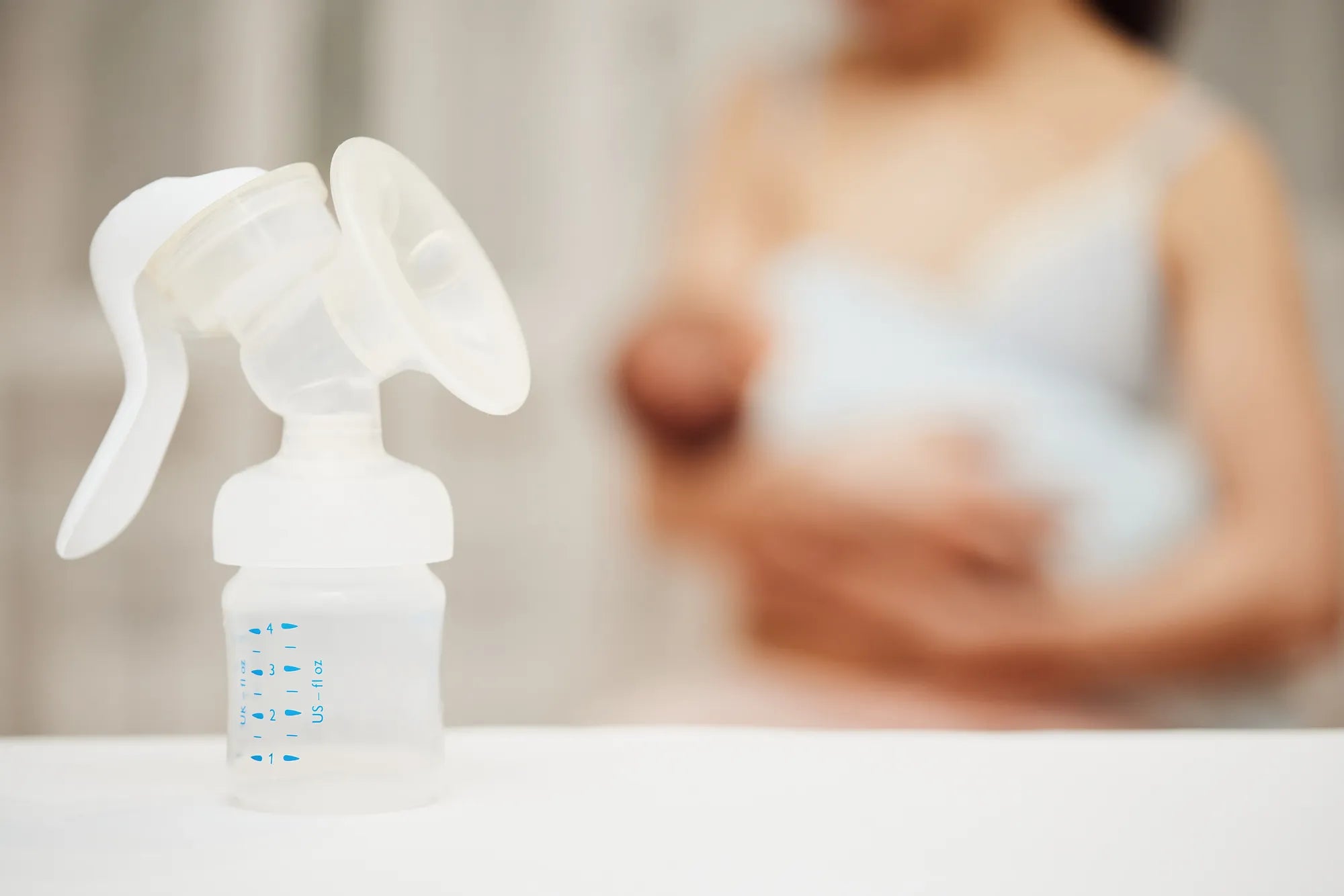
How Much Breast Pump Cost: A Comprehensive Guide for New Parents
Understanding how much breast pump cost is a crucial first step for new parents planning their feeding journey. While breastfeeding itself is free, expressing milk often requires a significant investment in equipment. This comprehensive guide will provide transparent pricing for every type of pump, from basic manuals to advanced wearables, and detail the often-overlooked additional costs. You'll learn how to navigate insurance coverage, compare long-term value, and make a financially smart choice that supports your comfort and feeding goals without unnecessary stress.
Navigating the Investment in Your Breastfeeding Journey
For many new parents, the question of how much breast pump cost arises alongside other major baby preparations. It's an investment not just in a product, but in your feeding flexibility, your return to work, and your physical comfort. The initial price tag can be surprising, but understanding the full financial picture is key.
Breast pumps range from simple, affordable manual devices to sophisticated, hands-free wearable systems. The right choice depends heavily on your anticipated pumping frequency, lifestyle, and budget. A parent who plans to pump occasionally may have very different needs from one returning to a full-time office job.
This guide aims to demystify the costs entirely. We will explore every category, explain what drives price differences, and provide actionable strategies to manage expenses. Knowledge empowers you to allocate your baby budget effectively, ensuring you get the features you need without overspending on unnecessary extras.
Remember, the cost of a pump is more than its retail price. It includes replacement parts, accessories, and the potential cost of your time and convenience. By the end of this guide, you'll be equipped to answer not just how much breast pump cost, but which pump offers the best value for your unique situation.
Understanding the Different Types of Breast Pumps and Their Price Ranges
The first step in budgeting is understanding what you're buying. Breast pumps are categorized by their power source and design, with each type serving different needs and commanding a distinct price point. Knowing these categories helps you narrow your search effectively.
Manual Breast Pumps are operated by hand, offering a low-cost, portable option. They are ideal for occasional use, relieving engorgement, or as a backup. Prices typically range from $30 to $50. While economical, they require more physical effort and are less efficient for regular, full pumping sessions.
Single Electric Breast Pumps use a motor to express milk from one breast at a time. They offer more power and consistency than manual pumps. These are a mid-range option, usually costing between $80 and $200. They are suitable for parents who pump infrequently but want more efficiency than a manual pump provides.
Double Electric Breast Pumps are the standard workhorse for exclusive pumpers or parents returning to work. They express from both breasts simultaneously, cutting pumping time in half. This category has a wide range, from basic models at $150 to advanced, feature-rich systems over $300. Most insurance-provided pumps fall into this category.
Hospital-Grade Rental Pumps are powerful, multi-user devices designed for establishing milk supply, often used in the early postpartum days or for mothers of preemies. You don't buy these; you rent them monthly, with costs averaging $50 to $100 per month, plus a kit of personal parts.
The Rise of Wearable Pumps: Convenience at a Premium
Wearable breast pumps represent a significant innovation, offering cord-free, discreet pumping directly into collection cups that fit inside your bra. This convenience and freedom come at a higher price point, typically ranging from $200 to $500+ for a double wearable system.
The cost is driven by advanced miniaturized motor technology, battery life, and the engineering required to create effective suction in a small, silent unit. For active, on-the-go parents, the ability to pump while commuting, working, or caring for other children can be invaluable. It's an investment in time and mental well-being.
Brands like MomMed have pioneered in this space, offering award-winning options like the MomMed S21 Double Wearable Breast Pump. This model exemplifies the value proposition, combining hospital-grade suction levels with ultra-quiet, cordless design. It allows moms to maintain their mobility and routine without sacrificing pumping efficiency, which for many justifies the premium.
When considering how much breast pump cost for a wearable, evaluate it not just as a pump, but as a tool for lifestyle integration. The higher initial investment can often offset the potential cost of lost milk supply or the inconvenience of being tethered to a wall outlet during critical hours.
Breaking Down the Cost: More Than Just the Pump Unit
The sticker price of the pump motor is only part of the story. To calculate the true total cost of pumping, you must factor in essential replacement parts and accessories. These are recurring expenses necessary for hygiene, efficiency, and comfort.
Replacement Parts are non-negotiable. Flanges (shields), valves, duckbills, backflow protectors, and tubing wear out and must be replaced regularly to maintain suction and prevent mold growth. A standard set of replacement parts costs between $20 and $40 and may be needed every 1-3 months, depending on use.
Storage Solutions add up quickly. You'll need breast milk storage bags or bottles. High-quality storage bags cost about $0.25 to $0.50 per bag. If you build a freezer stash, this becomes a ongoing line item in your budget.
Pumping Bras are a critical accessory for hands-free pumping, especially with double electric pumps. A good pumping bra costs between $30 and $60. It's a one-time purchase that significantly improves the pumping experience and efficiency.
Cleaning Supplies include bottle brushes, microwave steam bags, or dedicated dish soap. Budget around $20-$30 initially for a cleaning station setup. Sterilization is crucial for baby safety, so this isn't an area to skip.
Additional Accessories might include a cooler bag for transport ($20-$50), extra sets of bottles ($15-$30), or a car adapter ($15-$25). For wearable pumps, consider the cost of replacement internal batteries or additional collection cups over time.
How to Get a Breast Pump Through Insurance (USA-Focused)
In the United States, the Affordable Care Act mandates that most health insurance plans cover the cost of a breast pump. This is a significant benefit that can reduce your out-of-pocket expense to zero. However, the process and what's "covered" require navigation.
Step 1: Contact Your Insurance Provider. Call the member services number on your insurance card. Ask specific questions: "Does my plan cover a breast pump?" "Is it fully covered or is there a copay?" "Do you have a list of approved durable medical equipment (DME) providers I must use?" "What documentation (e.g., a prescription) is required?"
Step 2: Work with an Authorized DME Provider. Your insurance company will direct you to specific retailers or websites like Aeroflow Breastpumps, Edgepark, or Byram Healthcare. These providers handle the insurance paperwork and ship you the pump. They typically offer a curated selection of pumps that are fully covered by your plan.
Step 3: Understand What "Fully Covered" Usually Means. Most often, insurance fully covers a basic, double electric pump. Popular models like the Spectra S1/S2 or Medela Pump in Style are commonly offered. If you desire an upgrade—such as a more portable model, a pump with a built-in battery, or a wearable pump—you will likely pay an upgrade fee or copay. This fee can range from $50 to $200+ over the insurance allowance.
Step 4: Timing and Receiving Your Pump. Most plans allow you to order your pump up to 30 days before your due date, but it will not ship until after the baby is born or closer to your due date. Some plans may require the pump to be ordered postpartum. Clarify this timeline to ensure you have your pump when you need it.
Comparing Value: Hospital-Grade vs. Personal Electric vs. Wearable Pumps
To truly assess how much breast pump cost represents value, a direct comparison of the three primary categories for regular use is essential. The table below breaks down key factors to consider.
| Feature | Hospital-Grade Rental | Personal Double Electric | Wearable Pump (e.g., MomMed S21) |
|---|---|---|---|
| Typical Cost | $50 - $100/month | $150 - $300+ (or $0 via insurance) | $200 - $500+ |
| Best For | Establishing supply, low milk production, preemie/NICU moms, short-term use. | Primary pump for exclusive pumping or returning to work. Daily, long-term use. | Active, on-the-go parents, discreet pumping at work, multitasking, supplementing a primary pump. |
| Portability & Discretion | Low. Large, stationary unit. | Medium. Often includes a tote, but requires outlet access. | High. Cordless, fits in bra, ultra-quiet operation. |
| Power & Efficiency | Very High. Designed for maximum output. | High. Effective for most users when parts are maintained. | Variable (High in top models). Modern wearables like the MomMed S21 offer hospital-grade suction modes for efficient expression. |
| Long-Term Value | Cost-prohibitive for long-term use. Excellent short-term clinical tool. | High if it meets all your needs. The workhorse standard. | High for lifestyle integration. The convenience factor can support consistent pumping, protecting milk supply. |
This comparison shows that value is subjective. A hospital-grade rental is priceless for specific medical needs but expensive over months. A personal double electric offers the best balance of power and cost for many. A high-quality wearable pump's value is in its ability to fit pumping into a busy life, which can be worth the premium for preventing a drop in supply.
Smart Shopping Tips: Maximizing Your Budget
With a clear understanding of costs, you can shop strategically. These tips will help you secure the best pump for your needs while respecting your budget.
1. Always Use Insurance First. Even if you plan to buy a different pump, start by claiming your insurance-covered pump. You can use it as a backup, keep it at a second location (like work), or donate it. Never leave this benefit on the table.
2. Time Major Sales. Retailers often discount breast pumps during major sales events like Amazon Prime Day, Black Friday, Cyber Monday, and Mother's Day. Setting a price alert can help you snag a premium model at a better price.
3. Consider "Gently Used" with Extreme Caution. The FDA recommends against sharing multi-user pumps due to contamination risks. However, a closed-system pump (where milk cannot backflow into the motor) can be considered if you buy brand new, never-shared personal parts (flanges, tubing, valves, bottles). The motor itself is often durable. This approach requires thorough research and hygiene diligence.
4. Look for Retailer Discounts and Bundles. Some retailers offer completion discounts on baby registries that can be applied to pumps. Also, look for bundles that include extra bottles, storage bags, or a pumping bra, as these can offer better overall value than buying items separately.
5. Invest in Quality from the Start. If you know you'll be pumping frequently, buying a robust, comfortable pump from a reputable brand like MomMed can prevent the need to upgrade later. A pump that causes pain or is inefficient can harm supply, leading to formula costs that far exceed a pump upgrade. Their BPA-free, food-grade silicone parts are a critical investment in your baby's safety and your comfort.
Frequently Asked Questions (FAQ) on Breast Pump Costs
Q1: Does insurance cover wearable breast pumps?
A: It depends on your specific plan. Most insurance plans cover a standard double electric pump at 100%. Wearable pumps are often considered an upgrade. You will likely receive a set allowance (e.g., $200) and pay the difference out-of-pocket. Always check with your insurance and their authorized DME provider for upgrade options and prices.
Q2: Are expensive breast pumps always better?
A: Not necessarily. "Better" is defined by your individual needs. A $300 pump is not better for an occasional pumper than a $50 manual pump. However, for a full-time working parent, features like double pumping, adjustable settings, portability, and comfort are worth the investment. The key is matching the pump's capabilities to your expected usage.
Q3: How often do I need to replace pump parts, and how much does that cost?
A: Replacement schedules vary: Duckbill valves and backflow protectors every 4-8 weeks; flanges every 6-12 months if damaged or for size changes; tubing when moisture is visible or suction drops. A full monthly replacement set for a double electric pump typically costs $25-$40. Regular replacement is non-negotiable for maintaining suction and hygiene.
Q4: Is it worth renting a hospital-grade pump?
A: It can be, for specific situations: if you're struggling with low milk supply in the early weeks, if your baby is in the NICU and you need to establish a robust supply, or if your personal pump breaks and you need a powerful temporary replacement. For long-term, daily use, purchasing a high-quality personal pump is almost always more cost-effective.
Q5: Can I use HSA/FSA funds to buy a breast pump?
A> Yes. Breast pumps and related accessories (storage bags, pumping bras, replacement parts) are qualified medical expenses eligible for reimbursement through Health Savings Accounts (HSA) and Flexible Spending Accounts (FSA). This includes any out-of-pocket costs you incur when upgrading your pump through insurance.
Investing in Your Comfort and Feeding Goals
The final calculation of how much breast pump cost is deeply personal. It's not just about the price tag, but the value it brings to your daily life and your ability to meet your breastfeeding or chestfeeding goals. The right pump is an investment in your physical comfort, your mental peace, and your baby's nutrition.
View this purchase through the lens of long-term support. A pump that is efficient, comfortable, and fits your lifestyle can help you maintain your milk supply longer, making it a financially sound choice when compared to the ongoing cost of formula. It's a tool for empowerment, giving you control over your time and your body.
Prioritize products designed with mom's well-being in mind. Brands committed to innovation, like MomMed, focus on creating pumps that are not only powerful but also discreet, quiet, and made from safe, BPA-free materials. This thoughtful design translates directly into a more positive and sustainable pumping experience.
As you make your decision, balance the initial investment against the projected months of use and the intangible benefit of convenience. You deserve a solution that supports you without adding stress. Whether through insurance, smart shopping, or allocating savings, securing the right pump is a foundational step in your parenting journey. Shop the MomMed collection at mommed.com for all your breastfeeding and pregnancy needs, and discover award-winning, comfortable pumps designed for the modern, multitasking parent.