


Home
Pregnancy, Breastfeeding, and Pumping: The Ultimate Guide for Moms
How Long Can Breast Milk Stay Out After Pumping: Essential Guidelines for Every Parent
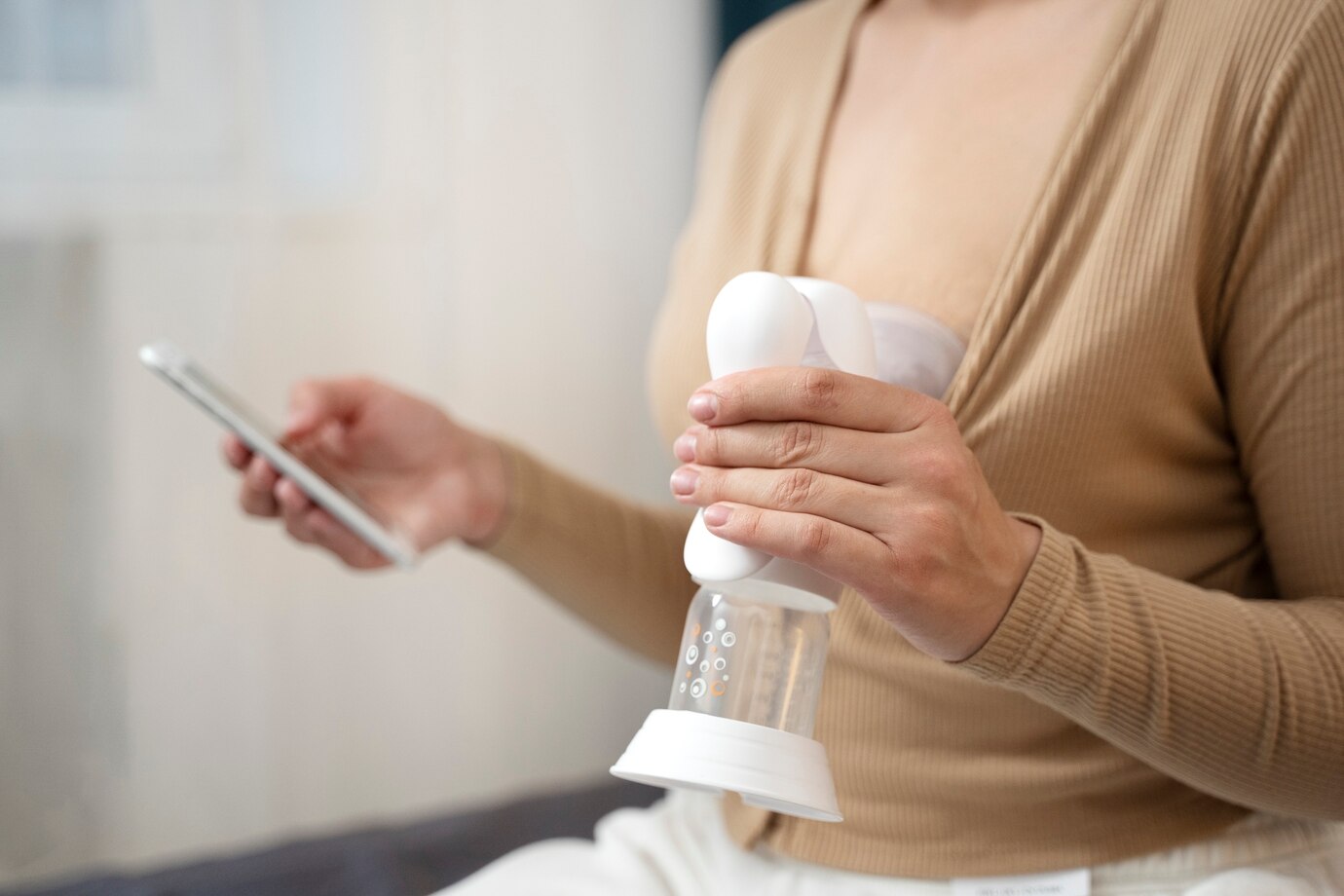
How Long Can Breast Milk Stay Out After Pumping: Essential Guidelines for Every Parent
Introduction to Breast Milk Storage Safety
For pumping parents, every drop of expressed breast milk represents time, effort, and precious nutrition. Knowing how long can breast milk stay out after pumping is not just a matter of convenience—it's a critical component of infant health and food safety. The guidelines established by leading health authorities are rooted in rigorous science aimed at preventing bacterial growth while preserving the unique immunological and nutritional properties of your milk. This article will deliver the essential, non-negotiable timelines and equip you with the knowledge to handle your milk with confidence from the moment it leaves your breast to the moment it feeds your baby.
Navigating the rules can feel overwhelming, but clarity brings peace of mind. We will break down the storage ladder from counter to freezer, explain the factors that influence safety, and address common pitfalls. By the end, you'll have a masterful understanding of breast milk storage, empowering you to make informed decisions that protect your baby's wellbeing. Let's start with the most immediate concern: the clock starts ticking as soon as you finish pumping.
Understanding the "Room Temperature" Rule: A Critical Window
The cornerstone of breast milk storage begins with the room temperature rule. According to the Centers for Disease Control and Prevention (CDC) and the American Academy of Pediatrics (AAP), freshly expressed or pumped breast milk can safely remain at room temperature for up to 4 hours. This guideline assumes a room temperature of up to 77°F (25°C). This window is considered safe because freshly expressed milk has inherent antibacterial properties that temporarily inhibit bacterial proliferation.
This 4-hour rule is for milk that is intended to be fed soon. It's ideal for when you pump and know your baby will eat within the next few hours, eliminating the need for immediate chilling. However, this is a maximum guideline for optimal conditions. If you are able to refrigerate milk sooner, it is always the best practice to do so. The key is to plan ahead and know your baby's feeding schedule to utilize this window effectively without pushing its limits.
Factors That Can Shorten Safe Time at Room Temperature
Environmental conditions significantly impact the how long can breast milk stay out after pumping safely. The 4-hour guideline is not universal; it's a benchmark for a cool, clean environment. In a warmer room, especially above 77°F (25°C), the safe storage time drops dramatically. In temperatures of 90°F (32°C) or higher, breast milk should not be left out for more than 1 hour.
High humidity can also accelerate bacterial growth. Furthermore, the initial bacterial load in the milk matters. Milk expressed with meticulously cleaned pump parts into a sterile container will have a longer safe window than milk expressed in a less-than-ideal environment. Always pump with clean hands and sanitized equipment to give your milk the best starting point. During summer months or in hot climates, err on the side of caution and refrigerate milk within 1-2 hours, or use a cooler bag with ice packs if you're on the go.
From Pumping to Fridge or Freezer: The Storage Ladder
Proper storage is a hierarchy designed to maximize shelf life and safety. The fundamental principle is the "first in, first out" method: use the oldest stored milk first. Your primary options form a clear ladder: use at room temperature within 4 hours, refrigerate for short-term storage, or freeze for long-term preservation. The decision depends on your feeding plans and freezer space.
Always store milk in clean, food-grade containers—either hard-sided plastic or glass bottles with tight-fitting lids, or specially designed breast milk storage bags. Avoid using ordinary plastic bags or bottles not intended for food storage. Label every container with the date and time of expression, and if you're feeding a daycare, include your baby's name. This simple habit prevents waste and ensures you're always using the safest, freshest milk available.
Refrigerator Storage Guidelines
For milk you plan to use within days, the refrigerator is your best ally. Freshly pumped breast milk can be stored in the back of the refrigerator, where the temperature is coldest and most consistent (at or below 40°F or 4°C), for up to 4 days. It is perfectly safe and recommended to place warm, freshly pumped milk directly into the fridge; you do not need to cool it on the counter first.
To maintain quality, store milk in the main body of the fridge, not in the door where temperatures fluctuate with frequent opening. If you are combining milk from different pumping sessions, cool the new milk in the refrigerator for about an hour before adding it to an already cooled container. This prevents warming the older milk, which could encourage bacterial growth. Always place the container in the coldest part of the refrigerator to ensure it chills quickly and uniformly.
Freezer Storage Guidelines
Freezing is ideal for building a stash. Storage duration depends on your freezer type. In a standard freezer compartment located inside a refrigerator (typically with a separate door), breast milk is best used within 6 months. In a deep freezer (standalone unit that maintains 0°F or -18°C consistently), milk can be stored for 12 months for optimal quality.
When freezing, use containers designed for freezing, such as sturdy breast milk storage bags or hard-sided containers. Leave about an inch of space at the top of bags or containers to allow for expansion as the milk freezes. Lay bags flat to freeze; this creates thin, brick-shaped packages that thaw quickly and stack efficiently. Remember, while freezing preserves safety for a long time, it can gradually diminish some of the live immune factors in the milk. Therefore, use the frozen stash within the recommended timeframes for the best nutritional benefit.
Thawing and Using Stored Breast Milk: Best Practices
Thawing requires as much care as storage. The safest method is to thaw frozen breast milk overnight in the refrigerator. You can also thaw it by placing the sealed container in a bowl of warm water or under warm (not hot) running water. Never thaw breast milk at room temperature or in hot water, as this can create hotspots that damage nutrients and allow bacteria to multiply in the outer layers while the center is still frozen.
A critical question arises: how long can thawed breast milk stay out? The answer is strict. Once frozen breast milk is fully thawed in the refrigerator, it can remain there for up to 24 hours. However, once you have taken that thawed milk out and warmed it for a feeding, or if you thaw it using warm water, it must be used within 2 hours. Do not refreeze thawed breast milk.
Handling Leftovers from a Feeding
Once your baby drinks from a bottle of breast milk, the clock starts anew due to the introduction of bacteria from the baby's mouth. A bottle that your baby has partially consumed should be used within 2 hours of the start of that feeding. If the baby does not finish it, it is generally recommended to discard the leftover milk after that time. Do not save it for a later feeding.
To minimize waste, start with smaller amounts, especially with a newborn, and add more if your baby is still hungry. Observing your baby's feeding patterns will help you prepare the right quantity. This practice ensures your baby gets fresh milk at every feed and you avoid the heartache of pouring precious liquid gold down the drain.
The MomMed Advantage: Supporting Your Feeding Journey
Safe milk handling begins with a comfortable, efficient, and hygienic pumping experience. MomMed, a trusted maternal and baby care brand, designs its products with the holistic journey of the pumping parent in mind. From the initial expression to the final storage, having reliable gear that you trust is paramount. MomMed specializes in wearable breast pumps, pregnancy test kits, feeding gear, and baby care essentials, all created to support moms and moms-to-be with innovative, comfortable solutions.
Knowing how long can breast milk stay out after pumping is one thing; having a routine that makes adhering to guidelines effortless is another. The right equipment integrates seamlessly into your life, reducing stress and allowing you to focus on what matters—nourishing your baby.
Pumping with Confidence and Hygiene
The foundation of safe milk is a clean pump. All MomMed breast pumps, including the popular S21 Double Wearable and S12 Single Wearable models, feature BPA-free, food-grade silicone and plastic parts that are easy to disassemble, clean, and sterilize. This material safety is non-negotiable, ensuring no harmful chemicals leach into your milk. A simple, effective cleaning routine post-pumping is the first step in guaranteeing your milk's safety from the very start.
Furthermore, a pump that effectively empties the breast supports healthy milk supply and reduces the risk of issues like engorgement or mastitis, which can impact milk quality. MomMed pumps are designed with adjustable suction and cycle settings to mimic a baby's natural nursing pattern, promoting efficient let-down and complete expression, which is the first critical step in the storage pipeline.
Design for the Real World
The practical reality of pumping often means doing it wherever you can find a moment. The wearable, hands-free design of MomMed pumps like the award-winning S21 allows you to pump discreetly and go about some tasks. This design can actually support safer storage practices. If you're pumping in a room away from the kitchen, you might be more likely to leave the milk out for a period.
However, with a wearable pump, you can move to the kitchen to pump, or immediately transfer the milk collection cups to the refrigerator without a complex disassembly process. The ultra-quiet motors mean you can pump in the kitchen while preparing a bottle or cleaning parts, keeping you in the zone of milk handling and making immediate refrigeration a simpler, more integrated part of your routine. This reduces the chance of milk being left out inadvertently past the safe window.
Visual Guide: Breast Milk Storage Times at a Glance
This table summarizes the essential guidelines from major health authorities. Use it as a quick reference, but always adhere to the most conservative guideline if you are unsure about conditions.
| Storage Location | Temperature | Duration for Fresh Milk | Key Notes |
|---|---|---|---|
| Room Temperature | Up to 77°F (25°C) | Up to 4 hours | Ideal for immediate use. Shorter in warmer temps. |
| Room Temperature | Above 90°F (32°C) | Up to 1 hour | Refrigerate or cool immediately in hot climates. |
| Refrigerator | 40°F (4°C) or below | Up to 4 days | Store in back, not in door. Label with date/time. |
| Freezer (compartment inside fridge) | Varies, typically 0°F (-18°C) | 6 months (optimal) | Use airtight bags/containers. Leave space for expansion. |
| Deep Freezer (standalone) | 0°F (-18°C) or below | 12 months (optimal) | Best for long-term storage. Maintains quality longest. |
| Thawed, in Refrigerator | 40°F (4°C) or below | 24 hours | Once fully thawed in fridge. Do not refreeze. |
| After Feeding (Leftovers) | Room Temperature | Use within 2 hours | Discard after due to bacteria from baby's mouth. |
Frequently Asked Questions on Breast Milk Storage
Q1: Can I put freshly pumped warm milk directly in the fridge?
A: Absolutely. This is the recommended practice. There is no need to let it cool on the counter first. Placing it directly in the fridge helps it cool faster, limiting any potential bacterial growth.
Q2: How can I tell if breast milk has gone bad?
A: The most reliable test is your nose and taste (a small sip). Spoiled breast milk often has a distinct sour or rancid smell and taste. Visual cues are less reliable; it's normal for breast milk to separate into a fatty layer and a watery layer when stored. Simply swirl it gently to mix. Do not shake vigorously, as this can break down some proteins.
Q3: Can I combine milk from different pumping sessions?
A: Yes, but with a crucial step. Cool the newly pumped milk in the refrigerator for about an hour first. Then, you can add it to a container of already cooled or frozen milk from the same day. Adding warm milk to cold milk can raise the temperature of the stored batch, promoting bacterial growth.
Q4: Why are these storage guidelines so strict? Aren't they overly cautious?
A: The guidelines are based on food safety science to protect vulnerable infants from foodborne illness. A baby's immune system is still developing. While breast milk has protective properties, improper storage can allow harmful bacteria like Staphylococcus or E. coli to multiply to dangerous levels. The guidelines balance safety with practicality to preserve both the safety and the nutritional/immune benefits of your milk.
Q5: What if I accidentally left milk out just past the 4-hour mark?
A: The guidelines have built-in safety margins, but they are not arbitrary. If the room was cool and the milk was covered, an extra 30 minutes might not pose a significant risk. However, if you are unsure, the safest choice is to discard it. When in doubt, throw it out. Your baby's health is not worth the risk.
Conclusion: Empowerment Through Knowledge and the Right Tools
Mastering the guidelines for how long can breast milk stay out after pumping transforms pumping from a task filled with anxiety to one of confident provision. This knowledge empowers you to safely manage your liquid gold, ensuring every bottle delivers optimal nutrition and protection. Remember, these rules are your toolkit for health, designed to work in tandem with your instincts and routine.
Pair this essential knowledge with equipment that supports your success. A reliable, comfortable, and hygienic pump like those from MomMed can make adhering to these safety protocols a seamless part of your day. You are doing incredible work. Trust the science, trust the guidelines, and trust yourself. For innovative, mom-designed products that support every step of your feeding and parenting journey, shop the MomMed collection at mommed.com for all your breastfeeding and pregnancy needs.