


Home
Pregnancy, Breastfeeding, and Pumping: The Ultimate Guide for Moms
How Long After Drinking Alcohol Can You Pump Breast Milk: A Complete Guide
How Long After Drinking Alcohol Can You Pump Breast Milk: A Complete Guide
If you're a breastfeeding mother wondering, 'How long after drinking alcohol can you pump breast milk?' you're not alone. This is one of the most common questions for moms seeking a balance between personal life and infant care. The good news is that the old advice of 'pump and dump' is largely outdated. Modern research and leading health organizations provide clear, practical guidance. This article will give you the facts, timelines, and strategies you need to enjoy an occasional drink responsibly while protecting your milk supply and your baby's well-being.
Understanding How Alcohol Enters and Leaves Breast Milk
Alcohol passes into your breast milk through your bloodstream. It is not stored or 'trapped' in the milk; instead, it enters and exits via passive diffusion. The concentration of alcohol in your breast milk is nearly identical to the concentration in your blood, known as your Blood Alcohol Concentration (BAC).
When you drink, alcohol enters your stomach and small intestine, is absorbed into your bloodstream, and then circulates throughout your body, including to your mammary glands. As your liver metabolizes the alcohol and your BAC decreases, the alcohol level in your milk decreases at a parallel rate.
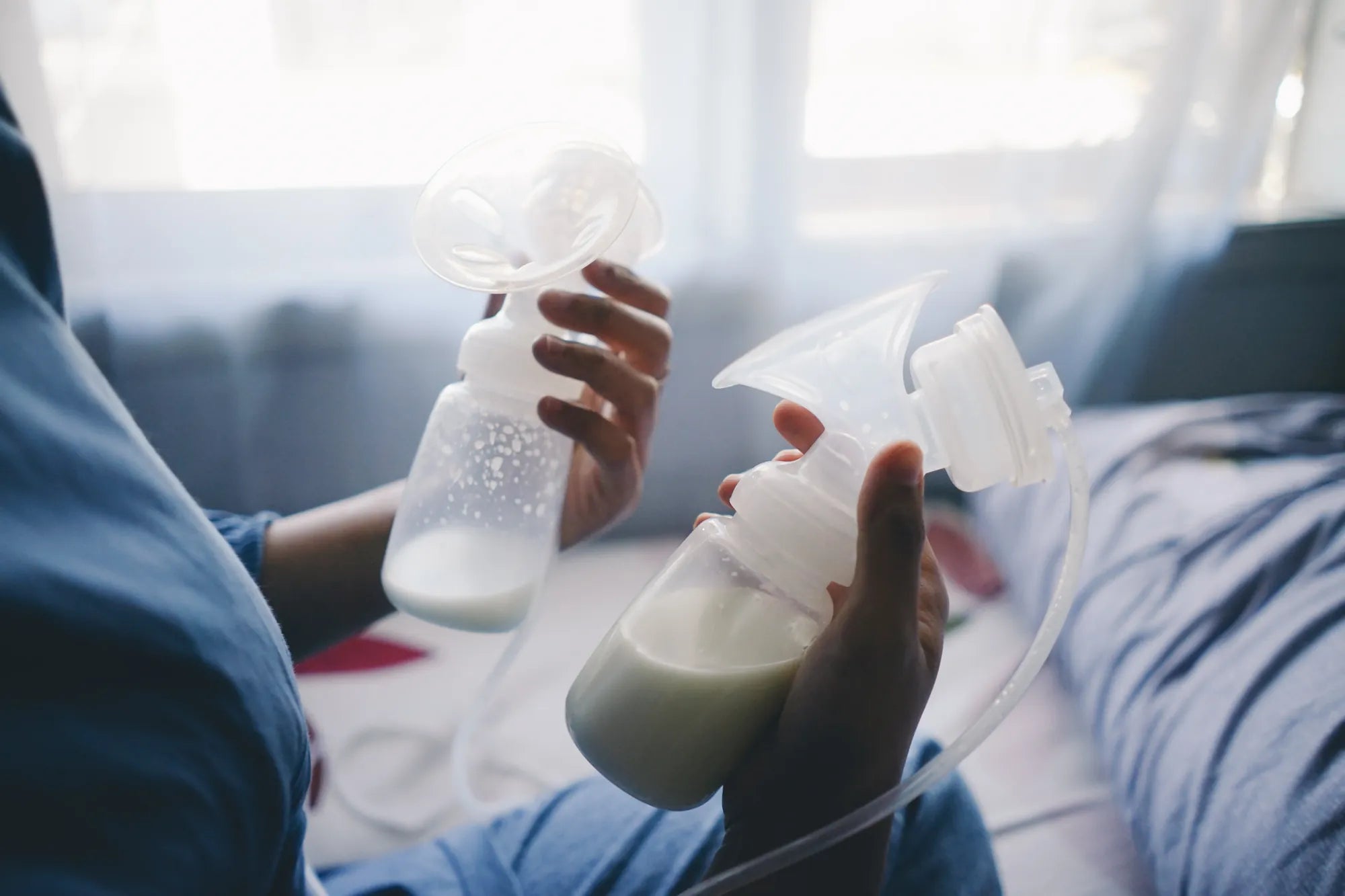
This is the most critical concept to understand: pumping and dumping does not speed up the removal of alcohol from your milk. Only time allows your body to metabolize the alcohol. Pumping is useful for maintaining your milk supply and comfort, but the milk expressed while alcohol is in your system will contain alcohol.
The rate at which your body processes alcohol depends on several factors, including your body weight, the amount of food in your stomach, your metabolism, and the number of drinks consumed. On average, the body metabolizes about one standard drink per hour.
The Evidence-Based Timing Guideline: When Is Milk Safe Again?
So, how long after drinking alcohol can you pump breast milk for safe feeding? Organizations like the American Academy of Pediatrics (AAP) and the Centers for Disease Control and Prevention (CDC) agree on a general rule. It is considered safe to nurse or feed your baby expressed milk when your BAC has returned to zero.
For a single standard drink, this typically takes an average adult woman about 2 to 3 hours. This waiting period allows your body enough time to fully metabolize the alcohol. The key is planning ahead. If you know you'll be having a drink, you can pump milk beforehand to have a safe bottle ready for your baby.
It is crucial to understand that this is a per-drink guideline. If you consume more than one drink, the waiting time increases. The following table provides a general estimate based on the number of standard drinks. Remember, these are averages and can vary based on individual factors.
| Number of Standard Drinks | Estimated Wait Time Before Nursing/Pumping for Feeding |
|---|---|
| 1 drink | 2-3 hours |
| 2 drinks | 4-5 hours |
| 3 drinks | 6-8 hours or more |
The safest approach is always to plan. Having a reliable, efficient breast pump like the MomMed S21 Wearable Pump makes it easy to express and store alcohol-free milk before you have a drink, ensuring your baby's next feeding is always ready.
What Exactly Is a "Standard Drink"?
Miscalculating a 'drink' is a common pitfall. A standard drink contains about 14 grams (0.6 ounces) of pure alcohol. This translates to:
- 12 ounces of regular beer (about 5% alcohol)
- 5 ounces of wine (about 12% alcohol)
- 1.5 ounces of distilled spirits or liquor (about 40% alcohol)
Many cocktails, craft beers, and large wine pours contain significantly more alcohol than one standard drink. A single large cocktail or a strong IPA might equal two or more standard drinks, which would double or triple your necessary wait time.
Practical Pumping Strategies for Different Scenarios
With a clear understanding of the timing, you can implement smart pumping strategies. These plans help you maintain your supply, avoid discomfort, and always have safe milk available.
Strategy 1: The Pre-Drink Pump
This is the most straightforward and recommended strategy. Right before you plan to have your drink, nurse your baby or pump a feeding session. This ensures your breasts are emptied of alcohol-free milk, which you can bottle and store for your baby's next feed. It also maximizes the time interval before your next required feeding or pumping session.
Strategy 2: Pumping for Comfort Only
If you feel engorged or uncomfortable while waiting for the alcohol to clear your system, you may need to pump. However, this milk will contain alcohol and should not be fed to your baby. You can either discard it or label it clearly as 'Not for Feeding' and use it for a milk bath. A quiet, comfortable wearable pump like the MomMed S12 is perfect for this discreet relief.
Strategy 3: Building a Designated "Safe Stash"
For maximum flexibility, many moms build a small freezer stash of milk expressed during known alcohol-free periods. This 'just-in-case' stash can be used anytime you've had a drink and need to wait. Using a high-efficiency, double electric pump like the MomMed Swing model can help you quickly and effectively build this stash during your most productive pumping times, typically in the morning.
Debunking Common Myths About Alcohol and Breastfeeding
Misinformation can cause unnecessary stress. Let's clarify the most persistent myths.
Myth 1: "You must 'pump and dump' after drinking." This is false. Pumping does not purge alcohol from your milk faster. You pump to maintain supply and comfort, not to detoxify the milk. The milk you pump while your BAC is elevated should be stored separately or discarded.
Myth 2: "Dark beer/ale increases milk supply." The alcohol in beer does not boost supply; in fact, it can inhibit the let-down reflex. Any perceived increase is likely due to the barley and hops (which may have galactagogue properties) and the relaxing effect of the drink, not the alcohol itself. Non-alcoholic beer would provide any potential benefit without the risk.
Myth 3: "Alcohol helps you and the baby sleep better." Research shows the opposite. Alcohol in breast milk can disrupt an infant's sleep patterns, leading to more frequent waking and shorter sleep durations. It can also sedate the baby, causing them to feed less effectively.
MomMed: Supporting Your Confident and Flexible Feeding Journey
Navigating these decisions is easier with the right tools. MomMed, a trusted maternal and baby care brand, designs products that support the very strategies discussed here. Our focus is on providing reliable, comfortable, and innovative solutions for every stage of motherhood.
For the 'Pre-Drink Pump' strategy, the MomMed S21 Double Wearable Breast Pump offers unparalleled convenience. Its hands-free, cordless design lets you efficiently empty your breasts comfortably and discreetly before an event, without being tethered to an outlet. Its hospital-grade suction ensures an effective session to build your safe stash.
When 'Pumping for Comfort,' the soft, BPA-free silicone flanges of MomMed pumps provide a gentle, secure fit to relieve engorgement without pain. Our products are engineered with mom's comfort and baby's safety as the top priority, giving you peace of mind as you manage your feeding schedule.
Frequently Asked Questions (FAQ)
Q: Can I have just one drink and nurse immediately?
A: It's not recommended. While the alcohol from one drink takes time to reach peak concentration in your milk (about 30-60 minutes after consumption), it's safest to follow the 2-3 hour waiting rule per drink. A common analogy is, 'If you're safe to drive, you're safe to nurse,' but erring on the side of caution is best for your infant.
Q: Do alcohol test strips for breast milk work?
A: These strips are not always reliable and are not recommended by most lactation experts or health agencies. Their accuracy can vary, and they may provide a false sense of security or unnecessary worry. Adhering to the time-based guidelines is a more consistent and evidence-based approach.
Q: What are the real risks of alcohol in breast milk for my baby?
A> The primary risks are associated with heavy, chronic consumption, which can lead to decreased milk intake, failure to thrive, drowsiness, weakness, and abnormal weight gain in the infant. Occasional, light drinking followed by appropriate waiting periods presents minimal risk. The greatest danger is impaired parental caregiving.
Q: Does alcohol affect my milk supply?
A: Yes, alcohol can temporarily inhibit your milk let-down reflex and may lead to a slight decrease in milk production if consumption is regular. It can also affect the taste of your milk, which some babies may reject. Staying hydrated and feeding/pumping regularly are key to maintaining supply.
Q: I accidentally fed milk pumped too soon after a drink. What should I do?
A: Don't panic. A single, small exposure is unlikely to cause harm. Simply monitor your baby for unusual drowsiness, deep sleep, weakness, or changes in feeding patterns. For any concerning symptoms, contact your pediatrician. For future events, resume your normal feeding schedule with alcohol-free milk.
Making Informed Choices for You and Your Baby
The core message is one of empowerment through knowledge. You can enjoy an occasional drink without guilt by understanding the science and planning ahead. The key is timing: allowing 2-3 hours per standard drink for your body to metabolize the alcohol before nursing or pumping milk intended for feeding. Ditch the 'pump and dump' anxiety and focus on strategic pumping with comfortable, reliable equipment.
By using methods like the pre-drink pump and maintaining a small safe stash, you can balance your needs with your baby's safety. Trusted brands like MomMed are here to support that balance with innovative products designed for real-life motherhood. Remember, when in doubt, consult with a lactation consultant or your healthcare provider for personalized advice.
Shop the MomMed collection at mommed.com for all your breastfeeding and pregnancy needs, from our award-winning wearable breast pumps to pregnancy tests and baby care essentials, and find the confidence to navigate your feeding journey on your terms.