


Home
Pregnancy, Breastfeeding, and Pumping: The Ultimate Guide for Moms
Does Breast Pumping Turn You On? Exploring the Psychological and Physical Aspects
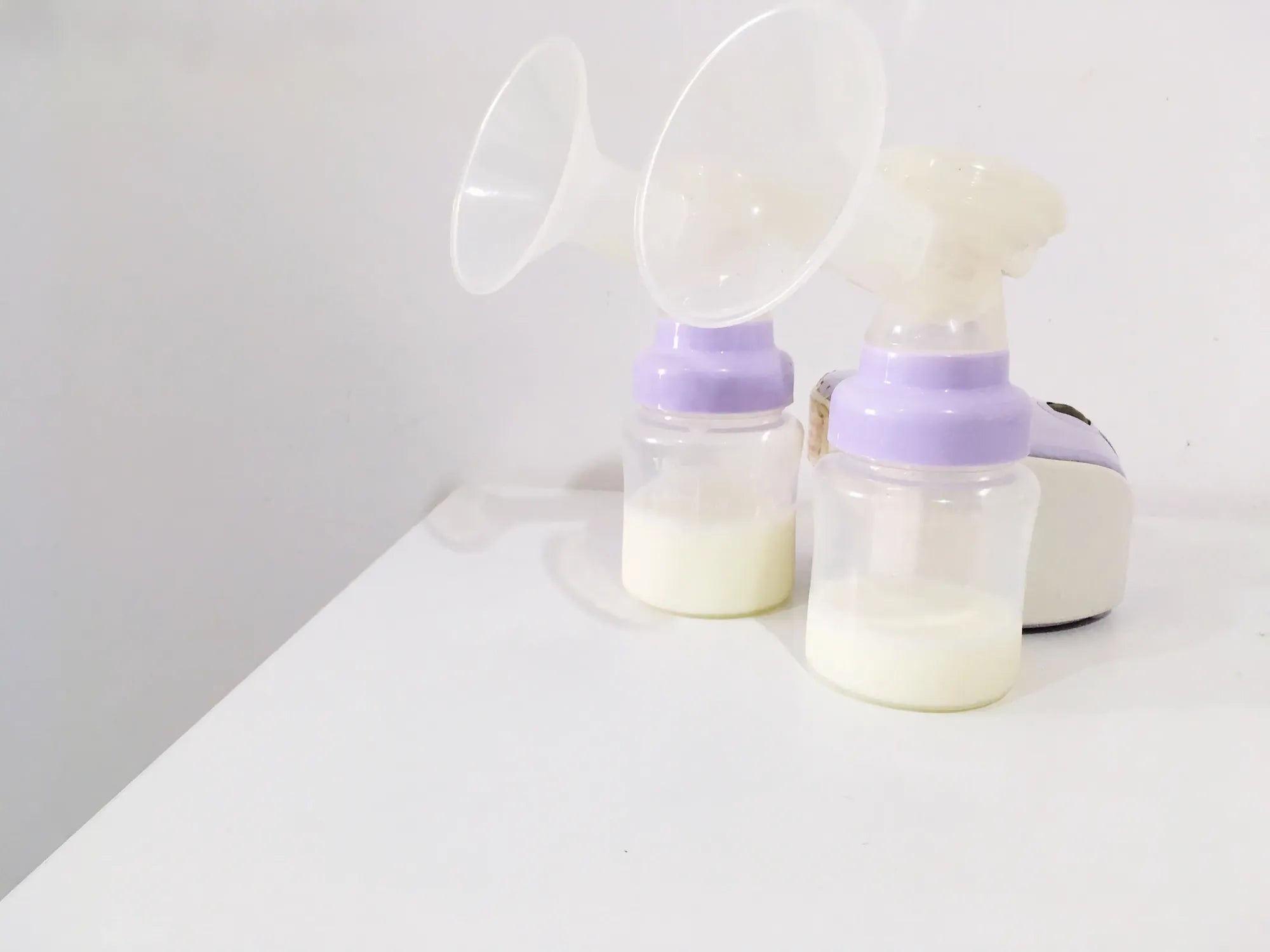
Does Breast Pumping Turn You On? Exploring the Psychological and Physical Aspects
Introduction: Understanding the Question Behind the Query
The question, "Does breast pumping turn you on?" can surface with a mix of curiosity, concern, and even shame for some mothers. It touches on a rarely discussed but potentially confusing aspect of the postpartum journey. The physical act of pumping, designed for milk extraction, can sometimes trigger unexpected or ambiguous sensations.
This article aims to address this query with factual clarity and compassionate understanding. It is crucial to separate involuntary physiological responses from conscious sexual arousal, a distinction that can alleviate unnecessary anxiety. We will explore the science behind these sensations and provide guidance for navigating this personal experience.
Our goal is to offer a supportive, evidence-based resource. By demystifying the body's responses, we empower mothers to build a positive and comfortable relationship with pumping, focusing on its primary purpose: nourishing their baby.
Understanding your body's signals is a key part of the motherhood journey. Let's explore the psychological and physical aspects of breast pumping with objectivity and care.
The Science of Let-Down: Separating Physiology from Sensation
The core physical experience of pumping is governed by the milk ejection reflex, commonly known as "let-down." This is a neurohormonal process initiated by stimulation of the nerve endings in the nipple and areola. When a baby latches or a pump flange creates suction, signals are sent to the brain.
The brain's pituitary gland responds by releasing the hormone oxytocin into the bloodstream. Oxytocin then travels to the breast tissue, causing specialized cells called myoepithelial cells to contract. These contractions squeeze the milk ducts, pushing milk toward the nipple.
This biological process can manifest as a variety of physical sensations. Many women report a distinct tingling, pins-and-needles feeling, warmth, or a sense of fullness and pressure in the breasts. Some may even experience temporary uterine cramping, as oxytocin also causes the uterus to contract.
These sensations are purely physiological markers of a functioning let-down reflex. They are the body's efficient mechanism for milk release. The intensity and nature of these feelings vary greatly from person to person and can even differ between pumping sessions.
It is vital to frame these sensations within their biological context. The tingling or warmth associated with let-down is a functional signal, not inherently an emotional or sexual one. Recognizing this is the first step in differentiating normal lactation physiology from other types of bodily responses.
The Mind-Body Connection: Why Confusion Can Arise
Confusion can arise because the human body does not operate in isolated, categorized systems. The same biochemicals and neural pathways can be involved in multiple, seemingly disparate functions. This overlap is at the heart of why pumping sensations might feel complex.
Oxytocin, the "love hormone" or "bonding hormone," is a prime example. It is central to lactation, facilitating milk let-down. It is also released during sexual intimacy, childbirth, and even hugging, promoting feelings of connection, calm, and trust. Its presence during pumping does not indicate sexual context; it indicates a hormonal pathway being used for its lactational purpose.
Furthermore, nipple stimulation itself activates nerve pathways that lead to the same region of the brain (the hypothalamus) whether the stimulus is from an infant, a partner, or a pump. The brain's initial reception of the signal is similar; the interpretation of that signal—as nourishing, sexual, or mechanical—is shaped by context, intention, and psychology.
A reflexive physical response, such as nipple erection or genital vasocongestion (increased blood flow), can occur from direct mechanical stimulation alone, without any erotic thought or desire. This is an autonomic nervous system reaction, similar to a knee-jerk reflex.
Therefore, a mother may experience a cascade of physical feelings—oxytocin release, nerve activation, bodily warmth—that share a vocabulary with sexual arousal but are being spoken for a completely different reason: feeding her child. Understanding this shared biological "language" can normalize the experience and reduce distress.
Factors Influencing Your Pumping Experience
Your personal experience with pumping is shaped by a confluence of physical, technical, and psychological factors. Discomfort or unusual sensations are often traceable to one of these key areas.
Physical Comfort and Pump Fit
The single most critical factor for a neutral or comfortable pumping experience is proper fit, specifically the flange size. Flanges that are too large or too small can cause pain, rubbing, poor milk output, and can stimulate breast tissue in inefficient or uncomfortable ways.
Suction settings also play a major role. Excessively high or erratic suction can cause pain, tissue trauma, and vasospasm, creating sensations that are sharply negative. A pump should mimic a baby's efficient, rhythmic suckling pattern to be effective and comfortable.
This is where product design is paramount. MomMed breast pumps, like the S21 Wearable model, are engineered with BPA-free, food-grade silicone flanges designed for a softer seal and ergonomic fit. Their adjustable, hospital-grade suction motors offer a range of settings to find a comfortable, effective rhythm, aiming to make the sensation purely about efficient milk removal.
Pain is not a normal part of pumping. Unusual or painful sensations are often a sign of incorrect equipment use or fit, not an intrinsic part of the process.
Mental State and Environment
Your psychological environment profoundly affects your physical experience. Stress and anxiety can inhibit oxytocin release, making let-down difficult and the entire process feel tense and unproductive. The clinical feel of being "tethered" to a wall pump can contribute to feelings of detachment or discomfort.
Conversely, relaxation techniques can promote a positive response. Looking at your baby, smelling their clothes, or watching a video of them can trigger a natural oxytocin release. Creating a private, calm pumping sanctuary helps frame the act as a nurturing ritual.
The mental dissociation between "breast as sexual" and "breast as functional" can be challenging in a culture that heavily sexualizes breasts. Consciously reframing the act as a practical, loving task of nourishment can help solidify this separation in your mind.
The Role of Wearable Pumps in Redefining the Experience
Wearable pump technology represents a significant shift in the pumping context. By being discreet, cordless, and hands-free, pumps like the MomMed S21 Double Wearable Breast Pump change the environmental and psychological dynamics.
Mobility and discretion reduce feelings of exposure and being "stuck." A mother can pump while making a snack, working on a laptop, or even taking a walk. This integration into normal activity helps dissociate pumping from a clinical or passive setting.
When the act becomes more practical and less intrusive, the mind is better able to categorize it as a routine task, like brushing your teeth. The physical sensations then become associated with this normalized, empowered routine rather than a singular, isolated event. This technological shift supports a healthier, more neutral mind-body connection during pumping.
Navigating Feelings and Building a Positive Routine
If you experience confusing or uncomfortable feelings while pumping, know that you are not alone and there are proactive strategies to build a better routine. The goal is to create an association between pumping and efficiency, comfort, or even a moment of peace.
First, anchor yourself in the purpose. When ambiguous sensations arise, gently redirect your focus to the outcome: providing nourishment for your baby. Keep a photo nearby or visualize your baby's face to reinforce this connection.
Second, audit your comfort. Re-measure your nipple size to ensure perfect flange fit. Experiment with lower suction settings on a let-down mode before increasing. Use lubrication like coconut oil or purpose-made nipple cream on the flange rim to reduce friction. MomMed pumps include multiple flange sizes for this reason.
Create a relaxing ritual. Use the same comfortable chair, play calming music, practice deep breathing, or sip a warm beverage before you begin. This conditions your body to relax in anticipation of pumping.
Distract your conscious mind. Read a book, watch a show, scroll through photos, or make a phone call. This can prevent hyper-focus on the physical sensations, allowing the autonomic process of let-down to occur without psychological interference.
If feelings of distress, shame, or confusion persist and impact your desire to pump or your mental well-being, seek support. Talking to a certified lactation consultant (IBCLC) can provide technical and normalizing guidance. A therapist familiar with postpartum issues can help navigate complex emotional responses. Your experience is valid, and support is available.
A Comparative Look at Pumping Experiences
The following table contrasts common experiences and how they are influenced by various factors, highlighting the path to a positive routine.
| Experience/Sensation | Possible Physiological Cause | Common Misinterpretation | Action for a Neutral/Positive Routine |
|---|---|---|---|
| Tingling/Warmth in Breasts | Milk let-down reflex; oxytocin release causing duct contraction. | Sexual arousal. | Recognize as normal let-down signal. Use relaxation to encourage it. |
| Feeling "Touched Out" or Annoyed | Sensory overload; demand feeling impersonal or mechanical. | Personal failure or lack of bonding. | Use wearable pump for autonomy. Schedule breaks. Practice self-care. |
| Painful Suction, Nipple Trauma | Incorrect flange size, suction too high, poor pump cycle rhythm. | "Pumping is just supposed to hurt." | Remasure nipples, size down flanges, lower suction, use lubrication. Ensure pump (like MomMed S21) has gentle, rhythmic cycles. |
| Uterine Cramping | Oxytocin causing postpartum uterine involution (normal shrinking). | Generalized pain or discomfort. | Understand it's a sign of effective let-down and postpartum healing. Use a heating pad. |
| Feeling Detached or "Like a Cow" | Psychological response to mechanical, non-bonding context. | That pumping is inherently dehumanizing. | Reframe with empowerment: "I'm providing for my baby on my terms." Use hands-free time productively or relaxingly. |
FAQ: Common Questions About Pumping and Body Responses
Q: Is it normal to feel a tingling or warm sensation when I pump?
A: Yes, this is very common and is typically the physical hallmark of the milk let-down reflex. It's caused by the release of oxytocin and the contraction of milk ducts. It's a sign your body is responding to the pump effectively.
Q: What if pumping feels physically arousing? Does that mean something is wrong with me?
A: No, it does not mean anything is wrong with you. Due to shared nerve pathways and hormone responses (oxytocin), some physical overlap in sensations is possible. It is a reflexive, autonomic bodily response to stimulation, not an indication of conscious desire or enjoyment of the act itself. The context and your intent define the experience.
Q: I feel guilty or weird for even wondering about this. Is that normal?
A: Absolutely. In a culture that often conflates breasts with sexuality, it can be deeply confusing when they serve a primary functional purpose. Feeling guilty or curious is a normal reaction to navigating this complex dualism. Giving yourself grace and seeking factual information (like this article) is a healthy response.
Q: How can I make pumping feel more neutral or comfortable?
A: Focus on comfort and distraction. Ensure a perfect flange fit, use adjustable, gentle settings, and apply nipple cream. Distract yourself with an engaging activity. Consider a discreet wearable pump, like the MomMed S21, to gain mobility and reduce the feeling of being "hooked up" to a machine. Create a consistent, relaxing pre-pump ritual.
Q: When should I seek professional help about this?
A: Seek help if the pumping experience is consistently painful (indicating a possible fit or medical issue like mastitis), if it causes significant anxiety or emotional distress that affects your feeding journey, or if you have persistent, troubling thoughts about your responses. A lactation consultant (IBCLC) is an excellent first resource, followed by a therapist specializing in postpartum care.
Conclusion: Empowerment Through Understanding and Comfort
The journey to understanding your body's responses to breast pumping is one of compassion and education. The question, "Does breast pumping turn you on?" opens a door to a nuanced discussion about physiology, psychology, and the incredible adaptability of the postpartum body. The key takeaway is that overlapping physical sensations are rooted in shared biology, not conflated intent.
Empowerment comes from separating the involuntary reflex from the conscious experience, and from taking control of the factors you can influence: comfort, environment, and mindset. By choosing equipment that prioritizes your physical well-being, you lay the foundation for a neutral or positive routine. MomMed is committed to being a partner in this journey, designing products like the award-winning S21 Double Wearable Breast Pump to offer discreet, comfortable, and efficient pumping that fits seamlessly into your life as a mother.
Your comfort and peace of mind are essential to a sustainable feeding journey. You are not a machine; you are a mother providing nourishment in a modern, flexible way. Understanding the science behind the sensations allows you to reclaim the narrative of your own body and experience.
Ready to build a more comfortable and discreet pumping routine? Shop the MomMed collection at mommed.com for innovative, comfortable breast pumps like the S21 Wearable, along with all your breastfeeding, pregnancy, and baby care essentials.