


Home
Pregnancy, Breastfeeding, and Pumping: The Ultimate Guide for Moms
Do Breast Pumps Work for Breast Enlargement? Exploring the Facts and Myths
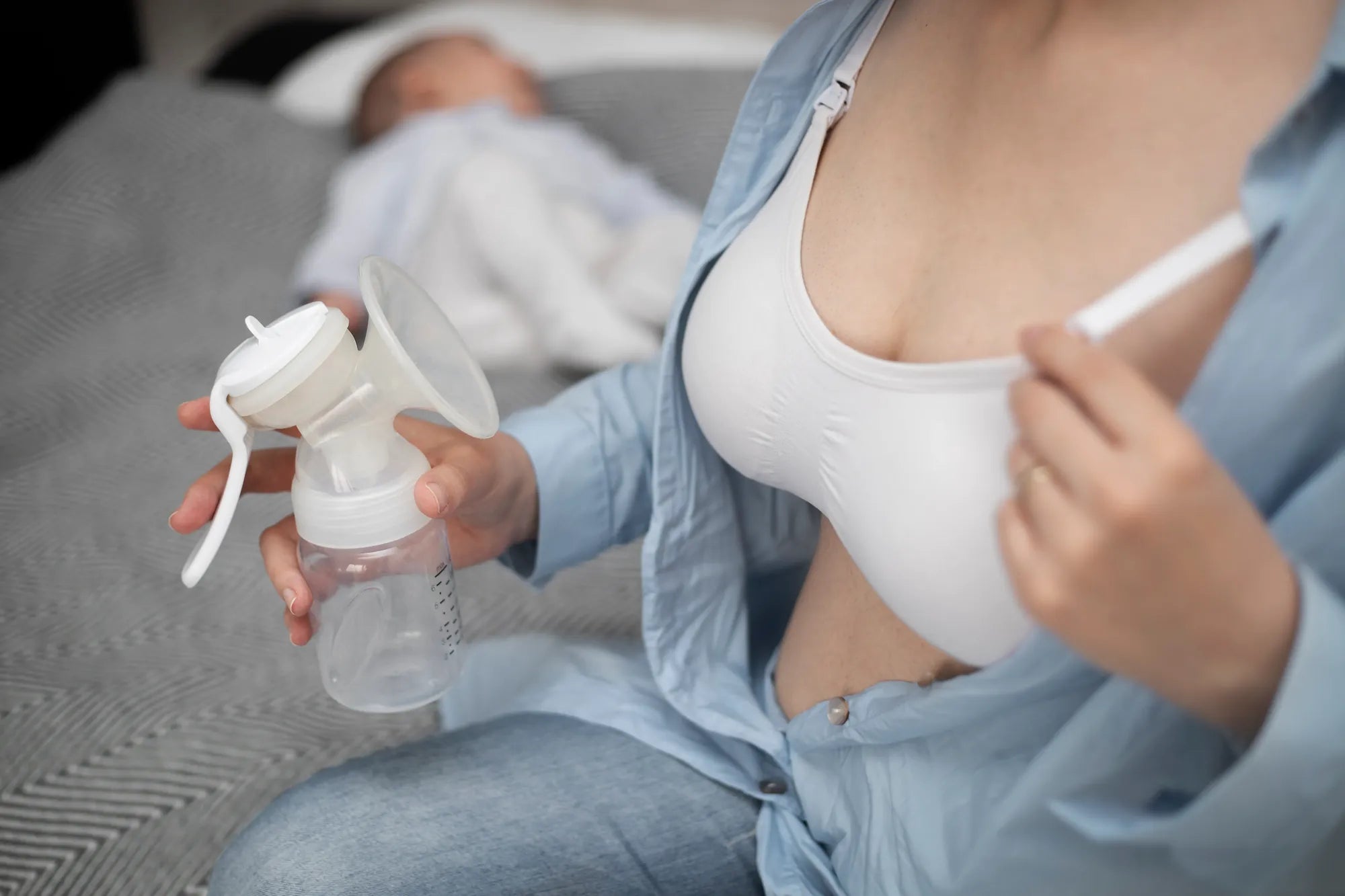
Do Breast Pumps Work for Breast Enlargement? Exploring the Facts and Myths
Introduction: The Question on Many Minds
"Do breast pumps work for breast enlargement?" is a query that surfaces in online forums, mom groups, and even in private consultations more often than you might think. For many new and expecting mothers, the noticeable change in breast size and fullness during the lactation period—especially before and after pumping—can spark curiosity about the potential for lasting size increase. This article cuts through the speculation to deliver a clear, factual exploration grounded in physiology and expert guidance.
We will dissect how breast pumps actually function, explain what you're truly observing when your breasts appear larger, and detail the real risks of using a pump for non-intended purposes. Our goal is to provide you with trustworthy information that supports both your breastfeeding goals and your overall breast health, empowering you with knowledge rather than myths.
By the end, you'll understand why breast pumps are invaluable tools for feeding your baby but are not designed for, nor effective at, causing permanent breast enlargement. We'll also highlight how choosing a pump designed with maternal comfort and safety in mind, like those from MomMed, makes all the difference in a positive lactation experience.
Understanding How Breast Pumps Actually Work
To address the core question, we must first understand the precise, biological function of a breast pump. A breast pump is a mechanical device designed to mimic a baby's natural suckling pattern. Its sole purpose is to stimulate the milk ejection reflex (let-down) and effectively remove milk from the mammary glands.
This process is governed by the principle of supply and demand. When milk is removed—whether by a baby or a pump—the body receives a signal to produce more. The key hormones at play are prolactin, which stimulates milk production, and oxytocin, which triggers the let-down reflex causing milk ducts to contract and release milk.
A high-quality pump, such as the MomMed S21 Wearable Breast Pump, replicates this natural rhythm with adjustable suction cycles and patterns. It features a stimulation mode to initiate let-down followed by an expression mode to efficiently drain the breast. This design is engineered for one outcome: to support and maintain a mother's milk supply for her infant.
The pump's action is on the milk-producing glandular tissue (alveoli) and the ductal system. It does not interact with or stimulate the adipose (fat) tissue or structural connective tissues that primarily determine permanent breast size and shape. The mechanism is one of extraction, not cellular growth or proliferation.
The Anatomy of Breast Size: What Truly Creates Enlargement
Permanent breast enlargement involves changes to the fundamental structures that compose the breast. Understanding this anatomy is crucial to seeing why a pump cannot alter it.
Breasts are primarily made up of three types of tissue: glandular tissue (responsible for milk production), adipose tissue (fat), and connective tissue (for support). The ratio of fat to glandular tissue varies greatly among women and is the main determinant of breast size. Hormonal fluctuations during puberty, menstrual cycles, and pregnancy can cause temporary changes in these tissues.
Lasting increases in breast size typically occur through two avenues: significant weight gain (which increases adipose tissue) or hormonal changes that cause proliferation of glandular tissue, as seen during pregnancy. Surgical augmentation involves the placement of implants. A breast pump applies intermittent suction to the exterior; it does not—and cannot—trigger the complex hormonal or cellular processes required to generate new, permanent fat or glandular cells.
Therefore, while the glandular tissue can become more active and prominent during lactation, this is a functional, reversible state. Once lactation ends and the glandular tissue recedes (a process called involution), breast size generally returns to its pre-pregnancy baseline, influenced by factors like weight and skin elasticity.
The Temporary vs. Permanent: What You're Really Seeing
Many women observe their breasts becoming larger, firmer, and heavier during a pumping session and for a short time afterward. This is a real phenomenon, but it is critical to distinguish this transient effect from permanent enlargement.
The immediate "fullness" is primarily due to two factors: milk volume and increased blood flow. When your milk lets down, the ducts fill with milk, physically expanding the breast tissue. Simultaneously, the oxytocin release causes vasodilation, increasing blood flow to the area, which adds to the sensation of swelling and warmth.
This state, known as engorgement when severe, is a sign of milk accumulation. It subsides as milk is removed and the body regulates. Think of it like a water balloon: it expands when full and deflates when emptied. The balloon itself hasn't grown; its content volume has changed.
Permanent enlargement, in contrast, would mean the actual "balloon" (the breast tissue structure) has increased in size. A breast pump does not provide the biological signals (like estrogen or significant weight gain) needed for that structural growth. The table below clearly contrasts these temporary and permanent states:
| Aspect | Temporary "Pumping" Effect | Permanent Enlargement |
|---|---|---|
| Primary Cause | Milk volume in ducts & increased blood flow | Increase in adipose (fat) tissue or glandular proliferation |
| Duration | Minutes to a few hours post-pump | Long-term or permanent |
| Underlying Process | Milk ejection reflex & vascular response | Hormonal changes (puberty, pregnancy) or weight gain |
| Impact on Tissue | No structural change; reversible filling | Actual growth or addition of tissue cells |
| Influenced by Pump? | Yes, directly causes temporary fullness | No, pump mechanism cannot trigger this growth |
Potential Risks of Misusing Pumps for Enlargement
Using a breast pump outside its intended purpose of milk removal is not only ineffective but can also pose serious risks to breast health. Understanding these dangers is paramount for any woman considering such use.
Nipple Trauma and Damage: Breast pump flanges are designed to align with the nipple and areola to facilitate milk flow. Using a pump excessively, with incorrect flange size, or at unnecessarily high suction levels in a quest for "enlargement" can lead to severe nipple soreness, cracking, blistering, and even tissue damage. This pain can sabotage a breastfeeding journey before it properly begins.
Breast Tissue Injury and Duct Blockage: The delicate mammary structures are not meant to withstand prolonged, aggressive suction. This can cause bruising, swelling (edema), and damage to the milk ducts. Such trauma can lead to plugged ducts, where milk flow is obstructed, creating painful lumps. A plugged duct, if not resolved, can quickly develop into mastitis.
Mastitis: This is a painful breast infection that often involves fever, chills, and flu-like symptoms. It can arise from milk stasis (milk not being removed properly) or bacteria entering through damaged nipple tissue. Misusing a pump significantly increases both these risks, turning a cosmetic hope into a serious medical issue requiring antibiotics.
Disruption of Natural Supply Regulation: For a woman who is not lactating, using a pump sends chaotic, confusing signals to the body. It may trigger a small, unexpected milk production (galactorrhea) due to prolactin stimulation, which can be distressing and require medical evaluation. For a lactating mother, over-pumping in an attempt to permanently enlarge breasts can lead to chronic oversupply, which itself is associated with engorgement, mastitis, and an uncomfortable feeding experience for both mother and baby.
The MomMed Difference: Designed for Safe, Effective Lactation Support
At MomMed, our mission is to support mothers with products that are safe, effective, and centered on genuine maternal and infant needs. Our breast pumps are engineered with precision to excel at their true purpose: providing comfortable, efficient, and discreet lactation support.
Our award-winning S21 Double Wearable Breast Pump exemplifies this philosophy. As a trusted maternal and baby care brand, we specialize in innovative products like wearable pumps that offer hands-free convenience without compromising performance. The S21 features hospital-grade suction in an ultra-quiet, cordless design, allowing moms to pump comfortably and on their own terms.
Safety is non-negotiable. All MomMed pumps are constructed with BPA-free, food-grade silicone and materials that meet the highest safety standards for you and your baby. We prioritize a perfect flange fit—offering multiple size options—because correct fit is the cornerstone of comfortable pumping and effective milk removal, preventing the very injuries associated with misuse.
Our pumps offer multiple, gentle suction modes and cycle patterns to mimic a baby's natural nursing, supporting healthy milk supply regulation. By focusing on what breast pumps do best, we empower moms to navigate their breastfeeding journey with confidence, comfort, and the right tools for the job.
Healthy Practices for Breast Care and Confidence
Shifting focus from size to function and health is empowering. Your breasts are performing the incredible task of nourishing your child. Here are evidence-based practices for supporting them during this season.
Ensure Proper Flange Fit: The flange should surround your nipple without pulling areola tissue into the tunnel. A correct fit prevents pain and maximizes milk output. MomMed provides detailed sizing guides and multiple flange sizes to help you find your perfect match.
Follow a Sustainable Pumping Schedule: If you are pumping, establish a routine that mimics your baby's feeding pattern to maintain supply without causing oversupply. Typically, pumping every 2-3 hours for about 15-20 minutes per breast is a common guideline, but always adapt to your body's signals.
Support Your Body with Nutrition and Hydration: Producing milk requires extra calories and significant fluids. A balanced diet and drinking water to thirst are fundamental for milk production and your overall recovery and well-being.
Practice Comfortable Weaning: When the time comes to wean, do so gradually. Slowly dropping pumping sessions allows your milk supply to diminish without causing severe engorgement or plugged ducts. This gentle approach helps your breast tissue return to its non-lactating state more comfortably.
Embrace Body Confidence: Your body has undergone profound changes. Celebrate its strength and capability. Connect with supportive communities, and if you have concerns about post-weaning breast changes, speak with your healthcare provider or a lactation consultant for personalized advice.
FAQ: Your Questions, Answered
Can pumping increase my cup size permanently?
No, scientific evidence and physiological principles confirm that breast pumping cannot lead to a permanent increase in cup size. Any size increase during lactation is temporary, attributable to milk volume and active glandular tissue. Once lactation ceases, breast size typically returns to its pre-pregnancy baseline, influenced by factors like weight and genetics.
Why do my breasts look bigger and feel heavier after I pump?
This is due to the increased blood flow and inflammation that can accompany the milk ejection reflex, not because the tissue has grown. Sometimes, if the breast isn't fully drained, milk remains, contributing to a fuller feeling. Effective pumping with a well-fitted pump like the MomMed S21 helps ensure more complete drainage for comfort.
Is it safe to use a breast pump if I'm not pregnant or lactating?
It is not recommended. Without the hormonal context of postpartum, pumping is ineffective for any legitimate purpose and carries the risks of nipple trauma, pain, and potentially triggering unwanted milk production (galactorrhea), which requires medical attention. Breast pumps are medical devices designed for lactation support.
Can using a pump help with sagging breasts after breastfeeding?
No, a pump cannot reverse sagging (ptosis). Breast sagging is primarily influenced by factors like genetics, skin elasticity, weight fluctuations, and the stretching of ligaments during pregnancy and lactation. Supportive bras and strength training for chest muscles can improve posture and appearance, but pumps do not affect these structural supports.
How can MomMed pumps make my breastfeeding journey more comfortable?
MomMed pumps are designed with mom's comfort as a priority. Features like the S21's wearable, hands-free design provide discreet convenience. Multiple suction settings and cycle modes allow you to find the gentlest, most effective rhythm for your body. Our focus on correct flange fit and safe materials directly prevents the common causes of pumping pain and complications.
Conclusion: Embracing Your Journey with Confidence and the Right Tools
The evidence is clear: breast pumps are highly effective tools for supporting lactation and feeding your baby, but they are not and will never be a method for permanent breast enlargement. The temporary fullness you experience is a sign of your body doing its job, not a cosmetic alteration. Attempting to misuse a pump for enlargement disregards its design and invites unnecessary health risks.
Your breastfeeding journey is unique and deserves support from products built on integrity, safety, and real-world efficacy. MomMed is committed to being that support system, offering innovative, comfortable, and reliable products—from our wearable breast pumps to pregnancy tests and baby care essentials—that genuinely meet the needs of moms and moms-to-be.
Focus on the incredible function of nourishment, listen to your body, and equip yourself with tools designed for your well-being. Let go of cosmetic myths and embrace the power and capability of your body during this special chapter.
Shop the MomMed collection at mommed.com for all your breastfeeding and pregnancy needs, and discover the difference that thoughtful, mom-centric design can make.