


Home
Pregnancy, Breastfeeding, and Pumping: The Ultimate Guide for Moms
Can You Test a Breast Pump While Pregnant? Your Complete Guide to Smart Preparation
Can You Test a Breast Pump While Pregnant? Your Complete Guide to Smart Preparation
Preparing for Your Breastfeeding Journey
Many expectant parents wonder, "Can you test a breast pump while pregnant?" It's a smart, proactive question that shows you're thinking ahead about your feeding journey. While the direct answer involves important safety nuances, the preparation phase is invaluable for reducing postpartum stress and building confidence. This guide provides everything you need to know about safely and effectively preparing your breast pump before your baby arrives. We'll cover what you can do, what to avoid, expert-recommended alternatives, and how to choose equipment that supports your goals. As a trusted maternal and baby care brand, MomMed specializes in innovative, comfortable products like wearable breast pumps and pregnancy test kits, helping moms and moms-to-be navigate these important stages with reliable solutions.
Understanding the "Test": What It Means Before Baby Arrives
When asking about testing a breast pump, most people envision one of two scenarios: mechanically checking the pump's functions or physically using it on their breasts. It's crucial to distinguish between these. Testing the pump's assembly, settings, and fit against your body without applying suction is not only safe but highly recommended. This familiarization process is a key part of preparation. Conversely, attempting to express milk or colostrum by applying the pump's suction directly to your nipples during pregnancy is generally not advised without specific medical instruction. This distinction forms the foundation of safe, informed preparation. Understanding your equipment before the sleep-deprived newborn phase can make a significant difference in your early breastfeeding or pumping experience. It allows you to troubleshoot mechanics, not biology, in a calm environment.
What You Can (and Should) Do: The Safe Pre-Birth Pump Checklist
This actionable checklist focuses on product familiarization and hygiene, turning your pump from an intimidating device into a trusted tool. These steps are safe, practical, and highly effective for building readiness.
Unboxing and Assembly Practice
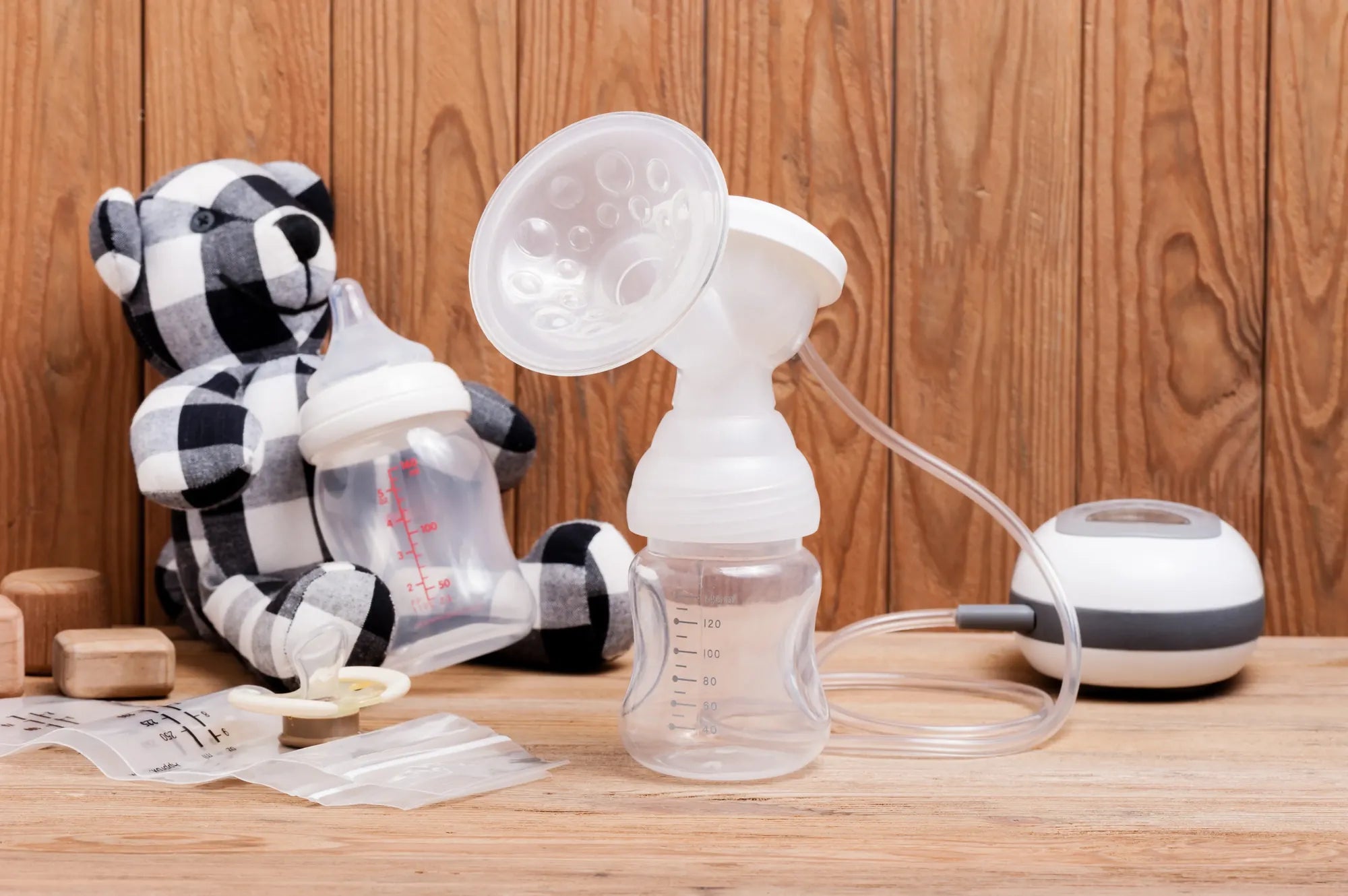
Start by carefully unboxing your pump. Lay out all components, such as flanges, valves, membranes, bottles, and tubing. For a wearable pump like the MomMed S21, identify the motor unit, charging cable, and wearable cups. Practice assembling and disassembling the entire system several times. This builds muscle memory, so you won't be fumbling with parts at 3 a.m. Pay close attention to how the valves and membranes fit, as improper assembly is a common cause of suction issues. Check that all parts, especially the BPA-free, food-grade silicone flanges, are intact. Familiarizing yourself with the assembly also helps you understand how to clean each piece effectively.
Sanitizing and Cleaning Protocol
Before any potential use, you must sanitize all pump parts that contact breast milk. Follow the manufacturer's instructions, which typically involve boiling, steaming, or using sanitizer bags. Establish your cleaning routine now: where you'll wash parts (a dedicated basin is ideal), what soap you'll use, and where they'll air dry. Having a system in place ensures a hygienic start for your baby and prevents the growth of harmful bacteria. Consider purchasing extra sets of flanges and valves to rotate during the day, making this routine more manageable postpartum. A clean, ready pump is a cornerstone of safe milk expression.
Functionality Check: Settings, Modes, and Fit
Power on your pump and test all its settings without connecting it to your body. Explore the different modes—most pumps, including MomMed models, have a let-down/massage mode and multiple expression modes. Cycle through the suction levels to hear and see how the adjustments work. For wearable pumps, practice inserting the cups into a nursing bra or the provided hands-free bra. Get a sense of their weight and how they feel against your chest wall. This step is about understanding the device's capabilities and ensuring the mechanical components work correctly, so you can focus on comfort and efficiency later.
What to Avoid: Important Safety and Physiological Considerations
While preparation is encouraged, certain actions carry risks or are physiologically premature. Understanding these boundaries protects your health and sets realistic expectations.
Why Direct Suction on Breasts is Not Advised
The primary reason to avoid using a breast pump's suction on your nipples during pregnancy is physiological. Nipple stimulation triggers the release of oxytocin, the hormone responsible for milk ejection and uterine contractions. While these contractions are often mild and not a concern for a low-risk, full-term pregnancy, they can potentially lead to preterm labor in some cases. Healthcare providers universally recommend erring on the side of caution. This precaution is especially critical for those with a history of preterm labor, cervical insufficiency, or other high-risk conditions. Always consult your doctor before any form of breast stimulation.
The Timeline for Mature Milk Production
It's important to understand the biology of lactation. During pregnancy, your body produces colostrum—a thick, nutrient-rich "first milk." However, the hormonal cascade that triggers copious milk production (lactogenesis II) occurs after the placenta is delivered. The sudden drop in progesterone post-birth signals your body to start making mature milk. Therefore, even if you were to use a pump in late pregnancy, you would not yield significant volumes. This is not an indicator of future supply. Setting this expectation helps prevent unnecessary anxiety about milk production before your baby even arrives.
The Expert-Recommended Alternative: Hand Expression for Colostrum
For parents interested in collecting colostrum before birth, hand expression is the safe, gold-standard method—but only after receiving explicit guidance from your healthcare provider, typically after 36-37 weeks gestation.
Benefits of Learning Hand Expression Prenatally
Learning this skill offers several advantages. First, it allows you to collect small amounts of precious colostrum, which can be frozen and used if your baby needs supplemental feeding after birth. Second, it familiarizes you with the sensation of milk removal and the hand technique, reducing the learning curve when you're tired postpartum. Third, for some, it can provide a sense of control and preparedness. The key is that hand expression allows for gentle, controlled pressure, unlike the sustained suction of a pump, and is performed under medical advice.
How to Get Started (With Professional Guidance)
Step one is always to get approval from your doctor or midwife. If cleared, they may provide a demonstration or refer you to a lactation consultant. The general technique involves washing your hands, applying a warm compress to your breast, gently massaging from the chest wall toward the nipple, and then using a C-shaped grip to compress behind the areola. Colostrum is expressed in drops, often collected in a sterile syringe. This process is typically done once per day near the due date for specific medical reasons, not to induce labor. Professional supervision is non-negotiable.
Choosing and Preparing with the Right Pump: A MomMed Guide
Your preparation time is the perfect opportunity to ensure you have the ideal pump for your postpartum life. Consider features that address common challenges like portability, comfort, and discretion.
Key Features to Consider for Postpartum Success
When selecting a pump, prioritize these evidence-backed features: Adjustable Settings for comfort and efficacy, Portability/Wearability for mobility, Quiet Operation for discretion, and Efficiency (strong, rhythmic suction) to support milk supply. Wearable pumps, like the award-winning MomMed S21 Double Wearable Breast Pump, are designed to address these needs directly. Their hands-free, in-bra design allows you to move freely, which can help with let-down and make pumping more sustainable. Comfort is paramount, as pain can inhibit milk ejection, so look for pumps with multiple suction levels and soft, flexible flanges.
Simulating Your Post-Pump Routine
Use your pregnancy to think through logistics. Fully charge your pump's battery. Assemble a "pumping station" or bag with essentials: the pump, extra parts, a water bottle, snacks, and phone charger. Practice putting on a hands-free pumping bra with the pump cups in place. Visualize where you'll pump at home and work. This mental and practical rehearsal transforms the abstract idea of pumping into a concrete, manageable routine, significantly reducing the "first-time" anxiety after birth.
Breast Pump Feature Comparison for Expectant Parents
This table compares key features to help you evaluate pumps during your preparation phase. Data is based on general product categories and includes MomMed's specific innovations.
| Feature | Traditional Electric Pump | Wearable Pump (e.g., MomMed S21) | Manual Pump |
|---|---|---|---|
| Primary Use Case | Primary or frequent pumping, often at a stationary location. | Hands-free, mobile pumping; ideal for multitasking or returning to work. | Occasional use, portability, backup, or quick relief. |
| Portability & Discretion | Lower; requires outlet or large battery pack. More visible and audible. | High; fits inside bra, cordless, very quiet operation. | Highest; small, silent, no power needed. |
| Customization & Comfort | Typically offers multiple cycles and suction levels. | Offers multiple modes (massage/expression) and adjustable suction for personalized comfort. | Limited; suction controlled by hand strength, less consistent. |
| Efficiency & Output | Generally high, hospital-grade performance available. | Designed for efficient milk removal with hospital-grade suction levels in a wearable form. | Variable; depends on user technique and can be tiring. |
| Best for Prenatal Prep | Practicing assembly, cleaning, and setting adjustments. | All of the above, plus practicing wearable cup fit and charging routine. | Understanding basic mechanics, but not for prenatal use on breasts. |
Frequently Asked Questions (FAQ)
Q: Can pumping while pregnant induce labor?
Direct pumping or significant nipple stimulation can release oxytocin, which causes uterine contractions. While sometimes used under strict medical supervision to help ripen the cervix in overdue pregnancies, it is not a method to self-induce labor. Doing so without monitoring can lead to overly strong, prolonged contractions (tetanic contractions) that are dangerous for both parent and baby. Always follow your provider's specific advice.
Q: When is the best time to actually start pumping after birth?
For parents planning to primarily breastfeed, the general recommendation is to wait until breastfeeding is well established, usually around 3-4 weeks postpartum, before introducing regular pumping sessions. This allows your milk supply to regulate according to your baby's direct feeding. However, if you need to separate from your baby for medical reasons, are supplementing, or are exclusively pumping, you may start within the first few days. Always tailor this timeline with a lactation consultant or your pediatrician.
Q: Is it worth buying a pump before the baby comes?
Absolutely. Purchasing a pump during pregnancy allows you to research thoroughly, use insurance benefits (if applicable), and complete the safe preparation steps outlined in this article. Having your pump ready to go eliminates one major stressor after birth. It also gives you time to choose a model that fits your lifestyle, such as a hands-free wearable pump for greater flexibility.
Q: How do I know if my flange size is correct before I start producing milk?
You can make an initial assessment during pregnancy. Your nipple should fit comfortably in the tunnel of the flange without excessive areola being pulled in, and it should not rub the sides during the pump's simulation (without suction). However, nipple size can change after birth and milk flow begins. Be prepared to reassess in the first week postpartum. Many brands, including MomMed, offer multiple flange sizes with their pumps to help you find the perfect, comfortable fit.
Q: If I can't pump, how can I prepare my breasts for breastfeeding?
Excellent prenatal preparation involves education and gentle care. Attend a breastfeeding class, learn about proper latch, and discuss any concerns with a lactation consultant. You can gently moisturize your nipples with pure lanolin or coconut oil if they feel dry. Wearing comfortable, supportive bras without tight bands or underwires is also recommended. The most important preparation is knowledge and building a support network.
Empowered and Ready for Your Feeding Journey
So, can you test a breast pump while pregnant? The answer is a qualified yes—focus on mechanical testing, hygiene, and fit, while avoiding direct suction on your breasts. This proactive approach demystifies the equipment, builds essential skills, and fosters confidence as you approach your due date. By understanding the safe boundaries, learning about alternatives like hand expression, and choosing a pump designed for comfort and efficiency, you set the stage for a more manageable and positive start to feeding your baby. Remember, preparation is an act of self-care. MomMed is committed to supporting you through this journey with innovative, reliable products like our wearable breast pumps and pregnancy tests, designed to make motherhood a little easier. You are not just preparing a pump; you are preparing for success.
Ready to explore comfortable, innovative pumping solutions? Shop the MomMed collection at mommed.com for all your breastfeeding and pregnancy needs, from the award-winning S21 Wearable Pump to essential baby care products, and embark on your journey feeling supported and prepared.